

Most online memory tests measure a narrow slice of cognition: usually attention and working memory, short-term recall, processing speed, or reaction time. They don’t measure your whole brain, and a search for a sage test online free won’t give you a diagnosis by itself. That’s the short answer. And it matters, because people often treat one score like a verdict when it’s really just one data point.
If you’ve been seeing Human Benchmark all over social media, you’re not alone. Maybe you tried a reaction-time test, missed a few visual memory rounds, and thought, Wait, is my memory getting worse? Or maybe you searched sage test online free because you wanted something that feels more serious than a brain game. Research and clinical guidance from the National Institute on Aging on memory loss and forgetfulness make an important distinction here: normal lapses, screening tools, and medical evaluation are not the same thing.
So here’s the deal. This article breaks down what do online memory tests measure by test type, shows the difference between a memory game, a screening tool, and a formal assessment, and explains are online memory tests accurate only under certain conditions. You’ll also see how a verbal recall task differs from a short-term memory test, why your setup changes your score, and what to do with the result without spiraling.
I’m a software engineer, not a clinician. But I build learning tools, obsess over measurement, and care a lot about the gap between what digital tests really capture and what they only appear to capture. If you’re comparing Human Benchmark, a sage test online free option, a 5-word recall quiz, or an online cognitive screening test for adults, this guide will help you read the score like an adult — not like an algorithmic fortune teller.
📑 Table of Contents
- What online memory tests really measure
- How to take a test so it means something
- sage test online free vs other tests
- Are these tests accurate enough to trust?
- What to do next with your results
- Frequently Asked Questions
- Are online memory tests accurate?
- What do online memory tests measure for adults?
- Can online memory tests detect dementia?
- What does the SAGE test measure?
- What is the difference between a memory test and a cognitive screening test?
- What is the 10 words cognitive test?
- What is the 12 question test for dementia?
- When should you see a doctor after a low memory test score?
- Conclusion
What online memory tests really measure
So here’s the deal. Most online tests measure a few narrow skills—working memory, short-term recall, attention, processing speed, reaction time, and sometimes executive function—not your intelligence, and definitely not a diagnosis.
The short answer first
If you’re searching for a sage test online free option, it helps to know what do online memory tests measure before you read too much into the score. They usually sample slices of cognition, not your whole mind, which is why a fast result can be interesting without being definitive.
Are online memory tests accurate? Well, actually, some are decent for spotting patterns in performance, but accuracy depends heavily on the task, the instructions, your device, and what the test was designed to do. If you want a clearer mental model, start with attention and working memory, because many “memory” tests are really attention-heavy tasks in disguise.
The main domains these tests sample
Different tasks tap different systems. And no, there isn’t one single “memory center” doing all the work; cognitive neuroscience points to distributed networks, as summarized in Wikipedia’s overview of human memory systems.
- Digit span = working memory. You hold numbers briefly and reorder them.
- 5-word or 10-word recall = verbal memory. You encode, store, then retrieve words.
- Pattern recall = visual memory. You reproduce shapes or locations.
- Trail-making style tasks = executive function. You switch rules and track sequences.
- Simple click tests = processing speed or reaction time. Fast hands matter here.
Human Benchmark is a good example of narrow-task testing. Its reaction time task mostly reflects response speed plus device latency, while a verbal recall task reflects encoding and retrieval under time pressure. Speaking of which—if you’re comparing a working memory test online for adults with a short term memory test online free, it helps to understand how short-term memory works because short-term storage and active mental manipulation aren’t the same thing.
Why one score never equals your whole brain
This is the part most people get wrong. A poor reaction-time result is very different from weak delayed recall after 10 minutes, and the difference between memory test and dementia screening starts there.
The classic multi-store model of memory is useful here: sensory input, short-term storage, and longer-term retrieval are different stages, so one online cognitive screening test for adults can’t stand in for all memory systems. Clinical screens also look for patterns across domains, not just one entertainment-style score, and the National Institute on Aging’s guidance on memory, forgetfulness, and aging makes that distinction pretty clearly.
From building digital learning tools, I’ve seen tiny interface changes shift performance without any real change in cognition. Age, education, sleep, stress, and familiarity with digital tasks all move scores around. Which brings us to the next question: how do you take a test in a way that actually means something?
How to take a test so it means something
Now that you know what these tests actually measure, the next question is simple: how do you make the result worth paying attention to? A sage test online free can be useful as a rough snapshot, but only if you reduce the noise around it.
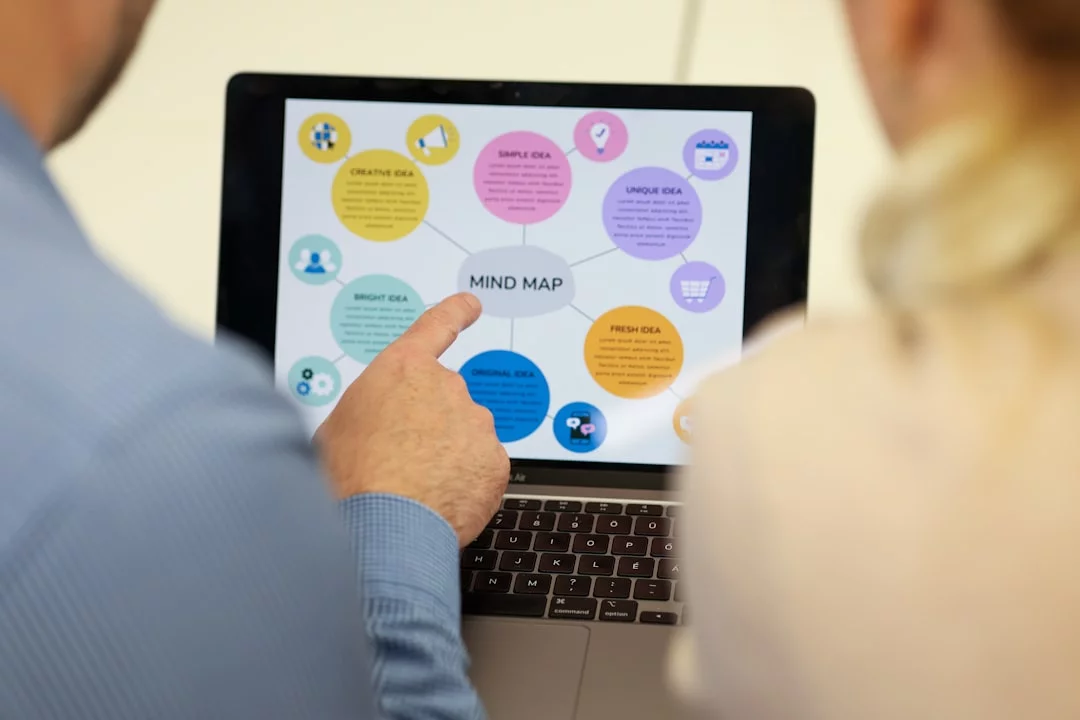
How to get a cleaner result
- Step 1: Control the setup before you begin.
- Step 2: Follow the exact instructions during the test.
- Step 3: Record the score and the context after you finish.
- Step 4: Track trends over time instead of chasing one perfect number.
Before you start
Online memory tasks sample different skills, including recall, attention, and processing speed. That’s why attention and working memory matter so much for test validity and for estimating your baseline cognitive function.
Use the same device each time. A phone’s touch latency can distort reaction-heavy tasks more than simple recall tasks, while a laptop keyboard may feel more consistent. And if you normally wear glasses or hearing aids, use them here too.
Before any sage test online free session, check these conditions:
- quiet room
- no multitasking or tab switching
- stable internet, if the test runs online
- no alcohol beforehand
- notes on sleep, illness, stress, caffeine, and medications if relevant
Stress matters more than people think. If you tend to freeze under pressure, this article on test anxiety and performance will sound familiar.
During the test
Follow the instructions exactly. Don’t switch tabs, don’t answer messages, and use the same input method each time if possible.
And don’t retake it right away after one bad run. Research on practice effects, including guidance from NCBI’s overview of cognitive assessment, shows that second and third attempts often improve because you learned the task format, not because memory suddenly improved.
Quick example: if a memory recall test asks you to remember a word list, your second try may rise by 2 to 5 items simply because you now know the pacing and strategy. That’s learning the test, not necessarily changing your brain.
After the test
Record more than the score. Log hours slept, stress level from 1-10, caffeine, time of day, and whether you already practiced that task that day.
For score interpretation, compare like with like: same test, same device, similar time of day. A low processing-speed score doesn’t mean the same thing as weak delayed recall, and one task can’t represent every memory system, as the multi-store model of memory helps explain.
If you want to know how to interpret online memory test results, look for trends. Once a week or once a month under similar conditions beats five retakes in one sitting. And for broader context on screening versus diagnosis, Mayo Clinic’s guidance on cognitive decline is a useful reality check.
Which brings us to the obvious comparison: how does this kind of test stack up against the other options online?
sage test online free vs other tests
Once you’ve taken a test under decent conditions, the next question is obvious: compared to what? And this is where “sage test online free” gets interesting, because not all online memory checks are trying to do the same job.
What each popular test is built to do
SAGE was developed by The Ohio State University Wexner Medical Center as a screening tool for possible early cognitive change, not a diagnosis. It samples several domains at once, including orientation, language, reasoning, and memory, which is very different from a narrow speed task or a simple word-recall quiz.
So what does the SAGE test measure, exactly? Broad cognitive function. By contrast, a working memory test online for adults usually focuses on holding and manipulating information in real time, which overlaps with attention and working memory more than delayed recall.
And a short-term memory test online free often checks brief storage only. If you need a refresher on that distinction, see how short-term memory works. One task can’t represent every memory system — the multi-store model of memory helps explain why.
Quick comparison table
📋 Quick Reference
| Test | Domain | Time | Best for | Can it diagnose? | Main distortion risk |
|---|---|---|---|---|---|
| Human Benchmark | Reaction time, visual memory | 1–5 min | Self-tracking | No | Device lag |
| SAGE | Multi-domain screening | 10–15 min | Clinical conversation starter | No | Vision, education, instructions |
| 5-word recall | Verbal recall | 1–3 min | Rough memory check | No | Attention, repetition |
Best use case for each
- Human Benchmark: great for curiosity and repeat performance tracking, but not dementia screening.
- SAGE: useful if you want an online cognitive screening test for adults to discuss with a clinician.
- Simple recall tasks: fast, but highly sensitive to distraction, stress, and timing mechanics.
From experience building and reviewing digital tasks, user confusion, screen size, and timer behavior often change scores as much as raw ability. That’s also why brain-game style tasks and training claims need caution; if you’re curious, here’s our breakdown of dual n-back and IQ. For background, the Ohio State SAGE overview and Mayo Clinic’s dementia guidance both make the same point: screening can flag concern, but it can’t diagnose on its own.
Which brings us to the real question: are any of these scores accurate enough to trust?
Are these tests accurate enough to trust?
Compared with other options, the real question isn’t just whether a sage test online free exists. It’s what kind of test you’re taking, what it measures, and whether your score reflects your brain or just a rough day.

When online scores are useful
Some online tests can help. But accuracy depends on design, validation, and testing conditions. A quick task may sample attention and working memory, short recall, processing speed, or executive control, while another focuses more on how short-term memory works.
Three levels matter: consumer brain games, validated screening tools, and full neuropsychological assessment. That’s the part most people miss. Research from the National Institute on Aging on assessing cognitive impairment makes the same distinction: screening can flag possible change, but it doesn’t diagnose the cause.
So, are online memory tests accurate for adults? Sometimes useful for baselines and pattern-tracking, yes. Final answers? No.
Common mistakes and what to avoid
A low score can be a false positive. Four hours of sleep, anxiety, alcohol, sedating drugs, hearing or vision problems, device lag, age, education, language background, and practice effects can all distort results. If you’re wondering what causes memory problems, dementia is only one possibility.
- Don’t doom-scroll after one bad result.
- Don’t retake a memory loss test online five times in a row.
- Don’t compare scores across different devices.
- Don’t treat slower reaction time as proof of memory decline.
And false reassurance happens too. One normal score on a sage test online free or similar task doesn’t rule out trouble if daily functioning is getting worse, because one task can’t capture every system in the multi-store model of memory.
When to get professional help
Get checked if scores decline repeatedly over weeks or months, or if you’re getting lost, missing bills or medications, struggling with language, or family notices changes. Clinical interpretation belongs to licensed professionals. Which brings us to what to do next with your results.
What to do next with your results
If a sage test online free score looks off, don’t obsess over one number. Use it as a signal to check test conditions, compare trends over time, and pay attention to sleep, stress, and attention and working memory.
Real-world application
So here’s the deal: online memory tests sample narrow skills like recall, attention, and processing speed. They’re not the same as brain games, and they’re definitely not a diagnosis.
- Students: use repeat testing to spot drops in focus and concentration during exam stress.
- Professionals: track whether fatigue, shift work, or poor sleep changes your consistency.
- Older adults and caregivers: treat low scores as brain health screening information, not proof of dementia.
Personally, I think trends matter more than a one-off result. If you want useful data from a sage test online free, take the same test monthly, at the same time of day, under similar conditions.
Quick reference: what your score can mean
📋 Quick Reference
Curiosity/performance: one low score may reflect distraction, stress, poor sleep, or hearing/vision issues. It can suggest a rough day; it can’t tell you why.
Screening: repeated decline may mean it’s time for a proper check-in. It can flag change; it can’t confirm Alzheimer’s or other causes.
Clinical assessment: symptoms affecting daily life need a qualified clinician. Ask about sleep, exercise, medication review, and ways to prevent Alzheimer’s and dementia.
If you’re worried, next comes the practical stuff: improve sleep consistency, reduce stress, move more, check hearing and vision, and review medications with a clinician. And if you want to go deeper, the FAQ covers how should you interpret online memory test results and when to seek more formal help.
Frequently Asked Questions
Are online memory tests accurate?
Sometimes, yes — but only within limits. If you’re wondering are online memory tests accurate, the answer depends on whether the test was validated, how well the tasks were designed, and the conditions you took it under. Sleep loss, stress, distractions, screen size, and even device lag can skew results, so a low score on a sage test online free or any other web-based screener should be treated as a signal to look closer, not as a diagnosis.

What do online memory tests measure for adults?
If you’re asking what do online memory tests measure for adults, the main domains usually include working memory, short-term recall, attention, processing speed, verbal memory, visual memory, and executive function. But wait — not every test measures all of those. Some focus narrowly on recall, while others sample several skills to give a broader snapshot of cognitive performance.
Can online memory tests detect dementia?
No online test can diagnose dementia. If you want the direct answer to can online memory tests detect dementia, they can only act as rough screening tools that may flag possible cognitive changes worth discussing with a clinician. Organizations such as the National Institute on Aging make the same basic point: screening is not diagnosis, and proper evaluation needs medical history, functional changes, and professional assessment.
What does the SAGE test measure?
If you’re wondering what does the sage test measure, SAGE is a cognitive screening tool that samples several functions, including memory, language, reasoning, visuospatial skills, and problem-solving. It may help identify possible early cognitive changes, but the score only makes sense in context. And here’s the kicker — whether you use a paper version or search for a sage test online free option, results should be interpreted by a qualified professional rather than used on their own.
What is the difference between a memory test and a cognitive screening test?
The short version of what is the difference between a memory test and a cognitive screening test is this: a memory test often targets one domain, while a cognitive screener samples several domains to check for possible impairment. So one might test recall alone, while the other also looks at attention, language, orientation, and executive function. Neither replaces full neuropsychological testing when a detailed assessment is needed.
What is the 10 words cognitive test?
It’s usually a verbal learning and recall task. If you’re asking what is the 10 words cognitive test, a person is typically shown or read a list of 10 words and then asked to recall them right away and again after a delay. That mainly tests encoding and delayed recall, not overall cognition, so it tells you something useful about memory but not everything about how your brain is functioning.
What is the 12 question test for dementia?
If you’re searching what is the 12 question test for dementia, you may be referring to one of several brief screening questionnaires, because the names and formats vary a lot. Personally, I think this is where many people get misled: random quizzes online often mix serious screening with low-quality content. Check the source, look for clinician-backed tools, and if you want a broader overview of how these tests differ, use reputable educational resources rather than relying only on a sage test online free result or social-media-style quizzes.
When should you see a doctor after a low memory test score?
The best answer to when should you see a doctor after a low memory test score is: follow up if low scores repeat, symptoms get worse, or memory problems start affecting daily life. Examples include missed appointments, getting lost in familiar places, medication mistakes, repeated confusion, or family members noticing changes. For practical tracking, it can help to log patterns in sleep, stress, and symptoms before your appointment — and if you’re unsure where to start, a structured brain-health article on FreeBrain can help you organize what to monitor before speaking with a qualified professional.
Conclusion
Here’s the practical bottom line: treat online memory tests as screening tools, not verdicts. If you want a result that means something, take the test when you’re rested, remove distractions, use the same device each time, and compare your score against your own past performance more than against strangers online. And if you’re choosing between Human Benchmark and a sage test online free option, remember they measure different things — reaction speed and short-term performance aren’t the same as a broader cognitive screen. Most important? Look for patterns over time, not one weird score on a stressful day.
That’s actually good news. You don’t need a perfect result to learn something useful. A lower-than-usual score might reflect sleep, stress, anxiety, or simple distraction — not some dramatic conclusion. But wait, if you notice repeated decline, trouble in daily life, or concerns that keep coming up, that’s your cue to talk with a qualified healthcare professional. Personally, I think the smartest approach is calm and consistent: use these tools to build awareness, then act on what you learn.
If you want to go deeper, explore more evidence-based guides on FreeBrain.net. You might start with How to Improve Working Memory for practical training ideas, then read How to Focus While Studying to reduce the noise that can skew any online cognitive test. Speaking of which — if you’re using a sage test online free search to understand your brain better, make it part of a bigger system: track, reflect, improve, and get help when needed. Use the result. Don’t let the result use you.