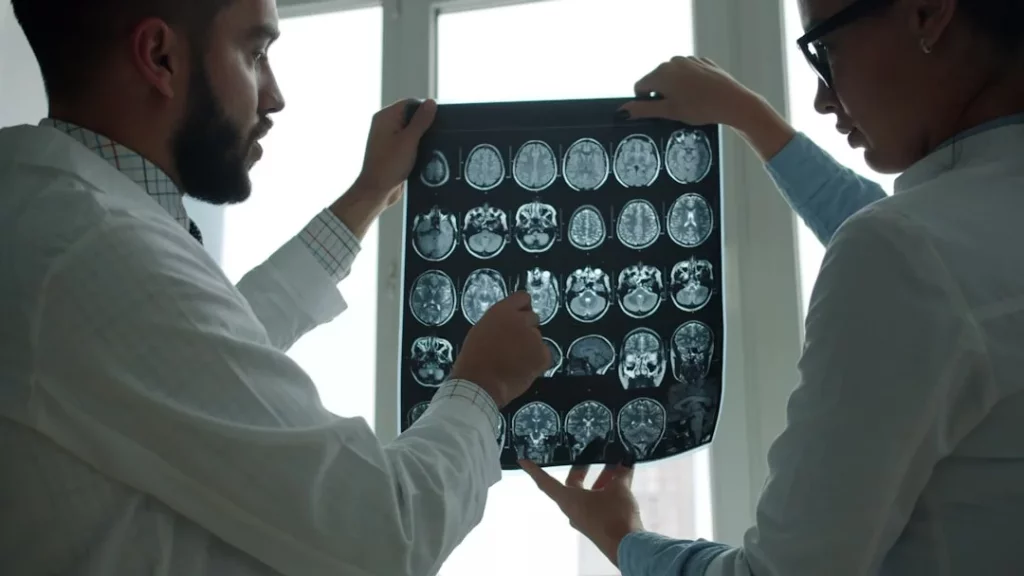
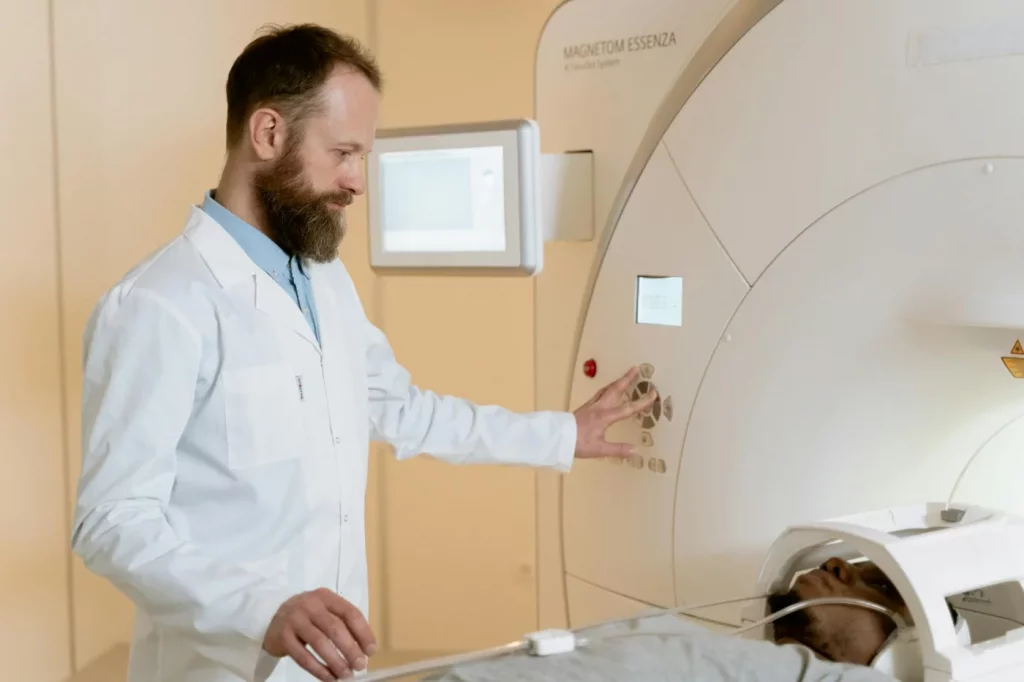
No — if you’re wondering do we use only 10 percent of our brain, the short answer is no. Humans do not use just 10 percent of the brain, and neuroscience has shown for decades that nearly all brain regions have known jobs, even if different networks turn up or quiet down depending on what you’re doing. And no, “using the whole brain at once” isn’t the goal either; that would be inefficient, and in some cases dangerous.
So why does this myth stick around? Probably because it sounds exciting. If you’ve ever heard someone ask, “do humans only use 10 percent of their brain?” or point to a movie and wonder what if you use 100 percent of your brain movie style, you’re not alone. The real picture is more interesting: your brain is only about 2 percent of your body weight, yet it uses roughly 20 percent of your energy at rest, which is one reason the human brain’s energy demands and structure matter so much when judging claims like this.
In this article, you’ll get a clear answer to three questions people constantly mix up: whether we use all brain regions over time, whether we use the whole brain at once, and how much of our brain we use consciously. We’ll also cover where the 10 percent brain myth came from, why lesion studies, fMRI, and PET scans make it hard to defend, and what actually helps your brain improve — things like practice, sleep, and adaptation, not hidden reserves you need to unlock. If you’re more interested in real change than motivational slogans, start with how to increase neuroplasticity in adulthood and, speaking of popular myths, whether learning styles actually exist.
Personally, I think this is the part most people get wrong. I’m a software engineer, not a neuroscientist, but after building FreeBrain tools for self-learners, I’ve learned to trust evidence over catchy brain myths — and this one falls apart fast once you separate hype from how the brain actually works.
📑 Table of Contents
- Do We Use Only 10 Percent of Our Brain?
- What Brain Science Actually Shows
- What to Do Instead of Chasing 100%
- Frequently Asked Questions
- Why do people say we only use 10 percent of our brain?
- Where did the 10 percent brain myth come from?
- Do we use 100 percent of our brain over time?
- How much of our brain do we use consciously?
- Does your brain use 20 percent of your energy?
- What does the movie idea about using 100 percent of the brain get wrong?
- Conclusion
Do We Use Only 10 Percent of Our Brain?
That claim shows up everywhere, so let’s clear it up fast. No: humans do not use only 10 percent of the brain. Nearly all brain regions have known functions, but different networks ramp up or quiet down depending on what you’re doing. For more on memory and brain health, see our memory and brain health guide.

Short answer: no
If you’re wondering, do we use only 10 percent of our brain, the plain-English answer is no. Speaking, reading, walking, and even recognizing a familiar face recruit multiple systems across the cortex and deeper brain structures.
But wait. “Using your whole brain over time” is not the same as “maxing out every region at the same moment.” That’s the distinction most people miss. Real improvement comes from training and adaptation, not unlocking dormant tissue, which is why articles on how to increase neuroplasticity in adulthood are more useful than pop-brain slogans.
What’s true instead
Different regions do different jobs, and activity shifts constantly. Even at rest, your brain stays busy through baseline activity and large-scale networks described in the default mode network overview.
- You use different brain regions across the day.
- You do not use all regions equally at once.
- Conscious thought is only part of total brain activity.
So how much of our brain do we use consciously? Only a slice of total processing. A lot happens outside awareness, from balance and breathing to prediction and memory integration.
Why this myth sounds believable
Personally, I think this myth sticks because it feels exciting. It suggests hidden power waiting to be unlocked. And yes, that’s more emotionally appealing than basic biology.
But the biology is brutal to the myth: the brain is about 2% of body weight yet uses roughly 20% of the body’s energy at rest, as summarized by the National Center for Biotechnology Information on brain energy use. Keeping 90% useless tissue would make little evolutionary sense. FreeBrain takes an evidence-based approach to learning and brain topics, not pop psychology; as a software engineer building learning tools, I trust testable explanations more than motivational myths. Speaking of which — if you like myth-busting, see our piece on do learning styles actually exist.
This article is educational, not medical advice. If you have memory, cognition, or neurological concerns, talk with a qualified clinician. Next, let’s look at what brain science actually shows from imaging, lesion evidence, and energy use.
What Brain Science Actually Shows
So here’s the short answer: no, do we use only 10 percent of our brain isn’t supported by neuroscience. Real improvement comes from adaptation and practice, not unlocking “unused” tissue — which is much closer to how you increase neuroplasticity in adulthood.

Scans show activity across the brain
fMRI brain scans track blood-flow changes, while PET scans brain activity by measuring metabolism. Different tasks light up different networks: reading uses visual areas plus language systems, and reaching for a cup recruits motor planning, vision, balance, and sensory feedback.
And even at rest, your brain stays active. Research summaries from Harvard Medical School on the 10 percent brain myth explain that widespread activity is normal, not rare. That doesn’t mean every neuron fires at once. It means brain imaging evidence shows many regions contribute over time.
Injuries reveal that brain tissue matters
Lesion studies are blunt but convincing. Small strokes can disrupt speech, movement, attention, memory, or personality; damage near Broca’s area can impair speech production, and injury in visual pathways can affect sight. If 90% were idle, losing tiny patches of tissue shouldn’t cause such specific deficits.
Where the 10 percent story came from
Where did the 10 percent brain myth come from? Probably a messy mix of misquotes, oversimplified early psychology, self-help hype, and pop culture repetition. Einstein often gets dragged into it without good evidence, and movies like Lucy turn fiction into fake neuroscience. Same pattern as other sticky myths, which is why it helps to ask do learning styles actually exist.
Common mistakes to avoid
- Not being conscious of a process doesn’t mean you’re not using that brain system.
- “Using 100%” at one moment wouldn’t be a superpower; abnormal overactivity can be harmful.
- Your brain does use about 20% of your body’s energy, but that doesn’t prove hidden reserves waiting for hacks.
📋 Quick Reference
Best evidence against the myth: scans show distributed activity, resting brains are still active, and small injuries can cause major deficits. So if you’re asking, do we use only 10 percent of our brain, the evidence-based answer is no.
Which brings us to the useful question: if you can’t unlock 90% more brain, what should you actually do instead?
What to Do Instead of Chasing 100%
So here’s the practical shift. The useful question isn’t “do we use only 10 percent of our brain” but how to improve performance through training, recovery, and better conditions.
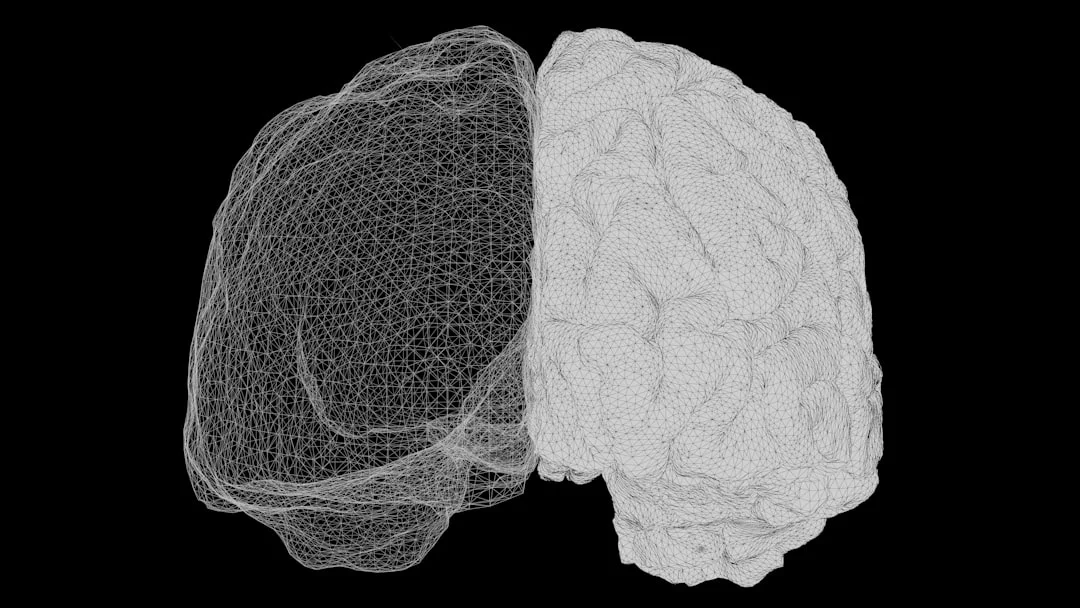
Do we use 100 percent over time?
Over time, yes: essentially all brain regions have jobs and come online across different tasks, sleep stages, and states. But no, we do not and shouldn’t use every area at maximum intensity at once. Healthy brains work through selective activation and inhibition.
Think of it like a city. It uses all neighborhoods over a day, but not every building runs at full power at the same moment. That’s also the clean answer to “do we use 100 percent of our brain” and “can humans use 100 of their brain.”
How much is conscious?
Less than most people think. A lot of brain activity stays outside awareness: posture control, filtering background noise, predicting what comes next, and driving a familiar route while your mind drifts. Even mind-wandering reflects real activity in the brain’s default mode network, while attention networks handle goal-focused tasks.
5 steps that actually help your brain
How to improve cognitive performance
- Step 1: Protect sleep. Memory consolidation depends on it.
- Step 2: Use retrieval practice and spaced repetition instead of rereading.
- Step 3: Train specific skills with feedback; gains are task-linked.
- Step 4: Manage chronic stress, which can hurt attention and memory.
- Step 5: Move regularly and support brain health with basics, not hype.
After building FreeBrain tools, I’ve noticed the same pattern again and again: repetition, feedback, and consistency beat “unlock your brain” promises. If you want realistic change, start with habits that increase neuroplasticity in adulthood.
Quick version: unconscious processing still counts, and better brain efficiency comes from systems, not myths. Next, let’s wrap up the biggest questions people still ask.
Frequently Asked Questions
Why do people say we only use 10 percent of our brain?
When people ask why do people say we only use 10 percent of our brain, the short answer is this: the idea probably spread through misquotes, oversimplified psychology, and decades of self-help repetition rather than real neuroscience. It sticks because it feels hopeful, simple, and memorable — as if 90% of your potential is just sitting there waiting. But the evidence doesn’t support the claim that do we use only 10 percent of our brain is a real biological fact; brain imaging and clinical neurology both show that much more of the brain is active and useful across everyday life.
Where did the 10 percent brain myth come from?
If you’re wondering where did the 10 percent brain myth come from, the most likely answer is a mix of historical misunderstandings, misattributed quotes, and popular media retelling the story until it sounded true. Some versions get linked to William James or early brain research, but there is no accepted neuroscience source showing humans use only 10% of the brain. For a solid evidence-based overview, the history of the ten percent myth is well documented, and it matches what neurologists have been saying for years: the myth survives because it’s catchy, not because it’s correct.
Do we use 100 percent of our brain over time?
Yes — if by do we use 100 percent of our brain you mean over time, across different tasks, moods, and states like sleep, focus, movement, and memory. Nearly all brain regions have known or strongly suspected functions, and different networks come online depending on what you’re doing. But no, you do not want every area firing at maximum intensity all at once; healthy brain function depends on selective, coordinated activity, not full-throttle activation everywhere.
How much of our brain do we use consciously?
The answer to how much of our brain do we use consciously is: only part of total brain activity reaches conscious awareness. A huge amount of processing happens automatically, including sensory filtering, balance, movement timing, emotional tagging, and the background activity of large-scale networks when you’re resting. So when people ask, do we use only 10 percent of our brain, they’re often mixing up conscious awareness with total brain use — and those are not the same thing.
Does your brain use 20 percent of your energy?
Yes, the common estimate is that the brain uses a disproportionately large share of the body’s energy at rest, often around 20%, even though it makes up only a small fraction of body weight. That’s because your brain is always active: maintaining cells, sending signals, and managing ongoing processes even when you’re not “thinking hard.” If you want a deeper explanation of how mental effort and brain energy actually work, see our breakdown of whether studying burns calories — and no, this energy use does not mean hidden superpowers are waiting to be unlocked.
What does the movie idea about using 100 percent of the brain get wrong?
When people search what if you use 100 percent of your brain movie, they’re usually picturing the brain like a hidden capacity meter that can jump from 10% to 100%. That’s the part movies get wrong. In real neuroscience, better performance comes from learning, plasticity, sleep, practice, and health habits — not from activating every region at once — and resources like the National Institute of Neurological Disorders and Stroke explain brain function in terms of specialized systems, not unused reserves.
Conclusion
So here’s the practical bottom line: no, do we use only 10 percent of our brain isn’t a real scientific question so much as a persistent myth. What actually helps is simpler and more useful. First, stop chasing “unused brain power” and focus on habits that improve how well your brain works now: consistent sleep, regular exercise, active recall, and spaced repetition. Second, remember that different brain networks turn on for different tasks, which means better performance usually comes from training, recovery, and attention control — not from “unlocking” some hidden reserve. Third, be skeptical of products or advice built around the 10% claim. And fourth, put your energy into systems you can repeat daily, because that’s where real cognitive gains tend to come from.
If you’ve ever believed this myth, you’re not alone. A lot of smart people have. Personally, I think the good news is better than the myth anyway: your brain isn’t mostly sitting idle, and that means you don’t need magic to improve it. You need practice, rest, and a method that fits your life. Small changes count. A better study session, one more night of solid sleep, or a more focused review routine can add up faster than most people expect.
Want to turn this into action? Keep going on FreeBrain.net with How to Study Effectively and Spaced Repetition. If you came here wondering, “do we use only 10 percent of our brain,” now you’ve got a much better question to ask: how can I use my brain more skillfully today? Start there, and build from what actually works.