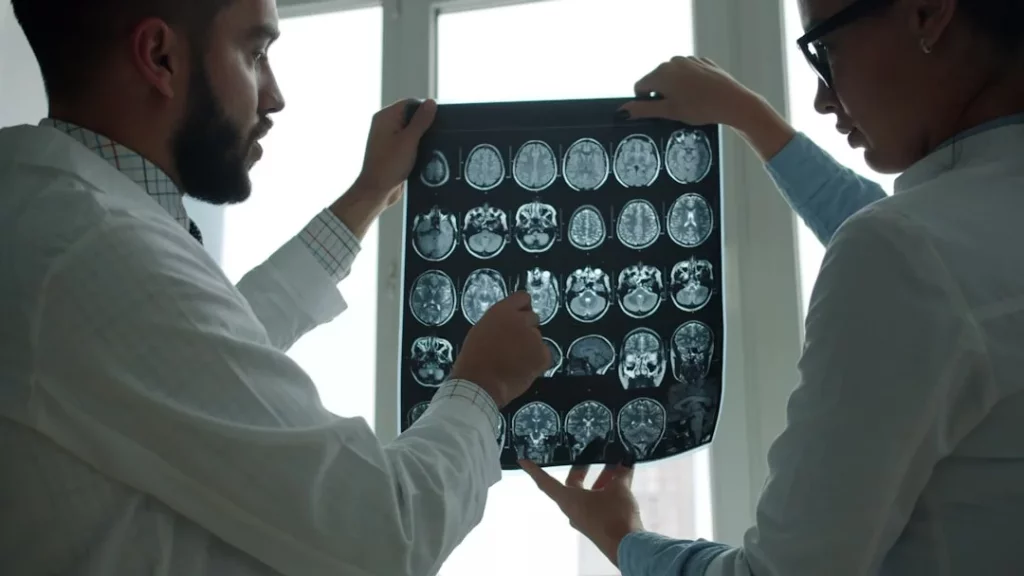
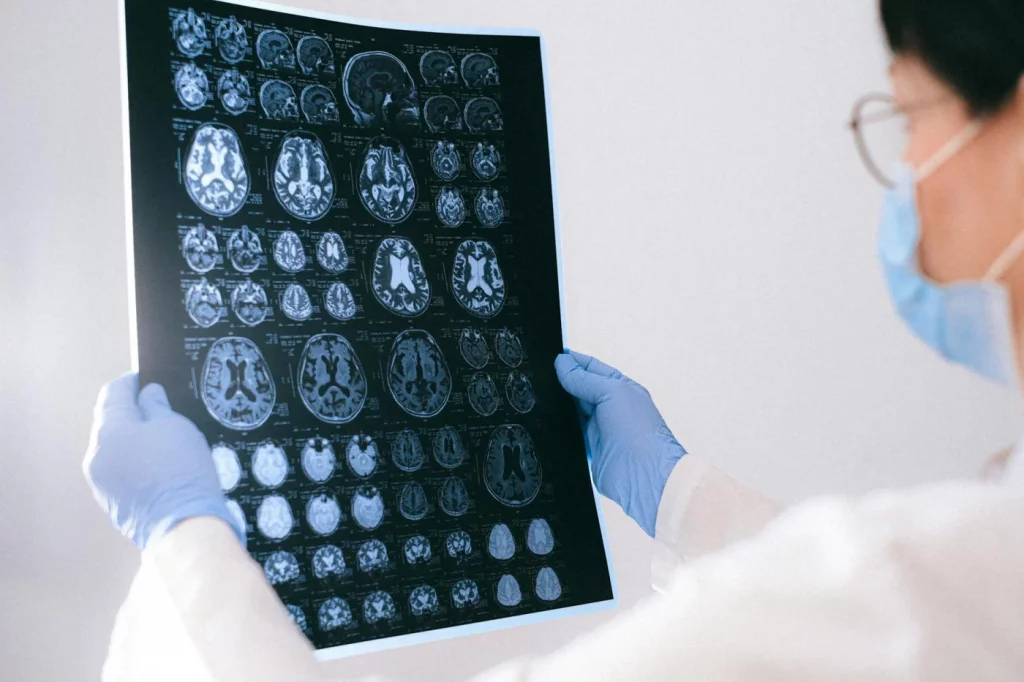
If you’re wondering about the brain recovery from alcohol timeline, the short answer is yes: your brain can recover to a meaningful degree after alcohol use, but the pace isn’t the same for everyone. A realistic brain recovery from alcohol timeline depends on the amount and duration of drinking, your age, sleep, nutrition, mental health, and whether withdrawal or other medical issues are involved.
That matters because interest in addiction and brain health has surged for a reason. Stress is high, dopamine-driven habits are everywhere, and a lot of people are asking the same uneasy question: “Did I do permanent damage, or can my brain actually heal?” Evidence from the National Institute on Alcohol Abuse and Alcoholism on the cycle of alcohol addiction suggests recovery is real, but it unfolds in stages rather than all at once.
In this article, I’ll break down the brain recovery from alcohol timeline in plain English. You’ll see what alcohol changes in the brain, how recovery tends to unfold over days, weeks, months, and longer, and which actions have the strongest evidence for supporting healing — from sleep and treatment to exercise, nutrition, and routines that help improve brain function and memory.
And I want to be clear about one thing up front: alcohol withdrawal can be medically dangerous. This article is educational, not medical advice, and if you’re worried about withdrawal symptoms, relapse risk, or severe fatigue, get help from a qualified clinician rather than trying to reset your brain without sleeping or push through it on your own.
I’m a software engineer, not a neuroscientist — but I spend a lot of time translating peer-reviewed research into practical systems people can actually use. So here’s the deal: this guide won’t stop at vague dopamine talk. It’ll show you a usable brain recovery from alcohol timeline, compare alcohol with other substances where it helps, and give you concrete next steps based on what the evidence actually supports.
📑 Table of Contents
- Quick Answer: Brain Recovery From Alcohol Timeline and What to Expect
- What Is the Neuroscience of Addiction? Brain Circuits Behind Recovery
- How the Brain Recovers: Brain Recovery From Alcohol Timeline by Days, Weeks, Months, and Years
- Addiction Recovery Timeline by Substance Type: Alcohol, Opioids, Stimulants, Cannabis, and Nicotine
- How to Support Brain Recovery After Quitting Alcohol: 7 Evidence-Based Steps
- Common Mistakes in the Brain Recovery From Alcohol Timeline, Latest Research, and When to Seek Help
- Frequently Asked Questions
- Conclusion
Quick Answer: Brain Recovery From Alcohol Timeline and What to Expect
So here’s the short version after the introduction: yes, meaningful recovery is often possible. But the brain recovery from alcohol timeline varies a lot based on age, dose, years of heavy use, sleep, mental health, other health conditions, and whether you have treatment and social support. For more on memory and brain health, see our memory and brain health guide.
One big caution first. Alcohol and sedative withdrawal can be medically dangerous, especially in the first 6-72 hours, so this section is educational rather than medical advice. If you want practical brain-health support alongside treatment, FreeBrain has guides to improve brain function and memory and even ways to reset your brain without sleeping—though that second resource is not a substitute for real sleep or medical care.
In this article, you’ll get three things: what addiction changes in the brain, a realistic alcohol recovery timeline, and which supports have strong, moderate, or still-emerging evidence. At a glance, the brain recovery from alcohol timeline often looks like this:
- First 72 hours: withdrawal risk is the main issue
- Weeks 2-4: early changes in sleep, anxiety, and mood may show up
- Months 1-6: attention and emotional regulation may improve
- Months 6-12: some people regain steadier planning, impulse control, and mental flexibility
Short answer in plain English
Can the brain recover from addiction? Often, yes. Research on alcohol withdrawal and recovery in the NCBI Bookshelf and brain imaging studies suggests that brain recovery after quitting alcohol can be substantial, especially with sustained abstinence and treatment.
But wait. “Recovery” doesn’t mean every function snaps back on the same schedule. In people in recovery, sleep, reaction time, and emotional stability may improve earlier, while working memory, decision-making, and stress tolerance can lag behind. That’s why the brain recovery from alcohol timeline is better understood as phases, not a single deadline.
This is the part most people get wrong: some deficits may persist, especially after long-term heavy use, repeated withdrawals, or co-occurring depression, trauma, or liver disease. And for a person with substance use disorder, practical scaffolding matters while the brain is still healing—simple systems like notes, reminders, and routines from guides on how to build a second brain can reduce cognitive load during early recovery.
Important safety note before the timeline
Before we walk through the brain recovery from alcohol timeline, safety comes first. Delirium tremens, seizures, confusion, severe tremor, hallucinations, and unstable vital signs are urgent warning signs that need medical care right away.
If you’re worried about withdrawal symptoms from alcohol or sedatives, consult a qualified clinician. Guidance from the National Institute on Alcohol Abuse and Alcoholism is clear on this point: this article won’t give detox instructions or medication dosing.
Which brings us to the next question: what, exactly, does addiction change in the brain in the first place?
What Is the Neuroscience of Addiction? Brain Circuits Behind Recovery
Now that we’ve covered the quick overview, it helps to ask what’s actually changing inside the brain during the brain recovery from alcohol timeline. The short answer: addiction isn’t just “too much dopamine.” It’s a whole-brain learning and stress problem that gradually reshapes motivation, memory, habits, and self-control.
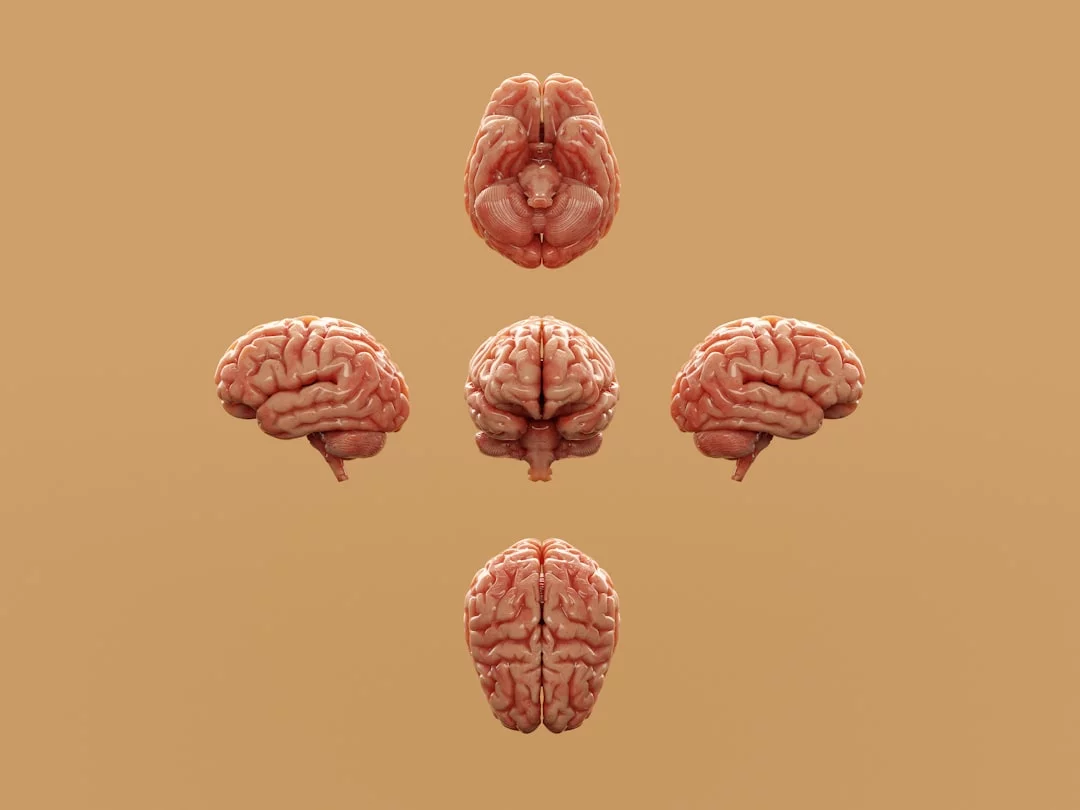
Research summaries from the National Institute on Drug Abuse’s science of addiction overview and the National Institute on Alcohol Abuse and Alcoholism point to a three-stage cycle: binge/intoxication, withdrawal/negative affect, and preoccupation/anticipation. That model matters because the brain recovery from alcohol timeline reflects recovery across all three stages, not just the reward system. And yes, if you’re also trying to improve brain function and memory, this broader view explains why progress can feel uneven at first.
📋 Quick Reference
Addiction neuroscience in one sentence: alcohol use disorder affects reward, stress, memory, habit, and executive control circuits at the same time.
- Binge/intoxication: reward and salience circuits reinforce repeated drinking.
- Withdrawal/negative affect: stress systems become more reactive, and not drinking feels worse.
- Preoccupation/anticipation: cues, memories, and weakened control increase craving and relapse risk.
No single area explains addiction by itself, which is why the brain recovery from alcohol timeline can include mood, sleep, attention, and craving changes all at once.
Reward, stress, and executive control circuits
If you’re wondering what causes addiction in the brain, start with dopamine — but don’t stop there. Dopamine works more like a teaching signal for salience and learning than a simple “pleasure chemical.” It helps the brain tag alcohol-related cues as important, worth repeating, and hard to ignore.
Then stress systems get involved. During withdrawal and early recovery, evidence summarized by NIAAA and the NCBI overview of the neurobiology of substance use disorders suggests the brain becomes more reactive to discomfort, threat, and negative emotion. That’s one reason the brain recovery from alcohol timeline often includes irritability, tension, and strong cue-triggered urges.
And the prefrontal cortex? That’s your planning, inhibition, and “think ahead” system. When it’s underpowered, you may know exactly what to do but still struggle to do it in the moment. Personally, I think this is the part most people get wrong: insight and control are related, but they aren’t the same thing. If fatigue is making that worse, some people look for ways to reset your brain without sleeping, though that’s support for alertness at best, not a substitute for sleep, treatment, or medical care.
What parts of the brain are involved in addiction?
So, what part of the brain is responsible for addiction? Well, actually, no single part is. The brain reward pathway matters, but addiction is a network problem.
| Brain region | Main role | How it affects recovery |
|---|---|---|
| Prefrontal cortex | Planning, inhibition, decision-making | Makes it harder or easier to resist urges and follow long-term goals |
| Nucleus accumbens | Reward salience, motivation | Helps alcohol cues feel attention-grabbing and urgent |
| Amygdala | Threat, emotion, emotional learning | Links stress and negative feelings to craving and relapse risk |
| Hippocampus | Memory, context | Stores where, when, and with whom drinking happened |
| Dorsal striatum | Habits, automatic responding | Shifts behavior from deliberate choice to routine cue-driven action |
Here’s how that looks in real life. You finish work, walk past a bar, hear ice hitting a glass, and suddenly want a drink. That urge may come less from conscious intent and more from learned associations stored across reward, memory, and habit circuits — a pattern that has some overlap with other cue-heavy loops, including digital behavior, which is why I sometimes point readers to ideas like a digital detox for students when talking about environment design.
- Choice-driven behavior is slower and more deliberate.
- Cue-driven behavior is faster and more automatic.
- Repeated alcohol exposure can push behavior toward habit-driven responding.
That shift is a big reason the brain recovery from alcohol timeline isn’t just about “feeling normal again.” It’s also about weakening old cue-response links while strengthening new routines.
Why addiction is more than low willpower
What is addiction neuroscience really saying? That addiction is a disorder of learning, motivation, stress, and self-control circuits. Knowing what to do is not the same as having full access to the brain systems that support doing it consistently.
That framing matters because it reduces shame. And when shame drops, treatment engagement often improves. I’m a software engineer, not a neuroscientist, but after building behavior tools, I’ve seen the same pattern again and again: people do better when they stop treating every lapse as a moral failure and start treating recovery as retraining the brain. Using external reminders and simple planning systems, like ideas from how to build a second brain, can help while executive function is still catching up during the brain recovery from alcohol timeline.
Which brings us to the practical question: how does this play out over days, weeks, months, and years in the brain recovery from alcohol timeline?
How the Brain Recovers: Brain Recovery From Alcohol Timeline by Days, Weeks, Months, and Years
Now we can translate the circuitry into something more practical: time. A realistic brain recovery from alcohol timeline isn’t linear, but patterns do show up often enough to be useful.
And yes, the brain can recover to a meaningful degree after heavy alcohol use. Supportive habits that improve brain function and memory can help, but the brain recovery from alcohol timeline still depends on severity, duration, age, sleep, nutrition, mental health, and whether withdrawal is medically managed.
📋 Quick Reference
| Domain | Days 1-3 | Weeks 1-4 | Months 1-6 | 6+ months |
|---|---|---|---|---|
| Sleep | Often worse | Still unstable | Gradual improvement | More consistent for many |
| Mood | Anxiety, irritability | Ups and downs | Better regulation | Often steadier |
| Craving | Can spike sharply | Triggered by cues | Less constant, still stress-sensitive | Usually less frequent, not always gone |
| Attention | Foggy | Variable | Often improving | Can recover substantially |
| Memory | Weak encoding | Fewer blackouts, recall still patchy | Working memory may improve | Partial recovery common |
| Brain structure | No quick visible change | Functional recovery starts first | Some repair processes continue | Imaging may show partial recovery |
First 72 hours and first month
The first part of the brain recovery from alcohol timeline is usually the roughest. In the first 72 hours, withdrawal risk may peak, sleep often gets worse before it gets better, and anxiety, sweating, tremor, fast heart rate, and agitation can rise rather than fall.
That surprises people. They stop drinking, expect instant clarity, and instead feel wired, tired, and emotionally raw.
Some early wins do happen. Better hydration, fewer blackouts, steadier mornings, and less sedation can show up quickly during brain recovery after quitting alcohol, even while concentration and sleep are still a mess. If fatigue is brutal, you can try small daytime recovery supports like this guide on how to reset your brain without sleeping, but it isn’t a substitute for actual sleep or medical care.
Research from the National Institute on Alcohol Abuse and Alcoholism explains that alcohol disrupts sleep architecture and withdrawal can temporarily intensify that disruption, which is why “I quit but I sleep worse” is common, not strange: NIAAA guidance on alcohol and sleep.
- Fatigue doesn’t mean recovery is failing.
- Irritability doesn’t mean your brain is broken.
- Poor focus in week 2 can still be normal.
One to six months
This is where the brain recovery from alcohol timeline gets more encouraging. As neuroplasticity keeps working, many people notice better attention, improved working memory, and less emotional volatility over months 1 to 6, though dopamine recovery after addiction is gradual rather than sudden.
But wait. Progress isn’t smooth. Stress, sleep loss, conflict, and cue exposure can temporarily bring back craving and brain fog even when the larger trend is positive.
Personally, I think this is the part most people get wrong. They assume one bad week means they’ve “reset backward,” when it’s often just a stress spike layered on top of real healing.
Adolescents may have a harder road than adults because the brain is still developing, especially in systems tied to impulse control and reward learning. Evidence reviewed in the NCBI chapter on alcohol and the adolescent brain suggests younger brains can be more vulnerable to lasting effects from heavy alcohol exposure.
And if executive function is still shaky, offload it. Simple external systems like how to build a second brain can reduce missed tasks, forgotten appointments, and the mental load that often fuels relapse risk.
Six to twelve months and beyond
So, how long does brain recovery take after addiction? The honest answer is that the later brain recovery from alcohol timeline can stretch into a year or longer. Some imaging studies suggest partial recovery in brain volume and white matter integrity with sustained abstinence, but not everyone returns to the same baseline, especially after severe or long-duration alcohol use.
The brain in recovery responds to conditions, not just time. Treatment engagement, abstinence duration, therapy, social support, exercise, and mental health care all influence long-term outcomes.
Relapse should be taken seriously, but it isn’t moral failure. It’s data. What cue, stressor, sleep problem, or environment pushed the system off track?
Which brings us to the next question: how does this timeline compare with opioids, stimulants, cannabis, and nicotine?
Addiction Recovery Timeline by Substance Type: Alcohol, Opioids, Stimulants, Cannabis, and Nicotine
If the last section gave you the brain recovery from alcohol timeline in detail, this section widens the lens. Because the honest answer is this: there isn’t one universal addiction recovery timeline by substance type, and the brain recovery from alcohol timeline doesn’t map neatly onto opioids, stimulants, cannabis, or nicotine.
Withdrawal and brain healing aren’t the same thing. You can be past the worst physical symptoms and still have weeks or months of sleep disruption, low motivation, or foggy thinking. If you’re also trying to improve brain function and memory, that distinction matters a lot.
Substance-specific recovery windows
Here’s the SERP gap most articles miss: they either cover one drug at a time or blur acute withdrawal with long-term brain recovery. But wait. Those are different clocks, and the brain recovery from alcohol timeline is a good example of why you need both.
Research suggests rough recovery windows vary by substance, dose, duration, age, and whether other conditions are involved. And yes, polysubstance use, trauma, depression, anxiety, and untreated sleep disorders can stretch any timeline.
| Substance | Withdrawal onset / peak | Common cognitive effects | Rough recovery window |
|---|---|---|---|
| Alcohol | 6-24 hours onset; often peaks 24-72 hours | Poor sleep, irritability, slower processing, weaker executive function | Days for acute symptoms; months for sleep, mood, and planning to improve |
| Opioids | Hours to 1 day onset; peaks around 2-4 days for short-acting drugs | Low reward sensitivity, dysphoria, attention problems, stress reactivity | Acute withdrawal in days; mood and reward-system recovery can take months |
| Stimulants | Crash often begins within hours; worst symptoms in first several days | Anhedonia, low drive, poor focus, emotional flatness | Crash in days; motivation and pleasure can stay blunted for weeks or longer |
| Cannabis | Usually 1-3 days onset; peaks around days 2-6 | Sleep disruption, attention dips, memory inefficiency, irritability | Many symptoms improve over 2-6 weeks; some cognitive effects may linger longer in heavy users |
| Nicotine | Hours after stopping; often peaks in first few days | Irritability, restlessness, attention disruption, strong cue-driven craving | Physical withdrawal often eases in weeks; cue-triggered relapse risk can last much longer |
Alcohol needs a special warning. The brain recovery from alcohol timeline includes a dangerous withdrawal phase for some people, including seizure and delirium tremens risk, so sudden cessation after heavy use can require medical supervision; NCBI’s overview of alcohol withdrawal syndrome is a solid evidence-based summary. And no, trying to reset your brain without sleeping won’t replace real sleep or medical care.
Dopamine recovery after addiction
Why can life feel gray after quitting? Usually not because your brain is “broken forever,” but because reward circuits adapted to repeated substance exposure and need time to recalibrate.
Dopamine recovery after addiction is part of the story, especially for stimulants and opioids, but it’s not the whole story. Stress systems, habits, sleep, learning, and cue reactivity all matter too. That’s also why the brain recovery from alcohol timeline can include low mood and low drive even after withdrawal ends.
For opioids, one of the hardest parts of how the brain recovers from opioid addiction is prolonged dysphoria: less pleasure from normal rewards, more sensitivity to stress, and a strong pull toward relief. For stimulants, the early “crash” can shift into weeks of anhedonia and motivation problems. Does the brain ever fully recover from addiction? Often, function improves substantially, but the pace depends on severity, relapse history, and support.
Real-World Application: returning to work, study, and daily routines
Now this is where it gets practical. The brain in recovery often handles normal workloads badly at first: slower processing speed, shorter attention span, more emotional reactivity, and weaker working memory. So if your to-do list suddenly feels twice as hard, that’s common.
- Use shorter focus blocks instead of marathon sessions.
- Externalize memory with notes, reminders, and recurring checklists.
- Reduce friction: same wake time, same meal plan, same work-start routine.
From experience building FreeBrain tools, people do better when they stop forcing everything through willpower. If executive function is still rebuilding, systems help. That’s where how to build a second brain becomes more than a productivity idea; it becomes recovery support.
The brain recovery from alcohol timeline, and really any brain recovery after addiction, is easier to live with when expectations match biology. Next, we’ll turn that into action with seven evidence-based ways to support recovery day by day.
How to Support Brain Recovery After Quitting Alcohol: 7 Evidence-Based Steps
The last section covered broad recovery windows by substance. Now let’s make the alcohol side practical, because the brain recovery from alcohol timeline isn’t just something you wait through — you can support it with specific habits and treatment choices.
If you want a broader guide to cognitive support while healing, FreeBrain has a useful resource on how to improve brain function and memory. That matters here, because brain recovery after quitting alcohol depends partly on lowering stress, protecting sleep, and rebuilding routines your brain can actually sustain.
7-step recovery support plan
How to support the brain recovery from alcohol timeline
- Step 1: Get medical guidance if withdrawal risk exists. Alcohol withdrawal can be dangerous, and severe cases can involve seizures or delirium tremens. If you’ve had heavy daily use, past withdrawal symptoms, or other medical conditions, talk to a qualified clinician before quitting abruptly.
- Step 2: Protect sleep and circadian rhythm. Fixed wake time beats a perfect bedtime. Research from the National Institute on Alcohol Abuse and Alcoholism shows sleep disruption can persist into recovery, so start small: wake at the same time daily, get morning light, and keep evenings boring.
- Step 3: Use movement to support mood and cognition. A 10-minute walk after dinner is enough to lower friction. Evidence from addiction treatment research suggests exercise can help mood, stress regulation, and executive function — not magic, but genuinely useful.
- Step 4: Reduce cue exposure and build replacement routines. Remove alcohol from the house, change the route past your usual store, and replace the “drink time” slot with tea, a shower, or a call. This is the part most people get wrong: willpower matters less than environment.
- Step 5: Use therapy and, when appropriate, medication-assisted treatment. Cognitive behavioral therapy, motivational interviewing, and contingency management all have evidence behind them. And medications for alcohol or opioid use disorder can be effective, but they should be discussed with a qualified clinician.
- Step 6: Improve nutrition and hydration. Early recovery often comes with dehydration, blood sugar swings, and poor appetite. Keep it simple: a water bottle in sight, protein at breakfast, and one reliable meal pattern you can repeat.
- Step 7: Build social and environmental support. Recovery sticks better when your surroundings stop fighting you. One therapy appointment, one sober contact, and one planning system can reduce overload fast.
So here’s the deal. If you rank these by evidence strength for the brain recovery from alcohol timeline, treatment engagement, sleep support, exercise, and social support sit at the top; nutrition quality and stress regulation are helpful with more moderate support; supplements and cold exposure are still mixed or emerging.
📋 Quick Reference
- Strong support: treatment engagement, therapy, sleep regularity, exercise, social support
- Moderate support: nutrition quality, hydration, stress regulation, planning systems
- Emerging or mixed: some supplements, cold exposure, biohacks marketed for “detox”
How does the brain recover from addiction in real life? Through neuroplasticity in addiction recovery, repeated low-risk routines teach the brain what “normal” looks like again. That’s why tiny examples matter: a hydration cue on your desk, a therapy appointment already booked, and a 10-minute walk you do even when motivation is low.
What improves first vs what can take longer
Some changes happen early. You may notice better hydration, fewer blackouts, less morning panic, and more stable energy before deeper cognitive gains show up on the brain recovery from alcohol timeline.
But wait. Longer-recovery areas often include sleep architecture, stress tolerance, working memory, and cue reactivity. Research suggests these systems can improve over months, not days, especially after long-term heavy use.
Personally, I think this framing helps people avoid a common trap: assuming slow progress means no progress. In reality, neuroplasticity in addiction recovery is uneven, and the brain recovery from alcohol timeline often improves in layers rather than in one clean line.
Mid-article CTA for practical support
If you’re rebuilding routines, reduce cognitive load on purpose. External systems for sleep, focus, and planning can help brain recovery after addiction, especially when your working memory still feels unreliable.
Use them as support tools, not treatment substitutes. A simple checklist, calendar block, or notes app can keep appointments, meals, and bedtime cues from living in your head while sleep and brain recovery are still fragile.
Next, we’ll cover the mistakes that can slow the brain recovery from alcohol timeline, what newer research is adding, and the signs it’s time to get more help.
Common Mistakes in the Brain Recovery From Alcohol Timeline, Latest Research, and When to Seek Help
The last section covered what helps. Now let’s look at what quietly gets in the way, because the brain recovery from alcohol timeline is often derailed by bad assumptions more than bad intentions.
And yes, this matters. If you expect recovery to feel linear, you can mistake normal setbacks for failure and make the brain recovery from alcohol timeline feel worse than it is.
Common mistakes and what to avoid
The biggest mistake is expecting one universal schedule. Research from NIAAA and NIDA suggests recovery varies by age, drinking history, sleep quality, nutrition, co-occurring mental health issues, and whether other substances are involved. So when people ask, “how long does brain recovery take after addiction?” the honest answer is: it depends on what functions you mean, and what support is in place.
Comparing your progress to someone else’s can backfire fast. One person’s attention improves in 3 weeks, another still feels foggy at 3 months, and both can be within a normal brain recovery from alcohol timeline.
- Treating cravings as failure: Cravings usually reflect learned cue-response patterns, stress, or sleep disruption, not weak character.
- Ignoring sleep problems: Early recovery often comes with fragmented sleep, vivid dreams, and circadian disruption, which can worsen mood and impulse control.
- Underestimating cue exposure: Bars, certain friends, payday routines, and even evening boredom can reactivate alcohol-seeking habits.
- Assuming motivation comes first: Usually, structure comes first. Motivation often returns after repeated low-friction routines are rebuilt.
- Relying on hacks over treatment: Cold exposure, supplements, or “dopamine reset” trends are not substitutes for evidence-based care.
- Missing stress buildup: Relapse risk often rises during stress, sleep loss, conflict, and environmental triggers, not only during obvious cravings.
This is the part most people get wrong. They wait to “feel ready” before rebuilding routines, when recovery usually works better the other way around: fixed meals, fixed wake time, planned support, reduced cue exposure.
If memory and focus still feel unreliable, use external supports instead of forcing it. A simple system to improve brain function and memory can reduce frustration while executive function is still catching up.
📋 Quick Reference
Avoid these traps: comparing timelines, treating cravings as moral failure, neglecting sleep, overtrusting motivation, and using low-evidence hacks instead of treatment.
Remember: the brain recovery from alcohol timeline is shaped by stress, cues, sleep, and consistency more than willpower alone.
Latest research on addiction recovery 2025
Here’s the careful version of the latest research on addiction recovery. Strong evidence supports behavioral treatment, medications for alcohol use disorder when appropriate, sleep stabilization, and social support. That’s still the foundation.
Emerging evidence is more interesting than definitive. Reviews in journals like PubMed, NIAAA, and NIDA point to brain imaging biomarkers, digital phenotyping, and precision treatment matching as promising areas in the latest research on addiction recovery 2025.
What does that mean in plain English? Researchers are studying whether scans, cognitive tests, sleep data, and phone-based behavior patterns might help predict relapse risk or match people to the right treatment faster. Useful? Potentially. Ready to replace standard care? Not even close.
- Strong evidence: medications, psychotherapy, contingency management for some substance use disorders, recovery support, and treatment of co-occurring conditions.
- Emerging evidence: imaging markers of prefrontal recovery, digital monitoring of stress and sleep, and more personalized treatment selection.
- Speculation or hype: claims that one scan, one supplement, or one “brain retraining” method can show whether someone is fully healed.
Now this is where it gets interesting. Newer neuroplasticity findings suggest the adult brain remains capable of meaningful repair and reorganization, but “does the brain ever fully recover from addiction” still doesn’t have one universal yes-or-no answer. Some functions recover substantially. Some vulnerabilities can linger, especially under stress or cue exposure.
When to seek professional help immediately + conclusion
Alcohol and sedative withdrawal can become dangerous quickly. Seek urgent medical help now for seizures, hallucinations, severe confusion, chest pain, suicidal thoughts, inability to keep fluids down, or rapidly worsening withdrawal symptoms.
If relapse risk feels high, or if you have a moderate to severe substance use disorder, get professional addiction treatment support. Personally, I think this is one of the most hopeful parts: substantial improvement is often possible, but support changes outcomes.
The brain recovery from alcohol timeline is real, but it’s not identical for everyone. Keep expectations flexible, treat sleep and stress as core recovery variables, and use practical supports for memory, focus, and routine-building. Which brings us to the final section: the most common questions, plus a simple wrap-up you can act on today.
Frequently Asked Questions
What is addiction neuroscience?
What is addiction neuroscience? It’s the study of how repeated substance use changes the brain systems involved in reward, stress, memory, habits, and executive control over time. And no, it isn’t just about dopamine, and it definitely isn’t just about willpower — the same framework that helps explain a brain recovery from alcohol timeline also looks at how the prefrontal cortex, amygdala, and learning circuits adapt in ways that can make stopping feel much harder than people expect.
What are the stages of addiction in neuroscience?
What are the stages of addiction in neuroscience? The most widely used model, described by researchers at the National Institute on Drug Abuse, includes three stages: binge/intoxication, withdrawal/negative affect, and preoccupation/anticipation. People don’t move through these in a neat straight line — they often cycle through them repeatedly, which is why a brain recovery from alcohol timeline or any other recovery timeline tends to be uneven rather than perfectly linear.
What part of the brain is responsible for addiction?
What part of the brain is responsible for addiction? Well, actually, no single brain area causes addiction on its own. Research points to a network that includes the prefrontal cortex for decision-making, the nucleus accumbens for reward, the amygdala for stress and emotion, the hippocampus for memory, and habit circuits in the dorsal striatum — and understanding that network is key when you look at a brain recovery from alcohol timeline and why different skills come back at different speeds.
Can the brain recover from addiction?
Can the brain recover from addiction? Yes, often to a meaningful degree, because the brain remains plastic and can rebuild healthier patterns with time, treatment, sleep, stress reduction, and consistent support. But recovery isn’t perfectly smooth, and some problems with attention, impulse control, or mood may last longer or persist, which is why any brain recovery from alcohol timeline should be treated as a guide rather than a guarantee; if symptoms are severe or worsening, consult a qualified healthcare professional.
How long does brain recovery take after addiction?
How long does brain recovery take after addiction? Early improvements can start within days to weeks, especially in hydration, alertness, and some aspects of sleep, but attention, mood stability, memory, and executive function often take months or longer to improve. The exact brain recovery from alcohol timeline depends on several factors: substance type, duration and severity of use, age, sleep quality, nutrition, co-occurring conditions, and whether you’re getting structured treatment or recovery support.
Does the brain ever fully recover from addiction?
Does the brain ever fully recover from addiction? Sometimes people recover a large share of their previous function, but not everyone returns fully to baseline, and that’s the honest answer. Long-term outcomes vary based on duration of use, severity, age, genetics, and co-occurring mental or physical health conditions, so a brain recovery from alcohol timeline should be viewed as individualized; for a research-based overview of neurobiology, see NIDA’s science of addiction resource.
How does dopamine change during addiction recovery?
How does dopamine change during addiction recovery? Early on, reward sensitivity and motivation can feel flat because dopamine systems are readjusting after repeated overstimulation, so normal activities may seem less satisfying for a while. But wait — dopamine is only one piece of the puzzle: a brain recovery from alcohol timeline also involves sleep repair, stress regulation, learning, and executive control, which is why progress can happen even before you feel consistently motivated again.
How does alcohol affect brain recovery?
How does alcohol affect brain recovery? Heavy or long-term alcohol use can disrupt sleep, memory, emotional regulation, and executive function, which can slow the brain recovery from alcohol timeline and make concentration or mood feel unpredictable in early recovery. And here’s the part most people underestimate: alcohol withdrawal can be dangerous and may require medical supervision, so if someone is stopping heavy drinking, they should speak with a qualified clinician; for practical support while rebuilding cognitive habits, you can also explore FreeBrain’s study and focus tools at FreeBrain.
Conclusion
The big takeaway from this brain recovery from alcohol timeline is pretty practical: think in phases, not overnight transformation. In the first days and weeks, your job is to protect sleep, hydration, nutrition, and safety. Over the next months, consistency matters more than intensity — regular exercise, stress management, social support, and avoiding “just one drink” thinking do more for recovery than chasing quick fixes. And if symptoms are severe, persistent, or feel medically risky, get professional help early rather than trying to tough it out alone.
Recovery can feel slow. Then suddenly, it doesn’t. That’s the part most people get wrong. Your brain recovery from alcohol timeline may not look perfectly linear, and setbacks don’t erase progress already made. Personally, I think it helps to treat recovery like rebuilding strength after an injury: steady reps, fewer self-judgments, and a longer view. If you’re in the messy middle right now, keep going — your brain is capable of change, and evidence suggests that meaningful healing can continue for months and even years.
Want to keep learning and build a plan you can actually follow? Explore more on FreeBrain.net, including how to improve memory and how to focus better. If this article helped, use it as a starting point, revisit the brain recovery from alcohol timeline when you need perspective, and take one concrete step today — protect your sleep, ask for support, and keep moving forward.