
If you’re looking for the best brain food for studying, the short answer is this: no single food will turn your memory on like a switch. But research most consistently supports a brain food for studying pattern built around fatty fish, berries, leafy greens, nuts, eggs, olive oil, legumes, and whole grains. And if you’ve been comparing food-first strategies with pills and powders, it’s worth understanding where the evidence is stronger than the hype around best brain supplements for adults.
Sound familiar? You eat a sugary snack before studying, feel sharp for 20 minutes, then crash halfway through your notes. A 2023 review in research on nutrition and cognitive health indexed by the National Library of Medicine points in the same direction many people miss: long-term eating patterns matter more than any trendy “superfood” when it comes to memory, focus, and brain aging.
So here’s the deal. This article will show you the 12 foods with the strongest evidence, explain why each one helps, and organize them by function — memory, concentration, blood sugar stability, and long-term brain protection. You’ll also get a quick summary table, direct answers to common questions like what fruit helps memory, practical picks for students and adults over 40, and a clear list of foods to limit if you want better results from your brain food for studying choices.
One important reality check: nutrition can support attention and memory, but it can’t replace sleep, movement, stress control, or medical care. If you’re exhausted, burned out, or trying to reset your brain without sleeping, food can help — just not fully compensate. I’m a software engineer, not a neuroscientist, but I spend a lot of time translating solid research into practical systems that help you brain food for studying smarter, not just harder.
📑 Table of Contents
- What is the best brain food for studying? Quick answer and what the evidence really says
- Quick comparison: 12 brain-boosting foods for students at a glance
- 12 best foods for brain health, focus, and brain food for studying
- How brain food for studying supports memory, concentration, and cognitive function
- Best diet for brain health and memory: step-by-step plan, real-world application, and common mistakes to avoid
- Brain food for studying before exams: quick reference, FAQs, and next steps
- Frequently Asked Questions
- Conclusion
What is the best brain food for studying? Quick answer and what the evidence really says
So here’s the short version after the intro: there’s no single miracle brain food for studying. The best evidence points to a pattern, not a magic ingredient — especially fatty fish, berries, leafy greens, nuts, eggs, olive oil, legumes, and whole grains within a Mediterranean- or MIND-style diet. For more on memory and brain health, see our memory and brain health guide.
That matters because a lot of “brain food for studying” advice mixes up short-term alertness with long-term brain health. Coffee may help attention within 30 to 60 minutes, while omega-3-rich fish and overall diet quality are more strongly linked with cognitive aging and brain maintenance over years, not overnight grade boosts. If you want the bigger picture, start with habits that improve brain function and memory, and be skeptical of supplement hype compared with food-first basics like these best brain supplements for adults.
And one more reality check: much of the evidence is observational, pattern-based, or drawn from systematic reviews, including research summarized by a review on nutrition and cognitive function in PubMed Central and the Harvard Nutrition Source page on the MIND diet. Food supports your brain, yes, but it doesn’t replace sleep, exercise, stress management, or medical care. If you have diabetes, food allergies, pregnancy, an eating disorder, GI issues, neurological conditions, or you’re recovering from a concussion, talk with a qualified healthcare professional or registered dietitian.
Quick answer: the top foods that deserve your attention
If you’re asking what are the top 5 brain foods, I’d start here: fatty fish, berries, leafy greens, walnuts, and eggs. These stand out because they deliver omega-3s, flavonoids, folate, vitamin K, polyphenols, and choline — nutrients repeatedly discussed in research on brain food for memory and concentration.
- Fatty fish: salmon, sardines, trout
- Berries: blueberries, strawberries, blackberries
- Leafy greens: spinach, kale, arugula
- Walnuts: easy source of healthy fats and polyphenols
- Eggs: rich in choline for brain function
Other strong brain-boosting foods for students include olive oil, legumes, whole grains, yogurt, seeds, dark chocolate, and tea. Personally, I think this is where “best foods for brain health and focus” gets more useful: build meals from these staples instead of chasing one trendy brain food for studying.
What makes a food good for brain function?
Four filters help. Nutrient density, blood sugar stability, anti-inflammatory profile, and real-life practicality. If a food supports steady energy, is easy to eat regularly, and fits your budget, it’s far more likely to help your brain food for studying plan actually stick.
Well, actually, foods that support heart and metabolic health often support brain function too. Which brings us to the next section, where we’ll compare 12 practical options for brain food for studying at a glance.
Quick comparison: 12 brain-boosting foods for students at a glance
If you want the short version, this is the skimmable list most readers actually need. Instead of chasing one perfect brain food for studying, it’s smarter to build a repeatable mix of foods that support alertness, steady energy, and long-term brain health.
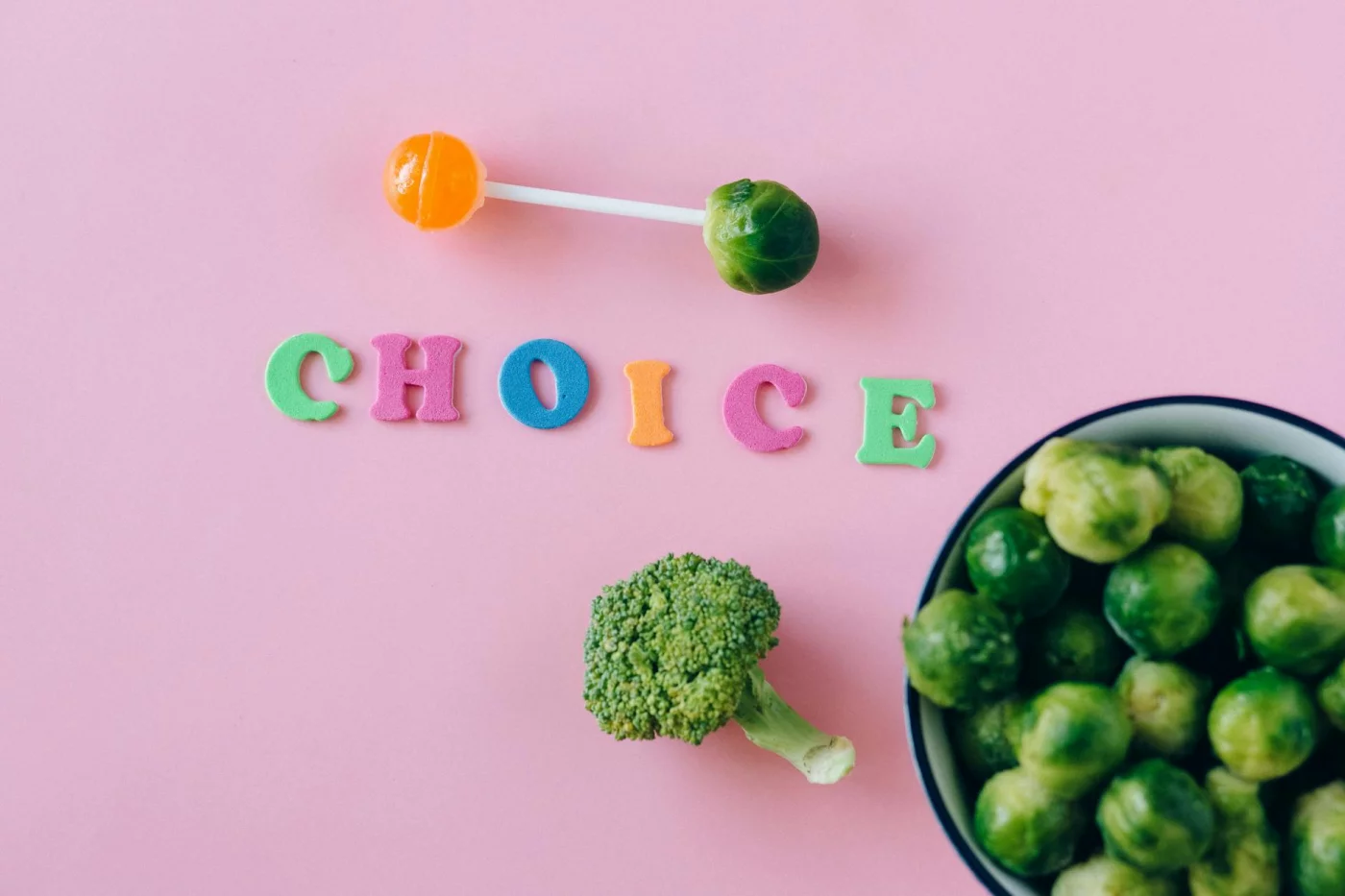
Food helps, but it’s only one piece. If you also want habits that improve brain function and memory, pair your meals with sleep, movement, and solid study methods; and if you’re comparing pills to real food, start with food first before reading about best brain supplements for adults.
Research patterns matter here. Evidence is strongest for Mediterranean-style and MIND-style eating patterns, with moderate support for individual foods, while the strongest short-term alertness evidence is still caffeine, according to a review on caffeine and cognitive performance in PubMed Central and research on the MIND diet and brain health.
📋 Quick Reference
Best shorthand for brain food for studying: pick one omega-3 source, one colorful plant food, one protein-rich food, one high-fiber carb, and one healthy fat across your day.
Best budget picks: oats, eggs, beans, lentils, frozen berries, canned salmon or sardines, and pumpkin seeds.
Best evidence split: strongest for overall diet patterns, moderate for single foods, strongest immediate focus effect from coffee or tea.
How to read the table without overthinking it
Here’s the practical rule: don’t obsess over exotic “superfoods.” The best brain food for studying is usually the food you’ll actually eat three to five times a week.
Personally, I think this is the part most people get wrong. They search for one miracle snack, then ignore the boring winners like eggs, oats, beans, and greens that show up again and again in the best foods for brain health and focus.
Use the table by building simple “functional buckets” into your week:
- Omega-3 source: fatty fish
- Colorful plant: berries or leafy greens
- Protein/choline source: eggs or yogurt
- High-fiber carb: oats, whole grains, beans, or lentils
- Healthy fat: olive oil, walnuts, or pumpkin seeds
That’s enough structure for most students. And yes, brain food for studying works better when your meals keep blood sugar steadier instead of swinging wildly from pastry to crash.
Best value picks if you’re busy or on a budget
If money or time is tight, start with the cheapest high-value foods. Oats, eggs, beans, lentils, frozen berries, canned fish, and pumpkin seeds give you a lot of brain food for memory and concentration without wrecking your grocery budget.
OK wait, let me back up. “Budget” doesn’t mean low quality. Canned salmon or sardines are often the easiest low-cost omega-3 option, frozen berries are usually cheaper than fresh, canned beans save prep time, and plain oats are still one of the best foods for brain health and memory per dollar.
Meal prep once or twice per week, and you’re set. Think overnight oats with berries, two eggs and toast, lentil bowls with olive oil, yogurt with seeds, or a tuna-and-bean lunch you can throw together in five minutes.
Food, key nutrient, brain benefit, easiest serving idea
This table is designed for quick scanning, featured snippet value, and real-life decisions. If you’re wondering what are the top foods for brain health, this is the shortlist I’d put near the top of any article because it answers the question fast.
| Food | Key nutrient | Likely brain benefit | Easiest serving idea |
|---|---|---|---|
| Fatty fish | Omega-3s DHA/EPA | Supports brain cell membranes; linked with better brain health patterns | 1 small can salmon or sardines |
| Berries | Flavonoids, polyphenols | May support memory and protect against oxidative stress | 1/2 cup frozen berries with yogurt |
| Leafy greens | Folate, vitamin K, lutein | Associated with healthy cognitive aging | 1-2 cups spinach in eggs or a wrap |
| Walnuts | ALA omega-3, polyphenols | Handy healthy fat for satiety and steady energy | 1 ounce walnuts |
| Eggs | Choline, protein, B vitamins | Supports neurotransmitter production and fullness | 2 eggs at breakfast |
| Olive oil | Monounsaturated fats, polyphenols | Core Mediterranean diet fat with stronger pattern support | 1 tablespoon on vegetables or beans |
| Beans/lentils | Fiber, iron, slow carbs | Helps stable energy for longer study blocks | 1/2 cup lentils or canned beans |
| Pumpkin seeds | Magnesium, zinc, iron | Useful mineral-dense snack for brain health | 2 tablespoons on yogurt or oats |
| Yogurt/fermented foods | Protein, probiotics | May support gut-brain pathways; good study snack base | 3/4 cup plain yogurt |
| Whole grains | Fiber, B vitamins, steady carbs | More stable fuel than refined snacks | 1 bowl oats or 2 slices whole-grain toast |
| Dark chocolate | Flavanols, a little caffeine | May modestly support mood and alertness | 1-2 squares dark chocolate |
| Coffee/tea | Caffeine, polyphenols | Strongest short-term alertness support | 1 cup coffee or tea |
One more thing. Brain food for studying isn’t about perfection; it’s about making the next meal slightly better than the last one. Which brings us to the obvious next step: let’s break down these 12 foods one by one and see what each actually does.
12 best foods for brain health, focus, and brain food for studying
That quick comparison is useful, but you probably want the practical version: what to buy, why it helps, and how to eat it before class or work. The best brain food for studying isn’t one magic item anyway — it’s a small group of foods that support attention, steadier energy, and long-term brain health better than hypey stacks from the best brain supplements for adults lists.
Personally, I think this is where most roundups fall short. They name foods, but they don’t tell you what nutrient matters, what the realistic effect is, or how to actually eat that brain food for studying on a Tuesday morning.
Omega-3 and choline standouts: fish, eggs, walnuts
If you want a strong starting point, begin with fish, eggs, and walnuts. These are some of the most practical picks for brain food for memory and concentration because they supply fats and nutrients your brain actually uses.
- Salmon: Key nutrients: DHA and EPA omega-3s. Support: DHA is a major structural fat in brain cell membranes, which helps signaling stay efficient. Best serving idea: canned salmon on whole-grain toast or a salmon packet with crackers. Evidence note: Harvard Health and NIH-backed reviews consistently link higher fish intake with better cognitive aging patterns.
- Sardines: Key nutrients: DHA, EPA, vitamin D, B12. Support: similar omega-3 benefits, often cheaper than salmon. Best serving idea: mash onto toast with olive oil and lemon. Evidence note: oily fish is among the best-studied foods for long-term brain health.
- Eggs: Key nutrient: choline. Support: choline helps make acetylcholine, a neurotransmitter involved in memory and learning. Best serving idea: 2 boiled eggs with fruit before class. Evidence note: eggs are one of the easiest whole-food choline sources.
- Walnuts: Key nutrients: ALA omega-3 and polyphenols. Support: useful plant option, though ALA conversion into DHA/EPA is limited. Best serving idea: a small handful with yogurt or oats. Evidence note: observational research often places nuts among the best foods for brain health and memory.
So, what is the healthiest food for your brain? Well, actually, no single winner exists. But oily fish has one of the strongest evidence bases, eggs are practical for choline, and walnuts are a solid backup when you want portable brain food for studying.
Colorful plants and steady-energy staples: berries, greens, legumes, whole grains
Now this is where it gets interesting. Berries and greens are more about dietary pattern quality over time, while legumes and whole grains help you stay mentally steady over the next few hours.
- Berries: Key nutrients: anthocyanins and other flavonoids. Support: may help protect brain cells from oxidative stress and support memory-related processes. Best serving idea: frozen blueberries in yogurt or oats. Evidence note: no, there isn’t a fruit that “restores memory,” but berries are among the best-studied fruits for brain health.
- Leafy greens: Key nutrients: folate, vitamin K, lutein. Support: associated with better long-term cognitive aging in dietary studies. Best serving idea: spinach in eggs or a prewashed salad with lunch. Evidence note: greens show up repeatedly in Mediterranean-style eating patterns tied to better brain outcomes.
- Beans and lentils: Key nutrients: fiber, slow-digesting carbs, iron, magnesium. Support: steadier glucose means fewer energy crashes. Best serving idea: lentil soup or beans in a rice bowl before an afternoon study block. Evidence note: this matters if you’ve wondered why you can’t focus after lunch.
- Whole grains: Key nutrients: fiber, B vitamins, slower-release carbs. Support: more stable energy than sugary snacks or refined pastries. Best serving idea: oatmeal, whole-grain toast, or brown rice leftovers. Evidence note: these are some of the best foods for brain health and focus during long work or study sessions.
Useful extras for real life: olive oil, seeds, yogurt, dark chocolate, coffee and tea
These foods matter, but not all in the same way. Olive oil, seeds, and yogurt support overall diet quality; coffee and tea mainly help short-term alertness, which is different from long-term brain health.
- Olive oil: Monounsaturated fats and polyphenols. Best serving idea: drizzle on greens or beans. Evidence note: a core part of Mediterranean dietary patterns linked with better cognitive health.
- Pumpkin seeds: Magnesium and zinc. Best serving idea: 1-2 tablespoons in oats or yogurt. Evidence note: useful for filling common nutrient gaps.
- Yogurt or fermented foods: Protein plus possible gut-brain support. Best serving idea: plain Greek yogurt with berries. Evidence note: research on the gut-brain axis is promising, but still evolving.
- Dark chocolate: Flavanols. Best serving idea: 1-2 small squares, not half a bar. Evidence note: may support blood flow and alertness, but portions matter.
- Coffee and tea: Caffeine and polyphenols. Best serving idea: coffee 30-60 minutes before deep work, or tea if you want a gentler lift. Evidence note: helpful for exams and deadlines, but they can’t replace sleep — and if you need a non-food reset, try cold showers for alertness and focus.
And yes, this all works better when paired with better study methods. If you’re building a real exam plan, combine brain food for studying with active recall, spaced review, and movement — or even a structured system like how to study for the SAT in a month.
So that’s the short list: 12 foods, each with a reason to be there. Next, let’s look at how brain food for studying may support memory, concentration, and cognitive function in the first place.
How brain food for studying supports memory, concentration, and cognitive function
Now that we’ve covered the best foods, the next question is simple: why does brain food for studying actually help? The short answer is that brain food for studying supports the raw biology behind attention, learning, and steady mental energy — but food works best as one part of a bigger system to improve brain function and memory.
Research from NIH News in Health and the National Institute on Aging frames diet this way too: helpful, yes, but not magic. And that matters, because food can support cognitive function, memory and concentration, yet it can’t fully erase poor sleep, chronic stress, or burnout.
Omega-3 fatty acids and brain cell membranes
Omega-3s matter because your brain is built from fat. Specifically, DHA is a major structural component of brain cell membranes, which affects how flexible and efficient those cells are when sending signals related to brain function.
EPA and DHA, found mainly in fatty fish like salmon, sardines, and mackerel, seem especially relevant for healthy brain aging and day-to-day mental performance. A practical takeaway? When people ask about the best foods for brain health and memory, fish shows up more consistently in evidence than flashy “brain booster” products.
Well, actually, this is where nuance helps. For generally healthy adults, whole-food fish intake has more consistent support than fish-oil hype alone, according to reviews indexed at PubMed. So if you want brain food for studying, start with meals, not miracle capsules.
Choline, flavonoids, and antioxidants
Choline is another nutrient worth knowing. Your body uses it to make acetylcholine, a neurotransmitter involved in attention, learning, and memory formation, which is why eggs often come up in conversations about brain food for memory and concentration.
Then there are flavonoids and polyphenols — compounds found in berries, cocoa, tea, and extra-virgin olive oil. Research suggests these compounds may support blood flow to the brain and help reduce oxidative stress, a process that can damage cells over time.
What fruit is best for memory and focus? Berries are one of the strongest practical bets, especially blueberries and strawberries, because they’re rich in anthocyanins, a type of flavonoid studied for brain benefits. But variety matters too.
- Eggs: choline for acetylcholine production
- Berries: flavonoids linked to memory support
- Cocoa and tea: polyphenols that may help focus and concentration
- Olive oil: antioxidant-rich fat that fits broader brain-healthy eating patterns
From Experience: the real problem is often energy management, not a missing superfood
After building FreeBrain tools and analyzing how people study, I’ve noticed the biggest issue usually isn’t a lack of exotic nutrients. It’s energy crashes, skipped meals, and using caffeine to patch sleep debt.
This is the part most people get wrong. They’ll search for brain food for studying, then eat a high-sugar breakfast, skip lunch, drink a giant coffee at 1 p.m., and wonder why their focus disappears by 2.
Personally, I think this explains a lot of “bad concentration” days. The problem often isn’t that your brain needs some rare powder. It’s that your routine is pushing your brain through repeated fuel swings.
Blood sugar stability and mental clarity
Here’s the angle many articles miss: blood sugar swings can feel like poor focus. That’s why brain food for studying is not just about individual ingredients — meal composition matters just as much.
When you eat carbs by themselves, especially refined ones, energy can rise fast and then drop fast. Pairing carbs with protein, fat, and fiber slows digestion, steadies energy release, and often improves focus and concentration across a longer study block.
Three easy examples of foods that help memory and concentration naturally:
- Oatmeal with Greek yogurt and berries
- A rice bowl with beans, greens, and olive oil
- An apple with walnuts or peanut butter
And yes, if you regularly feel foggy in the afternoon, meal timing may be part of it. We break that pattern down in more detail here: why you can’t focus after lunch.
So the big picture is straightforward. Brain food for studying helps most when it supports brain function, reduces energy crashes, and fits a sustainable routine. Which brings us to the next step: what a full diet pattern for brain health and memory actually looks like in real life.
Best diet for brain health and memory: step-by-step plan, real-world application, and common mistakes to avoid
So now that we’ve covered how brain food for studying supports attention and memory, the next question is practical: what should you actually eat? The best diet for brain health and memory usually looks less like a “hack” and more like a repeatable pattern you can stick to, alongside habits that improve brain function and memory more broadly.
Research points most strongly to two patterns: the Mediterranean diet and the MIND diet. Both center vegetables, legumes, whole grains, olive oil, nuts, and fish. The MIND diet is basically a brain-focused hybrid of Mediterranean and DASH eating, with extra emphasis on leafy greens and berries, based on work led by researchers at Rush University and published in journals indexed by PubMed.
How to build a brain-healthy plate in 5 steps
How to build a brain-healthy plate in 5 steps
- Step 1: Start with plants. Fill at least half your plate with vegetables, especially leafy greens like spinach, kale, or arugula, or colorful produce like peppers, tomatoes, and carrots. If you want brain food for studying that’s realistic, this is the foundation.
- Step 2: Add protein. Good options include fish, eggs, Greek yogurt, beans, lentils, or tofu. Protein helps with satiety and steadier energy, and foods like eggs also provide choline, a nutrient involved in brain function.
- Step 3: Choose a high-fiber carb. Oats, brown rice, quinoa, beans, or whole-grain bread tend to support more stable energy than refined pastries or white bread. For many people, the best breakfast foods for brain health are simply eggs plus oats, or yogurt with fruit and seeds.
- Step 4: Add a healthy fat. Olive oil, walnuts, chia seeds, flax, pumpkin seeds, and avocado all work well. Fat also helps meals feel satisfying, which makes it easier to avoid the mid-morning vending machine run.
- Step 5: Plan caffeine and hydration on purpose. Coffee or tea can help alertness, but don’t use them to patch over skipped meals and dehydration. A simple rule: drink water first, then use caffeine strategically rather than reactively.
Here’s what that looks like in real life. Swap a pastry breakfast for eggs and oats. Replace an energy drink plus candy with yogurt, berries, and nuts. And when time is tight, canned beans, bagged greens, olive oil, and whole-grain toast can still give you solid brain food for studying without turning lunch into a cooking project.
Real-World Application: students, professionals, and adults over 40
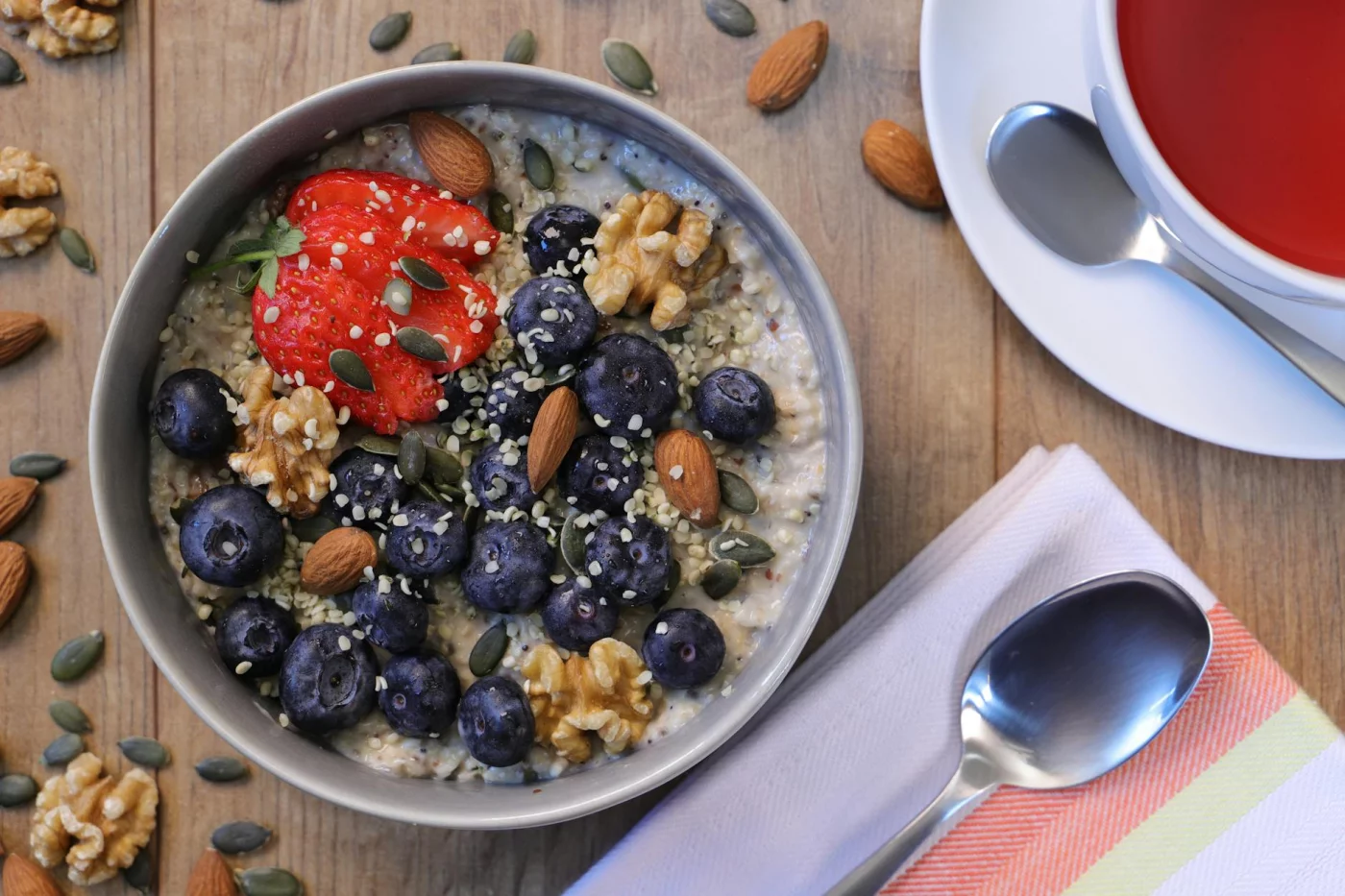
Students need food that supports focus without a crash. Before an exam, a better breakfast is oatmeal with berries and walnuts, or eggs with whole-grain toast and fruit. That’s much more reliable brain food for studying before exams than a sugary cereal bar and a giant energy drink.
Professionals with long workdays usually do better with lunches built around fiber, protein, and healthy fat. Think salmon and brown rice, lentil soup with olive oil, or a grain bowl with chicken, beans, greens, and avocado. The goal isn’t perfection. It’s avoiding the 2 p.m. slump that often follows a refined-carb-heavy lunch.
Adults over 40 should think pattern, not gimmick. Evidence suggests the best diet for brain health and memory is the one you can repeat for years: more leafy greens, berries, legumes, fish, nuts, and olive oil; fewer ultra-processed foods. Personally, I think this is the part most people get wrong—they chase a single “superfood” instead of building a weekly routine of brain food for studying and long-term brain health.
- Students: prep one breakfast and one snack you can repeat all week.
- Professionals: make lunch boring in a good way—simple, filling, and stable.
- Adults over 40: focus on consistency across months, not perfect days.
Common mistakes and worst foods for brain health to limit
OK wait, let me back up. “Bad” foods don’t poison your brain overnight, but some patterns make it harder to eat enough nutrient-dense food and keep energy steady. When people ask about the worst foods for brain health, five categories come up most often:
- Sugary drinks
- Ultra-processed snack foods
- Heavily fried foods
- Trans-fat-rich items
- Excess alcohol
Why these? Sugary drinks and desserts can create fast spikes and crashes, especially when they replace real meals. Ultra-processed snack foods are easy to overeat and often crowd out better options like fruit, yogurt, beans, nuts, and whole grains.
Heavily fried foods and trans-fat-rich items are linked in the research literature with poorer cardiometabolic health, which matters because brain health depends heavily on vascular health. And excess alcohol can impair sleep, memory, and concentration in the short term while also working against the best diet for brain health and memory over time. This section is educational, not medical advice—if alcohol use, metabolic issues, or memory changes are affecting your daily life, talk with a qualified healthcare professional.
The big idea is simple: use brain food for studying as a repeatable system, not a perfection test. Next, I’ll turn this into a quick-reference guide for smart pre-exam nutrition, plus FAQs and clear next steps.
Brain food for studying before exams: quick reference, FAQs, and next steps
So here’s the short version from the last section: the best brain food for studying is a pattern you can repeat, not a magic ingredient. And yes, it helps, but if you’re underslept, overwhelmed, or burned out, food alone won’t rescue exam performance.

Research consistently points to steady blood sugar, enough protein, healthy fats, and polyphenol-rich foods as the practical winners. For brain food for studying before exams, keep coming back to eggs, oats, berries, yogurt, beans, greens, olive oil, nuts, and water; limit heavy fried meals, sugar spikes, and alcohol.
Quick Reference: what to eat before studying, work, or an exam
📋 Quick Reference
- Best breakfast: eggs + oats + berries for protein, fiber, choline, and flavonoids.
- Best pre-exam snack: yogurt + walnuts or apple + peanut butter for steady energy.
- Best lunch for focus: a grain bowl with beans, greens, olive oil, and protein.
- Best drink: water first, then coffee or tea if it helps you focus.
If you want the best breakfast foods for brain health, think “stable and simple,” not sugary and huge. For the best snacks for brain health and focus, aim for carbs plus protein or fat, which tends to feel steadier than candy or pastries.
- Best brain food for exams: familiar foods your stomach tolerates well
- Worst picks before studying: greasy fast food, giant desserts, energy-drink overload
- Best diet for brain health and memory: boringly consistent, not perfect
Final takeaway and where to go next
The real win with brain food for studying is pairing it with better learning methods. If you want retention, combine brain food for studying with best active recall apps, spaced review, and memory techniques instead of rereading notes.
Personally, I think this is the part most people miss. Build one repeatable meal and one repeatable snack this week, use them for brain food for studying before exams, and keep your routine simple enough to survive stressful days.
Next, I’ll answer the most common questions readers still have about brain food for studying, what actually matters most, and what to do if your focus still feels off.
Frequently Asked Questions
What are the top 5 brain foods?
If you’re asking what are the top 5 brain foods, the strongest evidence-backed picks are fatty fish, berries, leafy greens, eggs, and walnuts. Together, these brain food for studying choices cover omega-3s, flavonoids, folate, vitamin K, and choline, which are all linked in research to brain health and cognitive performance. Personally, I think this is the simplest shortlist to remember because it gives you protein, healthy fats, and plant compounds in one practical mix. And yes, you don’t need all five every day to benefit.
What is the healthiest food for your brain?
There isn’t one single answer to what is the healthiest food for your brain, but fatty fish is usually near the top because it provides DHA and EPA, two omega-3 fats your brain uses heavily. That said, the overall pattern of your diet matters more than any one brain food for studying item, which is why eating fish alongside vegetables, beans, nuts, and whole grains tends to work better than chasing a single “superfood.” Research summarized by the National Institute on Aging points in that direction. So here’s the deal: think patterns first, ingredients second.
What fruit is best for memory and focus?
If you want to know what fruit is best for memory and focus, berries are among the best-studied options for brain health because they’re rich in flavonoids and polyphenols. They’re a smart brain food for studying choice before a work session or class, especially when paired with yogurt, oats, or nuts for steadier energy. But wait — no fruit literally restores memory on its own, and anyone claiming that is overselling it. What berries may do, based on the evidence, is support long-term brain health as part of a good diet.
What are the three best foods for brain health?
For people asking what are the three best foods for brain health, I’d keep it simple: fatty fish, leafy greens, and berries. As a brain food for studying trio, they cover omega-3s, folate, vitamin K, and polyphenols without making your meal planning complicated. Quick sidebar: this is the kind of stack that’s easy to repeat during busy weeks — salmon and spinach at dinner, berries at breakfast, done. Simple works.
What are the 5 brain killer foods?
A better way to frame worst foods for brain health is “foods to limit,” not “brain killers.” The main ones are sugary drinks, ultra-processed snack foods, heavily fried foods, trans-fat-rich foods, and excess alcohol, because they can contribute to energy instability, poorer diet quality, and less room for nutrient-dense brain food for studying. This is the part most people get wrong: the biggest problem isn’t one cookie or one fast-food meal, it’s the repeated pattern. If these foods crowd out fish, beans, fruit, vegetables, and whole grains, your brain loses useful fuel.
What is the best diet for brain health and memory?
If you’re looking for the best diet for brain health and memory, the Mediterranean diet and the MIND diet have the strongest overall support. Both emphasize vegetables, legumes, whole grains, olive oil, nuts, and fish, which makes them a practical framework for choosing brain food for studying without overthinking every meal. And here’s the kicker — you don’t need to follow either diet perfectly to benefit. A few consistent upgrades can go a long way; if you want a practical starting point, our guide to the best foods for concentration and memory breaks it down in plain English.
What should I eat before studying or an exam?
The best brain food for studying before exams is usually a balanced meal or snack with protein, fiber-rich carbs, and healthy fat. Good examples include oats with yogurt and berries, eggs with whole-grain toast and fruit, or a turkey sandwich with an apple — all of which work well as brain food for studying because they help support steadier energy and attention. Well, actually, timing matters too: eat 1 to 3 hours before the exam if you can, and test your routine before exam day instead of experimenting at the last minute. And skip the giant sugar-heavy meal, since that can leave you sleepy or crashy halfway through.
Conclusion
If you want results, keep it simple. The best brain food for studying isn’t one magic ingredient — it’s a repeatable pattern: build meals around protein, slow-digesting carbs, healthy fats, and hydration; use practical options like eggs, berries, oats, yogurt, nuts, leafy greens, and fatty fish; eat before long study sessions instead of relying on sugar spikes; and test what helps you stay focused for 60 to 90 minutes at a time. And yes, timing matters. A balanced pre-study meal and a lighter, steady snack beat cramming on an empty stomach or chasing energy with junk food.
But wait — don’t overcomplicate this. You do not need a perfect diet to think more clearly this week. Personally, I think this is the part most people get wrong: they aim for “ideal” and end up doing nothing. Start with one upgrade today. Swap a pastry for oats and fruit. Add nuts to your bag. Drink water before coffee number two. Small changes compound fast, and the right brain food for studying can make your study sessions feel less draining and more consistent.
Which brings us to your next step: turn this into a system. Explore more practical guides on FreeBrain.net, including How to Study Effectively and Spaced Repetition. Pair smarter nutrition with better study methods, and you’ll get much more from every hour you sit down to learn. Pick one meal change, pair it with one better study habit, and make your brain food for studying work for you starting today.