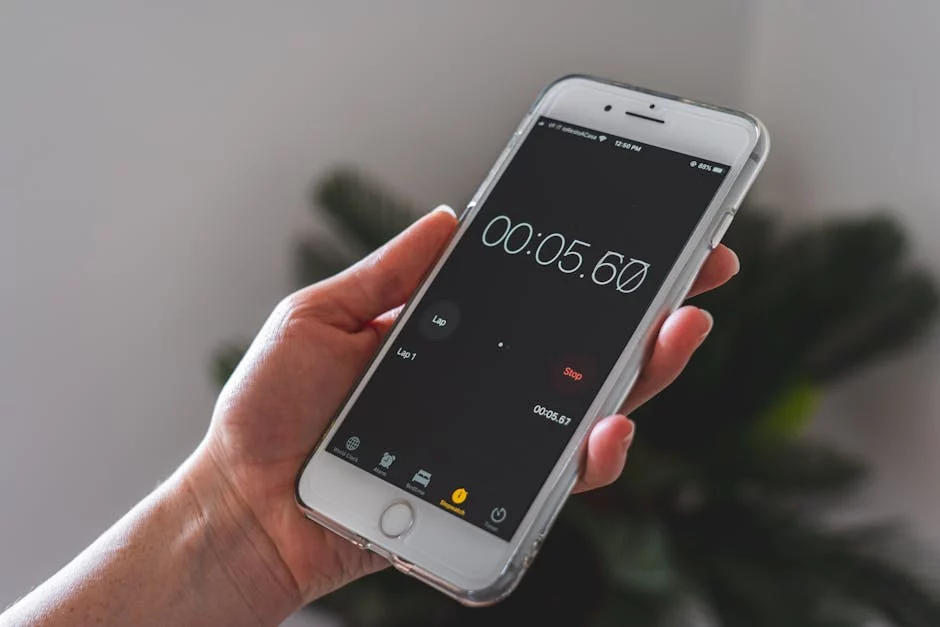

If sitting still makes meditation feel harder, start with one ordinary walk: down a hallway, around the block, across a parking lot, or on a treadmill. The basic move is simple: slow down slightly, notice one step at a time, and return to your feet or breathing whenever your mind runs off.
Use this quick decision rule: if you feel restless, sleepy after lunch, or overloaded before a study or work session, try walking meditation before seated practice. If you already feel settled and want quiet focus, seated meditation may fit better. You do not need a perfect route or a long session; a 3-minute loop between tasks is enough to learn the pattern.
Below, you’ll get a beginner routine, real-world adaptations, common mistakes, and a simple way to connect walking meditation with your focus blocks.
I’m a software engineer, not a meditation guru. But after building FreeBrain’s learning tools and testing attention methods in real workdays, I’ve found that simple practices beat ideal ones — especially when they fit the life you already have.
📑 Table of Contents
- Yes, walking meditation counts
- Why it helps in real life
- How to meditate while walking
- Quick routines and real-world fixes
- Mistakes, comparisons, and next steps
- Frequently Asked Questions
- Can you meditate while you're walking?
- What are the six steps of walking meditation?
- How long should walking meditation be?
- Can you meditate while walking on a treadmill?
- Can I meditate while walking my dog?
- Is walking meditation good for anxiety?
- Is walking meditation as effective as seated meditation?
- What should I focus on during walking meditation?
- Conclusion
Yes, walking meditation counts
If seated practice feels stiff or intimidating, good news: yes, you can absolutely meditate on the move. In fact, if you’re wondering how to meditate while walking, many beginners find it easier than sitting still because movement gives your attention something concrete to follow.
Walking meditation means walking at a natural or slightly slower pace while paying attention on purpose to your feet, breathing, posture, sounds, or what you see. It’s educational, not medical advice, and if you have severe anxiety, panic, neuropathy, balance problems, or psychiatric concerns, talk with a qualified healthcare professional first. Research summaries from the National Center for Complementary and Integrative Health on mindfulness and meditation and Harvard Health’s review of mindfulness meditation suggest mindfulness practices may help with stress and attention, but I want to keep this practical, not make clinical promises.
From a software engineer’s perspective, this is one of the most usable forms of practice. You can fit it into commutes, study breaks, and work resets without a cushion, app, or a perfect 20-minute block. And if you’re interested in how attention affects learning or the link between stress and memory problems, walking practice fits surprisingly well into both.
A simple definition for beginners
Walking meditation is mindful walking: you move normally while repeatedly bringing attention back to present-moment sensations.
Picture a 5-minute walk between classes. Instead of replaying your to-do list, you notice heel-to-toe contact, one full breath, then the sound of a bus passing. Can you meditate while walking if your mind drifts every ten seconds? Yes — because the practice is the return, not perfect focus.
- Notice one step
- Feel one breath
- Hear one sound
- Return when distracted
That’s the basic answer to how to meditate while walking. And for short stress spikes, pairing a brief walk with this progressive muscle relaxation script can work well.
What it is not
It isn’t zoning out. It isn’t power walking for fitness metrics. And it’s definitely not trying to empty your mind or closing your eyes while moving.
Exercise walking aims at pace, distance, or heart rate. Meditation while walking aims at awareness, attention training, and a calmer nervous system. But wait — safety comes first: keep your eyes open, stay aware of your route, and skip noise-canceling audio near traffic.
If your route needs constant vigilance, use a lighter version. Focus on upright posture, relaxed shoulders, and broad awareness of your surroundings rather than deep inward attention. Which brings us to the useful part: why this simple practice helps so much in real life.
Why it helps in real life
If walking meditation counts, the next question is simple: why bother? Because learning how to meditate while walking gives you a reset you can actually use between real tasks, not just during ideal quiet moments.

What research suggests
Research suggests mindfulness can support stress regulation, emotional awareness, and attention control. Broader summaries from the National Center for Complementary and Integrative Health on meditation and mindfulness and the American Psychological Association’s overview of mindfulness meditation both make the same basic point: benefits are real for many people, but they vary with consistency, context, and the person doing the practice.
For students and knowledge workers, that matters. A 3-minute mindful walk before a hard assignment can steady your attention, especially if you already know how attention affects learning. And a 5-minute stress relief walk after a tense email thread may help reduce the mental spillover that keeps your brain stuck.
Walking meditation benefits can be practical, not mystical. During finals week, 10 minutes outside—or even a hallway loop indoors—can work as a transition tool before you try to study for finals in a week without frying your focus.
From experience: why beginners stick with it
From building focus tools, I’ve noticed short movement-based resets are often easier to start than formal sessions. Thing is, “go walk for three minutes and notice your steps” creates less resistance than “sit still and clear your mind.”
That’s why walking meditation for anxiety can feel more doable when sitting makes thoughts seem louder. Your feet, rhythm, and sensory input give your mind something concrete to return to—useful when stress is already affecting memory and recall, as I explain in stress and memory problems.
When walking may beat sitting
Choose walking meditation when your main obstacle is restlessness, low energy, or a mind that keeps jumping between tasks. For example, if you have been staring at a screen for two hours, a 5-minute mindful walk may be easier to start than sitting down and asking your body to become still immediately.
Use this simple chooser: if you feel physically keyed up, walk first; if you feel mentally scattered but physically calm, seated practice may work; if you feel sleepy after lunch, walk in a bright, safe place and keep the pace natural; if you are about to begin deep work, use walking meditation as a short transition rather than a long break.
A common mistake is treating walking meditation like exercise tracking. You are not trying to hit a step count, close a fitness ring, or walk at the “right” speed. The goal is to notice: heel, sole, toes, breath, sound, distraction, return. That return is the practice.
How to meditate while walking
So now you know why it helps in real life. Here’s how to meditate while walking without making it weird, slow, or complicated.
Think of it as attention practice in motion. That matters for studying and work because how attention affects learning is pretty direct: when you can notice drift and come back, you focus better on demand.
How to do walking meditation in 6 steps
- Step 1: Pick a safe, simple route and set a short timer. Start with 3 to 5 minutes; go to 8 to 10 once it feels easy.
- Step 2: Stand still first. Take one or two slower breaths, drop your shoulders, feel your feet on the ground, and set a simple intention: “Just notice the next few minutes.”
- Step 3: Walk at a natural pace. On a sidewalk, normal speed is fine; save extra-slow walking for a private hallway, courtyard, or treadmill.
- Step 4: Choose one anchor: feet, breath, sounds, or sight. Feet work well for grounding, sounds help in busy places, and visual landmarks can steady you if your mind feels scattered.
- Step 5: When thoughts, planning, irritation, or self-judgment show up, notice them and return gently. That return is the skill.
- Step 6: End on purpose. Pause, take one breath, notice your body and mind, then name the next task before moving on.
Step 1: Pick a safe route and short time
Use a low-complexity route: quiet sidewalk, hallway, courtyard, looped path, or treadmill. If you’re overloaded, 3 minutes is enough; 5 minutes works as a reset, and 10 minutes feels more like a full beginner meditation practice.
Short beats ambitious. And yes, that sounds boring, but it’s how habits stick—especially if stress is already messing with focus and recall, as we cover in stress and memory problems.
Step 2-4: Arrive, pace, and choose an anchor
You don’t need special clothes, incense, or a perfect route. Just stop, breathe once or twice, and begin.
One anchor is enough. Try feet: “lifting, moving, placing.” Or breath: air at the nose, chest rising. In louder spaces, use sounds like footsteps or traffic hum. If you want a guided walking meditation, keep volume low and skip audio anywhere unsafe; general mindfulness guidance from the American Psychological Association on meditation is a solid baseline.
Step 5-6: Return and close
Beginners often get distracted every 5 to 15 seconds. That’s normal, not failure. Quietly label it “thinking” or “planning,” then come back to your anchor.
Mini example: a student walks one campus block before opening notes to learn better right now. Or an office worker does two hallway laps before a meeting. If your body feels keyed up, a short walk can pair well later with a progressive muscle relaxation script.
Before you open your laptop, take one breath and name the next task. Research collected in a PubMed Central review on mindfulness meditation suggests this kind of present-moment training can support attention and stress regulation. Next, let’s make this practical with quick routines and real-world fixes.
Quick routines and real-world fixes
Now make it usable. If you’re learning how to meditate while walking, short routines matter most because they’re easy to repeat between lectures, before coding, or after a stressful meeting.
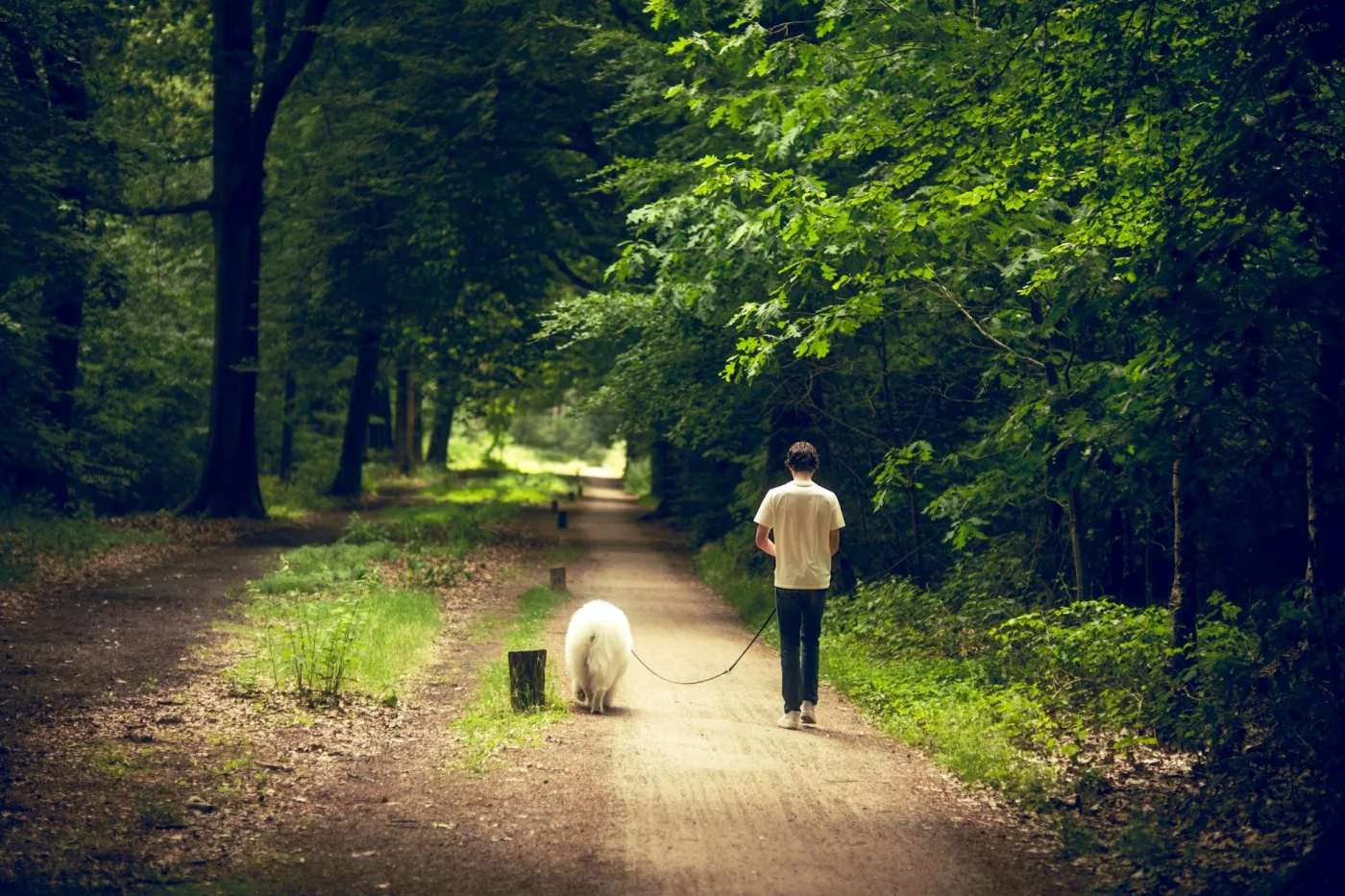
And yes, brief practice still counts. Attention training works best when it’s consistent, which is why this pairs well with understanding how attention affects learning and why stress can derail recall in stress and memory problems.
A 3-5 minute version for busy days
For a study break, use 4 minutes total. Do 30 seconds to arrive, 2 minutes feeling each footstep, 1 minute noticing sounds, then 30 seconds to name your next task: “Open notes and solve problem one.”
For work stress, do one hallway or outdoor loop. Keep broad visual awareness, lengthen the exhale slightly, and finish with one clear next-action statement. During finals week or after back-to-back meetings, that’s often enough.
- 30 sec: arrive and soften shoulders
- 2 min: feet as the anchor
- 1 min: sounds and space around you
- 30 sec: transition back on purpose
A short script you can read aloud
Try this walking meditation script for beginners: “Feel your feet contact the ground. Notice one breath. Hear the nearest sound. Let your eyes stay soft. When the mind wanders, gently return.” Save it as a phone note, lock-screen image, or walking meditation script pdf.
A 2- to 4-minute guided walking meditation can help at first, but silence is usually better in busy spaces. If anxiety is high, pair this with our progressive muscle relaxation script. Research summarized by the American Psychological Association on meditation suggests mindfulness can support stress regulation.
How to adapt it anywhere
Outdoor walking meditation works best on simple, safe routes. Indoor walking meditation can be hallway laps, office corridors, or small-room pacing; turning around becomes part of the anchor, not a disruption.
Can you meditate while walking on a treadmill? Yes, but keep your eyes open, set the speed low enough to stay aware, and don’t go deeply inward. Hold the rails only if needed for safety.
Can I meditate while walking my dog? Sort of. Use a lighter, free walking meditation style with broad awareness, because part of your attention has to stay on the leash, traffic, and other people.
Walking meditation quick checklist
Six simple steps: arrive, slow slightly, feel footsteps, notice breath, widen to sounds/sights, end with one next action. For beginners, 3-5 minutes beats 20 minutes you never do.
If you want to know how to meditate while walking in real life, this is it: keep it short, safe, and repeatable. Next, let’s cover the mistakes people make, how this compares with seated practice, and what to do next.
Mistakes, comparisons, and next steps
Once the quick routines start feeling doable, the next challenge is avoiding the mistakes that make the practice feel harder than it needs to. If you’re learning how to meditate while walking, small adjustments usually matter more than motivation.
Common mistakes to avoid
The biggest mistake? Trying to clear your mind. That’s not the job. In mindfulness practice, the real skill is noticing that your attention wandered and gently returning to one anchor.
- Mind racing: don’t force silence; notice, label, return.
- Bad walking pace: too fast feels frantic, too slow feels awkward; use a stable, safe pace for the setting.
- Unsafe route: skip overstimulating paths, like a busy intersection plus noise-canceling headphones; keep your eyes open.
- Too much structure: use one anchor, one short timer, one goal.
And yes, frustration is part of the practice, not proof you’re bad at it. Personally, I think this is where most beginners quit too early.
Walking vs seated meditation
Walking meditation vs seated meditation isn’t a contest. Walking often works better when you’re agitated, between tasks, or trying to build present moment awareness consistently; seated practice may work better when you want quiet depth and fewer external demands.
Many people do both: walk first to settle, then sit for 2-5 minutes. If attention is your bottleneck for studying or work, this pairs well with understanding how attention affects learning.
Make it a daily habit
Can you meditate while walking every day? Usually, yes—if you make it tiny. Attach it to an existing cue: after lunch, before opening email, after class, or right before a study block.
Keep habit formation simple:
- mark one checkbox per day
- or log total minutes walked
- avoid elaborate tracking systems at first
Start with 3-5 minutes, one anchor, and a safe route. If that feels easy, you’re doing it right. Next, let’s answer the most common questions and wrap this up with a simple plan.
Where to place walking meditation in your day
The easiest way to keep walking meditation from becoming another forgotten habit is to attach it to a moment that already happens. Use it as a transition, not a separate life project.
Before focused work: walk for 3 minutes before opening your laptop or study notes. Pick one anchor, such as the feeling of your feet landing. When a task thought appears, label it “later” and return to the next step. If you plan work in blocks, the Focus Session Planner can help you place a short walking reset before a demanding session or between two lighter ones.
During a stress loop: if you keep replaying the same worry, walk a simple route and separate the walk from problem-solving. For the first minute, notice steps only. For the second minute, notice sounds and space around you. For the final minute, choose one next action when you return. If the worry needs sorting, use the Stress Worry Plan Builder after the walk instead of trying to solve everything while moving.
After lunch or screen fatigue: choose a route with low decision load, such as a hallway loop or quiet sidewalk. Keep your phone away unless you need it for timing. If you regularly lose focus after eating, pair this with the guide on why you cannot focus after lunch.
Quick rule: use 3 minutes to restart, 5 minutes to settle, and 10 minutes when you want a fuller reset without turning it into a workout.
Frequently Asked Questions
Can you meditate while you’re walking?
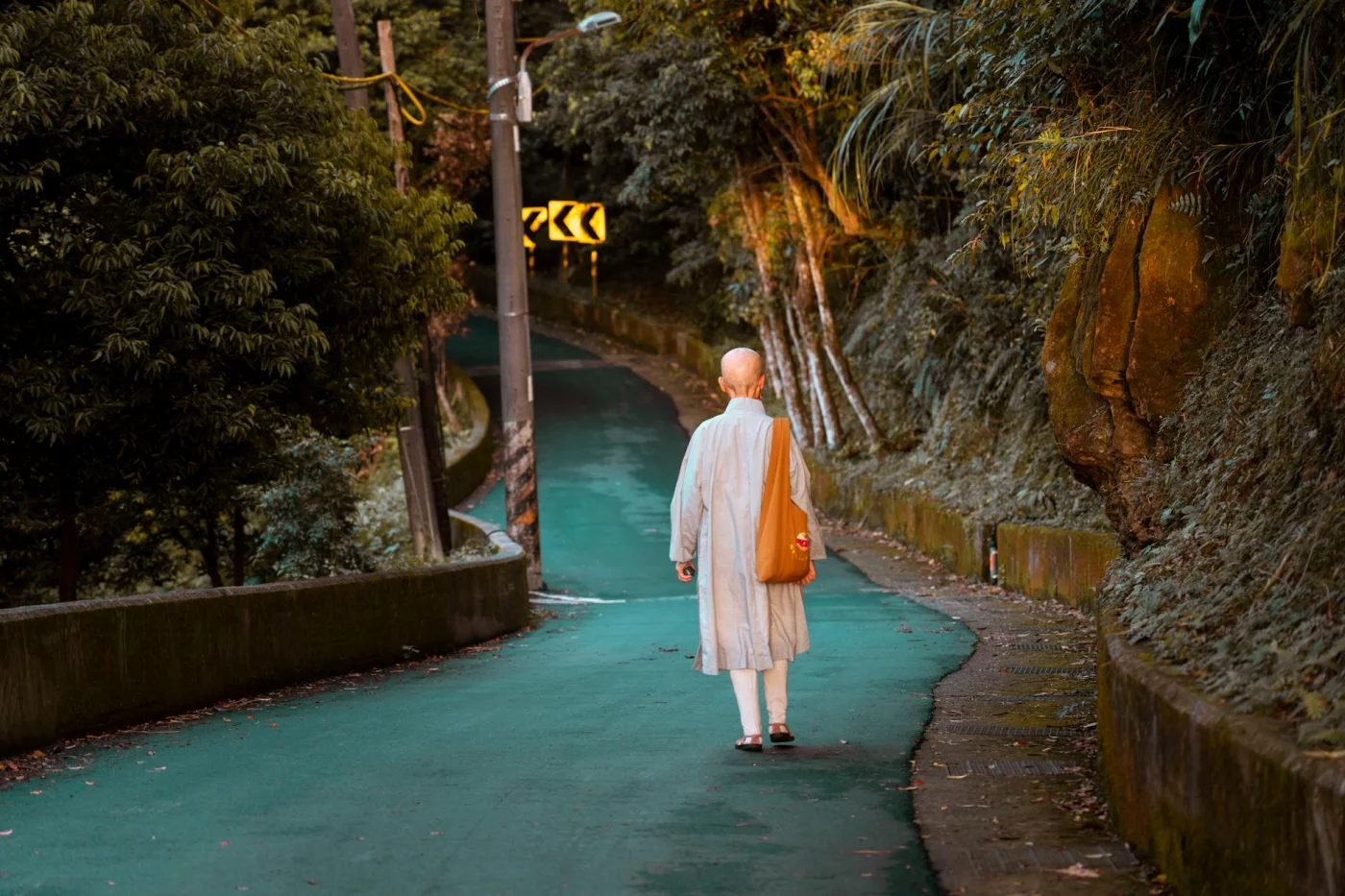
Yes — can you meditate while walking? Absolutely. Walking meditation is a real mindfulness practice when you intentionally pay attention while moving, and for many beginners it feels easier than sitting still because the body gives you a built-in anchor. Keep your eyes open, choose a safe route, and focus on one simple thing like your steps or breathing if you’re learning how to meditate while walking.
What are the six steps of walking meditation?
If you’re wondering what are the six steps of walking meditation, here’s the simple version: choose a safe route and a short time, stand still and arrive, walk at a natural pace, anchor attention to your feet or breath, notice distractions and return gently, then close the practice before moving to your next task. That’s it. Most people overcomplicate this, but the basic structure works because it gives your mind a clear loop to follow.
How long should walking meditation be?
How long should walking meditation be? For beginners, 3 to 5 minutes is enough to get real value, especially if you do it consistently rather than waiting for the perfect 20-minute session. A practical progression is 5 minutes most days, then 8 to 10 minutes once it feels easy to maintain, because in the early stage consistency matters more than duration.
Can you meditate while walking on a treadmill?
Yes, can you meditate while walking on a treadmill is a fair question, and the answer is yes if you keep the speed low enough to stay aware and safe. Use broad attention — like noticing your feet, posture, breath, and the belt moving beneath you — instead of going deeply inward, and never close your eyes. If balance, dizziness, or coordination is a concern, consult a qualified healthcare professional before trying it.
Can I meditate while walking my dog?
Yes, can i meditate while walking my dog has a practical answer: you can, but it works best as a lighter version of the practice. Part of your attention has to stay on your dog and your environment, so focus on things like footfalls, leash tension, posture, and sounds around you rather than trying to zone out. In a busy area, think of it as mindful dog walking, not deep meditation.
Is walking meditation good for anxiety?
Walking meditation for anxiety can be helpful because research suggests mindfulness practices support stress regulation, and walking often feels more manageable than sitting when you’re already keyed up. Feet, rhythm, and sensory awareness give you grounding anchors that can pull attention out of spiraling thoughts and back into the present moment; for a broader overview, the NCCIH summary on meditation and mindfulness is a solid starting point. But wait — if anxiety is severe, persistent, or affecting daily life, this is educational content, not medical advice, and it’s worth talking with a qualified mental health professional.
Is walking meditation as effective as seated meditation?
Walking meditation vs seated meditation isn’t really about one being universally better. Walking often works better when you’re restless, between tasks, or trying to build consistency, while seated practice may be better for stillness and reducing external distractions. Personally, I think most people do best when they use both, and if you’re still figuring out how to meditate while walking, starting with movement can make the whole habit easier to keep.
What should I focus on during walking meditation?
If you’re learning how to do walking meditation, pick one main anchor: feet, breath, sounds, posture, or simple visual cues like the movement of light and shadow. Feet are usually the easiest starting point because every step gives immediate feedback, so when your attention drifts, lightly label it — “thinking,” “planning,” “hearing” — and return to the chosen anchor. If you want extra structure for how to meditate while walking, a short timer and a repeatable route can make the practice much easier to stick with.
Conclusion
If you want the short version, here it is: keep your pace natural, anchor your attention to something simple like your breath or footsteps, start with just 3 to 5 minutes, and use gentle resets whenever your mind drifts. That’s really the core of how to meditate while walking. You don’t need perfect silence, special gear, or a long session. You need a repeatable cue, a little consistency, and the willingness to come back to the present moment again and again.
And if this feels awkward at first, that’s normal. Most beginners think they’re “bad at it” because their attention wanders, but well, actually, that wandering is part of the practice. Every time you notice and return, you’re training focus. So don’t wait for the ideal mood or the perfect route. Try one mindful walk today — to class, around the block, or even down a hallway — and let it be simple.
If you want more practical help building this into daily life, explore more on FreeBrain.net. You might like How to Focus Better While Studying for attention training that carries over into mindful walking, or How to Build a Study Routine if you want to turn short walking meditation sessions into a habit that sticks. Start small, stay consistent, and use what you learned here to make your next walk count.