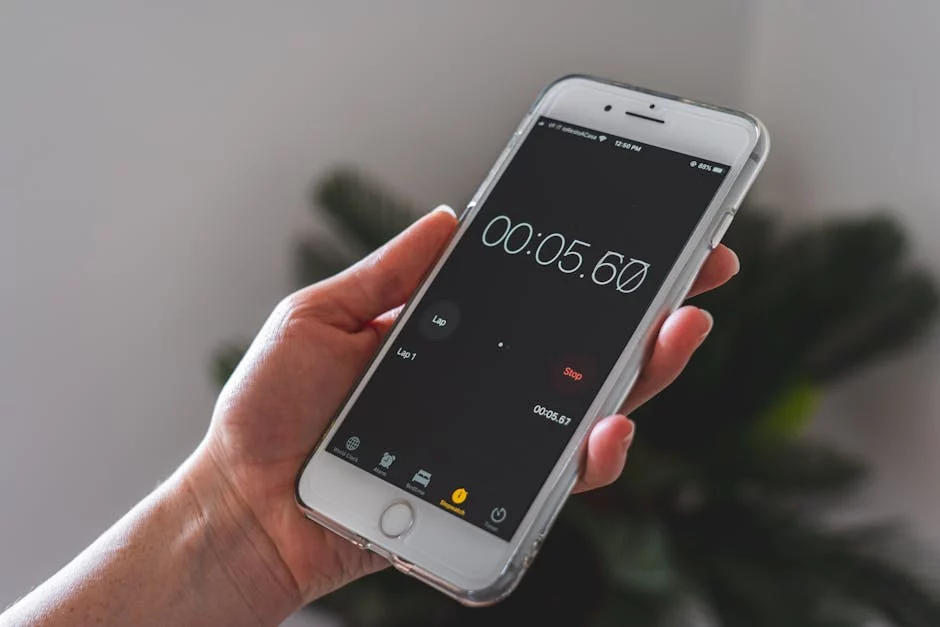

A 5 minute progressive muscle relaxation script is a guided exercise where you briefly tense and then release muscle groups to lower physical stress and help your body shift out of fight-or-flight mode. If you want a 5 minute progressive muscle relaxation script you can use right now, you’re in the right place — and you’ll also get shorter cues, seated versions, bedtime options, and longer formats that don’t feel padded.
Maybe your shoulders are up by your ears. Maybe your jaw’s tight, your thoughts are racing, and you need something that works faster than “just relax.” Stress doesn’t stay in your head; it shows up in your body too, which is why techniques that target muscle tension can help interrupt the stress loop. If you’ve ever wondered why stress feels so physical, this quick guide on acute vs chronic stress makes that pattern easier to spot.
Here’s what you’ll get: a usable 5 minute progressive muscle relaxation script, a seated progressive muscle relaxation script for work or study breaks, a bedtime version for winding down, and guidance on when to use a 10- or 20 minute progressive muscle relaxation script instead. I’ll also cover pacing cues, simple modifications if tensing feels uncomfortable, and printable/audio ideas so you can actually use this under real-life pressure — before sleep, between meetings, or when you need to learn better right now.
Quick sidebar: I’m a software engineer, not a clinician. But I spend a lot of time testing practical, evidence-based tools for focus, stress, and learning at FreeBrain, and progressive muscle relaxation keeps showing up because it’s simple, low-friction, and backed by a real clinical history — including the well-known overview of progressive muscle relaxation and its origins.
📑 Table of Contents
- What PMR is and when to use it
- 5-minute progressive muscle relaxation script
- Real-world versions for work and bedtime
- Quick reference, evidence, and FAQs
- Frequently Asked Questions
- Does progressive muscle relaxation help with stress?
- Can you do progressive muscle relaxation sitting down?
- How long should progressive muscle relaxation take?
- Who should not do progressive muscle relaxation?
- Can progressive muscle relaxation reduce anxiety quickly?
- What is the best progressive muscle relaxation script for beginners?
- Conclusion
What PMR is and when to use it
Now that you know why quick calming tools matter, here’s the practical version. A 5 minute progressive muscle relaxation script is a relaxation technique where you gently tense one muscle group for about 3 to 5 seconds, then release for 10 to 15 seconds so you can feel the contrast and let physical stress drop. For more on stress and sleep, see our stress and sleep guide.
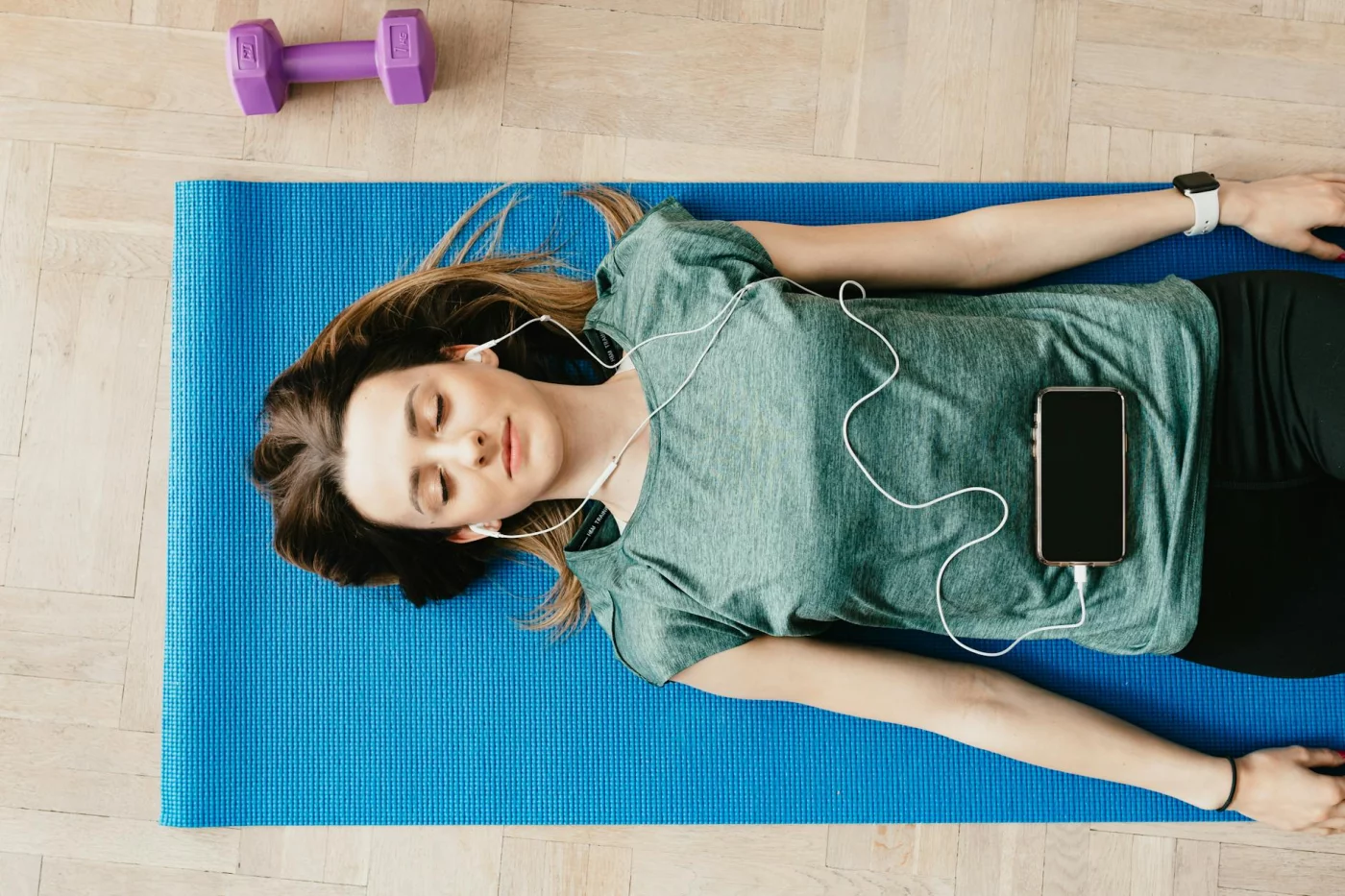
That matters because stress usually shows up in the body first. Your jaw tightens, shoulders creep up, hands clench, stomach knots, and legs stay braced — which is why body-based methods can feel faster than purely mental strategies when you need to reduce stress before a test or steady yourself before high-pressure work.
Personally, I like methods that still work when your brain is overloaded. As a software engineer building FreeBrain tools for focus and learning, I keep coming back to simple systems you can use under pressure; if you want more ways to learn better right now, stress regulation is a good place to start.
How PMR works in plain English
OK wait, let me back up. The whole method is built on contrast: you notice relaxation better right after a mild contraction. Lightly clench your fists, then let them go. Gently shrug your shoulders, then let them drop.
That’s the core of any guided progressive muscle relaxation script. Gentle effort matters more than intensity, because the goal is muscle tension release, not a workout.
Why it helps with stress
When your body stays tense, your attention usually gets worse too. You feel more irritable, more mentally crowded, and less able to hold information in mind — and yes, that’s one reason stress can affect memory and studying.
PMR is commonly used in stress-management programs, and sources such as MedlinePlus guidance on progressive muscle relaxation and the American Psychological Association’s overview of stress in the body suggest relaxation techniques can reduce perceived stress and muscle tension for many people. If you’re trying to understand acute vs chronic stress, PMR is one practical way to interrupt that stress response without needing perfect concentration.
- Before an exam or presentation
- After a tense meeting
- During work overload
- At bedtime, especially with a body scan meditation for sleep
Safety first: who should modify it
This section is educational, not medical advice. Don’t tense to the point of pain, shaking, cramping, or breath-holding. And if you have injuries, chronic pain, recent surgery, severe cramps, or trauma-related symptoms, use a much lighter version or check with a qualified healthcare professional first.
Some people also do better with “release only” practice at night. Which brings us to the next section: the actual 5 minute progressive muscle relaxation script you can follow right away.
5-minute progressive muscle relaxation script
Now you know what PMR is. Here’s the part you can actually use when stress spikes before work, study, or sleep — and yes, this 5 minute progressive muscle relaxation script is meant to be read exactly as written.
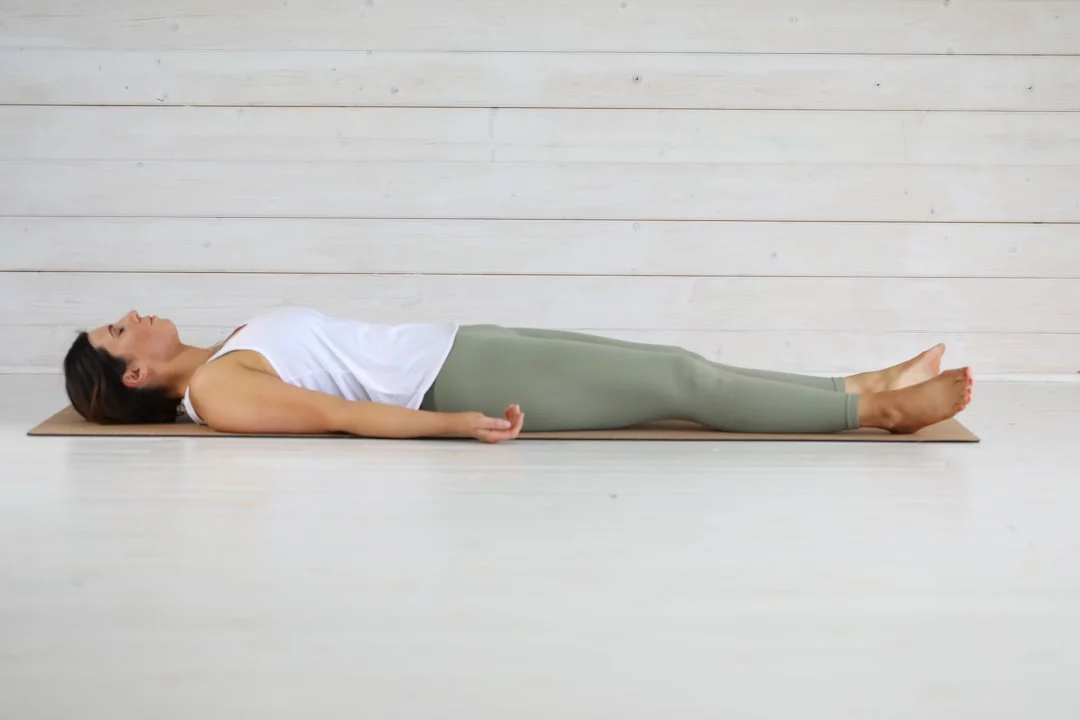
Research summarized by the American Psychological Association on stress and the body helps explain why physical release can calm mental overload, whether you’re trying to reduce stress before a test or reset during a tense afternoon. If your stress feels constant, it also helps to understand acute vs chronic stress.
How to do it step by step
How to do it step by step
- Step 1: Sit or lie down, with both feet supported if possible.
- Step 2: Take 1-2 slower breaths. Don’t force deep breathing.
- Step 3: Tense each area with gentle effort for 3-5 seconds.
- Step 4: Exhale, release for 10-15 seconds, and notice softening.
- Step 5: Finish with one full-body exhale and a quick body check.
Read-aloud script
Use a slower voice. Leave 1-2 breaths between muscle groups, and skip any area that hurts. “Take one slow breath. Gently clench your jaw… 3, 2, 1… exhale and release. (pause 10 seconds) Lift your shoulders slightly… hold… exhale, let them drop. (pause 10 seconds) Make soft fists with your hands… hold… release. Tighten your stomach gently… hold… release. Press your thighs lightly… hold… release. Tighten your calves… hold… release. Curl your feet gently… hold… release. Now take one full exhale and notice the difference.”
Common mistakes to avoid
- Tensing too hard and creating more strain
- Holding your breath instead of pairing tension with release
- Rushing and missing the contrast
- Treating this guided progressive muscle relaxation script like a test
A short PMR routine works best as practice, not performance. For bedtime, pair it with body scan meditation for sleep; for background reading, NCBI’s overview of relaxation techniques is a solid starting point. If FreeBrain adds a printable PDF or audio later, that can make this progressive muscle relaxation script read aloud even easier. Next, I’ll show you real-world versions for work and bedtime.
Real-world versions for work and bedtime
The full 5 minute progressive muscle relaxation script works well at home. But wait — most people need versions they can use at a desk, on a commute, or right before bed.

Seated script for work stress
Use this seated progressive muscle relaxation script when you need progressive muscle relaxation for work stress without drawing attention. In an open office, before a meeting, or while commuting, lightly soften your jaw, press your hands together for 5 seconds, lift your shoulders an inch, tighten your thighs under the desk, press your feet into the floor, then release each area for 10 to 15 seconds. If workplace overload is constant, this guide can help you focus in an open office.
- 60–90 seconds before a presentation
- 2 minutes after a difficult email
- 5 minutes between study blocks or tasks
Bedtime version for winding down
For progressive muscle relaxation for bedtime stress, go slower. Use dim lights, gentler squeezing, longer exhales, and think “heavy” on the release — not “harder.” And skip strong tensing if it wakes you up, triggers cramps, or makes pain worse; PMR can support sleep preparation, but it’s not a full insomnia treatment, so readers with persistent sleep problems should review sleep restriction therapy basics and talk with a qualified clinician.
When longer practice helps
Personally, I think consistency beats ambition. Daily practice, or 3 to 5 times per week, tends to work better than occasional marathon sessions.
| Length | Best use |
|---|---|
| 5 min | Fast reset during stress spikes |
| 10 min | Fuller body scan after work or study |
| 20 min | Deeper full body relaxation with privacy and time |
Next, I’ll pull this together with a quick reference, evidence, and the most common questions.
Quick reference, evidence, and FAQs
If you want one version to save and reuse, start here. This turns the longer examples into a fast, practical 5 minute progressive muscle relaxation script you can use at work, before bed, or before studying.
Quick reference
📋 Quick Reference
Tense: 3-5 seconds. Release: 10-15 seconds.
Fast sequence: jaw, shoulders, hands, stomach, thighs, calves, feet.
Best use: 2 minutes for acute overwhelm, 5 minutes for quick stress relief, 10 minutes for deeper wind-down.
Modify if needed: skip injured, painful, cramping, or recently strained areas; use gentler effort if you’re pregnant, dealing with chronic pain, or prone to muscle spasms.
A useful short progressive muscle relaxation script pdf should include timing cues, a clear body order, large readable spacing, and simple modification notes. Audio guidance works best when it’s slow, leaves real pauses, and doesn’t keep talking over your release.
What research suggests
MedlinePlus, NCCIH, APA, Mayo Clinic, Harvard Health, and the NCBI Bookshelf all describe relaxation training as a common stress-management tool. Research suggests PMR can lower perceived stress and physical tension for many people by shifting you toward parasympathetic nervous system activity. And yes, that matters for focus.
When stress stays high, concentration and recall often get worse, which is one reason readers ask whether stress can affect memory. But wait: this isn’t magic. A progressive muscle relaxation script stress relief pdf or audio track can help quickly, yet it won’t fix every cause of stress on its own.
What to do next
- Try the 5 minute progressive muscle relaxation script once today.
- Save the body sequence on your phone or print a 5 minute progressive muscle relaxation script pdf.
- Repeat it daily for 7 days, ideally after lunch or before bed.
If symptoms involve anxiety disorders, trauma, chronic pain, or insomnia, treat this as educational support, not medical care, and consult a qualified professional. Next, I’ll answer the most common questions and wrap up with the simplest way to keep using this well.
Frequently Asked Questions
Does progressive muscle relaxation help with stress?
Yes — for many people, progressive muscle relaxation can help with stress. Research suggests PMR can reduce perceived stress and physical tension, especially when your stress shows up first as a tight jaw, raised shoulders, headaches, or a clenched stomach. If you’re wondering does progressive muscle relaxation help with stress, the best answer is that it often does when you practice it regularly, not as a one-time fix; a short routine like the 5 minute progressive muscle relaxation script in this article is often enough to make it usable in real life.
Can you do progressive muscle relaxation sitting down?
Yes, you can absolutely do it seated, and that’s often the most practical option for work, class, waiting rooms, or public transit. If you’re asking can you do progressive muscle relaxation sitting down, start with discreet muscle groups: jaw, shoulders, hands, thighs, and feet, using gentle tension for a few seconds while keeping your breathing normal. And keep it subtle — this should feel calming, not like a workout.
How long should progressive muscle relaxation take?
A fast reset can take 5 minutes, a fuller head-to-toe pass usually takes 10 minutes, and a slower, deeper practice can take 20 minutes. If you’re asking how long should progressive muscle relaxation take, choose based on context: 5 minutes before a meeting, 10 minutes before bed, or 20 minutes when you want a more thorough session. Personally, I think consistency matters more than duration, which is why a 5 minute progressive muscle relaxation script is often more useful than a longer version you never actually do.
Who should not do progressive muscle relaxation?
People with injuries, recent surgery, severe pain, muscle cramps, or trauma-related symptoms may need to modify or skip parts of PMR. If you’re wondering who should not do progressive muscle relaxation, the safest rule is simple: pain is a stop signal, not something to push through, and if tensing muscles might aggravate a condition, check with a qualified healthcare professional first. For general guidance on stress and relaxation approaches, you can also review NCCIH’s stress resource.
Can progressive muscle relaxation reduce anxiety quickly?
It may help some people feel calmer within a few minutes because it reduces physical tension and can interrupt the body’s stress spiral. If you’re asking can progressive muscle relaxation reduce anxiety quickly, the honest answer is sometimes yes — especially when anxiety feels physical — but it isn’t a treatment plan for anxiety disorders. If anxiety is severe, frequent, or disruptive to daily life, it’s worth talking with a qualified mental health professional, and you can pair that support with a simple practice like the 5 minute progressive muscle relaxation script.
What is the best progressive muscle relaxation script for beginners?
The best beginner version is short, simple, and easy to follow aloud: 5-7 muscle groups, 3-5 seconds of gentle tension, and 10-15 seconds of release. If you’re asking what is the best progressive muscle relaxation script for beginners, start with the 5 minute progressive muscle relaxation script in this article rather than a long, complicated routine. Beginner-friendly scripts work better when they feel doable, and if you want another evidence-based relaxation option, FreeBrain’s breathing content pairs well with PMR because slower exhalations can make the release phase feel more noticeable.
Conclusion
The big idea is simple: progressive muscle relaxation works best when you keep it short, structured, and easy to repeat. Tense one muscle group at a time for a few seconds, release fully, and notice the contrast. Use the work version when your shoulders are up by your ears, use the bedtime version when your mind won’t shut off, and lean on the quick reference when you don’t want to think. And yes, a 5 minute progressive muscle relaxation script is often enough to lower physical tension fast when stress starts showing up in your body.
If stress has been feeling constant lately, start small. Really small. You don’t need a perfect routine or a silent room to get benefits from this. Personally, I think this is why PMR helps so many people: it gives your brain a clear job and gives your body a chance to stop bracing. Try it once today, then again tomorrow. That’s how a 5-minute reset turns into a skill you can actually rely on.
Want more practical tools like this? Explore more on FreeBrain.net, including How to Calm Down Fast and Box Breathing vs. 4-7-8 Breathing. Which brings us to the next step: pick one version of this 5 minute progressive muscle relaxation script, save it somewhere easy to access, and use it before stress builds momentum.