
Your notes probably aren’t the problem. The real problem is that they’re easy to collect and weirdly hard to reuse when exams hit or you need to write an essay fast. That’s where the zettelkasten method for students gets interesting: instead of storing big piles of class notes, you build a personal knowledge system from small, linked ideas you can actually think with later.
Sound familiar? You leave a lecture with six pages of notes, highlight half a chapter, save three PDFs, and then stare at everything a week later wondering what matters. Personally, I think this is why so many “productive” note-taking systems fall apart — they help you capture information, not connect it. And yes, research on active recall as a learning strategy matters here too, because understanding and remembering aren’t quite the same thing.
In this guide, I’ll show you how the zettelkasten method for students can fit a real academic workflow: lectures, readings, revision, and essay writing. You’ll see when Zettelkasten beats a standard Cornell notes vs mind mapping setup, when it doesn’t, and how to turn scattered notes into usable arguments, summaries, and revision prompts. We’ll also cover honest comparisons with flashcards, common setup mistakes, and what a digital Zettelkasten for students actually looks like without overcomplicating it.
But wait. This isn’t a magic replacement for retrieval practice, timed past-paper work, or course-specific memorization. If you want your note system to help you study better rather than just feel organized, you’ll want to pair it with an active recall study method and other science-backed study habits.
I’m coming at this as a software engineer and self-taught learner who built FreeBrain’s study tools and spent a lot of time testing what students can realistically keep using after week two. So here’s the deal: if you want a student note taking system that helps you understand, revise, and write more clearly, the zettelkasten method for students is worth learning — as long as you use it for the right job.
📑 Table of Contents
- Why this system works for students
- The 7-step student workflow
- Real student examples that make it click
- Zettelkasten vs notes, flashcards, and apps
- Mistakes to avoid and a simple starter plan
- Frequently Asked Questions
- What is the Zettelkasten method for students?
- How do students start a Zettelkasten without getting overwhelmed?
- Is Zettelkasten good for studying and exam revision?
- What are the disadvantages of Zettelkasten for students?
- Is Zettelkasten better than Cornell notes for lectures?
- Is Zettelkasten better than flashcards for exams?
- What are common Zettelkasten mistakes students make?
- What is the best app for students to take notes with a Zettelkasten system?
- Conclusion: Start Small, Link Smart, and Let Your Notes Compound
Why this system works for students
So here’s the real issue. A lot of students finish the term with 200+ pages of lecture notes, slides, and highlights that look organized but become surprisingly useless when exams or essays hit. For more on learning and study skills, see our learning and study skills guide.
The zettelkasten method for students works because it turns passive storage into active thinking. And if you’re building a broader evidence-based routine, it fits best alongside other science-backed study methods, not as your only study tactic.
Thing is, students don’t need a fancy archive. They need a note system that starts with lectures and readings, then feeds revision, assignments, and exam prep. And no, it doesn’t replace active recall study method practice, spaced repetition, or past papers.
As a software engineer building FreeBrain learning tools, I’ve seen the same pattern over and over: systems only stick when they’re simple enough to use in a busy semester. Research on elaboration, retrieval, and spacing supports that idea, including work summarized in APA guidance on effective study strategies and the classic overview of the spacing effect.
What Zettelkasten means in plain English
Zettelkasten, in plain English, is a personal knowledge system made of small linked notes. Not a note-taking app setup. Not a giant vault of everything you’ve ever read.
You usually capture three note types: fleeting notes for quick thoughts, literature notes for what a source says, and permanent notes for ideas rewritten in your own words. The goal isn’t to save more. It’s to create reusable, connected ideas.
Quick example? A lecture point on operant conditioning becomes one permanent note: “Behavior changes based on consequences.” Then you link it to reinforcement schedules, habit formation, and maybe addiction or classroom behavior.
When it helps most — and when it doesn’t
Zettelkasten for students helps most when the course rewards connection-making:
- essay-heavy classes like history, law, or politics
- cumulative subjects like psychology or biology
- interdisciplinary modules and thesis prep
- self-directed learning where ideas build over months
But wait. What are the disadvantages of Zettelkasten? It’s weaker for cram-heavy modules, formula drills, and courses where recall speed matters more than concept linking.
For anatomy terms, drug names, or vocabulary, flashcards usually win. Personally, I think the best setup is linked notes for understanding, then make active recall flashcards for facts you must retrieve fast.
Which brings us to the practical part: how to use zettelkasten for studying without overbuilding it. Next, I’ll walk you through the 7-step student workflow.
The 7-step student workflow
So how do you actually use the zettelkasten method for students this week, not someday? Think of it as one layer inside broader science-backed study methods: great for understanding and writing, but even better when paired with the active recall study method for exam memory.
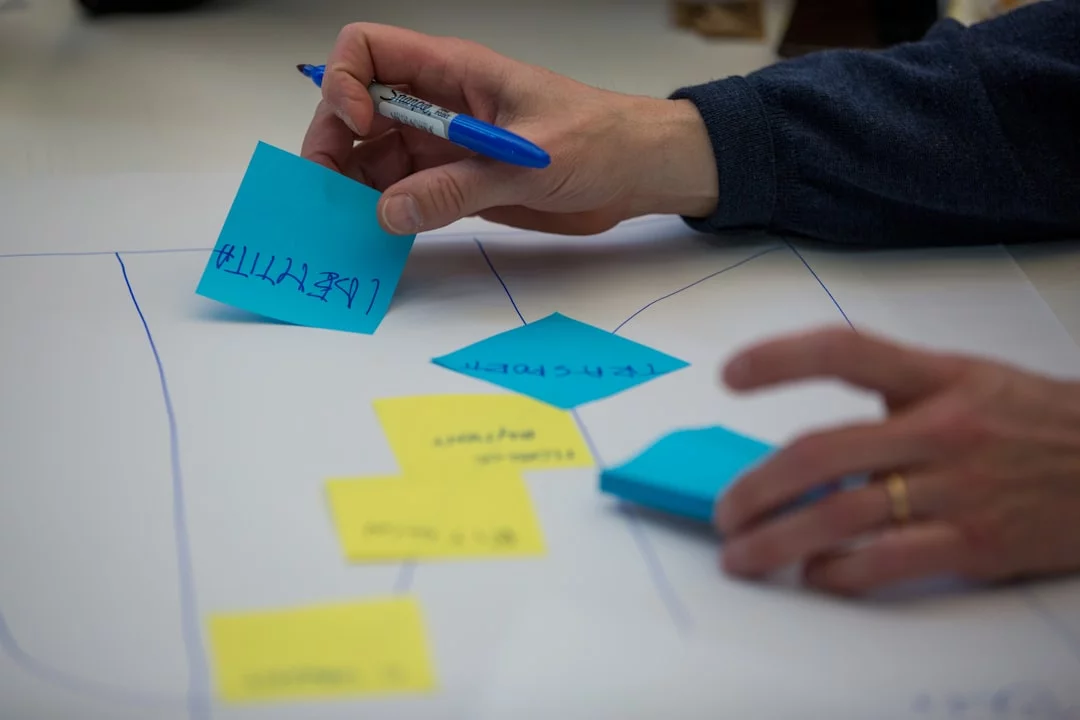
How to build it in 7 steps
- Step 1: Choose paper or digital based on friction. Digital usually wins for search and backlinks between notes, but paper can work for one course.
- Step 2: Capture lecture notes fast. Use rough bullets, timestamps, and question marks for confusion points.
- Step 3: Turn readings into literature notes with source details and 3-7 takeaways, not page-by-page copying.
- Step 4: Write atomic permanent notes in your own words. Aim for one idea per note, 50-150 words, plus a clear title and a why-it-matters line.
- Step 5: Link notes by concept, question, and course. For example: “glycolysis regulation” links to “ATP yield” and “metabolic control under hypoxia.”
- Step 6: Build topic maps for revision and essays. These hub notes gather related ideas into exam themes or argument structures.
- Step 7: Review weekly for 20-30 minutes per course. Convert raw notes into reusable ones, then decide what should become practice questions or active recall flashcards.
Capture first, process later
Don’t try to make perfect notes during class. Research on cognitive load, including work summarized by the National Center for Biotechnology Information on working memory limits, helps explain why comprehension drops when you edit every sentence in real time.
Use a simple student note taking system for fleeting notes:
- Main idea
- Supporting example
- Open question
- Exam clue
Example from psychology: “Operant conditioning — variable ratio rewards persist longest — slot machine example — ? difference from intermittent reinforcement wording — exam clue: compare schedules.” Messy is fine.
Turn readings into reusable notes
For textbooks and papers, start with the SQ3R reading method, especially if the material is dense. Then make literature notes with the source, claim, evidence, and 3-7 takeaways. If one note contains three unrelated ideas, split it.
And yes, source notes matter. Good bibliographic detail saves you later when building essays or checking whether you actually understood the author.
Link notes for revision and writing
This is where a digital zettelkasten for students starts paying off. Create three link types: same concept, opposing claim, and exam or essay relevance. A biology note on glycolysis regulation might link sideways to ATP yield, upward to metabolic control, and forward to a respiration essay plan.
Topic maps then become revision sheets in minutes. The note-taking method itself won’t replace retrieval practice, and evidence on levels of processing in memory fits the basic idea: deeper connections usually support better understanding. Weekly review is the payoff point for the zettelkasten method for students.
Next, let’s make this concrete with real student examples that show how the workflow looks in actual courses.
Real student examples that make it click
So here’s what that 7-step workflow looks like in real classes. The zettelkasten method for students works best when you treat it as one part of a broader system with science-backed study methods, not your whole study life.
And yes, this is where most people finally get it. Students usually fail not because linking is hard, but because they write giant notes, never revisit them, and skip retrieval with an active recall study method.
Example 1: History essay chain
A French Revolution lecture note becomes 5 permanent notes: “Fiscal crisis and state insolvency,” “Enlightenment thought challenged legitimacy,” “Bread prices as a trigger, not a sole cause,” “Elite conflict weakened state response,” and “Popular mobilization changed political opportunity.” That’s a solid zettelkasten for students example because each note can backlink to “causes of regime collapse” and to rival interpretations.
- Lecture day: capture rough source notes
- Weekly review: split into atomic claims
- Pre-essay: pull linked notes into a cause-comparison outline
Example 2: Biology or med school chain
In biology, a reading on inflammation turns into notes on cytokines, the acute-phase response, and clinical implications like fever or CRP interpretation. For medical students, linked notes help explain mechanisms, but spaced repetition still matters because recall-heavy learning is different; if you need that side of the system, see how to use Anki for medical school.
Research on retrieval practice summarized by the American Psychological Association on learning and memory fits this perfectly: understand with notes, memorize with flashcards.
Example 3: Law or social science chain
One case or theory reading becomes notes on precedent, interpretation, critique, and competing frameworks, then links into assignment claims. A pre-exam topic map might connect 7 notes under one doctrine, which is why backlinks between notes help writing-heavy courses more than isolated summaries.
If you’re turning dense readings into literature notes, it helps to read academic papers efficiently first. And for background on linked knowledge systems, Wikipedia’s overview of the Zettelkasten method is a decent starting point.
Which brings us to the next question: when should you use linked notes, and when are regular notes, flashcards, or apps simply better?
Zettelkasten vs notes, flashcards, and apps
Now that the examples are concrete, the real question is comparison. The zettelkasten method for students works best as one part of broader science-backed study methods, not as your whole study system.

Which method fits which task?
Here’s the practical verdict: Cornell notes win for fast lecture capture, linked notes win for understanding and essay building, and flashcards win for recall. If you treat Zettelkasten as a replacement for the active recall study method, you’ll usually study harder, not better.
- Lectures: Cornell notes
- Memorization: flashcards
- Essay writing: Zettelkasten
- Cumulative finals: combine all three
| Task | Best method | Why |
|---|---|---|
| Lectures | Cornell | Fast capture under time pressure |
| Memorization | Flashcards | Built for retrieval practice |
| Essay writing | Zettelkasten | Connects ideas across readings |
| Long-term retention | Zettelkasten + flashcards | Understanding plus recall |
| Setup time | Linear notes | Lowest friction |
| Best-fit courses | History, law, philosophy | Writing-heavy and cumulative |
Need facts on demand? Use linked notes to understand, then make active recall flashcards for formulas, anatomy, dates, or vocabulary.
Best apps without overcomplicating it
What is the best app for students to take notes? Well, actually, that depends on workflow. Obsidian is great for backlinks, local markdown files, and a strong digital zettelkasten for students; Notion is smoother for databases and class dashboards; Apple Notes or plain markdown folders are totally fine if you review every week.
Personally, I think beginners overrate features and underrate consistency. Research on cognitive overload, including summaries in Wikipedia’s overview of cognitive load, helps explain why bloated systems can backfire.
📋 Quick Reference
Best method for lectures: Cornell notes
Best for recall: Flashcards
Best for writing and synthesis: Zettelkasten
Best app if you want ownership and links: Obsidian
Best app if you want convenience: Notion
Best beginner choice: the simplest tool with search and links
A quick setup recommendation
Start small. One vault or notebook, one inbox, one permanent-notes folder, and one weekly review note are enough for a beginner zettelkasten method for students.
Use minimal metadata: title, source, course, links. And yes, this matters — if stress, overload, or focus problems are ongoing, overloaded systems can make things worse, and it’s worth consulting a qualified professional. Next, let’s cover the mistakes that derail most students before the system ever starts working.
Mistakes to avoid and a simple starter plan
That comparison matters because the zettelkasten method for students only works when it stays small, usable, and tied to real study tasks. And yes, this is where most systems quietly fall apart.
The mistakes that waste the most time
The biggest common zettelkasten mistakes are simple: collecting too much, processing too little, and treating digital note taking like progress by itself. If you save 40 highlights but turn none into ideas you can explain, your vault becomes storage, not learning.
Another problem? Writing notes that are too long. A reusable note should usually hold one idea, one claim, or one question-answer pair, not half a lecture transcript.
And here’s the kicker — using linked notes instead of active recall study method practice is a major error. Zettelkasten helps understanding; retrieval practice strengthens recall for exams. No weekly review means the whole system turns into a graveyard.
A starter template you can copy
- Folders: Inbox, Literature, Permanent, Maps, Archive
- Naming rules: “Concept – claim” or “Question – answer”
- Friday 20-minute review: process 5-10 raw notes, create 3-5 permanent notes, add 5-15 links, find 5 flashcard-worthy facts or questions
Your next step this week
How do students start a zettelkasten without overbuilding it? One course only. Create 3 permanent notes from one lecture and one reading, then build one mini topic map before your next revision session.
That gives you a real university study system and helps build habits that stick. Don’t migrate your whole academic life. Start the zettelkasten method for students with one class this week, test it, then expand. If stress, anxiety, sleep issues, or brain fog are seriously hurting your study performance, consult a qualified professional. Next, let’s wrap up with the key FAQs and final takeaways.
Frequently Asked Questions
What is the Zettelkasten method for students?
If you’re asking what is the zettelkasten method for students, the short answer is this: it’s a linked note system built from small, self-contained ideas written in your own words. Instead of storing huge lecture summaries, you create short notes for one concept at a time and connect them to related ideas. For students, the zettelkasten method for students works best for turning lectures, readings, revision topics, and essay arguments into a network you can actually think with, not just a pile of archived information.

How do students start a Zettelkasten without getting overwhelmed?
If you’re wondering how do students start a zettelkasten, keep it boringly simple at first. Pick one course, one note app or notebook, and one weekly review block, then make short notes only for ideas you truly want to reuse. And here’s the part most people get wrong: don’t add tags, plugins, templates, or fancy structures until you have at least 20-30 genuinely useful notes, because complexity too early usually kills consistency.
Is Zettelkasten good for studying and exam revision?
Yes — if your goal is understanding, linking concepts, and writing stronger exam answers, then is zettelkasten good for studying has a pretty solid answer: usually yes. But wait, it’s not enough by itself for high-pressure recall. Use your note system to build understanding, then pair it with active recall and spaced repetition so you can both understand the material and retrieve it fast during exams.
What are the disadvantages of Zettelkasten for students?
When people ask what are the disadvantages of zettelkasten, the biggest one is time. It takes effort to break ideas into small notes, link them well, and review them regularly, especially in the first few weeks. And yes, sometimes it’s overkill — particularly for short modules, cram-heavy classes, or subjects where success depends more on raw memorization than on building connected understanding.
Is Zettelkasten better than Cornell notes for lectures?
For live classes, is zettelkasten better than cornell notes is usually a no. Cornell notes are faster, simpler, and better for capturing information in real time when the lecturer is moving quickly. The Zettelkasten approach becomes useful after class, when you process those rough notes into smaller linked ideas, questions, and connections that support deeper learning and later writing.
Is Zettelkasten better than flashcards for exams?
If you’re asking is zettelkasten better than flashcards, it depends on what the exam demands. For raw recall of facts, terms, formulas, or biological pathways under time pressure, flashcards usually win because they train retrieval directly. The better combo is this: use the zettelkasten method for students to build understanding and connections, then use flashcards to test whether you can pull the right answer from memory; research on retrieval practice summarized by the American Psychological Association supports that basic idea.
What are common Zettelkasten mistakes students make?
The most common answer to what are common zettelkasten mistakes is surprisingly simple: students save too much, write notes that are too long, and skip weekly review. Speaking of which — another big mistake is treating note-making as if it were the same thing as studying. A good system should lead to recall, explanation, and writing practice, not just endless organizing.
What is the best app for students to take notes with a Zettelkasten system?
If you want to know what is the best app for students to take notes, Obsidian is often the strongest fit because it handles backlinks well and gives you long-term ownership of your notes. But personally, I think the best app is the one you’ll actually open and review every single week, even if it’s much simpler. For many students, a lightweight setup beats a powerful one they never maintain — and if you want a simpler note workflow first, start with a basic structure and build up later using tools that fit your study habits.
Conclusion: Start Small, Link Smart, and Let Your Notes Compound
The biggest wins here are simple. First, keep each note focused on one idea, written in your own words. Second, link new notes to older ones so your understanding grows into a usable network instead of a pile of isolated pages. Third, review by following connections and turning key notes into questions, outlines, or short writing prompts. And fourth, don’t overbuild the system — a clear starter structure, consistent naming, and a few strong links beat a “perfect” setup you never use. That’s really the power of the zettelkasten method for students: better recall, easier revision, and less friction when it’s time to write.
If this still feels a bit messy, that’s normal. Seriously. Most students don’t struggle because they’re lazy — they struggle because their notes were never designed to help them think later. But wait, that’s fixable. You don’t need hundreds of notes or a fancy app to make this work. You just need one lecture, one reading, and one idea worth connecting. Start there, and your system gets smarter every week.
If you want help building a study system that actually sticks, explore more on FreeBrain.net. You might like How to Study Effectively for a bigger-picture workflow, or Spaced Repetition for Students to pair your note network with stronger long-term memory. The zettelkasten method for students works best when it becomes part of a repeatable routine. Pick one class, make your first five linked notes today, and give your future self something useful to think with.