
You’re probably not looking for a vague lecture on addiction. You want to understand the addicted brain vs normal brain in real life: why memory gets patchy, why stress hits harder, and why self-control can feel weaker even when someone genuinely wants to stop. That’s the core difference we’ll unpack here, because the addicted brain vs normal brain question isn’t just about chemicals — it’s about changes in reward, learning, stress, and decision-making systems that shape daily behavior.
And yes, this matters fast. If you’ve ever wondered why someone can forget important conversations, react intensely to stress, or relapse after seeming “fine,” you’re asking the right questions. Research from the National Institute on Drug Abuse on how drugs affect the brain explains addiction as a disorder that changes circuits involved in motivation, memory, and control — not just willpower.
So here’s the deal. This article will show you how the addicted brain differs from a healthier baseline, which brain regions are most affected, and how does addiction affect memory and self control in practical terms. You’ll get a clear comparison table, a brain-region map, short answers to common questions, and a realistic section on recovery — including what brain change can improve over time, what may take longer, and why stress and memory problems often feed each other during addiction and early recovery.
We’ll also cover the part most people skip: what you can actually do to support cognitive recovery without hype or false promises. That includes attention, sleep, stress regulation, and habits that help neuroplasticity — because change is possible, and understanding brain rewiring signs can make the process feel a lot less mysterious.
I’m a software engineer, not a neuroscientist. But I built FreeBrain to make brain science practical for self-learners, and in this guide I’ll translate the research into plain English. Quick note: this is educational content, not medical advice, so if you’re dealing with substance use or withdrawal, talk with a qualified healthcare professional.
📑 Table of Contents
- Why addiction changes daily thinking
- Addicted brain vs normal brain
- The 3 brain systems most affected
- Can the brain heal after addiction?
- How to support memory in recovery
- Frequently Asked Questions
- How does addiction affect memory?
- How does addiction affect self-control?
- What causes addiction in the brain?
- How does addiction affect stress response?
- How to improve memory after addiction?
- Can the brain heal after addiction?
- How long does brain recovery take after addiction?
- Which parts of the brain are affected by addiction?
- Conclusion
Why addiction changes daily thinking
So here’s the deal. Addiction changes reward, learning, stress, and executive control systems in the brain, which is why the problem is bigger than “just use more willpower.” In the addicted brain vs normal brain comparison, the biggest difference is often how strongly cues, cravings, and stress can steer attention and choices. Curious about memory and brain health beyond this article? Our memory and brain health guide goes deeper.
Dopamine is a learning-and-motivation signal, not just a “pleasure chemical.” The prefrontal cortex is your control system for planning, inhibition, and judgment. The hippocampus helps form and retrieve memories, while the amygdala helps detect threat and drive stress reactions. And neuroplasticity means the brain can change with experience, for better or worse, which is why recovery is possible and why people look for brain rewiring signs during sobriety. FreeBrain translates neuroscience research into practical tools and articles for learners; this piece is educational, not medical advice.
Quick answers on memory, stress, and control
How does addiction affect memory? Repeated substance use can disrupt attention, encoding, and recall. If your brain doesn’t fully register information in the first place, memory feels weak later. That’s one reason people feel forgetful even when they’re trying hard to focus, especially when stress piles on, as we explain in our piece on stress and memory problems.
How does addiction affect self-control? It can weaken inhibitory control and decision-making, especially when triggers are present. The prefrontal cortex has a harder time overriding fast reward-seeking habits, so urges can feel urgent even when you know the long-term cost.
How does addiction affect stress response? It can make the stress system more reactive. The amygdala and related circuits become more sensitive, which may increase craving, anxiety, and relapse risk; if you want the anatomy, see our guide to brain parts for stress.
- Brain fog can come from impaired attention, not laziness.
- Impulsive choices often reflect weakened top-down control.
- Trouble learning new material can stem from both stress and memory disruption.
What this guide will help you understand
Next, we’ll compare a healthy brain with one affected by addiction in plain English. Research from the National Institute on Drug Abuse on how drugs affect the brain and overview material from NCBI’s chapter on the neurobiology of substance use disorders both support this core idea: repeated use can reshape motivation, stress, and control circuits over time.
But wait. Can the brain heal after addiction? Often, yes—but the recovery timeline varies. Some improvements in sleep, attention, and mental clarity may show up in days or weeks, while memory, stress regulation, and self-control can take months or longer depending on the substance, dose, duration, age, nutrition, sleep, co-occurring conditions, and treatment support. Which brings us to the next section: a clearer addicted brain vs normal brain comparison.
Addicted brain vs normal brain
If the last section explained why addiction changes daily thinking, this is the clearer comparison. The short version? In an addicted brain vs normal brain comparison, the biggest differences show up in reward, self-control, memory, and stress.
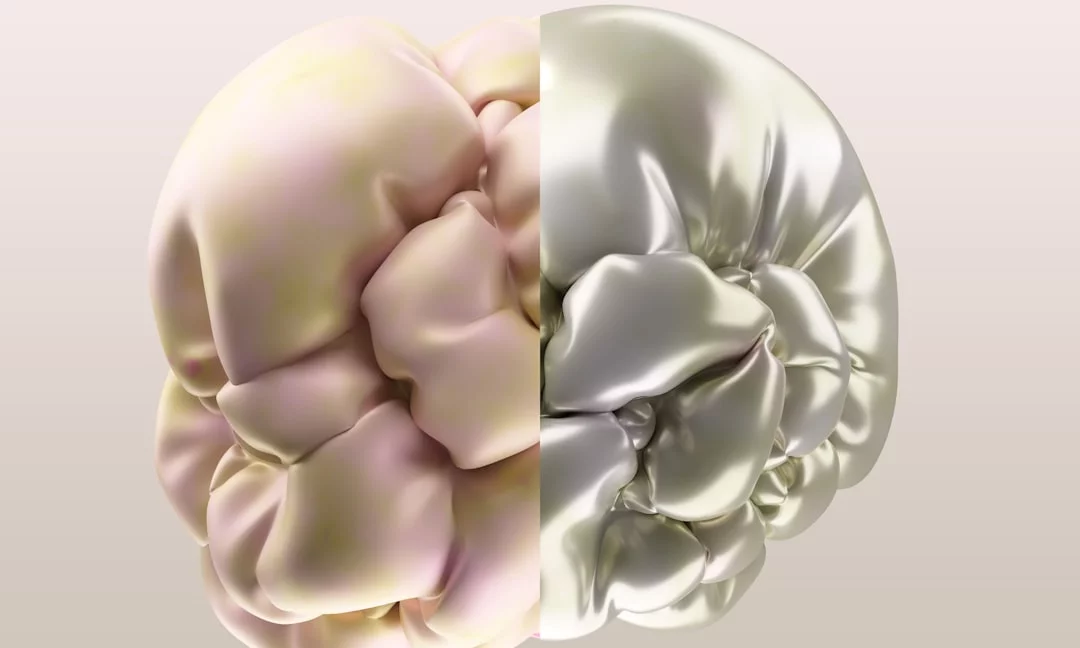
A side-by-side comparison that actually helps
NIDA explains addiction as changes in circuits tied to reward, stress, and self-control, not just “bad choices.” And that matters because those same circuits shape attention, motivation, and learning.
📋 Quick Reference
- Reward system: normal brain = balanced reward response; addicted brain = narrowed motivation toward substance cues and stronger reward circuitry bias.
- Prefrontal cortex: normal brain = better top-down control; addicted brain = weaker inhibition, planning, and delayed gratification.
- Hippocampus: normal brain = steadier memory encoding; addicted brain = stronger cue-linked memories and more trouble learning new information.
- Amygdala/stress system: normal brain = more stable stress regulation; addicted brain = heightened stress reactivity and relapse risk under pressure.
- Daily-life effects: more distractibility, impulsive choices, stronger urges, and poorer follow-through.
For a plain-language overview of how substance use alters motivation, see our guide to brain motivation systems. And for the broader research picture, the National Institute on Drug Abuse explanation of how drugs affect the brain is still one of the best starting points.
Why these differences show up in real life
So why can someone know the risks and still use? Because stronger cue-driven motivation can overpower weaker executive control. That’s the part most people miss.
- Missed deadlines from poor planning and distractibility
- Forgotten conversations or reading material from weaker memory encoding
- Impulsive spending or risky choices from reduced inhibitory control
- Relapse after minor conflict, fatigue, or overwhelm from stress sensitivity
Research on addiction neurobiology consistently points to disrupted prefrontal function and stress signaling, which helps explain why reading, note-taking, and planning can suddenly feel much harder. If stress is already wrecking recall, this article on stress and memory problems connects that loop in practical terms.
From experience: what learners usually notice first
After building learning tools, I’ve noticed people usually report three early problems together: brain fog, low frustration tolerance, and poor recall. Well, actually, memory drills often fail at first not because the person “isn’t trying,” but because attention and stress regulation are still unstable.
The addicted brain vs normal brain contrast also varies by substance, dose, sleep, and history. Not everyone shows the same pattern or severity. For a clearer map of the stress side, our breakdown of brain parts for stress helps connect the amygdala and hippocampus to real symptoms, while NCBI’s overview of neurobiology of substance use disorders summarizes the evidence.
Which brings us to the next question: which brain systems take the biggest hit first?
The 3 brain systems most affected
So what actually changes in an addicted brain vs normal brain? The clearest pattern shows up in three systems that shape self-control, memory, and stress. Dopamine matters here, but not as a simple “pleasure chemical” — it also helps tag salience, learning, and motivation, which is why cues, routines, and triggers get so sticky in the first place.
If you want the short version, think reward learning gone off-balance. Repeated substance use can overtrain certain habits while weakening the systems that help you pause, remember your goals, and ride out discomfort. That’s also why early brain rewiring signs can feel uneven rather than dramatic.
Prefrontal cortex: self-control gets weaker
The prefrontal cortex handles executive function: planning, inhibitory control, decision making, and staying on task. When prefrontal cortex addiction self control gets disrupted, delayed rewards lose their pull. You mean to stop, then check messages, skip responsibilities, or use again after one stressful cue. “Just stop” advice misses the brain-level problem.
Hippocampus: memory and learning suffer
The hippocampus is a memory hub. It helps form and organize new memories, and when attention is unstable, encoding gets weaker from the start. That’s a big reason memory and concentration brain problems often show up together.
- Working memory problems: holding information in mind right now
- Long-term memory problems: storing or retrieving it later
- Concentration problems: poor input, so memory never gets built well
Amygdala: stress gets louder
The amygdala helps detect threat and emotional salience. In substance use disorder, stress, cues, and withdrawal discomfort can amplify craving and relapse risk. Research summarized by the NCBI overview of the neurobiology of substance use disorders describes how stress circuits and reward circuits become tightly linked. If you’ve noticed the overlap between stress and memory problems or want a map of the broader brain parts for stress, this is the system to watch.
Cortisol is part of that stress response, but it’s not the whole story. And yes, that matters. The NIAAA explanation of the addiction cycle shows how negative emotional states can help drive relapse.
Common mistakes and what to avoid
- Don’t assume all substances affect the brain the same way; alcohol, opioids, stimulants, cannabis, and sedatives can differ a lot.
- Don’t read every memory lapse as permanent damage; sleep, nutrition, and stress can improve cognitive function over time.
- Don’t expect motivation to return before sleep and stress regulation improve.
- Don’t self-manage dangerous withdrawal; severe symptoms need medical support.
That’s the practical difference in an addicted brain vs normal brain: weaker top-down control, noisier stress signals, and less reliable memory encoding. Which brings us to the next question: can these systems recover, and how long does healing usually take?
Can the brain heal after addiction?
Those three systems don’t stay frozen. The short answer is yes: research suggests an addicted brain vs normal brain pattern can shift during recovery because neuroplasticity allows circuits to adapt, and some people notice early brain rewiring signs within weeks.
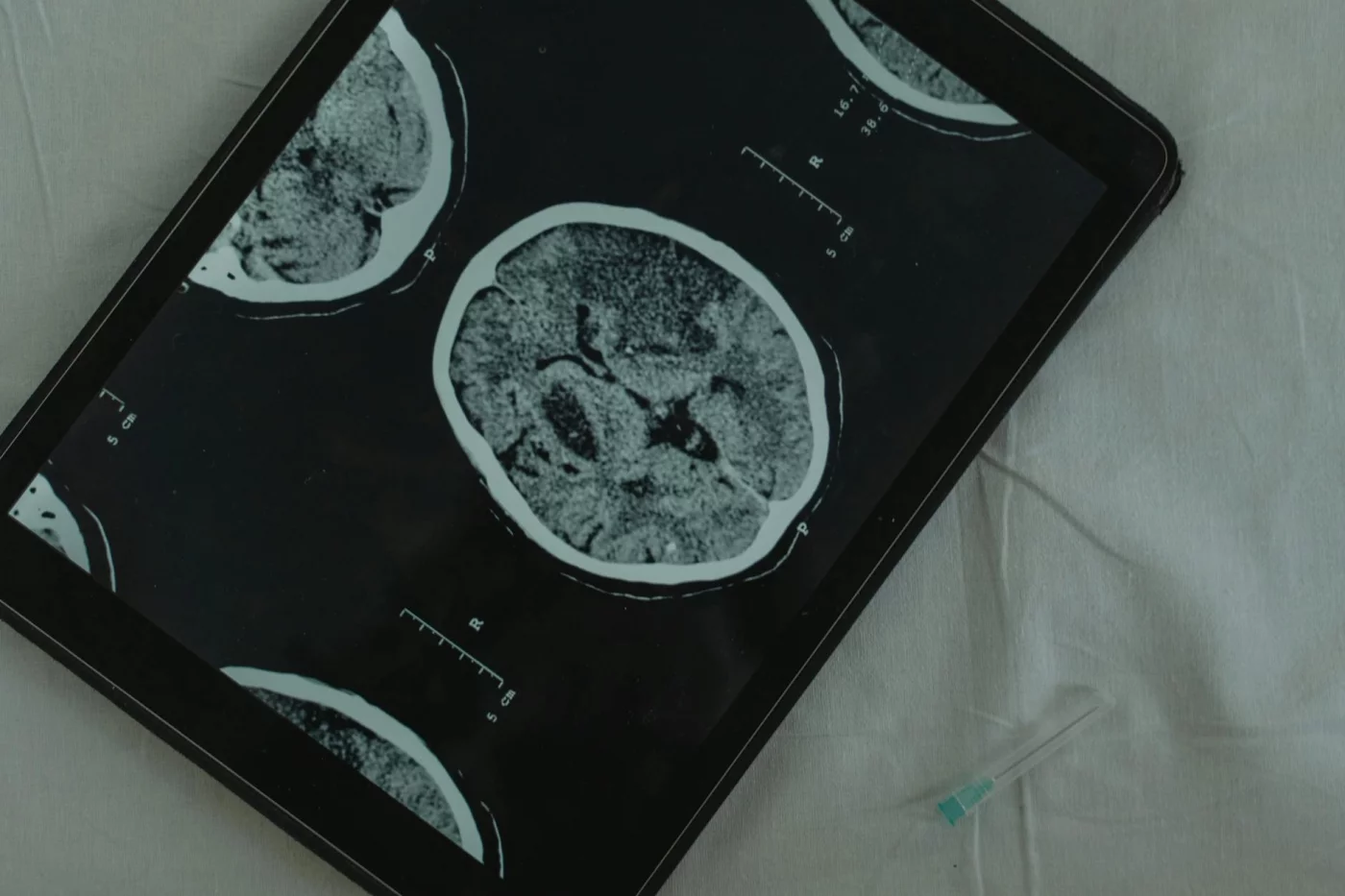
But wait. Healing is uneven, not linear, and highly individual. How long does brain recovery take after addiction? It depends on the substance, age, years of use, sleep, nutrition, mental health, and treatment support; the National Institute on Drug Abuse’s overview of treatment and recovery also notes addiction is a chronic, treatable medical condition.
What may improve first
In days to weeks, some people get clearer mornings, slightly better focus, and less chaotic sleep. Others feel worse before better, especially when stress is high, which is why stress and memory problems often show up early in sobriety and brain healing.
Weeks to months may bring:
- steadier attention
- fewer stress spikes
- better emotional control
- more ability to learn routines
What can take longer
Memory recovery after substance abuse, motivation, and self-control often improve more slowly than people expect. That’s especially true when the brain motivation systems and prefrontal circuits were heavily affected.
Working memory, executive function, and emotional regulation may take months or longer. And yes, the addicted brain vs normal brain gap can narrow, but persistent cognitive symptoms deserve professional evaluation, especially if they affect school, work, or safety.
When recovery needs medical support
Addiction is a medical condition, and withdrawal can be dangerous depending on the substance. Get professional help fast for severe withdrawal, suicidality, confusion, seizures, hallucinations, overdose risk after relapse, or ongoing cognitive decline.
Depression, anxiety, trauma, sleep disorders, and nutritional deficits can slow recovery. Which brings us to the next question: how do you support memory while the brain is still healing?
How to support memory in recovery
If the last section answered “can the brain heal after addiction?”, this is the practical follow-through. The addicted brain vs normal brain comparison helps explain why memory, stress, and self-control feel off at first—but it also points to habits that support recovery.
A 5-step recovery support plan
How to rebuild attention and memory
- Step 1: Stabilize basics first: keep a regular sleep window, eat consistent meals, drink water, take prescribed medication exactly as directed, and keep medical follow-up appointments.
- Step 2: Lower stress load: reduce triggers, simplify your space, and use brief breathing resets or improve focus under stress strategies before your brain feels overloaded.
- Step 3: Rebuild attention before memory drills: use 5-15 minute focus blocks, one task at a time, in a low-distraction setting.
- Step 4: Use simple memory tools: active recall, spaced repetition, checklists, phone reminders, and teach-back summaries.
- Step 5: Track progress weekly: note sleep, focus minutes, missed tasks, and recall wins instead of expecting daily breakthroughs.
Real-world application for students and professionals
For a student, keep it small: 10 minutes of reading, 2 minutes recalling the main ideas from memory, then one flashcard review later that day. Add a fixed bedtime target. That’s how to improve memory after addiction recovery without turning it into a huge willpower test.
For a professional, try three priorities on a morning list, calendar reminders for deadlines, one meeting-note template, and a 5-minute walk before demanding work. Why do external systems matter? Because when working memory is shaky, offloading tasks cuts failure points and reduces brain fog.
Quick Reference
📋 Quick Reference
- Sleep: same wake time, regular meals, hydration.
- Stress: reduce cues, use short calming breaks.
- Attention: 5-15 minute blocks, one task only.
- Memory: recall practice, spaced review, reminders.
- Tracking: review weekly, not emotionally hour by hour.
Don’t expect instant motivation, perfect focus, or linear progress. Personally, I think that’s the trap most people fall into with memory recovery after substance abuse.
Closing message
The addicted brain vs normal brain frame is useful because it explains the struggle; it doesn’t mean you’re stuck. Neuroplasticity is real, and low-friction routines can help you improve memory after addiction over time—especially with professional support when symptoms are severe or persistent.
This week, pick one stress trigger to reduce, one sleep habit to tighten, and one memory tool to use daily. And if there’s withdrawal risk, major mood changes, or lasting cognitive problems, talk to a qualified clinician. Next, let’s wrap up the biggest questions and key takeaways.
Frequently Asked Questions
How does addiction affect memory?
If you’re wondering how does addiction affect memory, the short answer is that it can interfere with the whole process: attention, encoding, storage, and recall. In many cases, memory problems start before information is even stored well, because active use, craving, stress, and poor concentration make it harder for your brain to focus in the first place. Sleep disruption and high stress can make this worse during active addiction and early recovery, which is one reason the addicted brain vs normal brain comparison often shows weaker day-to-day learning and recall. If memory issues are severe or persistent, it’s smart to speak with a qualified healthcare professional.
How does addiction affect self-control?
How does addiction affect self control? A big part of the answer involves the prefrontal cortex, which helps with inhibitory control, planning, decision-making, and delaying gratification. When this system is underpowered and cue-driven motivation is strong, simply knowing the risks often isn’t enough to stop the behavior—especially when stress is high, sleep is poor, or triggers are everywhere. That’s why relapse risk isn’t just about willpower; it’s also about brain systems competing in real time.
What causes addiction in the brain?
What causes addiction in the brain usually comes down to a mix of reward learning, dopamine disruption, habit formation, and stress-system changes. Repeated exposure teaches the brain that a substance or behavior is highly important, so cues start grabbing attention fast and pushing action almost automatically. But wait—risk isn’t explained by one brain chemical alone: genetics, environment, trauma, mental health, and frequency of use all shape vulnerability. For a broad medical overview, see NIDA’s science of addiction.
How does addiction affect stress response?
If you want to know how does addiction affect stress response, evidence suggests it can make the brain’s stress systems more reactive over time. The amygdala becomes more sensitive, cues can feel more emotionally charged, and ordinary stressors may start to feel overwhelming, which can raise craving and relapse risk. In practical terms, the addicted brain vs normal brain pattern often includes stronger reactivity to both external triggers and internal stress, so recovery plans usually work better when they include stress management—not just abstinence.
How to improve memory after addiction?
How to improve memory after addiction starts with the basics first: better sleep, regular meals, hydration, lower stress, and professional care when needed. Then add simple supports that actually work—recall practice, spaced repetition, checklists, calendars, and phone reminders—because external systems reduce the load on a recovering brain. Personally, I think this is the part most people skip: they try harder instead of building better memory scaffolds. If you want practical study-style tools, start with FreeBrain’s memory and recall resources such as FreeBrain and use short, repeatable review sessions rather than marathon effort.
Can the brain heal after addiction?
Can the brain heal after addiction? Yes—carefully said, research suggests the brain can change during recovery, but healing is uneven and highly individual. Some functions may improve in days or weeks, especially attention, sleep, and mental clarity, while other changes involving motivation, stress reactivity, or decision-making may take months or longer. Which brings us to the key point: recovery isn’t usually linear, so slow progress doesn’t mean no progress.
How long does brain recovery take after addiction?
How long does brain recovery take after addiction doesn’t have one universal timeline. It depends on the substance, dose, duration of use, age, sleep, nutrition, co-occurring mental or physical health conditions, and whether you’re getting treatment and support. Broadly, some changes happen over days and weeks, others over months, and some longer-term improvements may continue well beyond that—so it’s better to think in phases than promises. This is educational, not medical advice, and a qualified clinician can help you understand what recovery may look like in your specific case.
Which parts of the brain are affected by addiction?
Which parts of the brain are affected by addiction most often includes the prefrontal cortex, hippocampus, amygdala, and reward circuitry. In plain English: the prefrontal cortex is tied to self-control and planning, the hippocampus to memory and learning, the amygdala to stress and emotional reactivity, and reward pathways to motivation, craving, and reinforcement. That’s the practical map behind the whole addicted brain vs normal brain discussion. For a research-based overview of brain regions and addiction, PubMed is a useful starting point: PubMed.
Conclusion
If you remember four things, make them these: addiction changes the brain systems tied to reward, stress, and self-control; that’s why cravings can feel urgent and decision-making can get pulled off course. Recovery works better when you stop treating it like a willpower problem and start treating it like brain support. That means protecting sleep, reducing high-risk cues, using repetition to rebuild memory, and keeping routines simple enough to repeat on hard days. And when you compare the addicted brain vs normal brain, the biggest difference isn’t character — it’s how those brain circuits have been trained over time.
But here’s the hopeful part: brains can change again. Research suggests recovery can improve attention, emotional regulation, and learning over time, even if healing isn’t instant. Some days will feel clear. Others won’t. That doesn’t mean you’re failing. Personally, I think this is the part most people need to hear: progress in recovery is often quiet at first, then obvious later. Small, repeated actions matter more than dramatic resets.
If you want practical next steps, keep learning with FreeBrain. You can read How to Improve Memory and Concentration for strategies that support recall during recovery, and Spaced Repetition to learn a simple system for rebuilding memory through review. The more clearly you understand the addicted brain vs normal brain, the better you can work with your brain instead of fighting it. Start small, stay consistent, and build the conditions your brain needs to recover.