
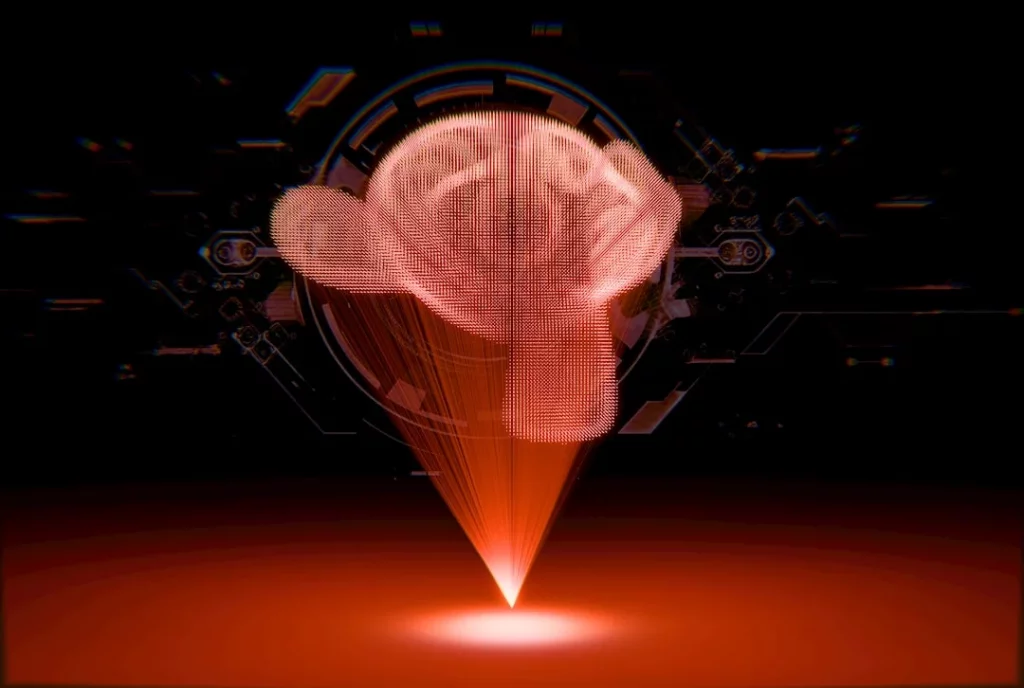
If you’re wondering what part of the brain is responsible for stress, the short answer is this: stress mainly involves the amygdala, hypothalamus, and the body-wide HPA axis, while short-term memory depends heavily on the prefrontal cortex and new memory formation relies on the hippocampus. But wait — most brain jobs don’t live in one tiny spot. They’re handled by connected networks, not isolated switches.
That matters more than most articles admit. You don’t just want a textbook answer to what part of the brain is responsible for stress; you want to know why stress wrecks recall, why speech can fall apart under pressure, and why your thinking feels slower when you’re overwhelmed. If that’s you, you’re not imagining it — research summarized by the National Center for Biotechnology Information on the stress response helps explain why threat detection and hormone signaling can interfere with learning and memory.
So here’s the deal. This article answers the exact questions people actually search for: what part of the brain is responsible for memory, emotions, speech, balance, reasoning, decision making, and more. You’ll get a simple parts of the brain and their functions chart, direct function-by-function answers, and clear nuance about where one brain region matters most versus where several regions work together.
And yes, we’ll also connect the science to real studying. If you’re trying to understand why working memory collapses under pressure, start with our guide to attention and working memory; if stress is making recall feel unreliable, our breakdown of stress and memory loss will help you make sense of it. Personally, I think this function-first approach is far more useful than memorizing anatomy terms you’ll forget tomorrow.
I built FreeBrain as a software engineer and self-taught learner who needed practical answers, not vague neuroscience trivia. So instead of a generic anatomy lesson, you’re about to get the fastest useful answer to what part of the brain is responsible for stress — and the rest of the functions you’re probably here to look up too.
📑 Table of Contents
- The quick answer and chart
- Memory, stress, and emotions
- Thinking, speech, balance, and next steps
- Frequently Asked Questions
- What part of the brain is responsible for memory?
- What part of the brain is responsible for stress and anxiety?
- What part of the brain is responsible for speech?
- What part of the brain is responsible for balance and coordination?
- Which part of the brain is responsible for intelligence?
- What is the right side of the brain responsible for?
- Conclusion
The quick answer and chart
So here’s the direct version. If you’re asking what part of the brain is responsible for stress, the short answer is: no single spot does it alone. Short-term memory leans heavily on the prefrontal cortex, new memory encoding depends on the hippocampus, and stress involves the amygdala, hypothalamus, brain stem, and the HPA axis working together. For more on productivity and focus, see our productivity and focus guide.
Memory has key hubs, but not a single memory button. If you want the study-focused version, start with our memory and concentration guide and then compare it with our breakdown of attention and working memory.
Direct answer in plain English
Most people searching what part of the brain is responsible for memory or stress really need one main region plus the supporting network. That’s the useful model. And it’s also the honest one.
📋 Quick Reference
Educational content only, not diagnosis or treatment. For severe anxiety, memory loss, speech changes, or balance problems, consult a qualified healthcare professional. FreeBrain was built by a software engineer translating neuroscience into practical study tools, while relying on sources such as the National Institute of Neurological Disorders and Stroke and NCBI Bookshelf for health-adjacent claims.
At-a-glance brain chart
- Prefrontal cortex: holds and manipulates information for seconds; you notice it when doing mental math or following directions.
- Hippocampus: helps turn experience into longer-lasting memory; you notice it when learning names or routes.
- Amygdala: detects threat and emotional salience; you notice it in fear, urgency, and emotional reactions.
- Hypothalamus: helps trigger the body’s stress response; you notice it in sweating, tension, and stress arousal.
- Frontal/temporal language areas: support speech and comprehension; you notice it in word finding and understanding conversation.
- Cerebellum: fine-tunes movement and timing; you notice it in coordination and smooth actions.
- Brain stem: supports breathing, heart rate, arousal, and stress signaling; you notice it in alertness and basic survival functions.
What most pages oversimplify
A simple brain function chart helps. But real brain regions overlap, cooperate, and change with context. That matters for stress, memory, emotions, speech, balance, attention, and decision-making.
Three topics get oversold fast: intelligence, consciousness, and left-brain/right-brain claims. We’ll stick to well-supported basics here, and where the science is debated, I’ll say so clearly. Which brings us to memory, stress, and emotions.
Memory, stress, and emotions
The chart gives the fast map. Now let’s connect the parts that students mix up most: memory, stress, and emotion.
Short-term memory vs. memory formation
If you’re asking what part of the brain is responsible for short term memory, the best answer is the prefrontal cortex. It supports working memory: holding a 6-digit code, tracking the start of a sentence, or keeping 2–3 task steps active for a few seconds. For a deeper breakdown, see our memory and concentration guide and this piece on attention and working memory.
But what part of the brain is responsible for recall? Not exactly one spot. The hippocampus is central for forming new long-term memories, like learning biology terms today and remembering them next week, while prefrontal systems help cue retrieval.
What part of the brain is responsible for stress
Stress is a network, not a single switch. The amygdala flags threat relevance, the hypothalamus helps start the response, the brain stem supports arousal, and the HPA axis drives cortisol release; the HPA axis overview is a useful primer. Under deadline pressure, working memory gets crowded and recall can feel worse even when learning happened.
Emotions and regulation
What part of the brain is responsible for emotions? Limbic regions matter a lot. What part of the brain is responsible for emotional regulation? More the prefrontal cortex, which helps you pause, label panic, breathe, and reframe before a presentation.
Common mistakes to avoid
- The hippocampus isn’t the brain’s only “memory center.”
- The amygdala doesn’t cause all anxiety by itself.
- Cortisol isn’t always harmful, and stress doesn’t always erase learning.
Next, we’ll map the brain systems tied to thinking, speech, and balance.
Thinking, speech, balance, and next steps
Memory and emotion set the stage, but action depends on control systems. If you’re asking what part of the brain is responsible for stress, the fuller answer is networks—and the same is true for thinking, language, and movement.
Decision-making and executive control
For what part of the brain is responsible for decision making, reasoning, thinking, and “willpower,” the best short answer is the prefrontal cortex. More precisely, executive function depends on frontal networks that help you plan, inhibit impulses, hold goals in mind, and weigh tradeoffs—like studying instead of scrolling.
Speech, language, and coordination
Speech isn’t one neat box. Frontal regions often support speech production, while the temporal lobe plays a major role in understanding language, usually in the brain’s dominant language hemisphere; for more on this, see our communication skills and the brain. Balance and coordination rely heavily on the cerebellum, with the brain stem and sensory input helping you stand upright, type smoothly, or catch a ball. And the left-brain/right-brain myth? Some functions are lateralized, but “left = logical, right = creative” is far too simple.
Real-World Application: a 4-step reset
How to reset under pressure
- Step 1: Close extra tabs to reduce input load.
- Step 2: Write your next 3 tasks on paper.
- Step 3: Do a 5-question self-quiz instead of rereading.
- Step 4: Take 60–90 seconds of slow breathing, then try recall again.
What to remember
- Prefrontal cortex: executive control and goal maintenance
- Hippocampus: forming new memories
- Stress systems: amygdala, hypothalamus, HPA axis
- Speech and language: frontal-temporal networks
- Cerebellum: coordination and timing
Sudden speech trouble, major balance changes, severe memory decline, or persistent anxiety symptoms deserve prompt medical evaluation. If you came here asking what part of the brain is responsible for stress, remember: no single region works alone—and next, I’ll wrap this up with quick answers and final takeaways.
Frequently Asked Questions
What part of the brain is responsible for memory?
If you’re asking what part of the brain is responsible for memory, the short answer is: it depends on the type of memory. Working memory relies heavily on the prefrontal cortex, while forming new long-term memories depends strongly on the hippocampus. But wait — memory isn’t one single system, so habits, emotional memories, and recall also involve wider brain networks rather than one isolated “memory center.”

What part of the brain is responsible for stress and anxiety?
What part of the brain is responsible for stress and anxiety? It’s mainly a network that includes the amygdala, hypothalamus, brain stem, and the HPA axis, which helps control your body’s stress response. That’s also why the answer to what part of the brain is responsible for stress isn’t just one structure — your brain coordinates threat detection, hormone release, and body arousal as a system. If anxiety symptoms are persistent, intense, or disruptive, consult a qualified healthcare professional, because this topic crosses into medical care, not just education.
What part of the brain is responsible for speech?
When people ask what part of the brain is responsible for speech, they’re usually talking about a language network rather than one spot. Frontal regions are often more involved in speech production, while temporal regions play a major role in language comprehension. And here’s the kicker — the exact pattern can vary by person, and it can also change depending on whether you’re naming objects, reading, listening, or speaking in more than one language.
What part of the brain is responsible for balance and coordination?
The cerebellum plays a major role in the answer to what part of the brain is responsible for balance and coordination. It helps with timing, posture, and smooth, accurate movement, but stable movement also depends on brain stem pathways and constant sensory input from your muscles, joints, inner ear, and eyes. If you want a broader overview of how brain systems work together, see FreeBrain’s brain basics content at FreeBrain.
Which part of the brain is responsible for intelligence?
If you’re wondering which part of the brain is responsible for intelligence, there isn’t a single “intelligence center.” Reasoning, problem-solving, and complex thinking depend on distributed networks, especially frontal and parietal systems working together. Personally, I think this is the part most people get wrong: neuroscience is more complex than neat pop-science diagrams suggest, and evidence from brain imaging keeps pointing to connected systems rather than one magic region. For a research-based overview of brain anatomy, the NCBI brain anatomy reference is a solid starting point.
What is the right side of the brain responsible for?
What is the right side of the brain responsible for? Some functions are more lateralized, and the right hemisphere is often linked with certain aspects of spatial processing, attention, and parts of emotional or nonverbal processing. But OK wait, let me back up — the popular idea that the right brain is purely creative and the left brain is purely logical is too simple. Most real-world tasks, including the systems involved in what part of the brain is responsible for stress, depend on both hemispheres working together through highly connected networks.
Conclusion
If you remember just a few things, make them these: the hippocampus helps form new memories, the amygdala flags emotional relevance and threat, the prefrontal cortex helps you think, plan, and regulate reactions, and the cerebellum supports balance and smooth movement. So when you ask what part of the brain is responsible for stress, the short answer isn’t one tiny “stress center.” It’s mainly the amygdala, hypothalamus, and prefrontal cortex working together. And here’s the practical part — understanding those roles can help you study smarter, spot why stress disrupts recall, and build habits that support clearer thinking and better learning.
That matters more than most people realize. If stress has been making you feel scattered, forgetful, or mentally slow, you’re not broken — your brain is responding the way brains often do under pressure. But wait, that’s also the good news. Brains adapt. With better sleep, retrieval practice, focused study blocks, movement, and stress-management habits, you can give the systems behind memory, speech, and attention a much better chance to do their job.
Want to keep going? Explore more evidence-based guides on FreeBrain, including How Memory Works and How to Reduce Stress While Studying. If this article helped you understand what part of the brain is responsible for stress and other core functions, the next step is simple: learn the science, apply one strategy today, and keep building a brain-friendly system that actually works.