If you’re asking what is the neuroscience education institute and what does it do, the short answer is this: NEI is a clinician-focused education organization best known for psychopharmacology training, CME courses, conferences, podcasts, and practical tools used by mental health professionals. But people searching what is the neuroscience education institute and what does it do usually want more than a definition—they want to know why it suddenly seems to be everywhere, from conference searches to Reddit threads to login and membership questions.
And that trend is the interesting part. Why is a specialist psychiatry education brand showing up in broader search results now? Usually it’s some mix of conference season, podcast exposure, continuing education demand, and plain old curiosity from students and self-learners who see “neuroscience” in the name and wonder whether it’s useful for them too—especially if they’re already interested in topics like how attention affects learning or trying to separate real brain science from flashy branding.
So here’s the deal. This article will explain what is the neuroscience education institute and what does it do in plain English, why the platform is trending, whether it’s legit, what membership actually appears to offer, and how to think about its value if you’re a clinician, student, or just a curious learner. We’ll also translate NEI’s professional education model into practical study terms—because if you’re not a prescriber, you still need a way to judge whether expert content is worth your time, and whether methods like retrieval practice vs rereading matter more for your learning than simply consuming more lectures.
Quick credibility note: I’m a software engineer, not a psychiatrist, and I write from the perspective of someone who builds evidence-based learning tools for self-directed learners. For background on the broader field NEI operates in, the Wikipedia overview of psychopharmacology is a useful starting point before we get into why this organization is trending in the first place.
📑 Table of Contents
- What is the neuroscience education institute?
- Why NEI is trending right now
- What NEI offers and how to judge it
- Should you use it? A quick decision guide
- Frequently Asked Questions
- Why is Neuroscience Education Institute trending in USA searches right now?
- Is Neuroscience Education Institute legit for clinicians?
- Is NEI membership worth it for residents, students, or practicing clinicians?
- What is Neuroscience Education Institute Spring Congress?
- How do you get Neuroscience Education Institute login help or access resources?
- Is Neuroscience Education Institute good for students or self-learners?
- Conclusion
What is the neuroscience education institute?
So, now that we’ve framed the topic, let’s get specific. If you’re wondering what the neuroscience education institute and what does it do, the short answer is: it’s a clinician-focused education organization best known for psychiatry and psychopharmacology training. For more on memory and brain health, see our memory and brain health guide.

The one-paragraph answer
What is the neuroscience education institute? NEI is an education platform centered on psychiatry, neuroscience-informed clinical practice, and professional learning tools. Official materials indicate it offers courses, conferences, podcasts, and clinical support resources for mental health professionals, not broad beginner neuroscience lessons.
Readers usually land here after seeing the name in search results, Reddit threads, conference listings, or podcast mentions. And yes, the branding can sound student-friendly at first glance, especially if you’re already interested in how attention affects learning.
Who it’s really built for
The strongest fit is:
- psychiatrists and other prescribing clinicians
- psychiatric NPs/PAs and residents
- trainees in mental health clinician training
Psychopharmacology means the study and clinical use of psychiatric medications. CME means continuing medical education, the ongoing learning many clinicians need or value in practice, as explained by the Wikipedia overview of continuing medical education and the Wikipedia page on psychopharmacology.
For a neuroscience education institute for students, the fit is weaker unless you want expert-level exposure. A psychiatry resident may use NEI for prescribing updates, while a pre-med or psychology student may get more immediate value from basics like retrieval practice vs rereading and structured media notes from video lectures.
Why FreeBrain is covering it
This article isn’t sponsored by NEI. We’re separating verified facts from our interpretation about search trends, membership value, and why branded expert content pulls attention so strongly.
That distinction matters. People often assume “neuroscience” means beginner-friendly brain education, but often it means specialist clinical material instead. Which brings us to why NEI is trending right now.
Why NEI is trending right now
Now that we’ve covered what NEI is, the next question is obvious: why are more people searching for it? When people ask what is the neuroscience education institute and what does it do, they’re often reacting to visibility, not necessarily a sudden change in the organization itself.
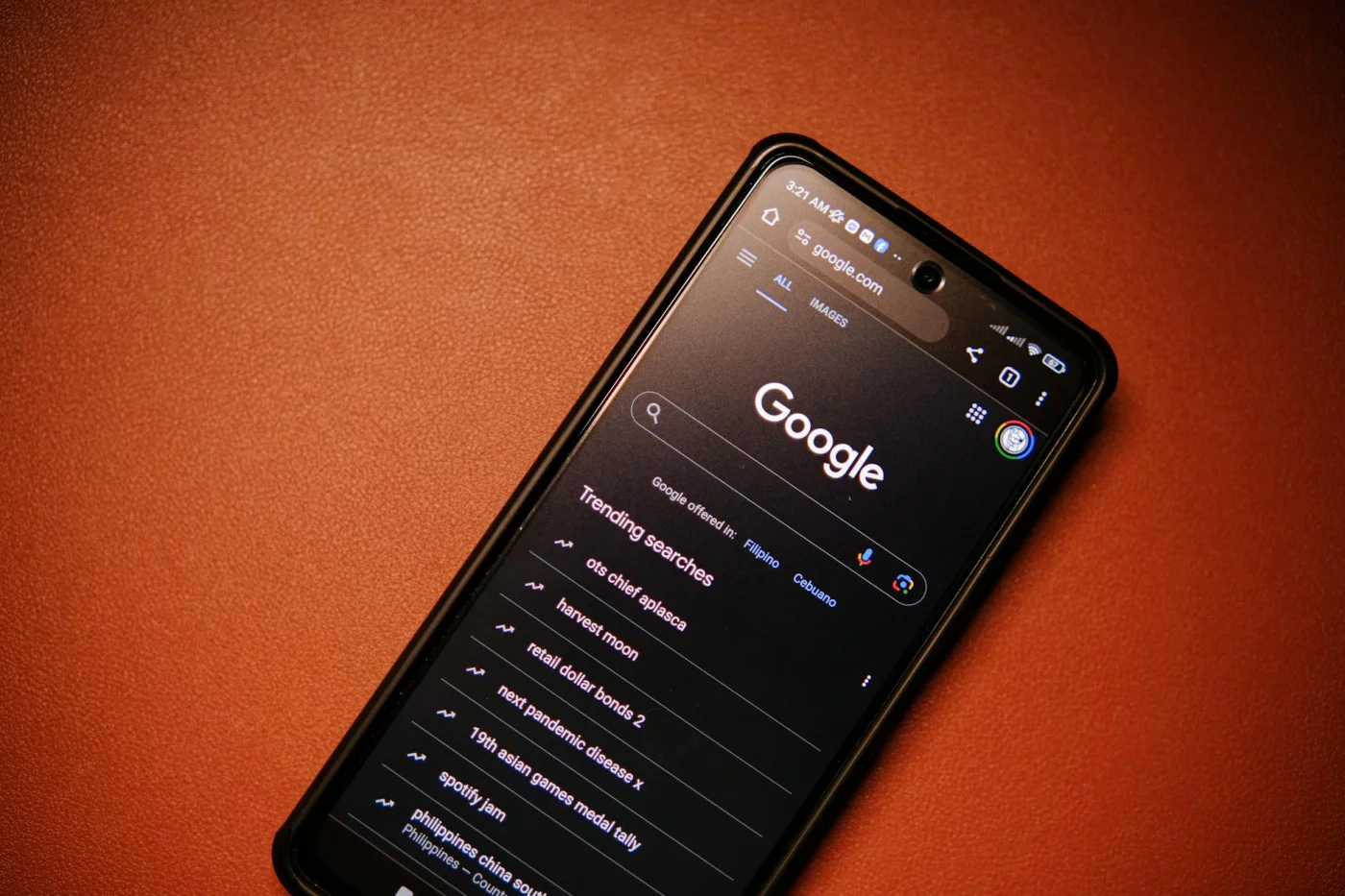
That matters because neuroscience-branded education naturally pulls attention, especially when topics overlap with prescribing, psychiatry training, and brain-based learning. If you want a cleaner lens for that, see how attention affects learning.
Likely drivers behind the search spike
So here’s the deal. A search trend spike for an education brand usually means more branded searches, Reddit mentions, event queries, login help, and “is this worth paying for?” comparisons. Likely drivers include conference season, podcast visibility, membership searches, and clinician education cycles.
- Spring Congress timing can increase branded searches before and during major events.
- Podcast clips and speaker appearances often create short bursts of curiosity.
- CME deadlines, psychiatry rotations, and faculty recommendations can push trainees to look NEI up fast.
And yes, people also search because they saw “neuroscience education institute trending reddit” or “nei global neuroscience education institute trending” and want context. If you’re learning from talks or podcasts, don’t just rewatch—use retrieval practice vs rereading to turn exposure into memory.
What trending does and doesn’t mean
What is the neuroscience education institute and what does it do becomes a trend query when brand interest rises. But wait. Trending doesn’t automatically mean best-in-class, low quality, scam, or breakthrough.
It may simply reflect search behavior. Conference marketing, social sharing, and professional deadlines can all raise visibility without any major institutional change. Even basic concepts like search engine behavior and seasonal information seeking help explain why search volume can jump.
Common mistakes to avoid
This is the part most people get wrong. They treat Reddit buzz as a verdict, assume neuroscience branding means beginner-friendly teaching, or buy a membership before checking fit.
A better approach? Judge the resource by audience, goals, and evidence standards. For evaluating claims, it helps to know how researchers think about continuing medical education, and if you do watch NEI sessions, use how to take notes from video lectures so you don’t slip into passive consumption.
Which brings us to the next question: what does NEI actually offer, and how do you decide whether any of it is worth your time or money?
What NEI offers and how to judge it
That search spike makes more sense once you see the product mix. If you’re asking what is the neuroscience education institute and what does it do, the short answer is this: it packages psychiatry-focused education into courses, events, audio content, and clinical tools.

Courses, conferences, podcast, and tools
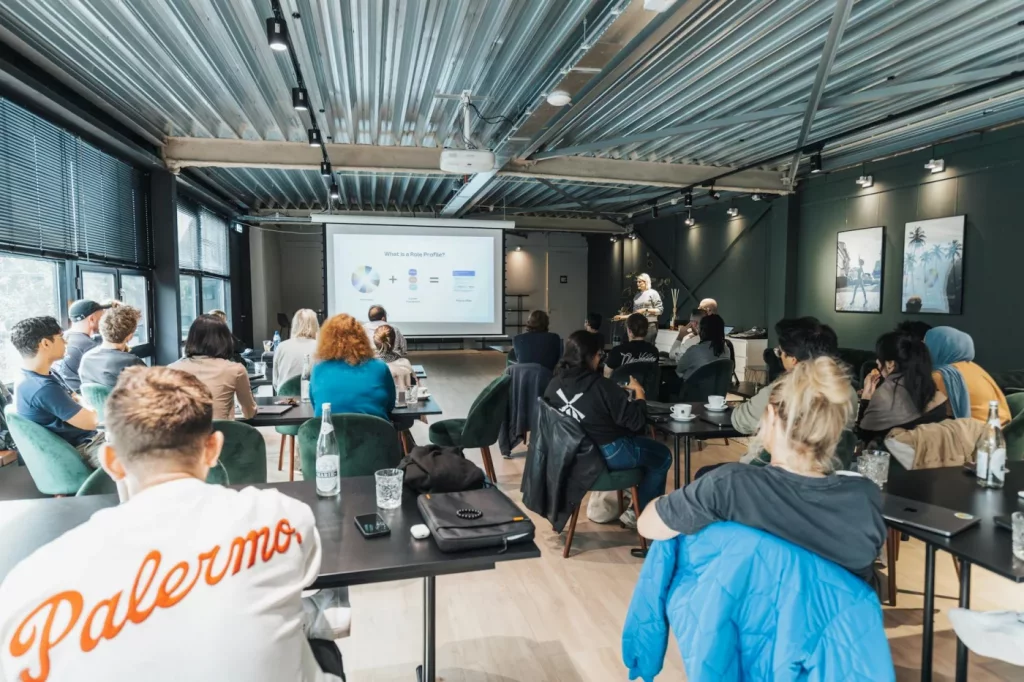
NEI’s catalog appears to center on psychopharmacology and mental health education for clinicians. You’ll usually see on-demand courses, CME-related learning, the Neuroscience Education Institute Spring Congress, podcast-style content, and practice aids. And yes, live events drive a lot of branded searches because conferences create buzz fast.
Free content matters too. Many people first meet the brand through the neuroscience education institute podcast or recorded talks, then decide whether paid access is worth it. If you use those talks for learning, don’t just watch passively—pair them with how to take notes from video lectures and compare retrieval practice vs rereading so the material actually sticks.
Is it legit? The signals that matter
- Official website with current event listings and clear product pages
- Named faculty and speakers you can verify
- Transparent membership or access structure
- CME details explained on the course page
- Archived event history, not just hypey social posts
If you’re wondering, “is Neuroscience Education Institute legit?” those are the markers that count. For CME, verify accreditation details directly on official pages and compare them with guidance from ACCME. And for treatment decisions, stick with qualified professionals; educational platforms aren’t a substitute for medical care.
From experience: who gets value fastest
A practicing psychiatrist may use NEI for focused updates and credits. A resident might use the same platform to build clinical vocabulary and context. A self-taught learner? Well, actually, they may get insight, but paid access often gives less practical return than foundational study systems first.
What is the neuroscience education institute and what does it do for each group? It serves different jobs. But wait—dense expert content can feel productive while producing weak retention if you only consume it, which brings us to the quick decision guide.
📋 Quick Reference
Best fit: clinicians who want psychiatry updates, conference access, and CME-related education. Mixed fit: trainees who need exposure to clinical reasoning. Weakest fit: general students who haven’t yet built strong note-taking, retrieval, and study habits.
Should you use it? A quick decision guide
So here’s the practical part. If you’re still asking what is the neuroscience education institute and what does it do, the real question is whether its education matches your goals, budget, and level.
A 5-step decision process
How to decide
- Step 1: Define your role: clinician, trainee, student, or curious learner.
- Step 2: Decide if you need CME, event access, psychopharmacology depth, or just free content.
- Step 3: Check official NEI pages for current pricing, account access, event registration, and neuroscience education institute login help.
- Step 4: Compare with APA resources and other psychiatry education hubs on audience, CME value, and depth.
- Step 5: If you use it, study actively. Summarize key points, quiz yourself, and review retrieval practice vs rereading.
When to skip, compare, or buy
Skip it for now if you want broad brain science, study skills, or general neuroscience news. Compare first if cost matters, or if you only need one feature like a podcast, congress session, or narrow psychopharmacology topic.
Consider paying if you’re a clinician or trainee who’ll actually use the CME, events, and specialty content. That’s usually the clearest answer to “nei membership worth it?”
Quick reference: best fit by reader type
- Clinicians: High relevance if practice-focused psychiatry education fits your work.
- Trainees: Often useful, but budget and specialty stage matter.
- Students/self-learners: Selective value; use it as a supplement, not your core system.
And that’s the short version of what is the neuroscience education institute and what does it do in practice. If your goal is better studying rather than clinician education, use NEI selectively and spend most of your effort on evidence-based learning habits. Which brings us to the final FAQ and wrap-up.
Frequently Asked Questions
Why is Neuroscience Education Institute trending in USA searches right now?
The most likely reasons for neuroscience education institute trending in usa are pretty practical: conference season, podcast visibility, membership lookups, and the normal yearly cycle of clinician education. Search spikes often happen when a live event is approaching, a well-known faculty member appears in interviews, or clinicians are comparing CME-related options. And here’s the kicker — trending interest doesn’t automatically mean there’s a major scientific breakthrough or a problem with the brand; sometimes it just means more people are trying to figure out what is the neuroscience education institute and what does it do before signing up or attending something.
Is Neuroscience Education Institute legit for clinicians?
If you’re asking is neuroscience education institute legit, judge it by things you can verify, not by hype. Check the official site for named faculty, clear course descriptions, event history, and CME/accreditation details, and confirm those details directly on NEI pages before relying on any program. A good starting point is the official NEI website at NEI Global, where clinicians can review current offerings, faculty, and education information for themselves.
Is NEI membership worth it for residents, students, or practicing clinicians?
NEI membership worth it? Usually, it’s easier to justify for practicing clinicians and trainees who will actually use specialty education, event access, or CME-related resources on a regular basis. For students, the value depends on whether the material supports a real academic or career goal rather than general curiosity; if you’re still building your basics, you may get more immediate benefit from stronger learning systems first, like FreeBrain’s study tools and articles on effective study methods.
What is Neuroscience Education Institute Spring Congress?
Neuroscience Education Institute Spring Congress is one of the organization’s most visible live education events, which is a big reason search interest often jumps around it. If you’re trying to understand what is the neuroscience education institute and what does it do, this congress is a useful example: it brings together psychiatry and psychopharmacology education through scheduled talks, faculty sessions, and professional learning opportunities. But wait — don’t rely on summaries alone; check the official event page for the current schedule, access options, registration details, and whether sessions match your needs.
How do you get Neuroscience Education Institute login help or access resources?
For neuroscience education institute login help, the fastest path is usually the official account or support page, because access may depend on whether the material is public, event-based, or tied to a paid member account. Try this quick order: reset your password, confirm which email you used, check whether your event or membership is active, then contact official support if the resource still won’t open. Personally, I wouldn’t waste time on third-party forums here — account access issues are almost always solved faster through NEI’s own support channels.
Is Neuroscience Education Institute good for students or self-learners?
Neuroscience education institute for students can be useful as a selective supplement, especially for advanced learners interested in psychiatry, psychopharmacology, or clinician-facing education. But many students and self-learners will get more practical benefit from building foundational study skills first, then using specialized resources once they can place the material in context. So is it good? Yes, sometimes — but only if the content fits a clear learning goal and you already understand the basics well enough to use clinician-focused education productively.
Conclusion
If you’ve made it this far, here’s the practical bottom line. First, the Neuroscience Education Institute is best understood as a psychiatry-focused education platform, not a general neuroscience learning site for everyone. Second, its recent popularity seems tied to rising interest in mental health, clinician education, and social media buzz around brain-based explanations. Third, what matters most is fit: check who the material is for, how evidence is presented, whether there’s commercial bias, and whether the content actually helps you make better decisions. And if you were searching what is the neuroscience education institute and what does it do, the short answer is this: it provides education, training, and resources mainly aimed at mental health professionals, with some content that curious learners may still find useful.
That doesn’t mean you need to become an expert overnight. Thing is, most people don’t need more information—they need a better filter. If you’re a student, self-learner, or just trying to make sense of why NEI is trending, you’re already asking the right questions. Personally, I think that’s the real win. Keep your standards high, stay curious, and don’t confuse polished branding with trustworthy evidence.
Want to keep building a sharper, evidence-based understanding of learning and the brain? Explore more on FreeBrain.net, starting with How to Learn Faster Without Cramming and Spaced Repetition Guide. Which brings us to the next step: don’t just ask what is the neuroscience education institute and what does it do—use that question as practice for judging every brain-related resource you come across. Read carefully, compare claims, and choose tools that actually help you think better.