

Workplace burnout usually doesn’t hit all at once. It tends to build across five stages: honeymoon, onset of stress, chronic stress, burnout, and habitual burnout. And the physical symptoms of burnout are often the first clue you notice in your body before you fully admit what’s happening—poor sleep, headaches, muscle tension, stomach issues, getting sick more often. If you’ve been wondering whether your exhaustion is “just a busy week” or something more serious, look for a pattern: these bodily warning signs paired with emotional exhaustion, growing cynicism, and a drop in how well you work.
Sound familiar? You’re still showing up, still answering messages, still getting things done—sort of—but your focus is worse, your patience is thinner, and even small tasks feel weirdly heavy. The World Health Organization classifies burnout as an occupational phenomenon linked to chronic workplace stress that hasn’t been successfully managed, which matters because burnout vs stress symptoms can overlap while still pointing to different problems. And yes, that overlap often includes brain fog and stress and memory problems, which is why people miss the early warning signs of burnout for months.
This article gives you a clear, stage-by-stage map of what are the 5 stages of workplace burnout, what each one looks like in real work life, and which employee burnout warning signs should make you pause. You’ll get a practical work burnout symptoms checklist, a simple way to think about acute vs chronic stress, and concrete next steps for both employees and managers. No vague wellness fluff. Just the signs of burnout at work, how they progress, and when to seek help for burnout.
Quick note: this is educational, not a diagnosis. I’m a software engineer, not a clinician, but I’ve spent years building FreeBrain tools for focus and recovery and testing evidence-based methods on myself and with users—and the framing here follows established guidance, including the World Health Organization’s description of burnout as an occupational phenomenon.
📑 Table of Contents
What burnout is — and isn’t
Now that you know why burnout matters, here’s the direct frame: workplace burnout often develops across five stages—honeymoon, onset of stress, chronic stress, burnout, and habitual burnout. And the physical symptoms of burnout usually make more sense when you see them as a pattern, not a single bad day. For more on stress and sleep, see our stress and sleep guide.
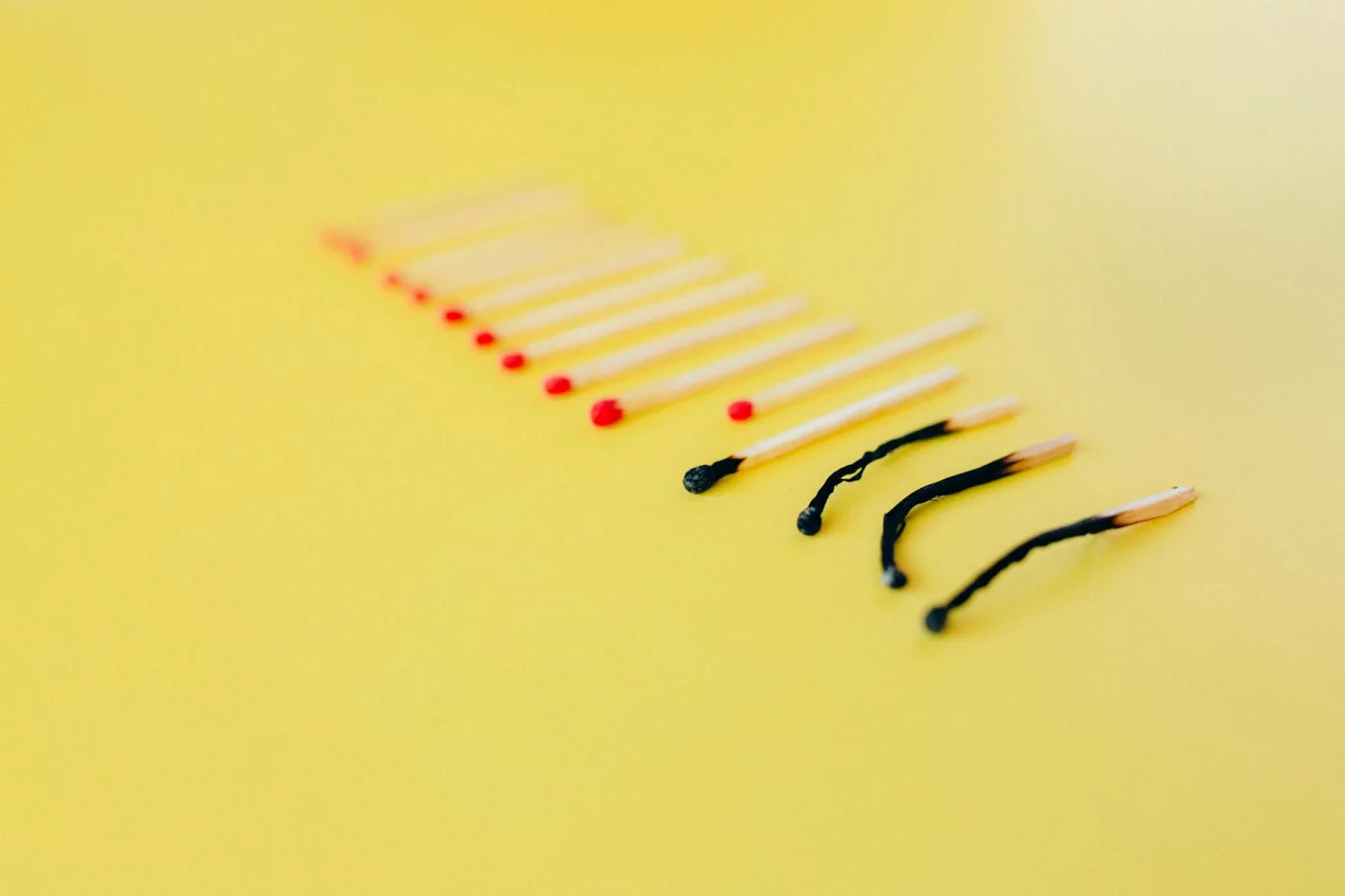
If stress has been messing with your focus or recall, FreeBrain’s guide to stress and memory problems can help you connect the dots before things spiral.
A practical definition you can use today
The WHO’s ICD-11 description of burnout frames it as an occupational phenomenon caused by chronic workplace stress that hasn’t been managed well. In plain English, three things show up: exhaustion, growing mental distance or cynicism toward work, and lower professional effectiveness.
That matters because occupational burnout is tied to the work context, even when it spills into evenings, weekends, and home life. OK wait, let me back up: this article helps you recognize patterns, not diagnose a condition.
Burnout vs a rough week
A rough week feels intense but temporary. Burnout vs stress symptoms usually differ in duration and tone: stress often looks like over-engagement, while burnout feels more like depletion, numbness, and detachment.
Think email overload, back-to-back meetings, deadline stacking, or checking Slack at 10:30 p.m. for weeks on end. FreeBrain’s breakdown of acute vs chronic stress is useful here because ordinary pressure can become a repeating system problem when recovery keeps shrinking.
- Busy week: tired, but you recover after rest
- Burnout pattern: tired, cynical, less effective, and still not recovering
- Work clues: context switching, open-office overload, emotional labor, always-on messaging
From experience: what people miss first
From building FreeBrain tools for focus and recovery, I keep seeing the same early pattern: sleep disruption, fragmented attention, headaches, irritability, and brain fog often show up before motivation fully collapses. Many people notice performance problems last, even though the body was waving red flags earlier.
That’s why the physical symptoms of burnout should be read alongside emotional exhaustion, cynicism, and lower output. If you’re dealing with forgetfulness or cognitive overload, our article on can stress cause memory loss explains why chronic pressure can make your brain feel unreliable.
And here’s the kicker—burnout can overlap with depression, anxiety, sleep disorders, thyroid issues, anemia, and other medical problems. For persistent or severe symptoms, consult a qualified professional; the occupational burnout overview is a useful starting point, but self-diagnosis has limits.
Which brings us to the useful question: if burnout builds in stages, what does each stage actually look like?
The 5 stages, clearly explained
Burnout isn’t one switch that flips overnight. The 5 stages of burnout are a practical framework for spotting how stress moves from overdrive to depletion, even though the World Health Organization’s occupational burnout definition doesn’t use this exact scale.
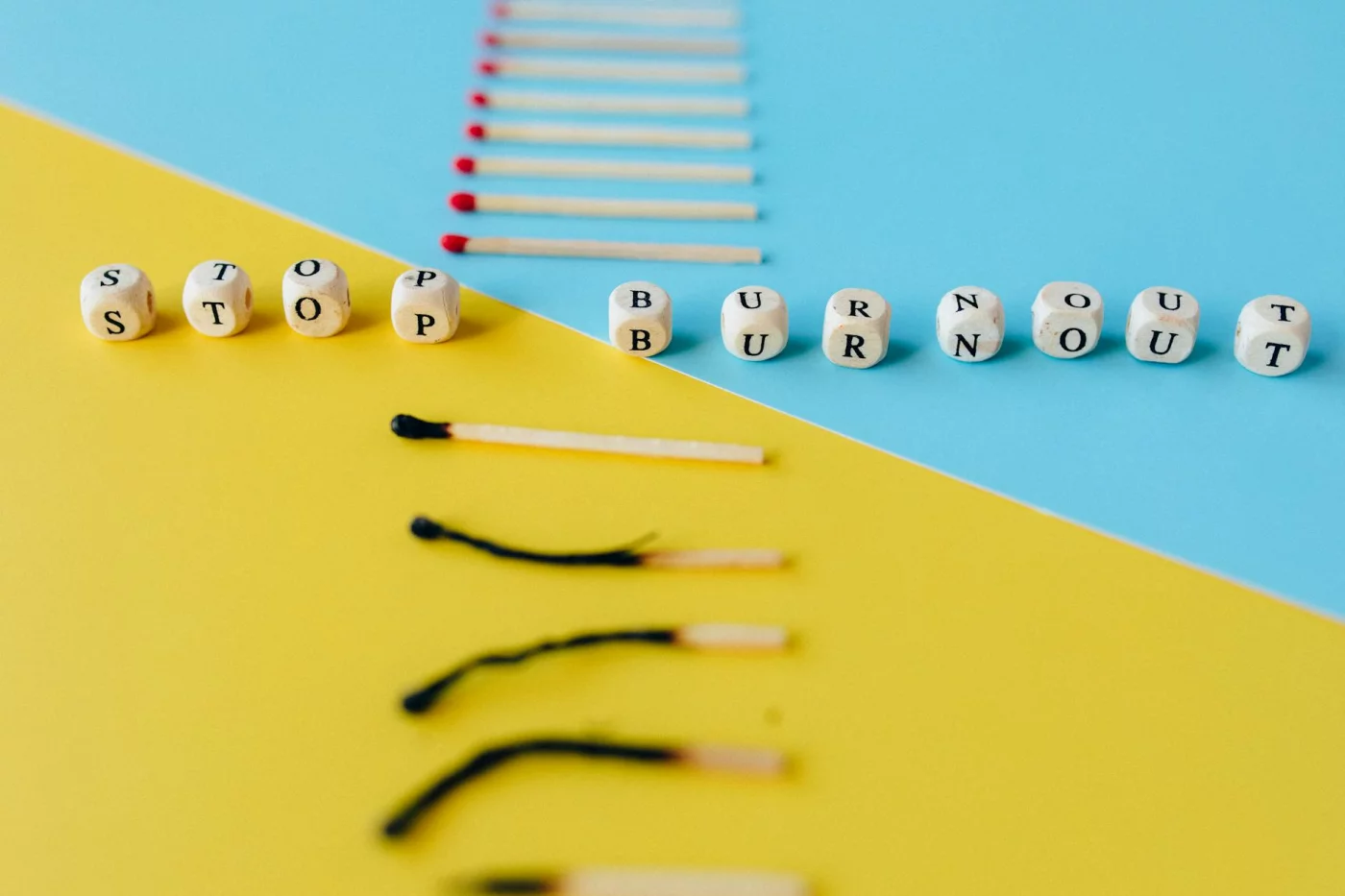
So what are the 5 stages of workplace burnout? They usually progress from high enthusiasm to strain, then chronic overload, then full burnout, and finally symptoms that feel stuck. And yes, the physical symptoms of burnout often show up before people admit there’s a problem.
📋 Quick Reference
- 1. Honeymoon: energy high, boundaries low
- 2. Onset of stress: irritability, tension, Sunday dread
- 3. Chronic stress: fatigue, brain fog, work starts slipping
- 4. Burnout: exhaustion, cynicism, detachment, errors
- 5. Habitual burnout: symptoms persist across roles, weekends, or time off
1) Honeymoon and 2) onset of stress
Stage 1 is the “I’ve got this” phase. You’re optimistic, volunteering for extra projects, skipping breaks, and using pressure as fuel; early warning signs of burnout can include tight shoulders, poor sleep, and feeling oddly wired after work.
Stage 2 is subtler. Patience drops, small problems feel bigger, tension headaches or mild insomnia show up, and you recover less after work; if focus and recall feel off, that often overlaps with stress and memory problems.
- Immediate action: protect sleep, cap after-hours messages, and track symptoms for 7 days.
3) Chronic stress
This is the pivot point. Symptoms stop feeling occasional and start feeling normal, which is why people miss it.
Common signs include fatigue most days, GI upset, muscle tension, frequent colds, brain fog, procrastination, and dread before work. If you’re unsure whether you’re dealing with burnout or ongoing overload, compare it with acute vs chronic stress; the distinction matters.
Research summarized by the National Center for Biotechnology Information on stress effects helps explain why chronic activation can disrupt sleep, attention, and recovery. Immediate action: reduce workload where possible, talk to your manager, and rebuild recovery blocks into the week.
4) Burnout and 5) habitual burnout
Stage 4 looks like emotional exhaustion with cynicism, detachment, lower output, more mistakes, and feeling ineffective even when you’re trying hard. Stage 5 means the physical symptoms of burnout feel entrenched: numbness, sleep disruption, and forgetfulness spill into weekends or vacations, which is why people start asking whether stress can cause memory loss.
But wait—this is also where burnout can overlap with depression, anxiety, or sleep disorders. Immediate action: seek professional support, use EAP or HR if available, and stop treating this like a productivity problem alone.
Next, let’s break down physical symptoms by stage so you can spot where you are more accurately.
Physical symptoms of burnout by stage
Now that you’ve seen the five stages, the next question is simple: what does burnout actually feel like in real life? The physical symptoms of burnout usually show up alongside mental, emotional, and work-performance changes—not in isolation.

What your body may be telling you
Early on, you might notice neck tension, jaw clenching, lighter sleep, or that “wired but tired” feeling after too many late Slack messages. Mid-stage, it often turns into daily fatigue, headaches, stomach issues, appetite shifts, and feeling physically heavy before work even starts.
Later, the physical symptoms of burnout can include non-restorative sleep, frequent colds, muscle pain, and a stronger awareness of your heart racing during ordinary tasks. Research suggests chronic stress can disrupt sleep, attention, and immune function, but these symptoms aren’t specific to burnout alone, so context matters. For more on stress-related brain fog, see stress and memory problems.
Mental, emotional, and work clues
Burnout rarely stays “just physical.” You may reread the same email three times, blank in meetings, lose your train of thought while writing, or struggle with deep work because your attention keeps splintering. That’s also why how attention affects learning matters here.
Emotionally, watch for irritability, numbness, dread, cynicism, and reduced empathy. At work, common signs are more errors, avoidance, lateness, presenteeism, lower creativity, and postponing meaningful work while hiding in easy tasks.
60-second checklist
- Early: trouble switching off, mild insomnia, more checking behavior, reduced patience, mild tension
- Middle: fatigue most days, headaches, brain fog, avoidance, more mistakes, dread before Monday
- Severe: persistent exhaustion, emotional numbness, detachment, symptoms outside work hours, no recovery after time off
Common mistakes to avoid
Don’t call this laziness. And don’t confuse overwork tolerance with resilience. Caffeine can mask fatigue, but it doesn’t restore recovery, and a vacation alone often won’t fix chronic overload. Burnout vs stress symptoms can overlap, especially with acute vs chronic stress.
If you have chest pain, panic symptoms, severe insomnia, or hopelessness, don’t self-diagnose—talk to a qualified healthcare professional. Next, let’s cover what to do and when getting help makes sense.
What to do next — and when to get help
If the physical symptoms of burnout seem to match a stage you recognize, don’t just label it and move on. Burnout isn’t a personal failure; it’s a signal that your workload, recovery, or both need to change.
A step-by-step reset plan
How to reset after burnout symptoms show up
- Step 1: Name your likely stage: early, moderate, or severe.
- Step 2: Identify one work pattern making recovery impossible, like late-night email or back-to-back meetings.
- Step 3: Choose one recovery action this week: protect sleep, take real lunch breaks, or try progressive muscle relaxation before bed.
- Step 4: Ask for one concrete work change, such as fewer meetings or clearer priorities.
- Step 5: If symptoms persist, escalate support.
Early burnout usually responds best to boundary resets and sleep protection. Moderate burnout often needs workload conversations and schedule redesign. Severe or persistent physical symptoms of burnout may need professional support and medical evaluation.
When self-help isn’t enough
Burnout can overlap with depression, anxiety, and sleep disorders. OK wait, let me back up: if you’re dealing with severe insomnia, panic symptoms, hopelessness, inability to function, thoughts of self-harm, chest pain, or anything that could reflect another medical issue, get prompt help from a primary care clinician or qualified mental health professional.
- Manager: workload, deadlines, role clarity
- HR or EAP: formal support options
- Therapist or counselor: coping, stress patterns, recovery
- Doctor: rule out medical causes and assess persistent symptoms
Some people feel better within a few weeks after reducing load and restoring recovery. But deeper burnout recovery can take months, especially if work conditions stay the same.
Real-world application: a workweek example
Picture a remote employee getting Slack pings all evening, sleeping badly, making more mistakes, and dreading Sunday night. That’s not just stress at work anymore. It’s the kind of pattern that pushes chronic strain into burnout recovery territory unless something changes.
A practical fix? Set notification windows, cut low-value meetings, protect two deep-work blocks, and document examples of work impact before talking to a manager. Speaking of which — small systems matter, which is why it helps to build habits that stick around sleep, attention, and always-on email. Next, let’s wrap this up with the biggest questions people still ask.
Frequently Asked Questions
What are the 5 stages of workplace burnout?
If you’re asking what are the 5 stages of workplace burnout, the usual progression is: honeymoon, onset of stress, chronic stress, burnout, and habitual burnout. This model is best used as a practical framework for spotting patterns early, not as a formal diagnosis. And here’s the part most people miss: symptoms usually build gradually, with emotional and physical symptoms of burnout showing up in layers rather than all at once.
What are the early warning signs of burnout at work?
What are the early warning signs of burnout at work? Often, they’re subtle: more irritability, trouble switching off after work, mild insomnia, less patience with coworkers, and small mistakes you wouldn’t normally make. Many people still perform reasonably well at this stage, which is exactly why they brush it off. Instead of judging one rough day, track your mood, sleep, focus, and energy for 1-2 weeks so you can spot a real pattern.
How do I know if I am experiencing burnout or just stress?
When comparing burnout vs stress symptoms at work, stress often feels like too much pressure, while burnout feels more like too little energy, motivation, or emotional connection left. Burnout usually includes a cluster of signs: exhaustion, cynicism or detachment, and reduced effectiveness at work. If you’re still feeling flat, drained, or disconnected even after rest or time off, burnout becomes more likely — and getting input from a doctor or mental health professional may be a smart next step.
Can burnout cause physical symptoms?
Yes — can burnout cause physical symptoms? Absolutely. Burnout can show up as fatigue, sleep problems, headaches, muscle tension, stomach issues, and even getting sick more often, which is why people often search for the physical symptoms of burnout before they realize the problem may be work-related. But wait: those symptoms aren’t unique to burnout, and they can overlap with anxiety, depression, sleep disorders, or medical conditions, so persistent or severe symptoms should be checked by a qualified healthcare professional; for a general overview of burnout, the World Health Organization’s burnout overview is a useful starting point.
How long does workplace burnout recovery take?
If you’re wondering how long does workplace burnout recovery take, the honest answer is: it varies a lot. Recovery depends on how severe your symptoms are, how well you’re sleeping, whether your workload actually changes, and what support you have around you; some people improve within a few weeks after reducing overload, while deeper burnout can take months. Personally, I think this is where people get tripped up — recovery isn’t a quick productivity reset, especially when physical symptoms of burnout and emotional exhaustion have been building for a long time.
When should I seek help for workplace burnout?
When should I seek help for workplace burnout? Seek support if symptoms are persistent, getting worse, affecting your daily functioning, or spilling into your sleep, relationships, or health outside work. Get prompt help for severe insomnia, panic symptoms, hopelessness, chest pain, or thoughts of self-harm, and contact emergency services or a crisis line right away if you’re in immediate danger. Support can come from a doctor, therapist, employee assistance program, your manager, or HR — and if you want a practical self-check first, reading our guide on burnout signs and recovery can help you organize what you’re noticing before that conversation.
Conclusion
If you remember four things, make them these: burnout builds in stages, so catching it early matters; your body often signals trouble before your motivation fully crashes; tracking patterns like poor sleep, headaches, irritability, and constant fatigue can help you spot the physical symptoms of burnout sooner; and the right next step depends on severity. For some people, that means tightening boundaries, reducing overload, and rebuilding recovery time. For others, especially when symptoms are intense or persistent, it means getting support from a qualified professional sooner rather than later.
And here’s the good news — burnout isn’t a personal failure, and it doesn’t mean you’re weak or bad at your job. It usually means your stress load has stayed too high for too long without enough recovery. That’s fixable. Maybe not overnight. But step by step? Absolutely. Start small, pay attention to what your body is telling you, and treat early warning signs with the seriousness they deserve.
If you want practical next steps, keep going on FreeBrain.net. Read How to Recover From Burnout for a realistic recovery plan, and Signs of Mental Fatigue to tell the difference between normal tiredness and something more serious. The sooner you notice the physical symptoms of burnout and respond with a clear plan, the easier it is to protect your energy, your focus, and your health. Take action now while your brain and body are still asking — not forcing — you to slow down.