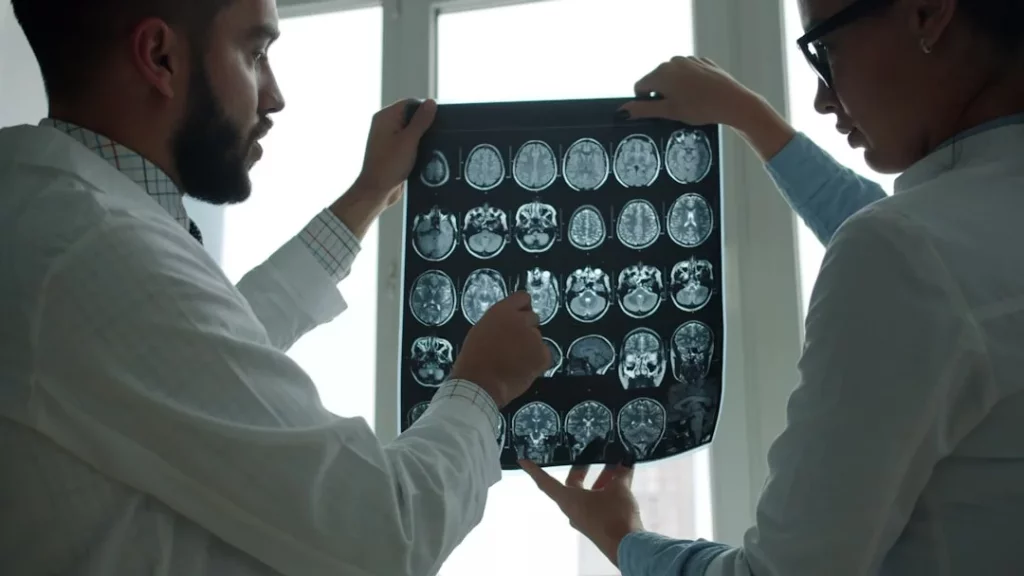

Glutamate is important in the brain because it’s the main excitatory messenger your neurons use to communicate, adapt, and form memories. If you’ve been confused by scary claims about glutamate in food, you’re not alone. The short version is this: brain glutamate signaling and glutamate in food aren’t the same thing, and most people need more clarity, not more fear.
Maybe you’ve seen headlines linking MSG to brain problems. Or maybe you’re here because you want to know what glutamate in the brain actually does for focus, learning, and recall. Fair question, right? According to background on glutamate as a neurotransmitter, glutamate plays a central role in synaptic signaling — but problems tend to involve imbalance, not the mere existence of glutamate.
So here’s the deal. This article will help you separate normal, healthy glutamate function from excess signaling, excitotoxicity, and the usual confusion around glutamate in food. You’ll learn what glutamate and memory really mean, how glutamate and learning connect to neuroplasticity, why stress and poor sleep can throw things off, and what practical habits may help improve memory and concentration without turning nutrition into a panic spiral.
And yes, we’ll get concrete. You’ll see where glutamate fits into the bigger picture of attention, recovery, and the brain’s ability to increase neuroplasticity in adulthood, plus when “too much” becomes a real concern worth discussing with a qualified professional.
I’m a software engineer, not a neuroscientist. But I build learning tools at FreeBrain, study this research closely, and spend a lot of time translating messy brain science into habits you can actually use.
📑 Table of Contents
- What glutamate does in your brain
- How brain signaling and learning work
- Glutamate vs GABA—and common mistakes
- Is glutamate in food bad?
- How to support healthy balance
- Frequently Asked Questions
- Why is glutamate important in the brain?
- How does glutamate work in the brain?
- What happens when glutamate is too high?
- What happens when glutamate is too low?
- Is glutamate in food bad for the brain?
- Does stress increase glutamate in the brain?
- Do SSRIs lower glutamate?
- Do people with OCD have high glutamate?
- Conclusion
What glutamate does in your brain
Now that we’ve defined the big picture, let’s get specific. Glutamate is the brain’s main excitatory neurotransmitter, which means it helps nerve cells send signals that support learning, memory, attention, and normal brain communication.
A clear beginner definition
If you’re wondering what is glutamate in the brain, here’s the simple version: it’s a chemical messenger that makes neurons more likely to pass a signal forward. In plain English, “excitatory” means “more likely to fire,” not “overstimulated all the time.”
Glutamate is used all across the central nervous system and is essential for everyday thinking. When you study, stay alert in a meeting, or encode a new fact into memory, glutamate signaling is part of that process. If you want the practical side of this, start with habits that improve memory and concentration rather than chasing one chemical explanation.
And here’s the confusion that trips people up: glutamate in food is not the same as the way glutamate works inside synapses in your brain. Internet claims often treat all dietary glutamate or MSG as if it automatically causes brain damage, but normal brain signaling is far more regulated than that. For background on glutamate’s role as a neurotransmitter, Wikipedia’s overview of glutamate as a neurotransmitter is a decent starting point, and the broader biology is also summarized by NCBI’s StatPearls entry on glutamate.
Why this matters for studying and focus
Why is glutamate important in the brain? Because glutamate and memory are tightly connected. Repetition strengthens certain synapses over time, which is part of how the brain stores useful information and can increase neuroplasticity in adulthood.
Three real-life examples matter:
- remembering a lecture after class
- staying mentally engaged during deep work
- strengthening recall when you quiz yourself repeatedly
But wait. Healthy cognitive function depends on balance, not just excitation. Inhibitory systems such as GABA help keep signaling under control, and chronic stress can disrupt that balance, which is one reason stress affects memory recall.
One more trust note. Symptoms alone can’t diagnose a neurotransmitter problem, and persistent anxiety, depression, OCD symptoms, seizures, severe headaches, or noticeable cognitive decline need clinical evaluation. I’m a software engineer, not a clinician, so FreeBrain’s angle is translating neuroscience into practical habits for self-learners—not selling a one-chemical brain hack.
Which brings us to the next question: how do these signals actually move between brain cells, and how does that turn into learning?
How brain signaling and learning work
So now we can zoom in. What glutamate does is one thing; how that signal turns into learning is where it gets interesting, especially when people start wondering whether glutamate in food works the same way as glutamate inside synapses. Short answer: not really.
From signal to synapse
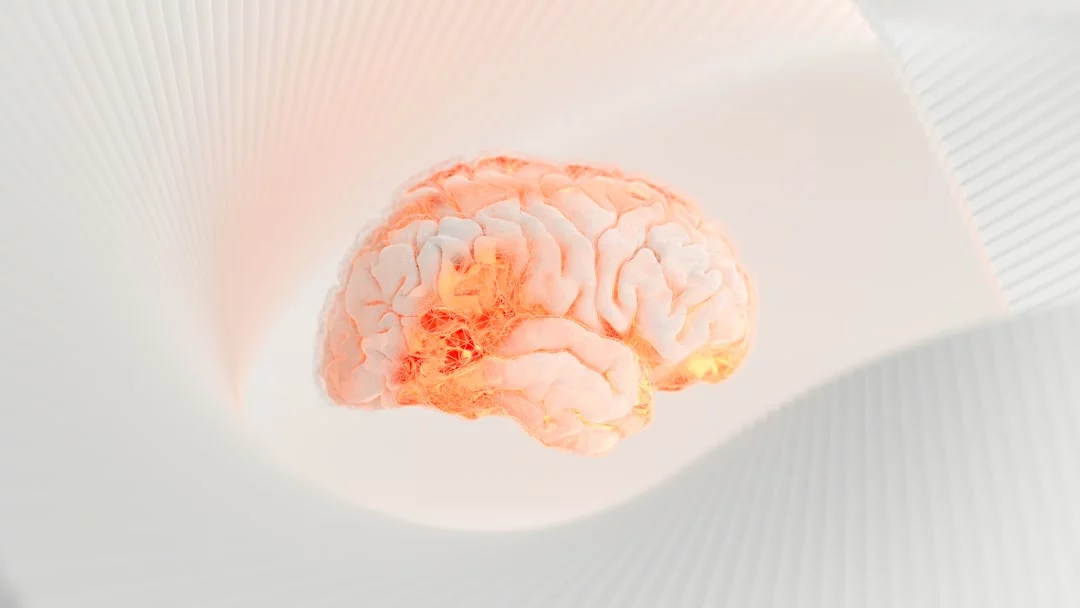
Here’s the basic sequence. One neuron releases glutamate into the tiny gap between cells, called the synapse. Receptors on the next neuron detect it, that cell changes its electrical activity, and then transport systems clear the chemical away so the message doesn’t keep firing.
That’s brain signaling in plain English. Think of glutamate like an accelerator, not the whole car. The brain also needs brakes, tight timing, and cleanup, because too little signaling hurts communication, while too much can become harmful over time, as described in Wikipedia’s overview of glutamate as a neurotransmitter.
NMDA and AMPA in simple language
AMPA receptors are the fast responders. Glutamate lands, they react quickly, and the next neuron is more likely to fire. NMDA receptors are pickier — more like gates that open when the signal is strong and well-timed.
Why does that matter? Because how does glutamate work in the brain isn’t just about sending messages fast; it’s also about marking some connections as worth strengthening later. If you want practical ways to support that process, start with habits that improve memory and concentration, not just passive exposure.
Why repetition changes memory
This is synaptic plasticity. Repeated, meaningful activation can make a pathway easier to use the next time — a process often linked to long-term potentiation, or LTP. Research summarized by the NCBI chapter on long-term potentiation connects these receptor-level changes to learning and memory.
And here’s the kicker — not all repetition is equal.
- Active recall strengthens retrieval better than rereading
- Spaced repetition beats cramming for durable memory
- Focused repetition works better than distracted review
If you’re trying to increase neuroplasticity in adulthood, this is the part most people miss: attention matters. Distracted repetition is weaker repetition. And later, sleep helps stabilize those gains, which is why REM sleep and memory belong in the same conversation.
From experience: what actually helps learning stick
After building learning tools, I keep seeing the same pattern. Self-learners often put in high effort but get low recall because they reread instead of testing themselves. Glutamate and learning are connected, yes, but study method still matters a lot more than trying to micromanage glutamate in food.
Use retrieval. Space your reviews. Protect attention. Which brings us to the next question: if glutamate is the accelerator, what role does GABA play as the brain’s brake?
Glutamate vs GABA—and common mistakes
That signaling system only works when excitation and inhibition stay regulated. When people worry about improve memory and concentration, this balance matters far more than trying to “raise” or “lower” one chemical in isolation.
Why balance matters more than boosting
Think of glutamate as the accelerator and GABA as the brakes. Useful? Yes. Complete? Not really, because the glutamate vs gaba brain story involves networks, receptors, timing, and context—not just two switches.
Glutamate generally helps neurons fire and supports learning, while GABA helps limit or calm signaling. Healthy function depends on neurotransmitter balance, not chasing one side. And yes, stress, sleep loss, alcohol, illness, and some medications can all nudge that balance in the wrong direction; if you want a practical place to start, see how stress affects memory recall and why poor sleep can derail focus.
Research summaries from the NCBI overview of glutamate and background on GABA biology show why both systems are essential for memory, mood, and attention.
Possible signs of imbalance
Possible excess glutamate symptoms may include feeling wired, irritability, headaches, poor sleep, sensory overload, or trouble settling down. Possible low glutamate symptoms—or what some people call glutamate deficiency symptoms—may include low drive, brain fog, slower thinking, reduced engagement, or weak sustained attention.
- These complaints are nonspecific.
- They can also reflect anxiety, depression, migraine, sleep deprivation, medication effects, or medical conditions.
- They do not tell you whether glutamate in food is the problem.
And that’s the part most people miss. “Glutamate deficit effects” and excess-related complaints overlap heavily, so symptom lists alone can’t diagnose what happens when glutamate is too high or too low. For day-to-day support, habits that improve sleep and attention usually matter more than internet theories; brain exercises for concentration can help there.
Common mistakes to avoid
Don’t assume every panic episode, headache, or focus slump is a glutamate imbalance. And don’t reduce anxiety, OCD, depression, or burnout to one neurotransmitter; glutamate is relevant in research, but self-diagnosis from symptom checklists is a bad bet.
- Avoid supplement rabbit holes.
- Avoid changing medications without a clinician.
- Seek help for persistent mental health symptoms, seizures, severe headaches, cognitive decline, or medication questions.
That caution matters even more before asking whether glutamate in food is actually harmful—which brings us to the next section.
Is glutamate in food bad?
After comparing glutamate and GABA, here’s the practical question most people really mean: is glutamate in food harmful? For most people, no. Eating glutamate-rich foods is not the same thing as triggering brain excitotoxicity, and if you want broader habit-based ways to improve memory and concentration, food fear usually isn’t the place to start.

Natural glutamate vs MSG
Glutamate occurs naturally in many familiar foods. Think tomatoes, mushrooms, seaweed, aged cheeses like Parmesan, cured meats, soy sauce, and other fermented foods.
MSG vs glutamate? MSG is simply monosodium glutamate, a flavor enhancer that contains the same glutamate molecule. That alone doesn’t make a food dangerous.
- Natural sources: tomatoes, mushrooms, seaweed, Parmesan
- Added source: MSG in savory dishes and packaged foods
- Main point: presence of glutamate doesn’t equal brain harm
Why food glutamate is not brain excitotoxicity
Now this is where food talk gets mixed up with neuroscience terms. Excitotoxicity refers to abnormal overactivation in brain tissue under specific injury or disease conditions, not normal eating. Digestion, metabolism, and the blood-brain barrier help keep dietary exposure separate from synaptic signaling, as summarized in the blood-brain barrier overview.
So, is glutamate in food bad for the brain? For most healthy people, evidence doesn’t support that simple claim. Things like sleep and stress usually matter more day to day; for example, REM sleep and memory are tightly linked, and chronic stress can disrupt learning far more than a bowl of ramen.
Who may want medical advice
Some people do report headaches, GI symptoms, or feeling off after certain foods. But wait—that’s different from proving a neurotransmitter disorder or brain damage.
If you notice a repeatable pattern, track the food, amount, timing, and symptoms, then discuss it with a qualified healthcare professional. And if you’re working on overall diet quality, it also helps to reduce oxidative stress for brain health instead of fixating on one ingredient.
📋 Quick Reference
Natural glutamate and MSG both contain glutamate, but normal dietary intake is not the same as excitotoxic brain injury. If symptoms are consistent or severe, get proper medical evaluation rather than self-diagnosing from social media.
Which brings us to the useful question: if food panic isn’t the answer, what actually helps support healthy glutamate balance?
How to support healthy balance
If glutamate in food usually isn’t the main problem, what is? For most people, daily brain balance is shaped more by sleep, stress, activity, and alcohol than by normal dietary glutamate.
How to support healthy balance
- Step 1: Protect sleep first
- Step 2: Lower chronic stress load
- Step 3: Use exercise and alcohol strategically
Step 1: Protect sleep first
Sleep and brain chemistry are tightly linked. Consistent sleep supports attention and memory consolidation, while short sleep makes learning feel effortful and sloppy. Start with a stable sleep-wake time, a 30-minute wind-down, and less late-night stimulation; if you want a practical next step, see REM sleep and memory.
Step 2: Lower chronic stress load
Does stress increase glutamate in the brain? Research suggests acute and chronic stress can alter glutamate signaling, which may help explain why stress disrupts focus, mood, and recall. Try one-minute breathing breaks, 5-10 minutes of mindfulness, workload triage, and fewer open tabs during deep work.
Step 3: Use exercise and alcohol strategically
Regular moderate exercise helps overall brain health. But wait: alcohol and glutamate are a bad combo when you’re using drinks to “come down,” because heavy use and withdrawal can disrupt sleep and brain signaling. Persistent symptoms, medication questions, or major mood changes deserve professional care.
Real-World Application: exam week without the hype
- 5 hours of sleep + extra caffeine = wired, not sharp
- Rereading feels productive but often sticks less than retrieval practice
- Aim for 7-9 hours when possible, short stress breaks, and fewer “brain hacks”
So if you’re wondering how to reduce glutamate in the brain, don’t chase supplement fixes. Focus on balance, not fear about glutamate in food. Next, let’s answer the most common questions and wrap this up clearly.
Frequently Asked Questions
Why is glutamate important in the brain?
Why is glutamate important in the brain? Because it’s one of the brain’s main excitatory neurotransmitters, meaning it helps neurons send signals to each other. That signaling supports learning, memory, and attention, especially when your brain is strengthening useful connections through experience. But wait — more isn’t better. Healthy brain function depends on balanced glutamate activity, not simply having more of it.

How does glutamate work in the brain?
How does glutamate work in the brain? Neurons release glutamate into tiny gaps called synapses, where it binds to receptors such as AMPA and NMDA on nearby cells. When those pathways are activated in meaningful, repeated ways — like during practice, recall, and focused study — the connection between neurons can get stronger, which is one reason glutamate is so tied to memory formation. Personally, I think this is the part most people miss: it’s not random firing that helps learning, but well-timed, repeated activation.
What happens when glutamate is too high?
What happens when glutamate is too high? Some people report feeling wired, sleeping poorly, getting headaches, feeling irritable, or becoming more sensitive to sound and stimulation. But those symptoms are nonspecific, and that’s a big deal — sleep deprivation, anxiety, caffeine, stress, medication effects, and other health issues can all look similar. So if you’re worried, use those signs as a reason to look at the bigger picture, not as proof that you have a glutamate problem.
What happens when glutamate is too low?
What happens when glutamate is too low? People sometimes describe low motivation, brain fog, slower thinking, or reduced mental engagement. The tricky part is that these are also common with poor sleep, depression, burnout, medication side effects, and other medical or psychological conditions. OK wait, let me back up: symptoms alone can’t tell you whether glutamate is low, so it’s smarter to track patterns and speak with a qualified clinician if the issue is persistent.
Is glutamate in food bad for the brain?
Is glutamate in food bad for the brain? For most people, no — glutamate in food is not the same thing as harmful brain overactivation. Natural dietary glutamate and MSG are often misunderstood, but eating foods that contain them does not mean you’re directly flooding your brain with excitatory signaling, because the body regulates what reaches the brain very differently than people assume. If you want a research-based overview, see the FDA’s page on MSG.
Does stress increase glutamate in the brain?
Does stress increase glutamate in the brain? Research suggests stress can affect glutamate signaling, especially during acute stress and long periods of chronic stress. And here’s the kicker — that may be one reason stress can hurt focus, memory, and emotional control even when you’re trying hard to stay productive. If this sounds familiar, it’s worth working on sleep, recovery, and study load management rather than focusing only on supplements or worrying about glutamate in food.
Do SSRIs lower glutamate?
Do SSRIs lower glutamate? Some research suggests SSRIs may influence glutamate systems indirectly, but the effects are complex and can vary across people, brain regions, and conditions. They are not best understood as simple “glutamate-lowering” drugs, and online neurotransmitter summaries usually flatten a much messier reality. Never change, stop, or adjust psychiatric medication based on articles like this — that decision belongs with a qualified clinician. For a general evidence-based overview of SSRIs, the National Institute of Mental Health is a solid place to start.
Do people with OCD have high glutamate?
Do people with OCD have high glutamate? Glutamate is part of ongoing OCD research, but the science is still evolving and doesn’t support a simple self-diagnosis like “OCD means high glutamate.” Some findings suggest altered glutamate signaling may be involved in certain cases, yet OCD symptoms are shaped by broader brain circuits, behavior patterns, and individual differences. So here’s the deal: if you relate to OCD symptoms, don’t assume the cause is one neurotransmitter, and don’t blame glutamate in food either — get a proper clinical assessment.
Conclusion
Here’s the short version: glutamate isn’t the “bad” brain chemical people sometimes make it out to be. You need it to learn, form memories, and strengthen useful neural connections. The practical move is to focus on balance: protect sleep, manage chronic stress, avoid assuming glutamate and GABA are simple opposites you can hack overnight, and be skeptical of fear-based claims about glutamate in food. For most healthy people, the bigger issue isn’t dietary glutamate by itself. It’s the overall pattern of recovery, nutrition, stimulation, and nervous system load.
And that’s good news. Why? Because a lot of the factors that support healthy brain signaling are actually within your control. You don’t need a perfect routine. You need a workable one. Personally, I think this is the part most people miss: small, boring habits often matter more than dramatic fixes. Better sleep timing, smarter study sessions, regular movement, and less stress overload can do more for brain balance than chasing scary headlines ever will.
If you want to keep building a brain that learns well under real-life conditions, start with the basics and then go deeper. You can read more on FreeBrain.net about how to improve memory and how to focus better while studying. And if you’re still wondering about glutamate in food, use that question as a starting point—not a source of panic. Learn the system, support the basics, and take the next step today.