
If you searched cornell notes vs mind mapping lectures reddit, you probably don’t want another vague “it depends” answer. You want to know what actually works when your professor is moving fast, your slides are dense, and your exam depends on what you can still recall a week later. That’s the real cornell notes vs mind mapping lectures reddit question: not which method looks smarter, but which one helps you keep up in live lectures and review efficiently afterward.
And that’s where most advice falls apart. Lecture notes are not the same as textbook note-taking methods, because live classes force you to listen, filter, and write at the same time. If you’ve ever spent ten minutes making a neat page layout only to miss the next three explanations, you already know the problem. Research on cognitive load and working memory, including broad evidence summarized in the overview of cognitive load, helps explain why some note-taking systems break down under lecture speed.
So here’s the deal. This article compares cornell notes vs mind mapping lectures reddit specifically for lectures, not brainstorming, journaling, or reading chapters at home. We’ll look at fast-paced classes, STEM vs humanities, review quality, retrieval practice, digital vs paper workflows, and the tradeoff between structure and speed. You’ll also get a practical verdict, a decision matrix, side-by-side note examples, and a hybrid method for when neither system is enough on its own.
Personally, I think this is the part most students get wrong: they choose a note-taking style based on aesthetics instead of lecture constraints. After building FreeBrain tools and testing learning workflows across technical and conceptual subjects, I’ve found that the best system often depends less on preference and more on how much information you must process in real time. So if you’re stuck in the cornell notes vs mind mapping lectures reddit rabbit hole, or wondering how to study complex topics without drowning in messy notes, you’re in the right place.
📑 Table of Contents
- Quick verdict: cornell notes vs mind mapping for lectures
- What Cornell notes and mind mapping actually do differently in lecture note taking
- What research suggests about memory, retrieval practice, and cornell notes vs mind mapping for lectures
- Cornell notes vs mind mapping by lecture type: STEM, humanities, and real-world use
- How to choose the best note-taking method for fast paced lectures
- A side-by-side lecture example plus the hybrid method: combine Cornell notes and mind mapping
- Common mistakes and disadvantages: what makes Cornell notes or mind maps fail
- Bottom line: the best note taking method for college lectures depends on your review system
- Frequently Asked Questions
- Which is better for lectures: Cornell notes or mind mapping?
- What is the most effective note-taking method for lectures?
- Are Cornell notes actually helpful for memory retention?
- What are the disadvantages of Cornell notes in live lectures?
- Is mind mapping better than traditional note-taking for remembering lectures?
- Are mind maps good for fast-paced lectures?
- What note-taking method is best for STEM lectures versus humanities lectures?
- Can you combine Cornell notes and mind mapping?
- Conclusion: Pick the Method You’ll Actually Review
Quick verdict: cornell notes vs mind mapping for lectures
So here’s the direct answer students usually want when they search cornell notes vs mind mapping lectures reddit: for live lectures, this isn’t really a “which note style looks better?” question. It’s a lecture-performance question. For more on learning and study skills, see our learning and study skills guide.
My short verdict on cornell notes vs mind mapping lectures reddit is simple: Cornell notes usually win for review, recall, and exam prep, while mind maps often win for seeing relationships during conceptual lectures. But wait. The best choice depends on three things: lecture speed, subject structure, and whether you review within 24 hours.
As a software engineer and self-taught learner building FreeBrain study tools, I’ve tested Cornell notes, mind maps, and hybrid workflows across technical and conceptual subjects. And from experience, lecture notes are not the same as textbook note-taking methods; live capture creates more cognitive load, especially when the professor moves fast.
That’s why Reddit threads help, but only partly. A lot of cornell notes vs mind mapping lectures reddit advice focuses on preference, while skipping retrieval practice, post-lecture review, and the limits of attention described in brain multitasking facts. Research on retrieval practice and working memory from the National Center for Biotechnology Information overview of working memory points to the same idea: capture is only part of learning.
📋 Quick Reference
- Speed of capture: Cornell usually faster
- Ease of review: Cornell usually better
- Active recall fit: Cornell has a clearer edge
- STEM fit: Cornell for procedures; mind maps for systems
- Humanities fit: Mind maps for themes; Cornell for test prep
- Digital/paper friendliness: Cornell works well in both; mind maps often feel easier on paper or tablet
Fast answer by lecture goal
If your goal is exam recall, Cornell is usually the safer default. If your goal is understanding relationships, mind mapping may help more. And if you’re asking which is better cornell notes or mind mapping for lectures in a fast class, capture-first Cornell usually beats trying to build a polished map live.
- Fast-paced lectures: Cornell
- Conceptual or theory-heavy lectures: Mind mapping
- Test-focused classes: Cornell
- Big-picture synthesis: Mind mapping
Who should start with each method
For most students in content-heavy classes, cornell notes vs mind mapping lectures reddit usually ends with the same practical answer: start with Cornell. It’s more forgiving, easier to review, and easier to turn into questions later.
For theory-heavy or discussion-based classes, mind mapping can be a strong first choice, especially if you need to study complex topics with lots of relationships. Personally, I think a hybrid often beats both extremes: Cornell during class, then a small mind map after class. Which brings us to what these methods actually do differently when the lecture starts moving.
What Cornell notes and mind mapping actually do differently in lecture note taking
The quick verdict is useful, but the real difference is structural. If you search cornell notes vs mind mapping lectures reddit, what people are usually asking is this: which format helps you keep up during a live lecture and still review well later?
That last part matters more than most comparisons admit. Lecture note taking is not the same as textbook note-taking methods, because you can’t pause, reread, or clean up the source while the professor is still talking.
How Cornell notes structure information
The cornell note taking method for lectures splits your page into three parts: a large right-hand notes area, a narrower left cue column, and a bottom summary section. In practice, you usually write fast in the main notes area during class, then fill the cue column after class with questions, prompts, keywords, or likely test angles.
So here’s the deal. Cornell is linear by design, which makes it strong when the lecture itself is chronological: definition first, example second, formula third, exception fourth. If you’ve looked up cornell notes vs mind mapping lectures reddit, this is why many students say Cornell feels easier to review before exams.
It naturally supports later self-testing. You can cover the right side, look at the cue column, and try to retrieve the answer from memory — a format that fits what we know about active recall from research on retrieval practice in medical education.
For a memory lecture, Cornell notes might look like this:
- Right notes column: encoding = getting information in; storage = maintaining it; retrieval = accessing it; forgetting can come from decay, interference, or retrieval failure.
- Left cue column: “3 stages of memory?”, “retrieval failure example?”, “difference between encoding and storage?”
- Bottom summary: “Memory depends on encoding, storage, and retrieval; forgetting isn’t one single process.”
Clean, testable, efficient. But wait. The limitation is real too: if the lecturer jumps from theory to case study to formula and back again, Cornell can feel rigid, and your page may end up forcing order onto a messy talk.
How mind maps structure information
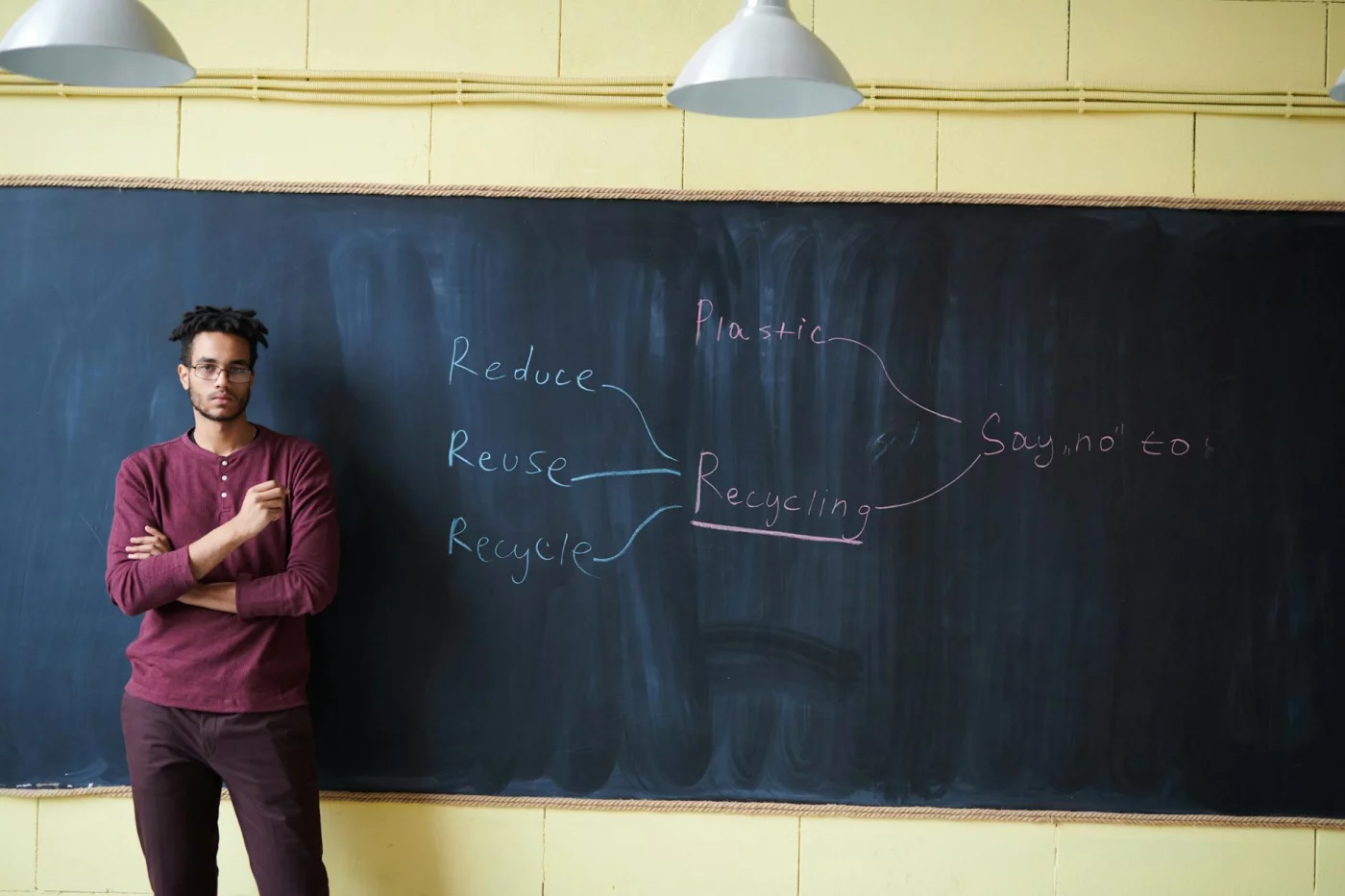
The mind mapping method for lectures starts with a central topic in the middle of the page, then expands into major branches and smaller sub-branches. Good mind maps also show links between ideas, so this isn’t just doodling with bubbles — it’s a visual model of relationships.
That makes mind maps especially useful for conceptual lectures where ideas connect more than they unfold in a strict sequence. Personally, I think this is where cornell notes vs mind mapping for lectures gets interesting, because the “best” method depends on whether you need order or connection.
Take that same memory lecture. A mind map might put “Memory” in the center, then branch into “Encoding,” “Storage,” “Retrieval,” and “Forgetting,” with arrows showing how weak encoding can hurt later retrieval, or how interference affects forgetting. That’s often better for seeing the whole system at once, especially when you study complex topics with lots of linked concepts.
And here’s the kicker — mind maps handle hierarchy and relationships beautifully, but they can become messy fast when details pile up. Dates, long quotations, stepwise procedures, and dense formulas don’t always fit neatly on a branching page.
Why lecture constraints change the comparison
Lecture note taking happens under pressure: limited attention, limited time, and incomplete information. That’s why cornell notes vs mind mapping lectures reddit keeps coming up — students aren’t choosing a pretty format, they’re choosing a capture system for a moving target.
Well, actually, that’s the part most people get wrong. During a lecture, your first job is capture; reorganization can happen later. Research on working memory, including the overview at Wikipedia’s summary of working memory, is a useful reminder that you can’t hold many moving pieces in mind while also designing perfect notes.
So how do the methods differ under live constraints?
- Cornell handles chronology and lecturer emphasis well: “this will be on the exam,” “here’s the formula,” “write this definition down.”
- Mind maps handle hierarchy and conceptual links well: cause-effect chains, compare-contrast themes, and systems thinking.
- Cornell usually captures examples and formulas more cleanly; mind maps usually capture connections between examples more clearly.
In other words, cornell notes vs mind mapping lectures reddit is really a question about trade-offs. One format is review-friendly and linear. The other is pattern-friendly and relational.
Which brings us to the next question: what does research suggest about memory, retrieval practice, and why these two note structures may lead to different learning outcomes after the lecture ends?
What research suggests about memory, retrieval practice, and cornell notes vs mind mapping for lectures
So now we can ask the question that shows up all over search and forums: what actually helps you remember more after a live lecture? If you’ve searched cornell notes vs mind mapping lectures reddit, the useful answer isn’t “one format wins,” but “which format helps you encode during class and review effectively after class.”
That second part matters more than most students think. In dense, fast lectures, your note format has to support comprehension first, especially when you’re trying to study complex topics without overloading your attention.
Research on note-taking often points to two mechanisms: encoding while you listen, and storage for later review. Mueller and Oppenheimer’s work, discussed by the Association for Psychological Science, helped popularize the idea that generative note-taking tends to beat verbatim transcription because summarizing forces selection and processing. But wait. Later debate and replication discussion mean you shouldn’t turn that into a rigid rule. The modest takeaway is simpler: notes help more when you think while writing, not when you just copy.
And here’s the kicker — lecture notes and textbook notes aren’t the same job. A live lecture is time-pressured and messy, while reading lets you pause, reread, and structure more deliberately, which is why separate textbook note-taking methods often work better for books than for class.
Encoding during class vs review after class
If you want better memory retention, think in two stages: capture now, strengthen later. That framing clears up a lot of the confusion in cornell notes vs mind mapping lectures reddit threads, because students often judge a method by how nice it looks in class rather than by how well it supports retrieval practice afterward.
Cornell notes often have a built-in review advantage. Why? The cue column naturally turns lecture points into questions, and questions drive active recall. Karpicke and Blunt’s research on retrieval practice found that testing yourself can produce stronger long-term learning than restudying alone. Dunlosky and colleagues reached a similar conclusion in their review of effective learning techniques: practice testing and spaced practice are high-utility strategies, while simple rereading is much weaker.
Mind maps can still work very well. Personally, I think they shine when a lecture is relational and concept-heavy. But they usually need one extra step after class:
- turn major branches into questions
- convert links between ideas into flashcards
- explain each branch in your own words
That’s where Fiorella and Mayer’s generative learning ideas fit. Organizing, explaining, and connecting ideas improves encoding information because you’re doing mental work, not just storing ink on a page. If your map helps with chunking for memory, great. If it stays a pretty diagram you never quiz yourself on, not so great.
So when people ask cornell notes vs mind mapping lectures reddit, the evidence-based answer is that review design often matters more than note appearance. What boosts memory retention most is usually not the page layout alone, but whether that layout leads to active recall a day later.
Why learning style myths are a weak decision rule
A lot of cornell notes vs mind mapping lectures reddit advice says, “Use mind maps if you’re a visual learner.” Well, actually, that’s a weak rule. Broad evidence reviews have not strongly supported the idea that matching instruction to a visual or auditory learning style reliably improves outcomes.
A better question is: what is the most effective note taking method for lectures like yours? Task demands matter more than labels. If the lecture is fast, sequential, and detail-heavy, Cornell often lowers cognitive load because it gives you a stable structure. If the lecture is conceptual, comparative, and discussion-based, mind mapping may help you see relationships faster.
Think biology versus philosophy. In biology, you may need processes, definitions, and cause-effect chains in order. In philosophy, you may need arguments, objections, and links across thinkers. Same student, different lecture, different best method. That’s a much stronger rule than “I’m visual.” For a broader overview of evidence-based study methods, the American Psychological Association summary of effective study habits is a useful starting point, and the wider literature on the testing effect explains why retrieval practice keeps showing up in strong results.
Educational note for attention and anxiety concerns
If lecture comprehension drops when you try to format notes perfectly, that’s not a character flaw. It usually means the method is eating too much attention in real time. And yes, that can hurt study efficiency.
This content is educational, not medical advice. If you have diagnosed attention, learning, or mental health conditions, individualized support from a qualified educator, disability office, psychologist, or healthcare professional may help you choose and adapt a note system safely and effectively.
Which brings us to the practical bottom line behind cornell notes vs mind mapping lectures reddit: pick the format that preserves attention during class and makes retrieval practice easy after class. Next, we’ll get more specific and break that choice down by lecture type, from STEM to humanities to real-world mixed use.
Cornell notes vs mind mapping by lecture type: STEM, humanities, and real-world use
The research angle matters, but lecture type matters just as much. If you’ve searched “cornell notes vs mind mapping lectures reddit,” you’ve probably noticed that students aren’t really arguing about one best system—they’re describing very different classes.
That’s the key mistake. A calculus proof, a history lecture, and a case-based seminar don’t place the same demands on your working memory, so your note format shouldn’t be identical either. When lectures get dense, you need a structure that helps you study complex topics without losing the thread, and that’s different from most textbook note-taking methods.
STEM lectures
For cornell notes vs mind mapping stem lectures, Cornell usually wins when the professor teaches in sequence. Think chemistry reaction pathways, Python debugging logic, anatomy-heavy lectures, or engineering derivations where one step depends on the last. In those cases, the cornell note taking method for lectures preserves order, formulas, assumptions, and worked examples better than a sprawling diagram.
Take calculus proofs. You don’t just need the final theorem; you need the setup, the substitution, the justification, and the common error. Same with programming. If you’re trying to learn Python faster, linear notes often make it easier to capture syntax, control flow, and why a bug happened in that exact sequence.
But wait. Mind maps still help in STEM when the goal is system relationships rather than procedure. Biology pathways, anatomy regions, and big-picture chemistry families often benefit from branches because they show connections your brain can chunk more easily. That fits what we know about organizing information into meaningful units, which is one reason chunking for memory helps with dense lecture material.
- Use Cornell for equations, proofs, lab procedures, and worked examples.
- Use mind maps for systems, categories, pathways, and conceptual overviews.
- Use both when a lecture switches between process and structure.
So, for “cornell notes vs mind mapping lectures reddit,” STEM answers often sound split because students are talking about different tasks. Solving an engineering problem set tomorrow? Cornell is usually easier to review. Trying to remember how glycolysis connects to other pathways? A quick concept map may stick better.
Humanities and social science lectures
For cornell notes vs mind mapping humanities lectures, mind maps often become more useful because these classes reward synthesis. History lectures trace cause-and-effect chains across events, literature classes connect themes and symbols, and political theory lectures compare arguments, assumptions, and counterarguments. That structure is less linear and more relational.
Personally, I think this is where many “cornell notes vs mind mapping lectures reddit” discussions get interesting. A history lecture on the French Revolution might branch into economics, class tension, ideology, and state failure. A sociology lecture might connect institutions, norms, power, and research frameworks in ways that are easier to see spatially than in a left-margin cue column.
Still, Cornell isn’t obsolete here. If your exam asks for definitions, theorists, dates, evidence, or short-answer recall, Cornell notes make review cleaner. Research on retrieval practice summarized by a review on test-enhanced learning in PubMed Central supports the idea that structured recall cues can strengthen later memory when you actually quiz yourself.
Three humanities cases where mind mapping method for lectures often shines:
- History causation chains with multiple interacting factors
- Literature themes that recur across characters and scenes
- Philosophy arguments with objections and replies
From Experience: what actually holds up after class
After building FreeBrain tools and reviewing how learners organize dense material, I’ve noticed something pretty consistent: the students who do best don’t defend one format like a religion. They adapt. That’s the real answer behind “cornell notes vs mind mapping lectures reddit,” and yes, it’s less satisfying than picking one forever.
Mixed-format classes usually need a hybrid. A nursing lecture might start with anatomy relationships, shift into procedures, then end with case-based application. A discussion-heavy seminar may need Cornell on one page for key claims and a mini mind map beside it for themes, objections, or examples.
And here’s the kicker—notes are only useful if they survive contact with review. Are cornell notes actually helpful? Yes, if you turn the cue column into questions. Are mind maps useful? Also yes, if you revisit branches, add examples, and test whether you can explain the structure from memory.
Which brings us to the practical question: if no single method wins every time, how do you choose the best note-taking method for college lectures when the pace is fast and the professor won’t slow down? That’s exactly what the next section covers.
How to choose the best note-taking method for fast paced lectures
The last section compared methods by subject. But when the lecture is moving fast, the real problem changes: you usually don’t fail because your system is “wrong,” but because you’re trying to listen, decide, format, and understand at the same time.
That’s why searches like cornell notes vs mind mapping lectures reddit keep popping up. Students want a method that works live, not just one that looks good afterward. And if you’re handling dense material, it helps to think about cognitive load the same way you would when you study complex topics. Lecture notes also aren’t the same as chapter notes, which is why your workflow should differ from most textbook note-taking methods.
Step-by-step decision guide
If you’re stuck on cornell notes vs mind mapping lectures reddit, use three filters first: lecture speed, concept density, and exam type. Personally, I think this is the part most people skip — and then they blame the note system.
How to choose a note taking method for lectures
- Step 1: Identify lecture speed and density. Fast + factual usually favors Cornell-style capture. Slower + relational usually favors mind mapping.
- Step 2: Match the format to exam demands. If your test is short-answer, definitions, or problem steps, Cornell often fits better. If your exam asks you to compare, connect, or explain big ideas, mind maps can help lecture comprehension.
- Step 3: Choose paper or digital based on distraction risk and editing needs. Paper reduces tab-switching. Digital helps when you need quick rearranging, search, or adding slides after class.
- Step 4: Review within 24 hours. Fill blanks, rewrite unclear symbols, and turn weak areas into questions before the lecture fades from memory.
- Step 5: Reassess after two weeks using actual quiz results, not vibes. Compare review time, quiz scores, and how many unanswered gaps remain after each lecture.
So what is the best note taking method for fast paced lectures? Usually, the one that reduces decisions during class and increases useful review later. A simple 2-week test works well: use Cornell in one class, mind mapping in another, then track three numbers — minutes to review, quiz performance, and number of starred gaps left unresolved.
If you’re still weighing cornell notes vs mind mapping lectures reddit, use that mini experiment before changing everything at once. And if you want to build a broader study system around your notes, check FreeBrain’s related study-method resources after you pick your lecture format.
What to do when the lecturer moves too fast
Capture first. Structure later. That one shift fixes a lot.
In fast lectures, trying to make notes pretty in real time backfires because working memory is limited. Research on cognitive load and attention has shown that your brain handles fewer streams than you think, which lines up with these brain multitasking facts. If you’re formatting headers, choosing colors, and drawing perfect branches, what are you not doing? Listening.
- Use abbreviations: “w/,” “b/c,” “→,” “vs,” “ex.”
- Write incomplete sentences, not polished prose.
- Leave blanks for missed terms instead of freezing.
- Mark unclear points with a star or question mark.
- Fix structure after class, when attention pressure is gone.
Well, actually, this is where most cornell notes vs mind mapping lectures reddit debates miss the point. The first decision isn’t layout. It’s whether your system lets you keep up without overloading yourself.
Quick decision matrix
Here’s a practical starting framework for cornell notes vs mind mapping lectures reddit and the broader question of what is the most effective note taking method for lectures.
- Dense med or biology lecture: Start with Cornell. Why? High terminology, fast pace, and recall-heavy exams.
- Theory seminar or philosophy lecture: Start with mind mapping. Why? More conceptual links, fewer isolated facts.
- Coding workshop: Start with Cornell if steps matter, mind mapping if architecture and relationships matter.
- Webinar training: Use Cornell for action items and procedures; use a mini-map only for frameworks.
A quick yes/no filter helps:
- Fast and fact-heavy? Yes → start with Cornell.
- Slower and idea-heavy? Yes → start with mind mapping.
- Mixed lecture? Yes → capture in Cornell, then map the big ideas after class.
And here’s the kicker — the best note taking method for fast paced lectures is often not a permanent identity. It’s a starting method you test against real outcomes. Which brings us to the next section, where I’ll show a side-by-side lecture example and the hybrid approach that combines both systems.
A side-by-side lecture example plus the hybrid method: combine Cornell notes and mind mapping
If the last section helped you choose faster, this section shows what that choice looks like on paper. And because people searching for “cornell notes vs mind mapping lectures reddit” usually want real examples, not theory, let’s use one lecture topic in both formats: how memory works.
Same lecture, same content, different capture style. That’s the cleanest way to judge cornell notes vs mind mapping lectures reddit advice without getting lost in preferences or aesthetics.
Sample lecture captured as Cornell notes
For a live lecture, Cornell usually works best when the professor is moving in sequence: definition, mechanism, example, application. Personally, I think this is why the cornell note taking method for lectures keeps showing up in student recommendations. It handles speed well.
Imagine the lecture covers encoding, storage, retrieval, working memory, and long-term potentiation. Your page might look like this:
- Cue column: Encoding definition; Working memory limit?; Hippocampus role; Example of retrieval failure; Likely exam comparison
- Notes column: Encoding = turning incoming information into a usable memory trace. Working memory is limited, often described as a bottleneck. Hippocampus supports forming new episodic memories. Retrieval can fail from weak cues, interference, or poor initial encoding. Long-term potentiation refers to lasting strengthening of synapses after repeated activation.
- Bottom summary: Memory depends on successful encoding, storage, and retrieval; attention and meaning improve encoding, while strong cues improve recall.
You’d also add example cue questions such as: “Why does divided attention reduce encoding?” and “How is working memory different from long-term memory?” That’s the part most people get wrong. They write cues as labels, not questions.
Why are Cornell notes actually helpful? Because the layout bakes in self-testing. Research on retrieval practice, including work summarized by cognitive scientists like Henry Roediger and Jeffrey Karpicke, suggests that recalling information strengthens later memory better than rereading alone. So when readers compare cornell notes vs mind mapping lectures reddit threads, Cornell often wins for exam prep because the cue column turns directly into short-answer prompts.
And for dense lectures, this can reduce overload while you study complex topics later. Paper Cornell notes are often faster in class, too, and less distracting than trying to format a perfect digital system mid-lecture.
The same lecture captured as a mind map
Now take the exact same lecture and put “How Memory Works” in the center. From there, build major branches: Encoding, Storage, Retrieval, Working Memory, Brain Systems.
Under Encoding, add attention, meaning, and repetition. Under Retrieval, add cues, interference, and context. Then draw a cross-link from Encoding to Retrieval with a note like “better initial encoding = stronger later recall,” and another from Working Memory to Encoding: “overload hurts transfer.”
That’s where the mind mapping method for lectures shines. You see relationships fast. If you’re planning an essay or trying to explain mechanisms, the map gives you a conceptual overview that linear notes often hide.
But wait. Is mind mapping better than note taking in every lecture? Not really. In fast-paced STEM or fact-heavy classes, details may get lost: definitions, step order, exceptions, and likely exam wording. That’s why so many cornell notes vs mind mapping lectures reddit debates end with “it depends on the class.”
Digital mind maps are easier to edit, rearrange, and expand after class. Paper mind maps can work, but once a branch gets crowded, the page turns messy fast.
Hybrid workflow that actually improves review
Here’s the method I’d recommend most often. During class, use Cornell notes to capture sequence, terms, and examples. After class, convert that page into a compact mind map to synthesize links between ideas.
Why does this work so well? You get the speed of Cornell and the big-picture structure of mapping. And here’s the kicker — the conversion step forces elaboration, which means you explain and reorganize ideas in your own words instead of just storing them passively.
- Capture live: Write Cornell notes with cue questions, not just headings.
- Review after class: Within 24 hours, turn the page into a mind map from memory first, then check gaps.
- Test yourself: Convert cue questions or map branches into flashcards, short recall prompts, or practice explanations. If you want a ready-made retrieval workflow, this is exactly how many students use Anki for med school.
So if you’re stuck on cornell notes vs mind mapping lectures reddit comparisons, the hybrid answer is often better than picking one forever. Cornell captures what was said. The mind map shows how it fits together.
And that leads straight to the next problem: even good systems fail when students use them badly. So next, let’s look at the common mistakes and disadvantages that make Cornell notes or mind maps fall apart.
Common mistakes and disadvantages: what makes Cornell notes or mind maps fail
The hybrid approach works well on paper. But in real lectures, the biggest problem in cornell notes vs mind mapping lectures reddit debates isn’t the format itself—it’s how students use it under pressure.
So here’s the deal. Are Cornell notes actually helpful? Yes, often. But only if you turn raw notes into cues, questions, and review prompts later. If you just fill the page and never use the structure, you’re doing extra formatting without getting much memory benefit.
That’s why cornell notes vs mind mapping lectures reddit threads feel so split. Students aren’t really comparing methods in a vacuum; they’re comparing messy real-world habits in fast, imperfect classes. And in dense lectures, cognitive load matters a lot—especially when you’re trying to listen, decide, and write at the same time, which is why understanding brain multitasking facts helps explain why over-formatting makes you miss content.
Mistakes that hurt Cornell notes
The most common Cornell mistake is writing full sentences almost verbatim. That turns note-taking into low-value transcription. Research on generative learning and active processing suggests you remember more when you rephrase and organize ideas, not when you copy them word for word.
OK wait, let me back up. What are the disadvantages of Cornell notes in live lectures? Three stand out: rigid structure, slower setup for some students, and a bad fit for highly non-linear teaching. In STEM lectures with derivations or humanities classes that jump across themes, the page can start feeling too linear.
Another mistake is leaving the cue column blank forever. If you never add questions, keywords, or prompts, Cornell notes lose their main advantage. That’s the part most people get wrong when asking how to use Cornell notes during lectures: the lecture capture is only phase one.
And then there’s the skipped summary. No summary means no compression. No compression means weak review.
- Writing every detail instead of the core claim, example, and exception
- Using the layout but not the cue column
- Never revisiting notes within 24 hours
So when people ask cornell notes vs mind mapping lectures reddit, a lot of frustration is really about incomplete Cornell workflow, not Cornell itself.
Mistakes that hurt mind mapping
Mind maps fail for the opposite reason. Instead of being too rigid, they can become too loose. Personally, I think this is where students confuse visual appeal with thinking.
The main mind mapping disadvantages for lecture notes are clutter, missing detail, and slow live capture in dense classes. If every concept gets its own branch, sub-branch, color, and icon, you’re not tracking the lecture anymore—you’re designing a poster. Worth it? Not during class.
And here’s the kicker—hierarchy matters. Good maps show major ideas, supporting points, and a few critical links. Bad maps flatten everything into a tangled web with no obvious priority, which makes review harder later.
Trying to map every detail is another trap. In a fast biochemistry or economics lecture, live mapping can be too slow. That’s why many cornell notes vs mind mapping lectures reddit comments say mind maps feel amazing for review but stressful for capture.
What to avoid in any lecture note system
No review within 24 hours is the silent killer. Memory research going back to Hermann Ebbinghaus suggests forgetting happens quickly after first exposure, so your note review system matters more than your page design.
But wait. There’s more. If you never test yourself, your notes stay familiar but fragile. Retrieval practice—answering from memory, not just rereading—is what makes notes useful. That’s also why lecture notes should connect to textbook reading, problem sets, and discussion prompts rather than sit in isolation.
Digital notes add another layer of risk. Laptop distraction, tab switching, and endless editing can destroy study efficiency. Many students also lose time trying to make notes look smart instead of making them usable; if that’s you, it’s worth learning how to stop perfectionism procrastination before your note system turns into a performance.
- Capture the main idea, not every sentence.
- Review within one day.
- Turn notes into questions, flashcards, or self-explanations.
- Link lecture material to readings and assignments.
That’s the practical answer behind cornell notes vs mind mapping lectures reddit. Both methods can fail if you over-record, under-review, or chase perfect formatting. Which brings us to the real decision point: the best note-taking method for college lectures depends less on the page and more on the review system you’ll actually use.
Bottom line: the best note taking method for college lectures depends on your review system
If the last section showed why both methods can fail, here’s the practical takeaway: your notes only matter if you can review them fast and use them for recall later. That’s why the real answer to cornell notes vs mind mapping lectures reddit isn’t “which looks better?” but “which helps you remember under exam pressure?”
Best default choice for most students
For most students, Cornell notes are the best default starting point. Personally, I think the best note taking method for college lectures is usually the one that makes review friction low, and Cornell does that better than almost anything else.
The cue column, summary section, and clear page structure make active recall easier after class. Research on retrieval practice, including work summarized by cognitive scientists like Henry Roediger and Jeffrey Karpicke, suggests that testing yourself beats rereading for long-term retention. And that’s exactly why cornell notes vs mind mapping lectures reddit keeps coming back to reviewability.
Are Cornell notes actually helpful? Usually, yes—especially in fast-paced STEM or survey lectures where you need clean capture now and recall later. If your lecture notes feed directly into flashcards, self-quizzing, or elaborative rehearsal examples, Cornell is hard to beat.
When to switch methods
But wait. Mind mapping is often better for conceptual, relational, discussion-heavy, or synthesis-focused lectures. If the professor keeps comparing theories, linking causes and effects, or moving across big themes, cornell notes vs mind mapping lectures reddit leans more toward mapping for good reason.
The hybrid method is strongest when one method alone keeps failing. Use Cornell during class for fast capture, then turn the page into a small mind map after class to connect ideas. That’s often the most effective note taking method for lectures when the material is dense but also highly interconnected.
- Default: Cornell for most live lectures and exam review
- Switch: Mind mapping for relationships, debates, systems, and synthesis
- Hybrid: Use both when capture and understanding are separate problems
📋 Quick Reference
Best default choice: Cornell notes for most students.
When to switch: Use mind maps for relational lectures; use hybrid if cornell notes vs mind mapping lectures reddit feels like a false choice in your class.
After every lecture: Review within 24 hours, write 3-5 cue questions, and test yourself before rereading.
So here’s the deal: the method that looks smartest during class often isn’t the one that produces the best exam recall. And that basic truth explains most of the confusion around cornell notes vs mind mapping lectures reddit and cornell notes vs mind mapping for college students. Next, I’ll wrap this up with quick FAQs and a simple action plan, including where to go next for retrieval practice, chunking, textbook note-taking, and Anki-based review.
Frequently Asked Questions
Which is better for lectures: Cornell notes or mind mapping?
If you’re asking which is better cornell notes or mind mapping for lectures, the short answer is: Cornell notes usually win for review, recall, and exam prep, while mind mapping often works better for seeing relationships in conceptual lectures. A lot of the debate around cornell notes vs mind mapping lectures reddit misses this point — the better method depends on lecture speed, subject type, and whether you actually review your notes afterward. For dense classes with definitions, steps, or worked examples, Cornell is usually the safer default. For big-picture lectures built around themes or connections, mind mapping can be easier to understand later.
What is the most effective note-taking method for lectures?
There isn’t one universal winner, so if you’re searching what is the most effective note taking method for lectures, think in terms of workflow instead of format alone. The most effective note-taking method for lectures is the one you can capture quickly and then turn into retrieval practice later — and in most cornell notes vs mind mapping lectures reddit comparisons, Cornell is the best default starting point because it’s fast, structured, and easy to review. Personally, I think most students do better when they stop chasing the “perfect” system and pick one they can use consistently. If you want a practical next step, pair lecture notes with self-testing using FreeBrain’s study tools rather than just rereading them.
Are Cornell notes actually helpful for memory retention?
Yes — if you use them properly. If you’re wondering are cornell notes actually helpful, research on active recall and retrieval practice suggests they help most when you use the cue column and summary to quiz yourself, not when you just collect pages of notes. That’s the part many cornell notes vs mind mapping lectures reddit threads skip: Cornell notes support memory best when reviewed within 24 hours and revisited with self-testing. If you never turn the notes into questions, prompts, or flashcards, the memory benefit drops a lot.
What are the disadvantages of Cornell notes in live lectures?
If you’re asking what are the disadvantages of cornell notes, there are a few real ones. They can feel rigid in non-linear lectures, some students waste too much attention on formatting instead of listening, and the method can quietly turn into a transcript system if you’re not careful. In a lot of cornell notes vs mind mapping lectures reddit discussions, this is where mind mapping gets points — it can handle messy idea flow better. But wait, structure is still useful, so the fix is simple: keep the layout minimal during class and clean it up afterward.
Is mind mapping better than traditional note-taking for remembering lectures?
Sometimes, but not automatically. If you’re searching is mind mapping better than note taking, the better answer is that mind maps often help more with understanding relationships than with memorizing detailed facts, formulas, or sequences. That’s why many cornell notes vs mind mapping lectures reddit comparisons feel split: visual notes can support memory, but only if you review them and test from them later. A colorful map that never gets revisited won’t outperform plain notes that you actively recall from.
Are mind maps good for fast-paced lectures?
Usually only in specific cases. For students looking up the best note taking method for fast paced lectures, live mind mapping tends to work only when the lecture is conceptual and not detail-heavy; in very fast classes, it can become too slow and messy. That’s why the most practical takeaway from many cornell notes vs mind mapping lectures reddit threads is this: use capture-first Cornell notes during class, then build a mind map afterward if the material needs synthesis. If you want a research-backed reason to review that way, APA’s overview of memory and learning is a solid starting point.
What note-taking method is best for STEM lectures versus humanities lectures?
For cornell notes vs mind mapping stem lectures, Cornell often works better in STEM because those classes usually involve formulas, sequences, definitions, and worked examples that benefit from linear structure. Mind mapping often helps more in humanities lectures built around themes, arguments, and relationships between ideas, which is why cornell notes vs mind mapping lectures reddit debates often end with “it depends.” And honestly, that’s fair. In mixed-format classes, a hybrid workflow usually works best: capture details in Cornell notes, then sketch connections in a small post-class map.
Can you combine Cornell notes and mind mapping?
Yes — and for many students, this is the strongest workflow. If you’re searching how to combine cornell notes and mind mapping, the simplest method is: use Cornell notes during class for speed, convert the material into a mind map after class for synthesis, and then turn both into cue questions or flashcards for retrieval practice. That’s the most useful answer to the usual cornell notes vs mind mapping lectures reddit question because it stops treating the two methods like rivals. For a deeper evidence-based look at note-taking and review, you can also check PubMed for research on retrieval practice, note review, and memory.
Conclusion: Pick the Method You’ll Actually Review
If you came here from searching cornell notes vs mind mapping lectures reddit, here’s the short version. Use Cornell notes when the lecture is dense, fast, and test-focused, especially in STEM or any class where you need clean cues for later retrieval. Use mind mapping when the lecture is conceptual, relational, or discussion-heavy, and you need to see how ideas connect. And here’s the kicker — the method matters less than what happens after class: if you don’t turn notes into questions, summaries, and short review sessions, even “good” notes won’t help much. For most students, the safest bet is a hybrid: capture structure with Cornell notes, then build a quick mind map afterward for the big-picture links.
You don’t need the perfect system on day one. Really. Most note-taking problems aren’t about intelligence; they’re about trying to force one method onto every lecture. Personally, I think this is the part most people get wrong. Try one small experiment this week: use Cornell notes in your next fast-paced lecture, then spend 5 minutes after class turning the main ideas into a mini map or 3 retrieval questions. If you’ve been stuck comparing cornell notes vs mind mapping lectures reddit threads for hours, that simple test will teach you more than another dozen opinions.
Want to build a note-taking system that actually sticks? Explore more on FreeBrain.net, starting with how to study after a lecture and active recall study method. Which brings us to the real answer behind cornell notes vs mind mapping lectures reddit: the best lecture notes are the ones you can review fast, recall from, and use again tomorrow. Pick one method, test it in a real class, and start improving your notes on purpose.