So, do blue light glasses help with eye strain? Sometimes — but not in the way most people think. Do blue light glasses help with eye strain if your real problem is dry eyes, glare, or a too-close screen? Usually, not much.
Most “screen fatigue” is a mix of eye strain (reduced blinking, dryness, focusing load) and brain fatigue (attention getting stuck, then slipping). If you’re also fighting the pull of tabs, notifications, and doom-scrolling, your next step is this hub on reduce eye strain and distractions.
You know the moment: your eyes feel hot, your forehead tightens, and suddenly it’s hard to focus after screen time. You flip on night shift mode, lower brightness, maybe even buy glasses — and still wonder do blue light glasses help with eye strain or if you’re just treating the wrong thing. And why does your focus take so long to come back?
Here’s what you’ll get in this guide: a clear split between what actually drives digital eye strain symptoms (dryness, glare, viewing distance, uncorrected vision, accommodative spasm) and what blue light mainly affects (circadian rhythm and sleep timing). We’ll also cover how to relieve eye strain fast, how to relieve eye strain headache, the best blue light filter settings for studying, and whether night shift mode for eye strain does it work — plus a practical 2/10/30-minute focus recovery plan with realistic screen fatigue blue light focus recovery how long guidance.
Quick setup matters too. We’ll troubleshoot lighting and glare using a simple checklist you can pair with workspace design for focus, because the environment is often the hidden culprit.
I’m a software engineer, not a clinician — but I build learning tools and obsess over what makes real people lose focus on screens (OK wait, let me back up: what makes them stay focused). For the science on digital eye strain, we’ll lean on sources like a peer-reviewed review on digital eye strain (computer vision syndrome) in PubMed Central.
⚠️ Note: This is educational, not medical advice. If you have persistent pain, vision changes, severe headaches, or symptoms that don’t improve with rest, talk with an optometrist or another qualified healthcare professional — and yes, do blue light glasses help with eye strain is still worth discussing in that context.
📑 Table of Contents
- Intro: Do blue light glasses help with eye strain? (What helps vs what doesn’t)
- Screen fatigue vs digital eye strain symptoms: what you’re actually feeling
- Do blue light glasses help with eye strain? What the evidence suggests (and what to try instead)
- Fast relief step-by-step: how to relieve eye strain fast (2, 10, 30 minutes)
- Root causes checklist + common mistakes to avoid (dry eye, glare, blur, headaches)
- Quick Reference + Real-World Application: best screen settings, break rules, and recovery timelines
- Frequently Asked Questions
- Conclusion
Intro: Do blue light glasses help with eye strain? (What helps vs what doesn’t)
So you’ve been staring at screens, and now you’re wondering: do blue light glasses help with eye strain or is something else going on? Good instinct, because most people lump two different problems into one bucket. For more on memory and brain health, see our memory and brain health guide.
Here’s the evidence-based split: do blue light glasses help with eye strain caused by dryness, glare, and focusing effort? Usually not much. But for evening screen use, blue-light filtering can be more reliable for sleep timing and next-day alertness, since circadian rhythms respond to light exposure (see circadian rhythm basics and the review on blue light and circadian physiology). If you want the fastest “what should I do right now?” next step, start with our hub to reduce eye strain and distractions.
OK wait, let me back up. When people ask do blue light glasses help with eye strain, they’re often mixing digital eye strain symptoms with screen fatigue.
- Digital eye strain symptoms: burning or stinging, dryness, gritty feeling, watery eyes, blurry vision up close.
- Screen fatigue: mental fog, irritability, low motivation, “why is it hard to focus after screen time?”, slower reading/comprehension.
The simple takeaway (eye strain vs sleep)
One sentence version: eye strain is usually blinking + glare + focus load; blue light is mainly a circadian timing issue. So, do blue light glasses help with eye strain? Sometimes a little, but they’re not a magic fix.
Personally, I think you’ll get bigger wins from screen setup (lighting, glare, distance) and breaks than from buying another pair of glasses. And yes, “does night mode help with eye strain?” can help comfort by reducing brightness, but it doesn’t automatically fix dryness or focusing fatigue—those need different tools, like better lighting and a less reflective setup (start with workspace design for focus).
What you’ll do in this guide (7 fixes + recovery plan)
This guide answers do blue light glasses help with eye strain with a symptom-first approach. You’ll use a quick decision tree (dryness/burning, blur, headache, sleep delay/next-day fog) plus the “2/10/30” focus recovery protocol for fast relief.
- Break rules (micro + real breaks)
- Screen settings (brightness, text size, contrast)
- Glare control (lamp placement, reflections)
- Dryness fixes (blink cues, humidity, airflow)
- Accommodative relaxation (distance refocus)
- Focus reset (attention restoration, switching costs)
- Night plan (light timing, cutoff, filters)
And here’s the kicker — focus doesn’t bounce back instantly after scrolling and tab-hopping because of task switching costs and lingering attention residue explained. If you’re trying to “how to relieve eye strain fast” and get rid of the mental crash (screen fatigue blue light focus recovery treatment), the protocol targets both.
Next, we’ll separate screen fatigue vs digital eye strain symptoms so you can name what you’re actually feeling—and fix the right thing.
Screen fatigue vs digital eye strain symptoms: what you’re actually feeling
Before we argue about lenses, you need a clean diagnosis: do blue light glasses help with eye strain depends on whether your problem is mostly “eyes,” mostly “brain,” or mostly “sleep.” And yes, those feel similar in the moment, which is why this section is a quick sorting hat for your symptoms.
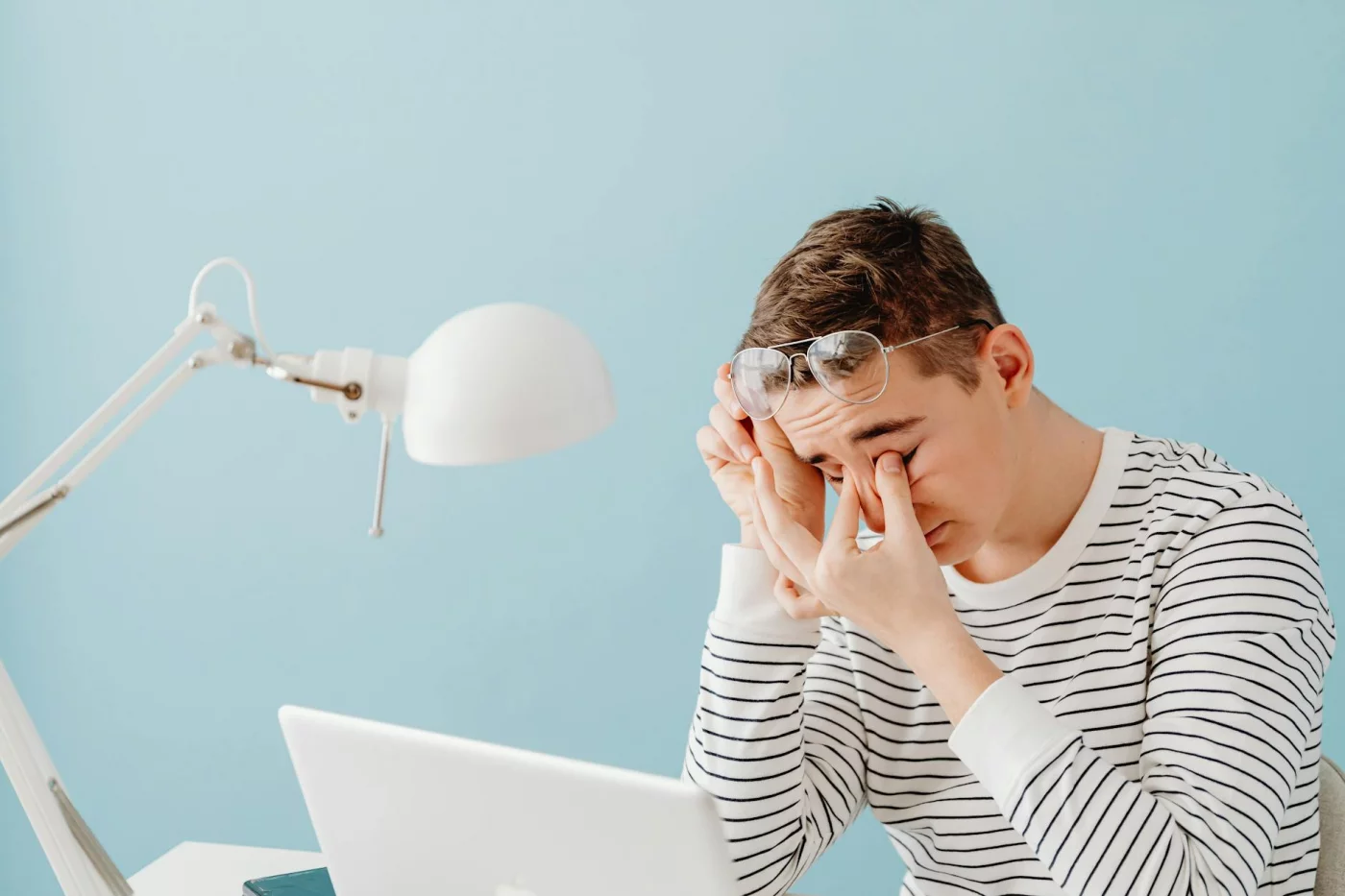
So here’s the deal: most people say “eye strain” when they mean a mix of dry eyes, glare, and attention overload. If you want a practical next step that covers both discomfort and distraction, start with reduce eye strain and distractions and come back to score yourself below.
Digital eye strain (eyes) vs cognitive fatigue (brain)
Digital eye strain (also called computer vision syndrome) is primarily an “eye + visual system workload” problem. Screen fatigue is primarily a “brain + attention system overload” problem. Same laptop. Different bottleneck.
With digital eye strain symptoms, your eyes feel dry, hot, gritty, or watery, and your vision may go a bit blurry—especially when you shift focus from screen to distance. With screen fatigue, your eyes can feel “tired,” but the bigger complaint is: why is it hard to focus after screen time even when your eyes don’t hurt?
- Eyes bucket example: After 90 minutes of reading PDFs or coding, you notice burning, blur, and heavy eyelids. That’s often reduced blink rate plus sustained focusing demand (accommodative load).
- Brain bucket example: After 90 minutes of Slack, notifications, and 20 tabs, your focus collapses and you keep rereading the same line. That’s task switching and attention residue.
Mechanisms are pretty concrete. When you read or code, your blink rate often drops, which dries the tear film and ramps up irritation; glare and reflections force extra squinting; and a too-close viewing distance increases accommodative load. Add an uncorrected prescription (even mild astigmatism), and blur + headaches show up fast.
Now this is where it gets interesting. The “brain bucket” tends to come from constant context switching and novelty hits—your attention keeps getting pulled, then has to restart. If you want the deeper explanation of why focus doesn’t bounce back instantly, see attention residue explained.
And about the big question—do blue light glasses help with eye strain? If your strain is mostly dryness, glare, or focusing demand, the first-line fixes are usually blinking, lighting, distance, and prescription, not filtering blue wavelengths.
Quick self-check: which bucket are your symptoms in?
OK wait, let me back up. What are digital eye strain symptoms versus “I’m just fried”? Use this 60-second check, then pick the matching first-line action.
Score yourself: count how many symptoms you’ve had in the last week during or after screen use (0–6 per bucket).
- Mostly eyes (digital eye strain symptoms): dryness/burning; watery eyes; blurry near vision; heavy eyelids; light sensitivity; headaches that start around the eyes/forehead.
- Mostly brain (screen fatigue/visual fatigue): “attention friction” after scrolling; rereading without comprehension; irritability; mental fog; restless tab-switching; hard to start deep work.
- Mostly sleep (circadian hit): screens delay bedtime; you feel wired at night; next-day grogginess despite enough hours.
Mini decision tree: If you’re 4+ in eyes, start with ergonomics and ocular comfort: reduce glare, increase font size, check viewing distance, and consider a refraction check. If you’re 4+ in brain, start with input control: fewer tabs, fewer switches, and scheduled breaks (many people feel noticeably better within 5–15 minutes, but full “clear” can take 30–90 minutes after a heavy switching session). If you’re 2+ in sleep, your first move is an evening light plan and a consistent wind-down.
Lighting and reflections matter more than people think. Personally, I think this is the part most people get wrong: they buy glasses before fixing the room. Use workspace design for focus to reduce glare sources (windows behind you, bright overheads) and set a screen distance that doesn’t force squinting.
So, do blue light glasses help with eye strain in this model? Sometimes they help comfort if they reduce perceived brightness or glare for you, but they’re rarely the main fix when the “eyes bucket” is driven by blink rate, dryness, or uncorrected vision.
Evidence-first stance + safety boundaries (what to do if it’s not ‘normal strain’)
Fear-based “blue light damage” claims don’t match what major eye-health orgs emphasize for typical screen users. The American Academy of Ophthalmology has repeatedly highlighted that digital eye strain is more about how you use screens (blink rate, distance, breaks) than blue light harming the eyes; see guidance from the American Academy of Ophthalmology on computer glasses.
And the National Eye Institute frames computer use issues under computer vision syndrome/digital eye strain with practical behavior and setup advice; see information from the National Eye Institute on computer vision syndrome. That’s also where the “take breaks, adjust lighting, update your prescription” guidance shows up, consistently.
Individual variability is real, though. Contacts, dry eye disease, migraines, and even mild refractive error can change what you feel and how fast you recover. So yes, do blue light glasses help with eye strain for some people? They might, but don’t let that distract you from the higher-impact variables.
Next up, we’ll zoom in on the evidence itself: do blue light glasses help with eye strain in controlled studies, what they’re actually good for (if anything), and what to try instead when your symptoms are clearly “eyes,” “brain,” or “sleep.”
Do blue light glasses help with eye strain? What the evidence suggests (and what to try instead)
If the last section made you think, “OK, this isn’t just ‘tired eyes,’” you’re on the right track. The big question now is: do blue light glasses help with eye strain, or are they solving a different problem?
Here’s the honest answer: do blue light glasses help with eye strain sometimes, but the evidence for comfort is mixed, and the strongest case is actually about evening light and sleep timing. If you want a practical next step that covers both comfort and screen habits, start with reduce eye strain and distractions.
What blue light is (and what it isn’t)
Blue light is the higher-energy part of visible light, roughly in the ~400–500 nm wavelength range. Screens emit some of it because LEDs use a strong blue component to create white light.
But wait. Blue light isn’t the same thing as brightness, glare, or even “harshness,” and those are often the real drivers of discomfort during heavy blue light exposure.
So does night mode help with eye strain? Sometimes, but mostly because it reduces overall light intensity and shifts color temperature warmer. A common fail case: you turn on Night Shift, keep brightness at 100% in a dark room, and the screen still feels like a flashlight.
- Brightness affects pupil size and perceived comfort fast.
- Glare (overhead lights, windows, glossy screens) creates constant “visual noise.”
- Dryness ramps up when you blink less while reading or coding.
- Focus load increases when you’re locked at one distance for hours.
Which brings us to the key distinction: eye strain is usually mechanical/behavioral, while blue light is more about timing and biology.
What studies and clinical guidance say about blue-light-blocking lenses
When people ask do blue light glasses help with eye strain, they usually mean “Will my eyes stop burning and my head stop feeling tight after screens?” Clinical guidance tends to say: maybe a little for some people, but don’t treat it as the main fix.
The American Academy of Ophthalmology has repeatedly emphasized that digital eye strain is more about how you use screens (blink rate, breaks, viewing distance, glare) than about blue light itself; see American Academy of Ophthalmology guidance on computer use and eye strain. That lines up with what most optometry summaries call out as “computer vision syndrome” risk factors: dryness, uncorrected prescription, and poor ergonomics.
What would strong evidence look like? Randomized trials that compare blue-blocking lenses vs clear lenses while measuring (1) subjective comfort, (2) dry-eye signs like tear breakup time, and (3) performance outcomes like reading speed or error rate. And yes, systematic reviews exist, but overall the results for eye strain relief are mixed; a good starting point is the PubMed Central database of peer-reviewed lens and eye strain studies.
So, do blue light glasses help with eye strain in a predictable, “buy this and you’re done” way? Not really. Personally, I think they’re often a comfort accessory, not a root-cause solution.
When blue light glasses may help (sleep timing) vs won’t (dry eye/glare)
Now this is where it gets interesting. Blue light has a clearer link to circadian timing because short-wavelength light can suppress melatonin and delay sleep onset, especially in the evening.
If your main complaint is “I study late, then I can’t fall asleep, and I’m foggy tomorrow,” blue light glasses (or warm filters) used at night may help more than wearing them all day. Pair that with dimmer room lighting and a consistent wind-down plan from sleep hygiene habits.
If your main complaint is burning, gritty eyes, or on-and-off blur, blue blockers won’t fix the core mechanism. Dry eye, glare, and accommodative load are the usual suspects, so prioritize setup and habits first—especially lighting and reflections, which I break down in workspace design for focus.
Quick self-check: what happens when you change only one variable?
- Warm filter on, brightness unchanged: if it still feels harsh, brightness/glare is likely the issue.
- Brightness down 30–50%: if comfort improves fast, intensity was your trigger.
- Artificial tears or more blinking: if burning drops, dryness is driving symptoms.
- Distance + text size: if blur/headache improves, focusing demand was too high.
If you still want glasses, choose based on comfort and timing: light tint for evenings, a fit that doesn’t pinch, and lenses that don’t distort colors you need for design work. And remember the core question—do blue light glasses help with eye strain—has a different answer depending on whether your problem is sleep delay or dry-eye strain.
Next up, we’ll get practical: a fast, step-by-step relief plan for what to do in 2 minutes, 10 minutes, and 30 minutes when your eyes are already cooked.
Fast relief step-by-step: how to relieve eye strain fast (2, 10, 30 minutes)
The evidence is pretty consistent: if you’re asking “do blue light glasses help with eye strain,” the fastest relief usually comes from blinking, distance viewing, and fixing glare—not from filtering a color. But glasses can still be useful for comfort, especially at night, so think of them as optional support, not the main switch.
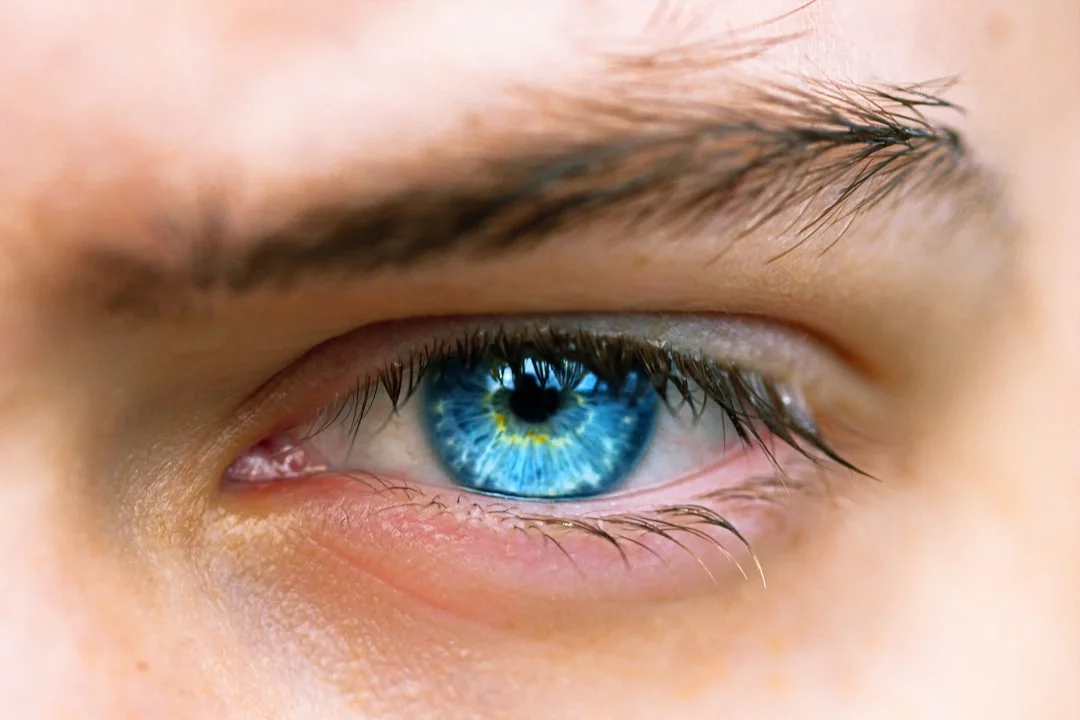
So here’s the deal. Use these timed resets when your eyes feel hot, dry, blurry, or your focus feels “stuck.” And if eye strain is tangled up with digital distraction, your next step is this hub: reduce eye strain and distractions.
📋 Quick Reference
| Time to relief | Best for | What it fixes |
|---|---|---|
| 2 minutes | Dry, scratchy, “I can’t blink” screen stare | Blink rate + tear film + glare mismatch |
| 10 minutes | Blur + tension + hard-to-focus after screen time | Accommodation + nervous system downshift + attention residue |
| 30 minutes | Full screen fatigue + headache-y + mental fog | Arousal reset + daylight cue + deeper attention restoration |
2-minute reset (blink + distance + light)
This is your “how to relieve eye strain fast” button. It targets the two biggest drivers of that burning/blur feeling: reduced blink rate (tear film breaks up) and locked-up near focus (accommodation fatigue).
How to do the 2-minute reset
- Step 1: Do 10 slow, full blinks (close gently, pause 1 second, open). Then do 10 normal blinks. This rebuilds the tear film and reminds your eyelids to finish the job.
- Step 2: Look at something 20+ feet away for 20 seconds. Yes, it’s basically the 20-20-20 rule for students—just made more “real” by pairing it with blinks.
- Step 3: Do a 20-second glare check: tilt your screen slightly down, move a lamp so it doesn’t shine into your eyes, and avoid a bright window directly in front/behind your monitor. Match screen brightness to the room (no “flashlight in a cave”).
Does that answer “do blue light glasses help with eye strain” in the moment? Usually not. If your eyes feel better after this reset, your problem was mechanics and lighting, not “blue light fatigue.”
10-minute reset (eyes + nervous system + attention)
OK wait, let me back up. Eye strain isn’t only an eye problem; it’s often a focus problem, too. After intense screen work, your brain keeps “holding” the last task, which is why focus doesn’t bounce back instantly—see attention residue explained for the mechanism and why switching costs feel like fog.
How to do the 10-minute reset
- Step 1 (2 minutes): Distance viewing + gentle eye movement. Look out a window or across a hallway. Slowly trace a rectangle with your gaze (no aggressive “eye exercises”). You’re telling the focusing system, “near work is over.”
- Step 2 (3–4 minutes): Downshift your nervous system with slow breathing. Use this box breathing technique if you want a simple script.
- Step 3 (3–4 minutes): Low-input rest. No phone. No tabs. Just sit, eyes open or closed, and let your attention settle.
- Step 4 (30 seconds): Re-entry plan: write one sentence goal (“In the next 15 minutes, I will…”) and the very next action (“Open X doc and solve problem 1”).
Copy/paste reminder scripts for students:
- 2-min: “Blink 10 slow + 10 normal. Look 20ft for 20s. Fix glare.”
- 10-min: “2 min distance + gentle gaze. 4 min breathing. 4 min no-input. Then 1-sentence goal + next action.”
If you’re still asking “do blue light glasses help with eye strain,” run this 10-minute reset twice today and compare. If your symptoms drop fast, glasses weren’t the bottleneck.
30-minute reset (walk + daylight + deep rest)
This is for real screen fatigue: heavy eyes, headache-y pressure, and that “how long does it take to recover from screen fatigue?” feeling. Personally, I think movement plus daylight beats any filter here, because it resets arousal and gives your brain a clean context change.
How to do the 30-minute reset
- Step 1 (10–20 minutes): Easy walk outside or near a bright window. Keep it relaxed. Daylight helps anchor alertness and circadian timing (especially earlier in the day), while distance viewing relaxes the focusing system.
- Step 2 (5 minutes): Lie down or sit with eyes closed. No audio. Let your visual system fully stop working.
- Step 3 (2 minutes): Before reopening your laptop, write the next two actions (not goals). Example: “1) Rename and save notes. 2) Do 5 practice questions.” This prevents tab-hopping.
And yes, “do blue light glasses help with eye strain” can still be a fair question—especially if you’re working under harsh LEDs. But don’t skip the setup: lighting angle, glare, and contrast matter a lot, which is why I point people to workspace design for focus as the boring fix that actually works.
One evidence-based note: the American Academy of Ophthalmology’s guidance on digital devices and your eyes emphasizes blinking, breaks, and managing screen setup as primary strategies, not blue-light filtering for eye strain.
Quick decision rule: if you’ve tried the 2/10/30 resets and you still can’t focus or your eyes hurt, don’t keep brute-forcing it. That’s where the next section’s root-cause checklist (dry eye, glare, blur, headaches) becomes the real answer to “do blue light glasses help with eye strain.”
Root causes checklist + common mistakes to avoid (dry eye, glare, blur, headaches)
You’ve already done the fast resets. Now the real win is removing the behaviors that keep symptoms coming back tomorrow.
This is also where people get stuck asking “do blue light glasses help with eye strain” while the actual driver is dry eye, glare, or working too close for hours. If distraction is part of your problem too, use this guide to reduce eye strain and distractions as your next step.
First, a quick checklist. If you fix only one thing, fix the environment.
- Max brightness in a dark room: match screen brightness to the room; don’t make your monitor the only light source.
- Working too close: aim for ~50–70 cm (20–28 in) viewing distance; closer often increases blur and headaches.
- Ignoring your prescription: uncorrected astigmatism or wrong “computer” distance can mimic digital eye strain symptoms.
- Never blinking: reduced blinking dries the tear film; “watery eyes” can still be dry eye.
- Glare from windows/lights: reflections force constant micro-squinting and focusing effort.
- Tiny font + high density UI: raise font size and line spacing; stop forcing your eyes to do the zooming.
- Nonstop tab switching: attention switches add cognitive fatigue; your eyes don’t recover if your brain never downshifts.
- Late-night bright overhead lights: can delay sleep and increase next-day fog; that’s not “eye strain,” it’s recovery debt.
- Relying only on blue light glasses: even if “do blue light glasses help with eye strain” is true for you, they won’t fix glare, dryness, or ergonomics.
- Pushing through headaches: pain is a stop signal; breaks prevent the spiral into a full screen-fatigue day.
Dry eye from reduced blinking: signs + what helps (and what to avoid)
Reduced blinking is sneaky. When you read, code, or game, your blink rate often drops, the tear film breaks up faster, and you get dry eye symptoms that feel like “strain.”
Common signs: burning, gritty/sandy feeling, watery eyes, red lids, and contact lens discomfort. And yes, watery eyes can still mean dry eye because irritation triggers reflex tearing (MedlinePlus overview: dry eye).
What helps: set “blink cues” (every time you hit Enter, blink fully twice), aim airflow away from your face, and consider a small humidifier if your room is dry. What to avoid: staring contests with your IDE, fans pointed at your eyes, and “I’ll just finish this one thing” for 90 minutes.
If you’re considering artificial tears, ask a pharmacist or eye-care clinician what fits your situation (especially with contacts). If symptoms are frequent, it’s worth discussing dry eye evaluation.
Glare + reflections: how to reduce glare on a monitor
Glare is basically invisible effort. Your visual system keeps correcting contrast and reflections, and the cost shows up as fatigue and headaches.
Do this 10-second test: open a black screen and look for reflections. If you can see a window, lamp, or your own face clearly, you’ve got a glare problem.
Fixes that work: place the screen perpendicular to windows, put a lamp behind the monitor (not in your line of sight), and use softer ambient lighting instead of one harsh overhead light. If you can’t reposition, a matte screen protector can help, but it’s not magic—setup still matters (see NEI tips: healthy vision).
And about “do blue light glasses help with eye strain” here: they don’t remove reflections. Glare reduction beats lens tinting almost every time.
Accommodative spasm + blur: why vision gets weird after computer use
Blur after screen time often isn’t permanent damage. It’s your focusing system getting “stuck” at near distance—sometimes called accommodative spasm.
Near work asks your eyes to hold one focus for a long time. Then you look up, and distance vision feels temporarily soft or slow to lock in.
First-line fix: distance breaks. Look at something far (across the room or outside) for 20–60 seconds, and repeat a few times; it often clears faster than just “resting.”
If blur is persistent, getting worse, or you’re squinting to read normal text, schedule an eye exam; you may need an updated prescription or a computer-specific option. The American Optometric Association describes how computer vision syndrome can include blur and focusing difficulty (AOA: computer vision syndrome).
This is also why “do blue light glasses help with eye strain” can feel confusing: blur from accommodative spasm is a focusing issue, not a blue-light issue.
Headache patterns: eye strain vs migraine (non-medical steps + when to seek care)
Eye-strain headaches often feel like pressure in the forehead or behind the eyes, and they build after near work. Migraine is different for many people: throbbing pain, nausea, light sensitivity, and sometimes one-sided pain (but patterns vary).
Non-medical steps that usually help: dim the room, drink water, do a 2-minute neck/shoulder reset, and increase viewing distance while lowering monitor height slightly so your neck isn’t extended. For ergonomics, aim for the top of the screen around eye level and keep your shoulders relaxed; Mayo Clinic notes eyestrain is commonly linked to screen habits and poor lighting (Mayo: eyestrain).
If you’re searching “how to relieve eye strain headache,” treat it like a systems problem: brightness + glare + distance + breaks + neck posture. And if headaches are severe, frequent, or come with neurological symptoms, get medical care.
Quick decision tree (use the smallest fix that matches your symptom): dryness/burning → blink cues + airflow/humidity; blurred vision → distance breaks + check prescription; headache → lighting + ergonomics + breaks; sleep delay/next-day fog → reduce evening light and consider whether “do blue light glasses help with eye strain” is the wrong question and your real issue is late-night brightness and timing.
Next up, we’ll turn these into a Quick Reference: the best screen settings, break rules, and realistic recovery timelines so you know what should improve today vs this week—plus where blue light glasses actually fit.
Quick Reference + Real-World Application: best screen settings, break rules, and recovery timelines
You’ve already ruled out the big root causes (dry eye, glare, blur, headaches). Now you need a fast “what do I do next?” playbook that actually matches your symptoms.
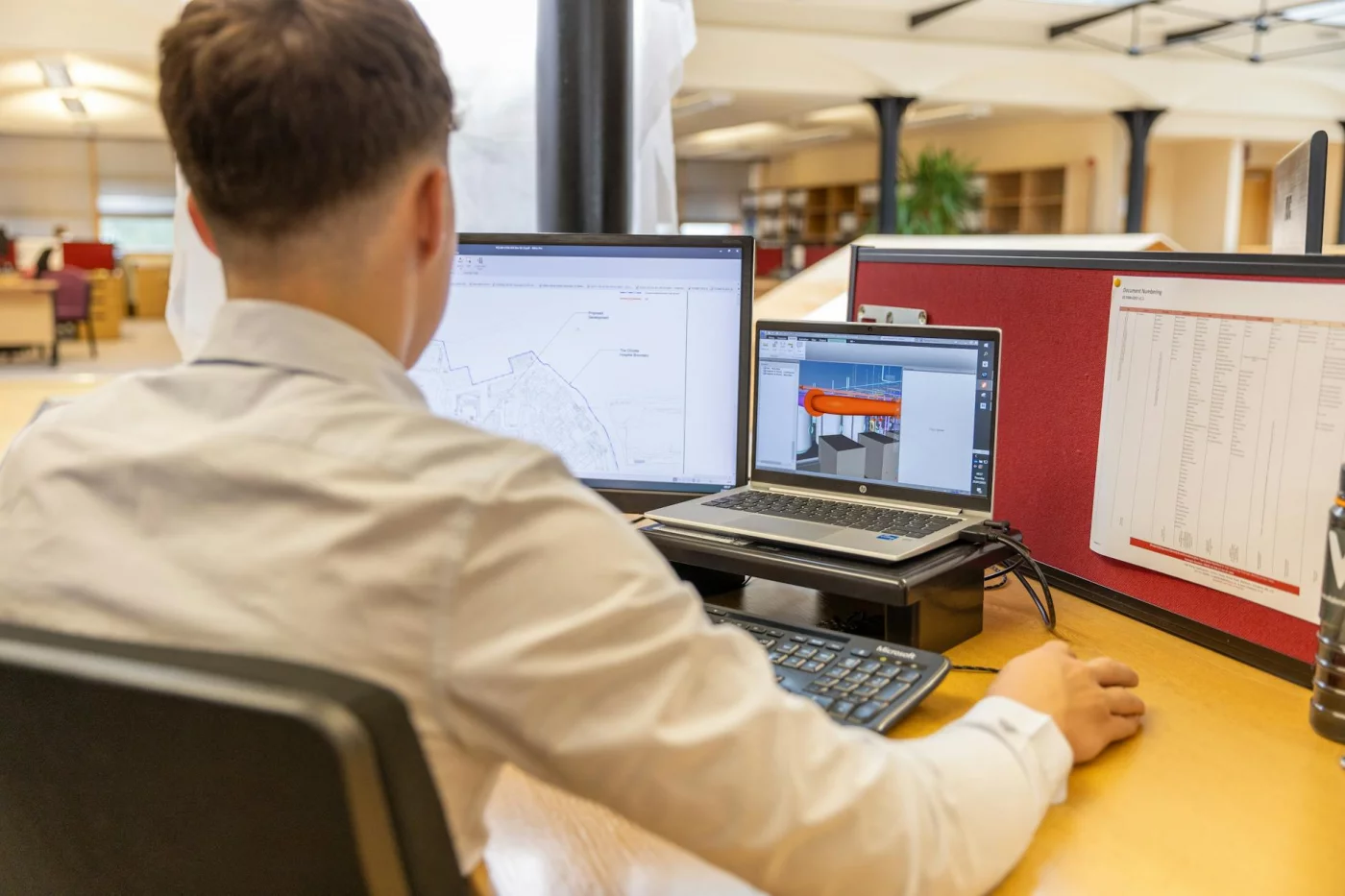
And yes, people still ask: do blue light glasses help with eye strain? Sometimes they help a little, but the quickest wins are usually screen settings, breaks, and sleep timing—especially if you also fight distraction while studying. If that’s you, your next step is this hub: reduce eye strain and distractions.
📋 Quick Reference: what to do based on your symptom (table + checklist)
📋 Quick Reference
- Dryness/burning: blink reset + humidity/airflow fix + lubricating drops if recommended; escalate if it’s daily or painful.
- Blur (comes/goes): zoom up + distance focus breaks + check prescription; escalate if blur persists off-screen.
- Headache/pressure: reduce glare + lower contrast extremes + longer breaks; escalate if one-sided, nausea, or aura.
- Sleep delay/next-day fog: earlier dimming + warm light + screen curfew; escalate if insomnia persists for weeks.
| Intervention | Time to relief | Best for | Evidence strength | Common mistake |
|---|---|---|---|---|
| Zoom/text size + viewing distance | Minutes | Blur, squinting, headaches | Moderate (ergonomics + accommodation) | Keeping tiny fonts to “fit more” |
| Glare control (angle, matte, lamp position) | Minutes–hours | Headache, burning, watery eyes | Moderate | Max brightness in a dim room |
| Break rules (20-20-20 / longer breaks) | Minutes–hours | Dryness, focus drop | Moderate | “Break” = scrolling another screen |
| Night Shift/Night Light + evening dimming | Same night–days | Sleep latency, next-day fog | Stronger for sleep than eye strain | Expecting it to fix daytime strain |
| Blue light glasses | Unclear / small | Some comfort, glare sensitivity | Mixed; limited for strain | Buying glasses but not changing setup |
If you’re mainly chasing “how to relieve eye strain fast,” start with the two-minute fixes: zoom up, reduce glare, and do one distance-focus break. Then reassess.
Also, the research direction matters here: a 2021 Cochrane review found limited evidence that blue-light–filtering lenses reduce symptoms of eye strain in the general population (Cochrane review on blue-light filtering lenses). So when you ask do blue light glasses help with eye strain, the honest answer is “maybe a little,” but don’t bet your relief on them.
Break rules: 20-20-20 vs 30/30/30 (best schedule for studying)
20-20-20 rule for students: every 20 minutes, look at something about 20 feet away for 20 seconds. It nudges your focusing system to relax and reminds you to blink. But wait—this is the part most people get wrong: it doesn’t automatically fix cognitive overload or poor sleep.
30 30 30 rule for screen time: after 30 minutes of screen work, take a 30-second distance look, and every ~30 minutes to 1 hour add a longer reset (think 3–5 minutes) if you’re headache-prone or doing intense reading. It’s basically 20-20-20 plus “micro + mini” breaks, which can be easier on heavy screen days.
Personally, I like a deep-work cadence: 60–90 minutes of real work, then 10–15 minutes of a real break (walk, water, daylight, no feeds). That pattern lines up with what sleep researchers call ultradian cycles, where alertness rises and falls across the day (NIH overview of biological rhythms).
Real-World Application: settings + night plan + recovery timelines (from experience)
OK wait, let me back up. When I was building and testing FreeBrain’s study tools, I kept seeing the same pattern in user notes: people who fixed text size/zoom and glare got relief faster than people who only asked do blue light glasses help with eye strain and then changed nothing else.
- Brightness: match the room. Avoid max brightness in dim rooms; avoid dim screens in bright sunlight.
- Text size/zoom: increase until you can read without leaning forward or tightening your forehead. If you’re leaning in, it’s too small.
- Contrast: avoid extreme white-on-black at high brightness if it triggers halos or headaches; try slightly off-white backgrounds.
- Baseline starting points: laptop at ~50–70% brightness indoors, phone at the lowest comfortable level, external monitor slightly lower than laptop if it’s larger and closer.
- Best blue light filter settings for studying: keep filters mild during the day (so colors stay accurate), then warmer after sunset if you’re working late.
Now this is where it gets interesting. People ask “night shift mode for eye strain does it work” and “does night mode help with eye strain.” For daytime strain, the effect is usually small; for sleep timing, it can matter more because evening light can delay melatonin and sleep onset (review on evening light and melatonin). So when you wonder do blue light glasses help with eye strain, separate “eye comfort now” from “sleep tonight.”
Realistic screen curfew plan: aim for 60 minutes screen-off before bed 3 nights this week. If you must work late, do harm reduction: dim room lights, use warm lamps, lower brightness, enable Night Shift on a schedule, and avoid high-arousal content for the last 30 minutes.
How long does blue light fatigue last? It depends on the pattern. Dryness/blur often improves in minutes with blinking, drops if advised, and distance breaks; focus can take hours to recover after overstimulation and constant notifications (batching helps a lot—well, actually, it’s often the difference between “fried” and “fine”); and dry-eye flares or prescription issues can last days until you address the cause.
Blue light fatigue recovery time: expect 5–15 minutes for eye comfort to noticeably shift after a true break, 1–3 hours for focus to feel “normal” after a heavy multitasking session, and 2–7 days if you’re dealing with ongoing dryness or an uncorrected vision issue. If symptoms persist, worsen, or include severe headache/vision changes, consult an optometrist or qualified clinician—this is educational, not medical advice.
Next, we’ll tighten this into quick FAQs (including whether do blue light glasses help with eye strain is the right question for your situation) and a simple plan you can follow this week.
Frequently Asked Questions
Do blue light glasses help with eye strain or is it mostly marketing?
For most people, evidence is mixed on whether do blue light glasses help with eye strain in the classic “computer vision syndrome” sense, because a lot of discomfort is driven by dryness, glare, and sustained focusing up close. But here’s the nuance: if your main issue is late-night screens delaying sleep (and you wake up foggy), blue-blocking lenses can be more useful in the evening than at noon. If you want a higher-impact fix, start with blink breaks, glare control, and slightly larger text—then test glasses as a secondary variable. And yes, the question “do blue light glasses help with eye strain?” is often really “what’s causing my strain: light, dryness, or workload?”
How to get rid of blue light fatigue fast (in 10 minutes)?
If you’re wondering how to get rid of blue light fatigue quickly, do a 10-minute reset: 2 minutes looking far away (out a window), 5 minutes of a low-stimulus break (no scrolling), and 3 minutes of slow breathing (try 4 seconds in, 6 seconds out) to downshift arousal. Then re-enter work with one written goal and the next action to prevent tab-hopping, which keeps fatigue going. This won’t magically answer “do blue light glasses help with eye strain,” but it usually reduces the attention residue and visual load that people blame on “blue light.”
What are digital eye strain symptoms (computer vision syndrome)?
Common digital eye strain symptoms include dryness or burning, a gritty feeling, watery eyes, blurred vision after near work, and headaches that build during long screen sessions. You might also notice neck/shoulder tension and light sensitivity, especially if your setup creates glare or you’re craning forward. If you’re asking “do blue light glasses help with eye strain,” check whether your symptoms track more with dryness + glare than with screen color—because those tend to be the bigger drivers.
What is the 20-20-20 rule for students and does it actually work?
The 20-20-20 rule for students is simple: every 20 minutes, look about 20 feet away for 20 seconds, mainly to relax focusing (accommodation) and remind you to blink. It helps some people, but if you’re still uncomfortable you’ll often need bigger changes too:
- Increase font size and line spacing
- Lower glare (lamp position, matte screen, angle)
- Take real breaks that include movement
And no, even if you do it perfectly, it doesn’t automatically prove do blue light glasses help with eye strain—it just targets a different mechanism.
What is the 30/30/30 rule for screen time?
The 30 30 30 rule for screen time is a structured pattern that builds longer recovery windows into screen-heavy days, which matters when micro-breaks aren’t enough. One practical version: 30 minutes focused work, 30 seconds of distance viewing/blinking, and every 30 minutes (or every second block), take a longer “real break” that includes standing and changing your visual target. If you’re headache-prone, coding/reading for hours, or coming off a rough week of late-night screens, this often beats debating do blue light glasses help with eye strain because it reduces cumulative load.
Does Night Shift / night mode help with eye strain or just reduce blue light?
If you’re asking night shift mode for eye strain does it work, the main effect is changing color temperature (warmer) and sometimes supporting sleep timing by reducing bright, blue-weighted light at night. For comfort, though, brightness, glare, and text size usually matter more than color alone, so try dimming the screen, increasing font size, and avoiding harsh overhead lighting first. And if you’re still stuck on “do blue light glasses help with eye strain,” it’s worth knowing that the American Academy of Ophthalmology’s guidance on blue light and digital eye strain emphasizes these practical factors over blue-light filtering for most people.
How long does blue light fatigue last and how long does it take to recover from screen fatigue?
Your blue light fatigue recovery time depends on what’s actually fatigued: dryness/blur can improve in minutes with blinking, lubricating drops (if appropriate), and distance breaks, while cognitive fatigue can take hours if you’re overstimulated or sleep-deprived. A good rule: if you feel better after a 10–20 minute low-stimulus break, it’s likely “load” rather than damage, and debating do blue light glasses help with eye strain is usually secondary. But if symptoms last days or keep recurring, consider root causes like dry eye disease, migraine patterns, or prescription issues and consult an eye-care professional or clinician.
How do I relieve an eye strain headache quickly—and how do I know it’s not a migraine?
For how to relieve eye strain headache fast, try this sequence: screen break, reduce brightness/glare, relax your neck/shoulders (shoulder rolls + chin tuck), and do a 5-minute low-stimulus reset (no messages, no feeds). Then document triggers (time of day, screen type, sleep, caffeine) so you can spot patterns—because that’s often more predictive than “do blue light glasses help with eye strain.” Migraine is more likely if you have nausea, strong light sensitivity, or one-sided throbbing; persistent, severe, or changing headaches warrant medical evaluation, and you can compare your symptoms to NINDS migraine information while you schedule care.
Conclusion: Your screen-fatigue recovery plan (that actually works)
Here’s what to do, starting today. First, treat blue light glasses as optional: if you’re asking “do blue light glasses help with eye strain,” the most reliable wins usually come from reducing glare and fixing dryness, not filtering a color. Second, run the fast relief ladder: 2 minutes of distance focusing + blinking, 10 minutes away from screens with hydration and a warm compress if your eyes feel dry, and 30 minutes of real visual rest (walk outside if you can). Third, lock in your baseline settings: match screen brightness to the room, increase text size, and move your screen slightly below eye level to reduce exposed-eye dryness. Fourth, use simple break rules (like 20-20-20) and a root-cause checklist—dry eye, blur from uncorrected vision, glare, and poor ergonomics are the usual culprits.
And if you’ve been powering through headaches or that “sand-in-your-eyes” feeling, you’re not behind—you’re normal. Screen work is a visual endurance sport, and your eyes respond fast once you stop fighting the basics. Personally, I think this is the part most people get wrong: they keep searching “do blue light glasses help with eye strain” when what they really need is a repeatable routine they’ll do on busy days. Keep it simple. Make it automatic. Your symptoms should start easing within days, not weeks, when the right cause is addressed.
Want a tighter system? Keep learning on FreeBrain.net: start with the 20-20-20 rule (how to do it right) and digital eye strain: symptoms, causes, and fixes. Then pick one change to apply in the next hour—because the best answer to “do blue light glasses help with eye strain” is the plan you’ll actually follow.