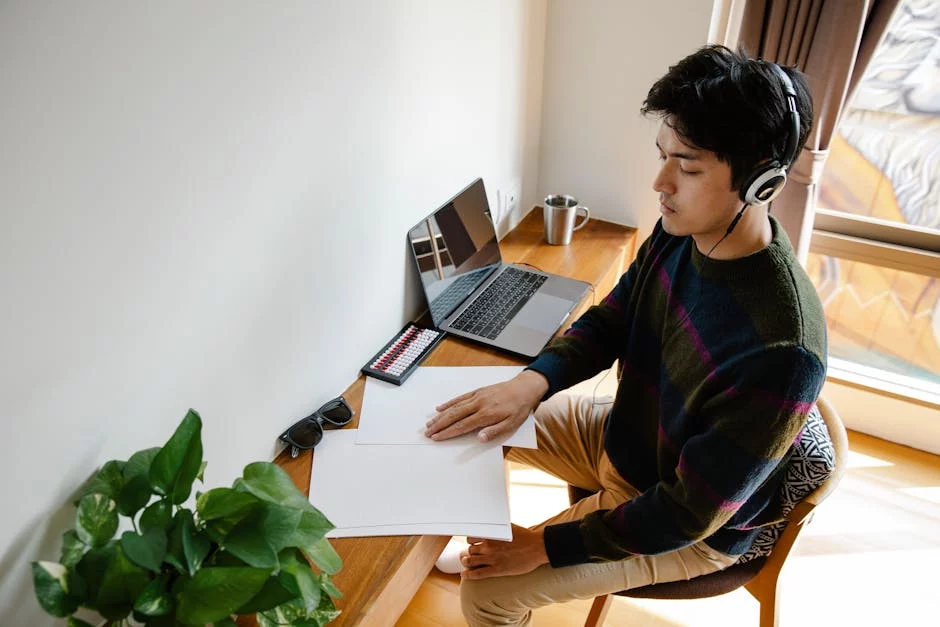

If you’re wondering how to study in a noisy house, the short answer is this: use three layers at once. Reduce the noise you can, mask the noise you can’t, and adapt your task and attention style to whatever sound is left. That’s the most reliable way to figure out how to study in a noisy house without buying expensive gear or waiting for your home to magically get quiet.
Maybe it’s a sibling watching TV. Maybe it’s roommates on calls, kids running through the hall, neighbors drilling through thin walls, or construction outside right when you need to read one hard chapter. And here’s the kicker — your brain treats sudden voices and unpredictable sounds differently from steady background noise, which is part of why conversations pull you off task so fast; if you want the brain-level version, see how dorsal vs ventral attention affects focus shifts.
So what actually helps? Start here:
1. Move your study spot a few feet, not a few rooms.
2. Face away from doors, TVs, and foot traffic.
3. Use towels, rugs, or soft surfaces to cut echo.
4. Match the task to the noise level.
5. Work in short, protected sprints like a 60-minute deep work block.
6. Use white, brown, or fan noise to cover irregular sounds.
7. Keep a “backup task” ready for loud periods.
8. Use visual signals and simple scripts with family or roommates.
9. Reset fast after interruptions instead of spiraling.
If you’re trying to learn how to focus in a noisy room, how to ignore noise when studying, or even how to block out noise without earplugs, this guide will help you choose the right fix for the exact problem. You’ll see what to do when you can’t leave the room, can’t use headphones, need to take calls, live with other people, or feel unable to concentrate with background noise. Research on noise and cognitive performance has been pointing in this direction for years, including research indexed by the National Library of Medicine.
I’m a software engineer, not a neuroscientist. But while building FreeBrain tools and writing for self-learners, I’ve tested these methods in real shared spaces — and yes, that includes trying to work through voices, TV noise, and random household chaos. This article is built for real homes, real budgets, and real attention limits, including low-cost options for how to study in a noisy house without headphones.
📑 Table of Contents
- Quick answer: 9 smart fixes
- Why home noise wrecks focus
- How to study in a noisy house: 5 steps
- From experience: what works in real homes
- Quick reference and mistakes to avoid
- Frequently Asked Questions
- How can I study in a noisy house without headphones?
- How do I block out noise mentally when studying?
- What is better for studying: white noise or brown noise?
- How do I focus in a noisy room with roommates or family?
- Do people with ADHD focus better with noise?
- How can I work from home in a noisy house and still take calls?
- Why is my house so noisy at night, and what can I do about it?
- Conclusion
Quick answer: 9 smart fixes
If your last thought was, “OK, but what do I actually do when the TV is on, the kitchen is loud, and the dog won’t stop barking?” — start here. The best answer to how to study in a noisy house is a 3-layer system: reduce the noise you can, mask the noise you can’t, and match your task to whatever sound is left. For more on learning and study skills, see our learning and study skills guide.
That works whether you’re dealing with a parent watching TV nearby, roommates talking in the kitchen, thin walls, kids interrupting, or daytime drilling next door. And yes, this guide also covers cases where you need to study in noisy house without headphones, can’t leave the room, or still have to take calls while working from home in a noisy house.
The 3-layer focus rule
Here’s the rule in plain English: first lower obvious noise, then add stable background noise to cover the rest, then switch to a task your brain can still do well under those conditions. No single trick solves every noise type. Speech and sudden sounds usually break attention harder than steady hums, which fits what attention research suggests about how unexpected signals pull you off task; if you want the brain version, see our breakdown of dorsal vs ventral attention.
Personally, I think this is the part most people miss. While building FreeBrain resources from imperfect home setups, I tested these fixes during deep work, writing, and self-study — and the combo beats any one hack on its own. If you do better with structured sprints, our 60-minute deep work block can help you contain the chaos.
The 9 fixes at a glance
- Map your loud hours and protect your quiet windows.
- Identify your trigger sounds: voices, barking, drilling, or interruptions.
- Move your desk away from kitchens, doors, shared walls, and TVs.
- Add soft surfaces like rugs, curtains, or blankets to cut echo.
- Use masking audio such as brown noise, rain, or a fan.
- Switch task type when noise rises: review, quiz, plan, then return to deep reading later.
- Work in short focus sprints with clear start and stop times.
- Use simple quiet-time scripts with family or roommates.
- Build a backup plan for interruptions before they happen.
Research on noise and cognition suggests intermittent and speech-like sounds are especially disruptive, while steady background noise is often easier to tune out; the American Psychological Association’s overview of noise and stress is a useful starting point. And if your quietest window is early, pair that with better brain-friendly morning routines so your hardest work lands before the house gets loud.
Who this guide is for
This is for students, remote workers, self-learners, people sharing rooms, and readers with sensory sensitivity who need realistic fixes, not fantasy advice. Low-cost changes come first. Gear comes second.
And no, struggling to focus in a noisy house doesn’t mean you lack discipline. It means your environment is competing for attention — which brings us to why home noise wrecks focus in the first place, and why some sounds are far worse than others according to the National Academies’ review of noise and health effects.
Why home noise wrecks focus
Those 9 fixes work better once you know what you’re fighting. If you’re wondering how to study in a noisy house, the real problem usually isn’t just loudness — it’s the kind of sound, when it hits, and what your brain thinks it means.

Home noise is often worse than office hum because it’s intermittent, meaningful, and emotionally loaded. A fan fades into the background. But a TV line, your name from the hallway, or a slammed door can snap you out of a 60-minute deep work block in seconds.
Constant noise vs sudden noise
Steady sound and surprise sound don’t hit the brain the same way. Fan hum, distant traffic, and rain-like noise are often easier to habituate to, while barking dogs every 10 minutes, drilling bursts, or roommates laughing force repeated reorientation.
And that switching cost adds up. Research on attention networks helps explain why sudden, novel sounds pull bottom-up attention so hard; if you want the brain version, see FreeBrain’s breakdown of dorsal vs ventral attention. For a broader overview of selective attention, the Wikipedia page on selective attention is a useful primer.
- If the issue is volume, masking may help.
- If it’s meaning, speech is the bigger problem.
- If it’s surprise, predictability matters most.
So when you’re trying to figure out how to block out noise mentally, ask: is this background noise, conversation, or interruption?
Why speech and TV are so distracting
Speech is hard to ignore because language carries meaning. Hearing your name, a dramatic TV scene in the next room, or half of a nearby phone call grabs attention more than a dishwasher ever will.
This is the part most people get wrong. TV noise and conversation noise interfere most with reading and writing because both tasks rely on verbal working memory. That’s why you may be fine folding notes or formatting slides, yet totally unable to concentrate with background noise ADHD-style when trying to memorize definitions.
When noise hurts some tasks more than others
Not all study tasks need the same quiet. Dense textbook reading, memorization, and calls are high-sensitivity tasks; organizing files, reviewing flashcards, and outlining are usually more noise-tolerant.
Research suggests repeated interruption and chronic stress can reduce working-memory efficiency and recall, which is why ongoing household noise can create real mental fatigue over time. FreeBrain covers that link in more detail here: stress and memory recall. And if you can choose your timing, put your hardest work into quieter windows using more stress guidance from the National Institute of Mental Health and practical planning from FreeBrain’s brain-friendly morning routines.
Which brings us to the practical part: next, I’ll show you exactly how to study in a noisy house in 5 steps.
How to study in a noisy house: 5 steps
So here’s the deal: if home noise keeps breaking your focus, you need a fast system, not more willpower. This is how to study in a noisy house in under 10 minutes, especially if you’re using short blocks like a 60-minute deep work block.
Step 1: Map your noise pattern
For 3 days, note your loudest 2-3 hours: TV after dinner, roommate calls at 8 p.m., dog barking at delivery times, drilling mid-morning. Then group sounds: speech, impact noise, appliances, traffic, pets, kids. Hardest work goes in your quietest 45-90 minute window, which is why brain-friendly morning routines often help.
Step 2: Rearrange the room first
Move your desk away from doors, shared walls, and TV sightlines. Add cheap sound absorbers: rug, curtains, folded blanket behind your chair, bookshelf on the thin wall. And yes, facing away from movement matters because sudden speech and motion can yank attention through the dorsal vs ventral attention systems.
Step 3: Mask the right sounds
Brown noise often feels less harsh, white noise masks broad frequencies, and pink noise sounds softer. Preference is personal. Use a fan or low-volume masking for traffic and hum; stronger masking helps with speech. Louder isn’t better—safe listening guidance from the CDC on harmful noise levels and NIDCD hearing guidance is clear.
Step 4: Match the task to the noise
- Quiet window: reading, memorization, coding, writing, calls
- Louder window: flashcards, admin, outlining, cleanup, review
- Example: 7:00-8:00 reading, 1:00 review, 8:30 planning
Step 5: Build an interruption reset
Use 25-45 minute sprints, then a 60-second restart: read your one-line next action, exhale slowly, resume. Can’t leave the room? Can’t use headphones? Need calls, night study, or a shared room? Match the fix to the noise, then keep testing. Next, I’ll show what actually works in real homes.
How to choose the fastest fix
- Step 1: Speech noise: move desk, add barrier, stronger masking, save admin tasks.
- Step 2: Traffic/appliances: fan or brown noise; headphones help if allowed.
- Step 3: Calls/night/shared room: low speaker, soft furnishings, schedule quiet work first.
From experience: what works in real homes
The 5-step method works. But real life is messier when you’re figuring out how to study in a noisy house with family, roommates, calls, and zero perfect options.
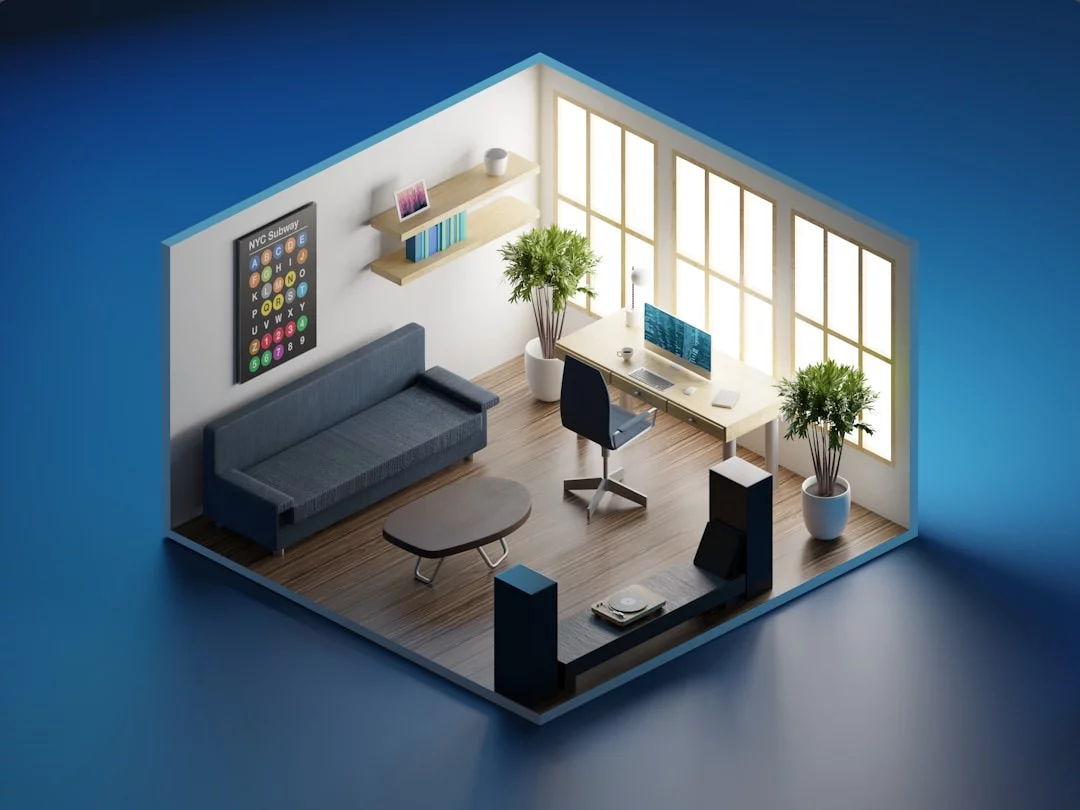
After building FreeBrain in shared spaces, I found that short, protected sprints beat waiting for silence. A 60-minute deep work block is often too long at home, so 20-30 minutes is usually more realistic.
If you can’t leave the room
Don’t force silence. Change the setup instead: face a wall, block movement from your peripheral vision, add soft materials, and use low masking audio if you can. That’s often the best answer for a shared apartment or if you need to study in a noisy house without headphones.
And here’s the kicker — speech is usually worse than steady noise because sudden voices pull attention fast; that fits what we know about dorsal vs ventral attention. During peak noise, switch tasks:
- Flashcards or summaries
- Practice questions
- Organizing notes, not dense reading
If you need to take calls
If you’re working from home in a noisy house, use the quietest predictable window and warn people early: “I need 30 minutes for a call from 2:00 to 2:30. After that I’m flexible.” Specific and time-bound works better than “Please be quiet.”
Pick the smallest soft room available. Hard surfaces increase echo, and NCBI’s overview of noise effects on health and cognition helps explain why constant sound drains mental stamina. Keep one backup spot ready too, even if it’s just a hallway corner.
If you have ADHD or sensory sensitivity
This section is educational, not a diagnosis or treatment plan. If you’re unable to concentrate with background noise and suspect ADHD, anxiety, or hearing issues, talk with a qualified professional.
Some people find steady non-speech sound regulating, while others need lower stimulation overall. Test one variable at a time: sound type, block length, task type, and time of day. Personally, I think scheduling your hardest work during quieter hours matters more than chasing the perfect setup, which is why brain-friendly morning routines can help.
That’s the practical side of how to study in a noisy house: match the task to the noise, protect small windows, and use clear scripts. Next, I’ll condense this into a quick reference and the biggest mistakes to avoid.
Quick reference and mistakes to avoid
So here’s the practical wrap-up. If you’re still figuring out how to study in a noisy house, don’t chase perfect silence; match the fix to the sound, the task, and whether headphones are even an option.
📋 Quick Reference
- TV or conversations: increase distance, add a physical barrier, then use low masking audio.
- Barking dogs: use 15-25 minute sprints and a fast reset between interruptions.
- Construction: switch to lighter tasks or relocate temporarily if you can.
- Thin walls: add rugs, curtains, and better desk placement before raising volume.
Best fix by situation
- Family TV, roommates, kids: best way to study in a noisy household is usually distance + door/barrier + steady masking sound.
- No headphones? Use soft surfaces, face away from movement, and save reading-heavy work for quieter hours or dense textbook reading.
- Dogs or sudden noise: short blocks work better than forcing long sessions.
Mistakes that make noise feel worse
This is the part most people get wrong. Trying to brute-force focus for 2-3 hours during peak noise usually increases frustration and mental fatigue, especially with speech noise. And lyric-heavy audio during reading? Usually a bad trade.
Also skip max volume, changing five variables at once, and expecting one setup to fit every task. Consistency beats perfection.
What to try this week
For the next 3 days, pick one loud hour, one trigger sound, and one low-cost fix to test. Rate focus quality from 1-5, try one masking sound, move your desk if possible, and shift one hard task to a quieter slot.
If you want more help after that, check FreeBrain’s related articles on deep work, breathing resets, study planning, and how to block out noise mentally. Next, let’s answer the most common questions quickly.
Frequently Asked Questions
How can I study in a noisy house without headphones?
If you’re figuring out how to study in a noisy house without headphones, start with the room itself before you try to force concentration. Move farther from doors, shared walls, kitchens, and TV-facing areas, then add simple sound barriers like curtains, rugs, blankets, or even a bookshelf between you and the noise source. If that only helps a little, use a fan or low speaker audio to mask sound, switch to lighter tasks during the loudest windows, and keep focus blocks short so interruptions don’t wreck your whole session.
How do I block out noise mentally when studying?
Most people can’t fully “think their way out” of meaningful noise, especially speech, so how to block out noise mentally is really about reducing the damage noise does to your attention. Use 15-25 minute focus sprints, keep a visible next-action note on your desk, and follow a fast reset after interruptions: glance at the note, reread the last line, and restart within 10 seconds. Steady masking audio and better task matching usually work better than trying to force deep focus in a loud space.
What is better for studying: white noise or brown noise?
With white noise vs brown noise for studying, neither one wins for everyone. White noise is sharper and better at masking a wide range of sounds, while brown noise is deeper and often feels softer or less harsh during longer sessions. For reading or writing, many students do best with steady, non-lyrical sound at low volume, and the right choice is simply the one that helps you stay on task without becoming another distraction.
How do I focus in a noisy room with roommates or family?
If you want to know how to focus in a noisy room, make your requests specific and time-bound: ask for 30-45 minutes of quiet, not silence all day. Face away from movement, reduce visual distraction, and put your hardest work into the most predictable quiet window, even if that window is short. And if the room stays loud? Don’t fight it—switch to review, planning, flashcards, or admin tasks until the noise drops, which is often the most realistic version of how to study in a noisy house.
Do people with ADHD focus better with noise?
For people searching unable to concentrate with background noise adhd, the honest answer is: sometimes, but it depends. Some people with ADHD find steady background sound regulating, while speech, TV dialogue, and unpredictable noise are often much more disruptive; research on attention and distraction suggests response varies by person and task. Test one variable at a time—sound type, volume, task difficulty, and session length—and if concentration problems are severe or persistent, consult a qualified healthcare professional; for a general overview of ADHD, the National Institute of Mental Health is a solid starting point.
How can I work from home in a noisy house and still take calls?
Working from home in a noisy house gets much easier when you separate call work from deep work instead of treating them the same. Schedule calls during the quietest predictable window, give housemates advance notice, and use the softest, least echo-prone room you have—carpet, curtains, and cushions help more than people expect. Keep a backup location ready for important meetings, and for non-call work, batch reading and writing into quieter periods while using louder periods for email, planning, or routine tasks; if you need help structuring those blocks, our study planner can help you map them out.
Why is my house so noisy at night, and what can I do about it?
If you’re wondering how to focus in a loud house at night, part of the problem is that noise stands out more when everything else gets quieter. Thin walls, neighbor activity, appliance hum, and TV audio can feel much louder after dark even when the actual volume isn’t extreme, because your brain has fewer competing inputs to ignore. Try adding soft furnishings, moving your desk away from shared walls, using low masking audio, and shifting your highest-focus tasks earlier if the night noise is predictable—personally, I think this is one of the most overlooked parts of how to study in a noisy house.
Conclusion
If you remember just four things, make them these: claim one repeatable study spot, reduce noise in layers instead of chasing total silence, match your task to the environment, and work in short, protected blocks. That means using simple fixes like a door draft blocker, soft background sound, a clear “do not interrupt” signal, and a 25- to 45-minute session plan before you start. And yes, this is really the core of how to study in a noisy house without buying expensive gear. You don’t need a perfect home setup. You need a system you can use again tomorrow.
Thing is, studying at home can feel unfair when the noise isn’t under your control. But wait — that doesn’t mean deep work is off the table. Most students don’t need silence; they need fewer surprises, fewer decisions, and a faster way to reset when they get interrupted. Start small. Try one boundary, one sound strategy, and one study block today. Personally, I think that’s where momentum begins — not with the ideal setup, but with the first workable one.
If you want more practical help, explore more study systems on FreeBrain.net. You might like How to Stay Focused While Studying for attention-friendly work sessions, or Spaced Repetition Study Method if you want to remember more even when your environment isn’t perfect. Keep testing, keep adjusting, and keep building a setup that works in your real life. That’s how to study in a noisy house — and still make real progress.