If you need to figure out how to study for the CPA exam while working full time, the goal is not to copy someone else’s perfect schedule. It is to build a plan you can still follow on tired weekdays, during busy weeks, and after the occasional setback. For most candidates, that means studying one section at a time, setting a realistic weekly hour target, and using practice questions, simulations, and spaced review instead of passive rereading.
This guide gives you a practical system: how to choose your exam order, how many hours to aim for, how to build a work-friendly weekly schedule, and what to do if you fail a section or need a lower-cost path. If your job already drains your attention by the end of the day, the best CPA study plan is usually the one with fewer moving parts, fixed study blocks, and a clear review loop you can repeat every week.
One more thing. I’m a software engineer, not a neuroscientist, but I spend a lot of time building study tools and translating solid research into practical systems for self-learners — and yes, that includes people trying to pass brutal professional exams while holding down a full-time job. Research summarized by the American Psychological Association on learning and memory lines up with what I’ve seen again and again: the right study method matters just as much as effort.
If the intro felt a little overwhelming, good. Now we make it practical. For most people figuring out how to study for cpa exam while working, the best starting plan is simple: take one section at a time, aim for 12-18 hours a week, use active recall and practice questions, and lock everything into a fixed calendar. For more on learning and study skills, see our learning and study skills guide.
The CPA exam is hard, but it’s usually not a motivation problem. It’s a scheduling and retention problem. If you want a faster setup, use a FreeBrain weekly tracker alongside our scientifically proven study techniques guide; this article will also cover section order, weekly hours, retake recovery, and low-budget options.
Key Takeaway: The best way to study for cpa exam while working is boring on purpose: one section, fixed weekly blocks, heavy practice, and a review loop that keeps old material alive.
The 3-part formula that works
Fixed calendar: Put 60-90 minute study blocks on your weeknights and a longer weekend block. Non-negotiable.
Active study: Use recall, MCQs, and sims instead of rereading. That matches what we see in attention and working memory research and in real learner behavior.
Weekly review loop: Revisit older topics every week with spaced repetition and high-yield selection using the 80 20 rule for studying.
From building FreeBrain tools and learning technical material myself, the pattern is consistent: retrieval beats rereading, and steady routines beat heroic cram weeks. Personally, I think this is the part most candidates get wrong.
Who this guide is for
This cpa study plan is for professionals working 40+ hours, students juggling internships or family duties, and retakers who need a diagnosis-first reset. Failed once? OK wait, let me back up: you probably don’t need more encouragement. You need to see what broke in your full-time job study schedule and fix that first.
What to verify before you begin
Before you decide how to start studying for cpa exam, confirm the current CPA exam sections, scheduling windows, and discipline details on the official AICPA exam information page and the NASBA CPA Examination page. State licensure rules, timing, and jurisdiction requirements can differ. Which brings us to the next step: building your exam order and timeline.
Build your exam order and timeline
Once your weekly study blocks are set, map them onto the CPA exam itself. If you’re figuring out how to study for cpa exam while working, your order matters almost as much as your hours.
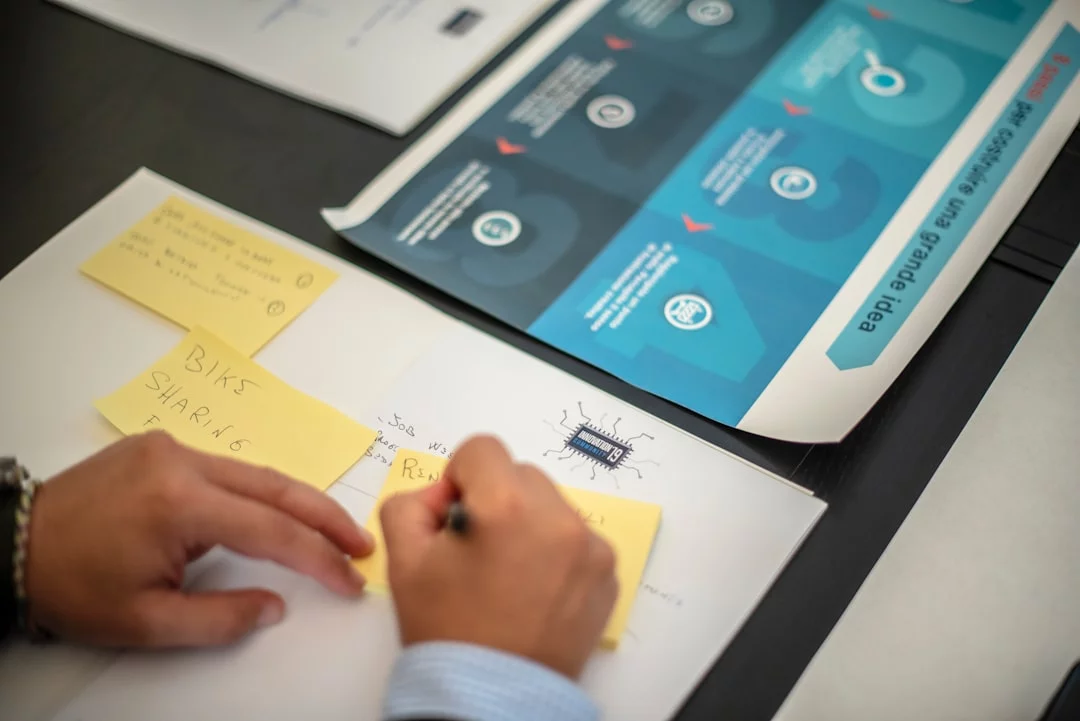
Map out your CPA exam section order and study timeline to stay organized while balancing work. — Photo by FORTYTWO / Unsplash
A realistic section order for most people
The current format is three core CPA exam sections plus one discipline section, but verify the latest details with AICPA exam structure guidance and NASBA. For most people, a smart default is FAR first, then AUD or REG, then the remaining core, then your discipline.
Why? FAR usually takes the most total time and builds accounting depth that helps later sections. And yes, some people ask, can you study for two CPA exams at once? Personally, I think that’s usually a mistake. One section at a time is the best way to study for cpa exam because focused review beats split attention, especially when attention and working memory are already stretched by a full-time job.
Hour targets by section
There isn’t one magic number for how many hours to study for cpa exam sections. Prior coursework, job experience, and review quality can shift totals a lot, so use ranges, not fake precision.
FAR: roughly 120-180 hours
AUD: roughly 80-130 hours
REG: roughly 90-140 hours
Discipline section: often 70-120 hours
At 15 hours per week, 120 hours is about 8 weeks, 150 hours is about 10 weeks, and 180 hours is about 12 weeks. That gives you a realistic CPA exam timeline. To keep that manageable, use scientifically proven study techniques and the 80 20 rule for studying so you hit high-yield topics before polishing edge cases.
Section Order and Timeline Snapshot
Default order for most candidates: FAR → AUD/REG → remaining core → discipline. Working 15 hours per week, expect about 8-12 weeks for FAR, 5-9 weeks for AUD, 6-10 weeks for REG, and 5-8 weeks for many discipline choices.
When to change the order
But wait. Default order isn’t a rule. Tax professionals may move REG earlier, strong auditors may front-load AUD, and retakers should often take a near-pass section first to rebuild momentum.
Your CPA exam study schedule also has to respect real life. Busy season, quarter close, travel, or family events can easily add two to four weeks to a section timeline. That’s the practical side of how to study for cpa exam while working—build the sequence around both content difficulty and your calendar. Next, let’s turn that timeline into a weekly study system you can actually stick to.
How to study for CPA exam while working
Once your exam order is set, the real challenge is turning that plan into a week you can actually survive. If you’re wondering how to study for CPA exam while working full time, the answer is simple but not easy: fewer materials, tighter routines, and more retrieval-based practice.
An 8-step weekly system
Use this as your default weekly workflow if you are balancing CPA prep with a full-time job.
Step 1: Choose one section only. Do not split your attention across two sections unless you have an unusual deadline and a very light work schedule. Most working candidates retain more when they focus on one section at a time.
Step 2: Book a realistic exam date before your study plan gets vague. A date creates urgency, but it should still fit your calendar. If quarter close, travel, or family events are coming up, build around them now instead of pretending they will not matter.
Step 3: Set your weekly hour target first. Then divide it into repeatable blocks. Example: four weekday sessions of 75 minutes plus one 4-hour weekend block gives you about 9 hours. Add two 30-minute lunch reviews and you are near 10 hours.
Step 4: Study question-first. Start each topic with a small set of MCQs or a short simulation attempt, then review the explanation carefully. Use reading or lectures to fix specific gaps, not as your default activity.
Step 5: Keep an error log. For every miss, write the concept, why you missed it, and what would have helped. Good categories include content gap, misread wording, rushed pacing, and second-guessing.
Step 6: Revisit misses on a schedule. Review weak topics 2 to 3 days later, then again the next week. This is where a tool like the Active Recall Builder or Spaced Repetition Generator can help turn mistakes into repeatable review prompts.
Step 7: Add timed mixed sets once a week. Do not wait until the final stretch to practice pacing. A short mixed set helps you switch topics, manage time, and notice whether your weak areas are improving.
Step 8: Use the final week for consolidation, not panic. Focus on mixed review, common traps, and exam-day pacing. Avoid cramming brand-new material unless you have ignored a major tested area.
If your schedule keeps breaking down, simplify before you add more hours. A smaller plan you can repeat beats a bigger plan you abandon by Wednesday.
How to build a CPA exam study schedule
Step 1: Pick one section only and book a realistic exam date.
Step 2: Set weekly study hours first, then assign daily tasks.
Step 3: Split content into weekly topic blocks using a cpa study plan template.
Step 4: Learn question-first with daily multiple-choice questions and sims.
Step 5: Track misses in an error log with the reason you got them wrong.
Step 6: Revisit weak areas 2-3 days later, then again the next week.
Step 7: Run timed practice sets to build pacing.
Step 8: Use the final week for mixed review, not new content.
8-week sprint: 15-18 weekly study hours; 60-90 minutes on weekday mornings, two lunch reviews of 20-30 minutes, one 3-4 hour weekend block.
12-week standard: 10-14 weekly study hours; best for most working candidates.
16-week slower plan: 7-10 weekly hours; better during busy season, travel, or family-heavy months.
And yes, consistency beats heroic weekends. If you’re figuring out how to study for CPA exam while working, protect repeatable blocks before work and use lunch for flash review, not heavy learning.
Why active study beats rereading
Research on retrieval practice by Karpicke and Blunt found that recalling information from memory improves long-term learning more than extra study, and distributed practice research shows spaced review helps retention stick; a solid overview is available through PubMed’s review of effective learning strategies. In plain English: when you force your brain to pull out an answer, it remembers better later.
So do MCQs and task-based simulations like this: answer from memory first, check the rationale, tag the weak area, revisit it 2-3 days later, then again next week. That works partly because your attention and working memory are limited, while spacing supports retention over time; for the broader mechanism, see the spacing effect summary. Want help mapping this into your week? Use FreeBrain’s weekly study template or tracker, then move into section tactics, common mistakes, and retake strategy.
Section tactics, mistakes, and retakes
If you’re figuring out how to study for cpa exam while working, the next step is getting section-specific. Same weekly hours, different demands.
A structured study setup helps CPA candidates plan section tactics, avoid common mistakes, and prepare for retakes. — FreeBrain visual guide
What each section really demands
FAR is breadth plus repetition. If you’re wondering what to study for FAR, think cumulative review every week, not one-and-done chapters. AUD is different: careful wording, evidence, and reasoning matter more than speed, which is why attention and working memory matter so much for both MCQs and sims. REG rewards rule application and pattern recognition, so use active recall from scientifically proven study techniques, not passive rereading. For your discipline section, pick the one that fits your background, daily work exposure, and practice trends.
Common mistakes to avoid
Over-highlighting instead of retrieving from memory
Watching lectures at 1.5x and calling it studying
Doing random questions without reviewing misses
Ignoring simulations until the final stretch
Planning 25-30 study hours on top of full-time work
💡 Pro Tip: Track every miss by topic, error type, and reason. From experience, when analyzing learning behavior in FreeBrain tools, the biggest drop-off usually comes from inconsistent review and vague error tracking, not lack of effort.
A 4-week retake reset
If you’re searching how to study for cpa exam after failing, don’t restart from zero. A 72 or 74 often means your system needs adjustment, not demolition. Research on retrieval practice and feedback, summarized in reviewed evidence on effective learning strategies from NCBI, supports targeted correction over passive repetition.
Week 1: diagnose score report patterns and your progress tracker.
Week 2: rebuild weak content areas.
Week 3: run timed mixed sets and practice exams.
Week 4: tighten pacing, sims, and final review.
Content gap? Relearn. Weak application? Do more mixed questions. Burnout or avoidance? Address fear of failure and procrastination directly. Next, let’s make this workable on a real budget.
Budget options and final checklist
After section tactics and retake strategy, the last piece is choosing a prep setup you’ll actually sustain. That’s the real challenge in how to study for cpa exam while working: not the “perfect” plan, but the one you can keep doing on tired weekdays.
Paid, low-cost, and free paths
Can you self study for cpa exam? Yes, sometimes. But wait — self-study works best if you already have strong accounting foundations, can build your own schedule, and won’t drift without deadlines.
A premium course helps most if you’re busy, rusty, or want one system. A low-cost stack can work well too: official AICPA blueprints, library prep books, free question samples, textbooks you already own, a study group, and a spreadsheet tracker. If you’re wondering how to study for cpa exam for free, that path can cover content review and practice, but it usually won’t match the structure, analytics, and simulation depth of a full course for every candidate.
Using Becker without wasting time
Personally, I think the best way to study for cpa exam using Becker is question-first. Don’t try to consume every lecture. Start with MCQs and sims, review explanations carefully, then watch lectures only for weak topics you keep missing.
Track misses by concept, not just score. Revenue recognition, basis, internal controls — that level. And if stress is spiking before practice tests, read how test anxiety affects studying; anxiety can quietly wreck recall even when you know the material.
Final setup checklist and next steps
Before you leave this guide, make five decisions.
First, choose your next section and write down why it is first. Second, pick your weekly hour target based on your real work schedule, not your best-case week. Third, block your study sessions on your calendar for the next two weeks. Fourth, decide what your main study materials will be so you do not keep switching systems. Fifth, start an error log before your first serious practice set.
Your plan does not need to look impressive. It needs to survive workweeks, interruptions, and low-energy days. That is what makes it useful.
📋 Quick Reference
Choose your first section based on strengths, deadlines, and discipline choice
Set a weekly target: many full-time workers do well with 10-15 hours
Block study time on your calendar before the week starts
Schedule your first exam early so prep feels real
Start an error log today and review it every week
Final week: lighter review, 1-2 timed mixed sets, no major strategy changes
Exam day readiness: confirm ID, route, Prometric time, snacks, and sleep plan
Research suggests sleep and stress management matter for memory and performance. This is educational, not medical advice — if you’re dealing with major insomnia, panic, or anxiety symptoms, talk with a qualified healthcare professional.
So here’s the deal: if you want a simple way to manage how to study for cpa exam while working, download a CPA study plan template, weekly calendar, or progress tracker from FreeBrain. Next, I’ll answer the most common final questions and wrap this up.
How to choose your study pace and recover from missed weeks
One of the biggest mistakes working CPA candidates make is choosing a study timeline based on ambition instead of capacity. A better approach is to choose your pace from your calendar, your energy, and how much accounting material already feels familiar.
Use this simple decision rule. Choose an 8-week plan if you can reliably study 15 to 18 hours per week, your work schedule is stable, and the section is not far outside your background. Choose a 12-week plan if you can usually manage 10 to 14 hours per week and need a schedule that can absorb a rough week without collapsing. Choose a 16-week plan if you are in busy season, have frequent travel, family-heavy weeks, or know your weekday energy is inconsistent.
Here is a practical example. Candidate A works a standard 40-hour week and can study before work four days a week plus one long weekend block. That candidate may be fine on a 10- to 12-week plan for FAR. Candidate B works in tax and expects several late nights each week for the next month. That candidate is usually better off stretching the timeline now instead of pretending an 8-week sprint will somehow hold.
Now the important part: what if you miss a week or two? Do not automatically move your exam date after one bad stretch. First, count the actual damage. If you missed 3 to 5 study blocks but still remember the material, keep the date and cut lower-priority tasks. If you missed more than a week of meaningful study and your review is slipping, extend the timeline before the final 10 to 14 days become a panic cycle.
When a week falls apart, use this reset workflow:
1. List what was missed by topic, not by guilt.2. Mark each topic as high-yield, medium, or low-yield.3. Rebuild the next 7 days around high-yield review and mixed practice.4. Drop passive catch-up tasks like rewatching everything.5. Resume your normal review loop as soon as possible.
The key idea is simple: your CPA plan should be flexible at the weekly level and firm at the system level. Missed sessions happen. What matters is having a reset rule that gets you back into active practice quickly.
Frequently Asked Questions
How many hours should I study for each CPA exam section?
There isn’t one magic number for how many hours to study for cpa exam sections, because difficulty depends a lot on your background and how long you’ve been away from the material. A realistic starting range is about 120-180 hours for FAR, 80-130 for AUD, 90-140 for REG, and roughly 70-120 hours for many discipline sections. If you work in tax, REG may take less time; if financial reporting is new to you, FAR may take more. Personally, I think most people do better when they plan in weekly blocks and adjust after two weeks of real study data instead of guessing once and hoping it works.
A simple weekly planner can help working professionals map out consistent CPA exam study sessions. — Photo by Tara Winstead / Pexels
How long does it take to study for the CPA exam while working full time?
For most candidates, how long to study for cpa exam while working full time is measured in weeks per section, not days. If you’re studying around 12-18 hours per week, many sections end up taking about 8-12 weeks, though busy season, family obligations, travel, or a retake can easily stretch that to 12-16 weeks. And that’s the real answer to how to study for cpa exam while working: build a schedule that fits your actual life, not an ideal week that never happens.
Can you self-study for the CPA exam and still pass?
Yes, can you self study for cpa exam is a fair question, and the answer is absolutely yes for some candidates. Self-study tends to work best if you already have a solid accounting base and you use a structured system: follow the AICPA blueprints, do lots of practice questions, and keep a clear error log of missed concepts and recurring traps. But wait — this is the part most people get wrong. “Self-study” doesn’t mean “unstructured”; it means you’re directing the plan yourself instead of relying on lectures to do the thinking for you.
How should I study for the CPA exam after failing a section?
If you’re wondering how to study for cpa exam after failing, start with diagnosis before you start with volume. Ask four questions: Was it a content gap, weak application, bad pacing, or burnout? Then run a focused 4-week reset: week 1 for weak-topic review, weeks 2-3 for timed mixed sets and heavy mistake analysis, and week 4 for full exam-style practice. In most cases, you should not restart every chapter from scratch unless your score showed broad weakness across the whole section.
How can I study for the CPA exam for free or on a tight budget?
If you need how to study for cpa exam for free options, start with the official AICPA exam blueprints, free sample questions, library materials, older textbooks you already own, and peer study groups. Three things matter: a clear content map, enough practice questions, and a way to review mistakes. Free resources can absolutely cover the basics, but many candidates still benefit from at least a modest paid question bank if they need more exam-style repetition and feedback.
Can you study for two CPA exam sections at once?
Usually, no — can you study for two cpa exams at once is technically possible, but it’s rarely the best move for someone with a full-time job. Most working candidates remember more and feel less overwhelmed when they focus on one section at a time, especially when they’re trying to figure out how to study for cpa exam while working without burning out. The main exceptions are unusual situations, like overlapping test dates, very uneven work seasons, or one nearly finished section that only needs light maintenance.
What is the best way to study for the CPA exam using Becker?
The best way to study for cpa exam using becker is to treat it as a question-driven system, not a lecture marathon. Do MCQs early, read the explanations carefully, track weak areas, and revisit those topics on a spaced schedule; save long lecture sessions for concepts you genuinely don’t understand. Quick sidebar: if your review starts feeling passive, switch to active recall and short mixed sets — and if you need help building that rhythm, FreeBrain’s study planning tools can help you turn big review blocks into repeatable weekly sessions.
Is the CPA exam very hard?
Yes, is the cpa exam very hard is an easy one to answer: it’s a demanding professional exam with a broad content load, tricky application questions, and real time pressure. But hard doesn’t mean random. Research on effective learning consistently points toward active retrieval, spaced review, and targeted practice, and that’s exactly why candidates who use realistic schedules and consistent question practice tend to do better than people who just reread notes; for a quick overview of evidence-based study methods, see spaced repetition. So here’s the deal: the exam is tough, but it’s much more manageable when your system is built around practice, feedback, and recovery.
Conclusion
If you remember four things, make them these: pick your exam order based on your strengths and your calendar, build a realistic weekly study plan around your work hours, use active recall and timed practice instead of passive rereading, and schedule each section before “the perfect time” shows up. That’s really the core of how to study for CPA exam while working. And yes, it matters more than fancy materials. A steady 90-minute weekday block, a longer weekend session, and regular cumulative review will usually beat random marathon cramming every time.
Now for the part you probably need to hear: you do not need a perfect routine to pass. You need a repeatable one. Some weeks will go sideways. Work gets busy, energy drops, life happens. But wait — that doesn’t mean your plan failed. It just means you adjust and keep moving. Personally, I think this is the part most candidates get wrong: they treat one bad week like proof they can’t do it. You can. If you keep your timeline honest, protect your high-focus hours, and keep practicing under exam conditions, you’ll give yourself a real shot at passing without burning out.
If you want more help building a study system that actually fits your schedule, explore more on FreeBrain.net. Start with How to Study While Working Full Time and Spaced Repetition Study Method for practical strategies you can use right away. So here’s the deal: choose your first exam section, block your study hours for this week, and take the first step today. That’s how to study for CPA exam while working — and actually finish what you started.