
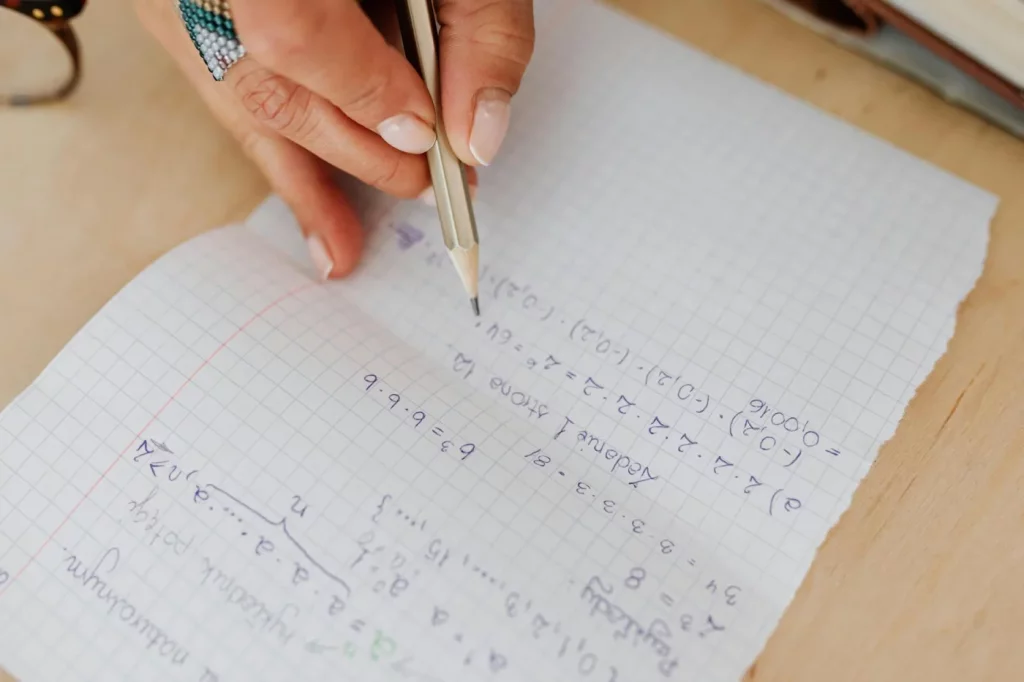
Yes — interleaving practice can work across multiple subjects in one study session. But only if the subjects are different enough, your study blocks are long enough to do real thinking, and you already know the basics. If you’ve been wondering whether interleaving practice means mixing math, science, reading, and language study in one sitting, the short answer is yes; the useful answer is yes, with rules.
Maybe this sounds familiar: you start with algebra, switch to biology, answer a few history questions, then end up feeling scattered instead of sharp. So was the method wrong, or was the setup wrong? Research on mixed practice has shown benefits for discrimination and long-term retention in the right conditions, but your attention and working memory still set hard limits on how much switching helps before it starts to hurt.
This article gives you the part most pages skip. You’ll see the difference between interleaving within one subject and interleaving across subjects, when interleaving vs blocked practice makes more sense, and how to use interleaving in a study schedule without turning your session into chaos. I’ll also walk through an interleaved study method example for math, science, reading, and languages, plus the exact situations where interleaving across subjects is a bad idea.
And here’s the kicker — this isn’t just theory. As a software engineer and self-taught learner building FreeBrain’s tools, I’ve spent a lot of time testing what evidence-based systems actually look like in real workloads, not ideal lab schedules. If you want the broader research-backed picture first, start with our guide to scientifically proven study techniques; then come back here for the practical version of interleaving practice that you can use tonight.
Personally, I think this is where most students get stuck: they ask, “Is interleaving an effective study strategy?” when the better question is, “Effective for what, and under what conditions?” That’s exactly what we’ll answer — with concrete schedules, subject-specific examples, and one helpful outside summary of interleaving in learning to ground the concept before we get practical.
📑 Table of Contents
- What interleaving is and when it works
- Why it beats blocked practice sometimes
- How to use interleaving practice
- Schedules, examples, and real-world use
- Mistakes to avoid and your quick plan
- Frequently Asked Questions
- Can you use interleaving across multiple subjects in one study session?
- Is interleaving an effective study strategy?
- What is the difference between interleaving and blocked practice?
- How do you use interleaving in a study schedule?
- How long should each interleaving study block be?
- When should you not use interleaving?
- Can you combine interleaving with spaced repetition?
- Does interleaving work for math, science, reading, and language learning?
- Conclusion
What interleaving is and when it works
Now we can get more specific. The big question is simple: can you use interleaving across multiple subjects in one study session? Yes — but only when the subjects are distinct enough, each block is long enough for real thinking, and you already know the basics well enough to switch without getting lost.
The short answer
Yes, you can use interleaving across multiple subjects, and interleaving practice often works best when three conditions are in place: clear subject separation, blocks that last long enough to solve or recall something meaningful, and baseline familiarity with the material. This section will show when it helps, when it backfires, and how to think about scheduling it.
Blocked practice means doing one type of work repeatedly, like 20 algebra problems in a row. Mixed practice means rotating types, like algebra, then geometry, then statistics, or even math, biology, and reading in the same evening. Same idea, different scale.
One subject vs several subjects
Within one course, interleaving means mixing problem types inside the same subject. A calculus session might alternate derivatives, integrals, and optimization so you have to identify the method instead of using autopilot.
Across subjects, the switch is bigger. A realistic example: 35 minutes of calculus problems, 30 minutes of biology recall from memory, then 25 minutes reviewing reading notes. That kind of interleaving across subjects can work, but it raises cognitive load faster, which is why your structure matters so much. If you want the background on that tradeoff, FreeBrain’s guide to attention and working memory helps explain why switching can sharpen discrimination or just fry your focus.
- Use blocked practice when the material is brand new.
- Use mixed practice when you can already recognize the core patterns.
- Keep each block long enough to retrieve, solve, or explain something.
Why this article takes a cautious view
I’m a software engineer, not a neuroscientist, so I try to stay close to what published learning research actually supports. General guidance from the American Psychological Association on effective study habits and teaching resources from places like Harvard and Stanford points in the same direction: interleaving, retrieval, and spacing can help, but the effect depends on task type, prior knowledge, and implementation.
While building FreeBrain and testing study systems for self-learners, I found mixed sessions worked best when every block had a clear task and a retrieval checkpoint at the end. And yes, that sounds nerdy. But it matters, especially because long-term retention depends partly on spacing and what happens between sessions, which is why memory consolidation explained is part of this puzzle. For a broader research overview, the National Library of Medicine is a solid place to start.
This is educational guidance, not individualized academic, psychological, or medical advice. If persistent attention problems, anxiety, or sleep issues are making studying unusually hard, talk with a qualified professional. Which brings us to the next question: why does this sometimes beat blocked practice in the first place?
Why it beats blocked practice sometimes
So now that you know what it is, here’s why scientifically proven study techniques keep bringing up interleaving practice. Blocked practice feels cleaner because you repeat one method again and again. But mixed sets often teach a more valuable skill: choosing the right method under pressure.

Why mixed practice helps you choose better
This is the part most people miss. In interleaving vs blocked practice, the real win isn’t just doing more problems. It’s learning to spot what kind of problem is in front of you before you solve it.
In math, that means mixing linear equations, quadratics, and word problems so you must identify the method first. In science, you might rotate cell respiration, genetics, and experimental design questions. That turns practice into retrieval practice, not just repetition.
And yes, you can use this across subjects in one session if the switch is planned. A high school student might do 20 minutes of algebra, 20 of biology, then 20 of reading analysis. But if the jumps get too random, attention and working memory take a hit and the benefit drops.
- Math: identify the problem type before solving
- Biology: choose the right concept, not just recall a definition
- Reading: compare arguments, tone, and evidence across passages
- Language study: switch between grammar, vocabulary, and listening
Why it feels worse before it works
Blocked practice can create an illusion of mastery. You just used the same method five times, so problem six feels easy. Well, actually, that smooth feeling can be misleading.
Research on desirable difficulties suggests that harder practice can lead to stronger delayed recall, especially when retrieval is involved; see the overview of desirable difficulties. And longer-term learning depends partly on consolidation, which is why memory consolidation explained matters here.
Students with high test stress often misread that difficulty as failure. But wait. Harder now can mean stickier later, especially for exam questions that require recognition plus recall.
Quick comparison: mixed vs blocked
| Factor | Blocked practice | Mixed practice |
|---|---|---|
| Best use | Learning basics | Flexible recall, exam prep |
| How it feels | Smooth, fast | Messier, slower |
| Short-term performance | Usually better | Usually worse |
| Long-term retention | Often weaker | Often stronger |
| Beginner-friendly | More | Best after basics |
For a broader evidence summary, see APA coverage of effective learning strategies. Which brings us to the practical part: how long should each block be, and how do you set up interleaving practice without turning it into chaos?
📋 Quick Reference
Use blocked practice first when you’re learning a brand-new method. Switch to mixed sets when you need to recognize problem types, retrieve the right strategy, and prepare for real tests. Keep switches intentional, not random.
How to use interleaving practice
So if blocked study can feel smoother, when should you actually mix topics? Here’s the practical version: interleaving practice works best when you rotate between 2-4 useful topics, switch at meaningful checkpoints, and review what the switches are teaching you.
If you want the bigger evidence-based picture first, start with these scientifically proven study techniques. And yes, you can use interleaving across multiple subjects in one session, not just within one class.
Step 1-2: Pick the right subjects and start level
How to build a mixed session
- Step 1: Choose 2-4 topics that are different enough not to blur, but still match your goals. A solid combo: calculus, biology recall, and reading-heavy history. Use the 80 20 rule for studying to pick the highest-value topics first.
- Step 2: Check baseline familiarity. If something is brand new, do 1-2 blocked sessions before mixing it. Don’t interleave two high-confusion topics at once.
Research on contextual interference suggests desirable difficulty can help retention, but only if the material isn’t total chaos. For background, Wikipedia’s overview of interleaving in learning gives the basic distinction between blocked and mixed practice.
Step 3-5: Set blocks and switch with purpose
Three ranges work well: 20-30 minutes for beginners, 30-45 for most learners, and 45-60 only for deep problem-solving. If attention is shaky, shorten blocks and use these Pomodoro for ADHD tweaks as an educational starting point, not medical advice.
- Step 3: Set your block length before you begin.
- Step 4: Switch after a block, a problem set, or a retrieval checkpoint, not just because you’re bored.
- Step 5: Between blocks, do retrieval: a 2-minute brain dump, 3 self-test questions, or 1 problem from memory.
Why be this strict? Because switching costs are real, and your NCBI overview of attention and working memory explains why cognitive load can help or hurt depending on timing.
Step 6-7: Review and rebalance
Step 6 is simple: log confusion and wins. Note which pairings worked, where switching felt expensive, and what needs more blocked review. Step 7: rebalance weekly using recall accuracy, completion rate, and perceived overload.
A realistic 2-hour study schedule with interleaving looks like this: 35 min math problems, 5 min recall break, 30 min biology flash recall, 5 min reset, 25 min reading annotation, 10 min summary, 10 min next-session plan. Fold spaced reviews into the next session by reopening yesterday’s weak points first.
Watch for overload signs: shallow work, longer restart time, and poor next-day recall. Next, I’ll show you full schedules, examples, and real-world ways to use this in school, exam prep, and self-study.
Schedules, examples, and real-world use
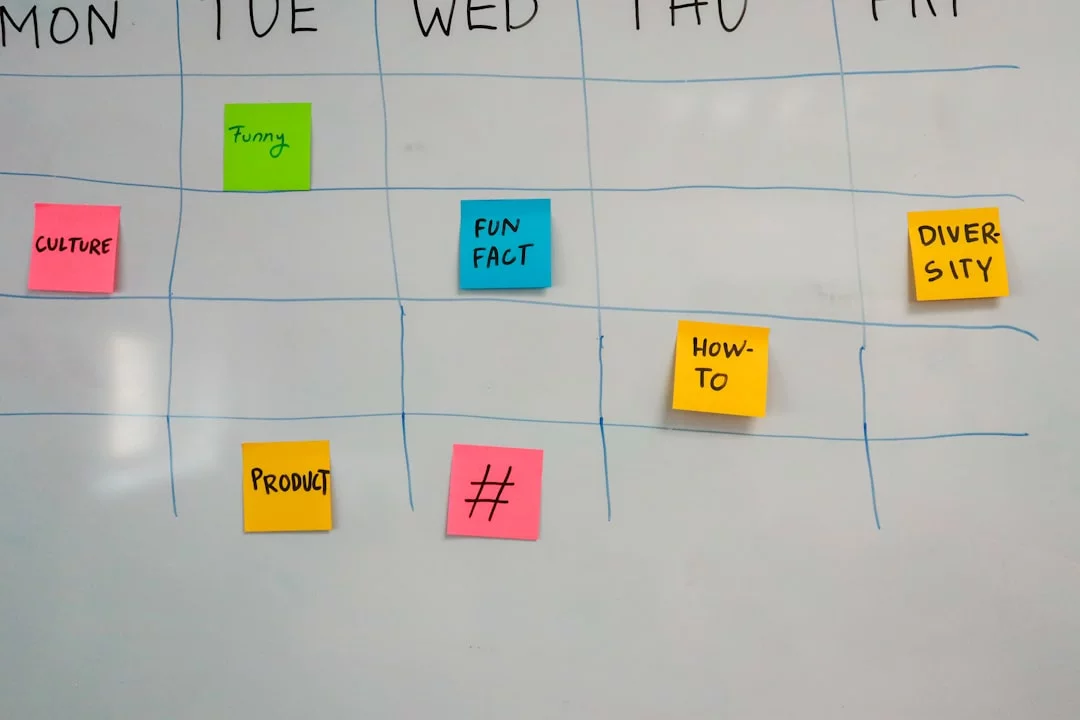
So here’s what this looks like off the page. If the last section explained how to do interleaving practice, this one shows a study timetable you can actually copy tonight.
Example 1: College and high school schedules
A sample interleaving study schedule for college students: 35 minutes calculus problem sets, 5 minutes closed-book recall, 30 minutes biology diagrams and short-answer questions, 5 minutes retrieval, then 25 minutes reading with margin notes and a 5-minute verbal summary. That mix works well because the blocks feel different without becoming random. If you want the bigger evidence-based picture, start with these scientifically proven study techniques.
For high school exam prep, try a 90-minute session:
- 30 minutes mixed math problem types
- 25 minutes chemistry questions
- 20 minutes literature recall from memory
- Two 5-minute retrieval breaks and one 5-minute reset
Example 2: Working adult and language learner
Working full-time? Keep weekdays to 75 minutes: 30 minutes CPA-style calculations, 20 minutes concept recall, 20 minutes multiple-choice review, plus short transitions. On weekends, stretch to 2.5 hours by rotating domains every 35 to 40 minutes; if that’s your goal, see how to study for the CPA exam without burning out.
And yes, you can mix subjects in one session. One practical interleaving study method example: 25 minutes listening and shadowing in Spanish, 35 minutes coding theory or certification prep, then 20 minutes vocabulary retrieval. Shorter weekday blocks often beat heroic marathons because your attention and working memory have limits.
From experience: what usually works best
After analyzing how learners use FreeBrain-style study systems, the best schedules usually combine one heavy problem-solving block, one retrieval-heavy block, and one lighter reading or review block. Personally, I think this is the part most people get wrong. Three equally hard blocks create mental whiplash.
Research on contextual interference points in the same direction, and motor learning research archived by the National Library of Medicine helps explain why varied practice can improve transfer.
- Across subjects: best for 60 to 120 minutes, mixed workload, higher boredom risk
- Within one subject: best for exam prep, similar question types, tighter focus
Build your own routine with FreeBrain resources, then we’ll tighten it up by covering the mistakes to avoid and your quick plan.
Mistakes to avoid and your quick plan
Now you’ve seen the schedules. The next step is avoiding the mistakes that make interleaving practice feel harder without making it better.
The biggest mistakes
The most common interleaving mistakes when studying multiple subjects are pretty predictable. Switching every 5-10 minutes creates attention residue, passive rereading isn’t real mixed practice, and brand-new material often needs a short blocked phase first.
So here’s the deal. If you’re alternating math problems, biology recall, and language drills, each block should still include retrieval, not just highlighting notes. Research on desirable difficulties, associated with Robert Bjork’s work, suggests the struggle helps only when you’re actually trying to recall or apply information.
And when should you not use interleaving? Usually when the basics are still shaky. If you can’t solve the first type of problem at all, mixing three types won’t help much. For a broader system, see our scientifically proven study techniques.
How to tell your blocks are off
How long should each interleaving study block be? Long enough to finish a meaningful chunk, short enough to stay mentally sharp.
- Too short: you spend 10 minutes just re-entering the task, work stays shallow, and nothing gets completed.
- Too long: attention drifts, error rates rise, and end-of-block recall gets weak.
Personally, I think this is the part most people get wrong. If you have attention challenges, shorter blocks with clearer retrieval goals may work better. But if concentration problems are severe or persistent, talk with a qualified professional.
Quick reference and next steps
📋 Quick Reference
60-minute template: 25 min subject A, 20 min subject B, 10 min subject C, 5 min retrieval transitions.
2-hour template: 35 min, 30 min, 25 min, short resets between blocks, then a 10-minute summary from memory.
Weekly checklist: next-day recall, chunk completion, overload signs, and which subject needs more or less time.
Your best interleaving schedule for studying multiple subjects is the one you adjust from evidence, not vibes. Pick 2-3 subjects, run one mixed session this week, check next-day recall, then rebalance. And yes, interleaving practice works best when paired with spacing and retrieval, not passive review. Next, let’s answer the most common questions and wrap this up.
Frequently Asked Questions
Can you use interleaving across multiple subjects in one study session?
Yes — can you use interleaving across multiple subjects in one session? Usually, yes, if the subjects are distinct enough that your brain has to reset between them, your blocks are long enough for real progress, and you already know the basics of each topic. It works best when each block ends with active recall or a few practice questions, not passive rereading, because that retrieval step is what makes interleaving practice stick.

Is interleaving an effective study strategy?
If you’re asking is interleaving an effective study strategy, the short answer is yes for many learners — especially for long-term retention, distinguishing between similar problem types, and preparing for cumulative exams. But wait: it isn’t automatically better when you’re learning something completely new from scratch, because beginners often need a short period of focused, blocked work before mixing topics. Research summarized by the American Psychological Association has highlighted interleaving as a useful learning technique when paired with retrieval and feedback.
What is the difference between interleaving and blocked practice?
Interleaving vs blocked practice comes down to how you organize repetition. Blocked practice means doing one type of task over and over before switching, while interleaving mixes topics, question types, or skills so you must figure out the right method each time. And here’s the kicker — that identification step is often what improves transfer, because you’re practicing choosing the approach, not just repeating it.
How do you use interleaving in a study schedule?
If you want to know how to use interleaving in a study schedule, keep it simple: choose 2-4 related topics, study each for 20-45 minutes, and switch only after a meaningful chunk of work. End each block with retrieval — for example, a short self-quiz, a blank-page summary, or 3-5 practice problems — then check what you still remember the next day and rebalance your week based on weak spots. If you want help structuring review sessions, FreeBrain’s study planning tools can make that rotation easier to track.
How long should each interleaving study block be?
How long should each interleaving study block be? Most learners do well with 20-45 minute blocks, depending on the difficulty of the material and how well they can stay focused. Use longer blocks for deep problem-solving, proofs, or writing-heavy work, and shorter ones for lighter review, flashcards, or concept checks during interleaving practice.
When should you not use interleaving?
If you’re wondering when should you not use interleaving, there are three common cases: when the material is completely new, when switching creates heavy confusion instead of productive effort, and when your session is just passive review anyway. Personally, I think this is the part most people get wrong — they start mixing too early. A better approach is to begin with blocked practice until the basics feel stable, then start alternating topics once you can retrieve the core ideas without much help.
Can you combine interleaving with spaced repetition?
Yes, interleaving and spaced repetition work very well together, and the combination is often stronger than either method alone. Use spaced repetition across days or weeks so material returns right before you forget it, and use interleaving practice within a single session so you keep switching between problem types or concepts. For a practical overview of spaced review, see this review on distributed practice in medical education at NCBI.
Does interleaving work for math, science, reading, and language learning?
Yes — if you’re asking does interleaving work for language learning and math, it can, but the format should change by subject. In math, mix problem types; in science, switch between concepts, graphs, and application questions; in reading, compare arguments or passage types; and in language learning, rotate between recall, sentence building, listening, and error correction. The key isn’t just rotating tasks for the sake of variety — it’s making each switch require active retrieval and a fresh decision about what to do next.
Conclusion
Interleaving works best when you keep it simple: rotate 2-4 related topics in one study block, switch after a clear unit of work instead of every few minutes, and use retrieval practice each time you return to a topic. That matters. If you want better results, start with subjects that are easy to confuse—like algebra and geometry methods, or vocabulary from similar language units—because that’s where interleaving practice often helps most. And don’t make the classic mistake of turning it into chaos: keep your materials organized, use a short schedule, and give yourself enough repetitions across the week.
Now here’s the encouraging part. If this feels harder than your usual routine, that doesn’t mean you’re doing it wrong. It often means your brain is working harder to discriminate, retrieve, and apply what you know. Personally, I think this is the part most learners underestimate. You don’t need a perfect system on day one—just one better session today than yesterday. Try one mixed block this week, notice what feels effortful, and adjust from there.
If you want help building a study system that actually sticks, explore more on FreeBrain.net. You can go deeper with Spaced Repetition: How to Remember What You Study and pair mixed practice with Active Recall: The Study Method That Actually Works. Which brings us to the real next step: pick tomorrow’s subjects, set your switches in advance, and test yourself as you go. Start small, stay consistent, and make your next study session count.