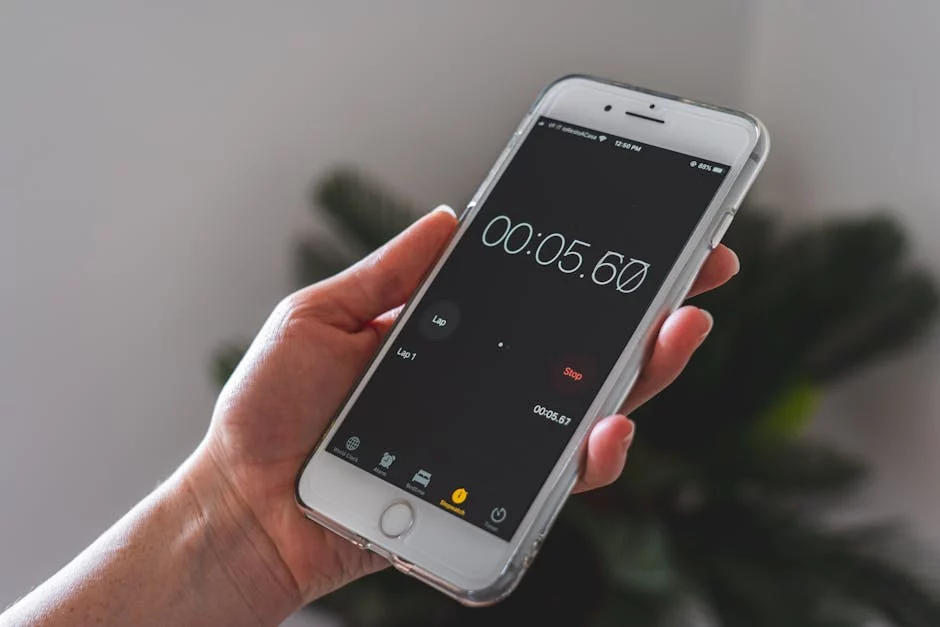
If you’re wondering how to start a daily meditation practice, the short answer is this: make it a tiny, repeatable attention habit tied to the same cue every day. For most beginners, how to start a daily meditation practice means 2 to 5 minutes, usually with guided audio, not forcing yourself to sit in perfect silence.
And yes, a lot of people hate their first few sessions. You sit down, your mind races, your legs feel weird, and after 90 seconds you think, “Am I already bad at this?” You’re not. Research from the National Center for Complementary and Integrative Health on meditation and mindfulness suggests meditation can help with stress and well-being, but beginners usually need a system that’s easy enough to repeat.
📋 Quick Reference
The beginner formula: use the same cue each day, do a tiny session of 2 to 5 minutes, and follow a no-zero rule so missed perfection doesn’t turn into quitting.
So here’s the deal. This guide will show you how to start a daily meditation practice in a way that actually fits real life: a 7-step setup, a simple 7-day starter plan, behavior-design tricks for consistency, and backup options if silent meditation makes you want to crawl out of your skin. We’ll also cover what to do after missed days, because that’s where most habits die.
If you’ve read about cues, friction, and habit stacking before, you’ll notice some overlap with our guide to Atomic Habits lessons for students. And when I say start absurdly small, I mean it in the same spirit as the 2-minute rule for procrastination: lower the barrier until consistency feels almost automatic.
I’m a software engineer and self-taught learner, not a monk. I build focus and learning tools, test behavior systems, and care way more about what you’ll actually repeat next Tuesday than what sounds impressive on paper. If you want a practical answer to how to start a daily meditation practice — and eventually how to meditate every day consistently — you’re in the right place.
📑 Table of Contents
What how to start a daily meditation practice really means
So now let’s make this practical. When people ask how to start a daily meditation practice, they usually don’t need something mystical. They need a repeatable habit that fits real life. For more on stress and sleep, see our stress and sleep guide.
In plain terms, how to start a daily meditation practice means doing a small attention-training session at the same cue each day. For most beginners, that’s 2 to 5 minutes with guided audio after an existing routine like brushing your teeth or making coffee. If you want help building the habit side, pair it with Atomic Habits lessons for students instead of waiting for motivation to magically show up.
And yes, resistance is normal. Many beginners feel restless within 60 to 90 seconds, assume a wandering mind means they’re bad at it, or think meditation only counts if it’s silent, cross-legged, and deeply spiritual. That’s not how to start a daily meditation practice in the real world.
What counts? Breathing meditation, body scan, guided meditation, and walking meditation all qualify if your goal is deliberate attention practice. Research summaries from NIH and major clinical sources suggest meditation may help with stress regulation, attention, and emotional regulation, though effects vary by person and practice type. This article is educational, not medical advice; if you’re dealing with panic, trauma, depression, or significant anxiety, consult a qualified healthcare professional or therapist.
A simple definition for skeptical beginners
Here’s the simplest definition I know: meditation is training attention, not emptying your mind. Well, actually, the mind wandering is part of the training. Success is noticing the drift and returning.
That matters because people overcomplicate how to start a daily meditation practice. A solid mindfulness practice can be as basic as sitting on the edge of your bed for 3 minutes after brushing your teeth while listening to a guided track. Distracted ten times? Fine. Returning ten times is the rep.
Need proof that simple still counts? guidance from the National Center for Complementary and Integrative Health on meditation and mindfulness notes that mindfulness programs may help with stress and overall well-being, while outcomes still differ across people and methods.
What counts if you hate silent meditation
If silent meditation makes you want to quit, don’t start there. Personally, I think structure first is smarter.
- Guided audio
- Breath counting
- Body scan
- Walking meditation
Those all work for meditation for beginners at home. Many people do better with a voice, a timer, or a script before trying silence later — if ever. And if you’re starting with the breath, these breathing exercises for stress can make the first week feel less awkward.
Consistency matters more than posture, cushion, incense, or having a perfect room setup. If your daily meditation routine for beginners happens in a desk chair, that still counts. If anxiety is high and sitting still feels too intense, the 5-4-3-2-1 grounding technique can be a useful companion practice.
For a broader evidence summary, Harvard Health’s overview of how meditation helps with stress explains why regular practice may support emotional regulation and attention, without promising identical results for everyone.
Quick Reference: the beginner formula
📋 Quick Reference
Three things matter: same cue, tiny session, no-zero rule.
- Same cue: attach meditation to coffee, a shower, or opening your laptop.
- Tiny session: start with 2 to 5 minutes, not 20. The 2-minute rule for procrastination fits perfectly here.
- No-zero rule: if you miss your normal session, do 1 minute that day to protect the habit.
That’s really how to start a daily meditation practice without making it fragile. Keep it small, repeat it daily, and treat missed days as a reset problem, not a failure. Which brings us to the next section: how to build a meditation practice in 7 steps.
How to build a meditation practice in 7 steps
So now we can get practical. If you’re wondering how to start a daily meditation practice without turning it into another abandoned habit, the answer is simple: make starting almost stupidly easy.
Step 1 to 3: cue, style, and minimum dose
Most people fail because they choose motivation over design. Personally, I think this is the part most people get wrong. If you want to learn how to start a daily meditation practice, begin with one tiny trigger that already happens every day, the same idea behind Atomic Habits lessons for students.
How to build a meditation practice
- Step 1: Pick one daily cue: after brushing your teeth, after coffee, after logging into work, before studying, or after your evening shower.
- Step 2: Choose the easiest style first: guided meditation or breath counting beats silent open awareness for most beginners.
- Step 3: Set a 2-minute minimum and a 5-minute default target.
- Step 4: Prepare your setup in under 30 seconds: one chair, headphones ready, timer preset, phone on Do Not Disturb.
- Step 5: Use a script, timer, or guided audio instead of relying on memory.
- Step 6: Track completion, not quality, with a simple checkbox system.
- Step 7: Make an if-then recovery rule for missed days.
For a daily meditation routine for beginners, your cue matters more than your mood. Why? Stable cues reduce startup cost. Good examples are: after coffee, after sitting at your desk, before opening study materials, or right after you put your phone on charge at night.
And don’t start with the hardest style. The best meditation for beginners is usually guided meditation for beginners or basic breath counting, because it gives your attention something concrete to do. If sitting silently feels awkward or restless, that’s normal, not failure.
Your minimum dose should be 2 minutes. That’s it. The logic is the same as the 2-minute rule for procrastination: lower friction first, then let consistency do the heavy lifting. If your ideal is 15 minutes, fine—but your floor should still be 2.
Step 4 to 5: make the session easy to start
If you want to know how to start a daily meditation practice and actually keep going, remove decisions. Use one chair, one app or audio track, one timer, and the same location every day. Upright but comfortable is enough; feet on the floor works perfectly well.
Research reviews indexed by PubMed Central on mindfulness and meditation suggest regular practice can help with stress and attention, but only if you repeat it often enough to become familiar. That’s why guided meditation for beginners at home usually works better than trying to improvise.
Use a short script or guided audio every time for the first week. And yes, I’d strongly recommend embedding one 5 minute meditation for beginners track or short video in the final article, because many readers searching this topic want to press play immediately.
- One location
- One posture
- One 5-minute track
- One backup 2-minute version
Step 6 to 7: track consistency and recover fast
Track completion, not quality. Well, actually, that shift alone is huge. If you’re learning how to start a daily meditation practice, use a tiny tracker with four columns: date, cue, minutes, and a checkbox.
A 7-box weekly tracker beats writing reflections after every session. Why? Because journaling adds friction. For anxious or overstimulated days, a short sensory reset like the 5-4-3-2-1 grounding technique can work as a companion practice instead of skipping entirely.
Now plan for missed days before they happen. Use an if-then rule: “If I miss the morning session, I’ll do 2 minutes before lunch.” Two missed days in a row is the real danger, not one imperfect day. That recovery mindset also fits guidance from the American Psychological Association’s overview of meditation, which emphasizes practice over perfection.
So, how to start a daily meditation practice? Stabilize the cue, shrink the session, and make recovery automatic. Next, we’ll look at the best beginner meditation techniques and real-world daily meditation routines so you can choose a style that actually fits your life.
Best beginner meditation techniques and real-world daily meditation routines
Once you’ve got the 7-step setup, the next question is practical: what should you actually do each day? If you’re wondering how to start a daily meditation practice without overthinking it, begin with one simple method, one cue, and just 2 minutes.
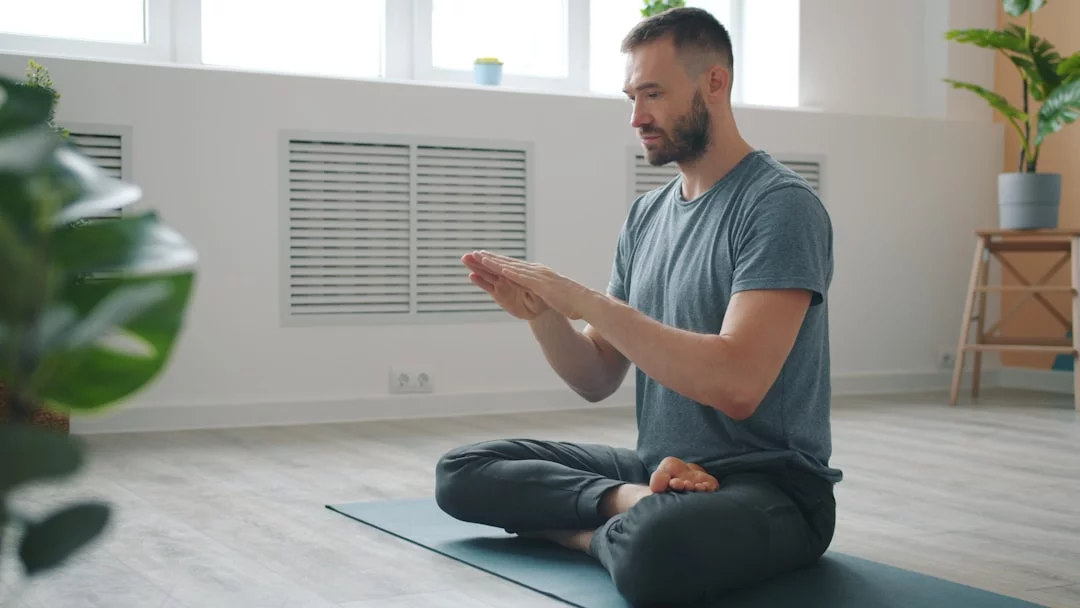
Research on habit formation suggests repetition in a stable context matters more than early intensity. That’s why how to start a daily meditation practice usually goes better when you make it easy enough to repeat, not impressive enough to post about.
Four basic meditation techniques for beginners
The best meditation for beginners is the one you’ll repeat tomorrow. And for most people, four options work well because they’re simple, flexible, and easy to fit into real life.
- Breathing meditation: Best for students before studying or busy professionals between meetings. Sit upright, inhale and exhale naturally, count each breath up to 10, then restart. Do it for 2 to 5 minutes. The common mistake? Trying to stop thoughts instead of calmly returning to the next breath. If you want a few variations, try these breathing exercises for stress.
- Body scan: Best for anxiety-prone beginners, tense people, or bedtime wind-down. Move your attention slowly from feet to head, noticing pressure, warmth, or tightness without fixing anything. Do it for 3 to 5 minutes. The usual mistake is rushing through the body like a checklist.
- Guided meditation: Best for people who hate silent meditation or need verbal structure. Use a short audio and follow the prompts for 2 to 5 minutes at home. Beginner mistake? Switching apps and voices constantly instead of sticking with one guide for a week.
- Walking meditation: Best for restless people who dislike sitting still. Walk slowly, feel each step contact the ground, and notice your breathing. Do it for 2 to 5 minutes. The mistake here is turning it into regular distracted walking.
If you’re still unsure how to start a daily meditation practice, pick breathing meditation first. It has the lowest friction, and that matters more than technique perfection.
From experience: beginner routines for real life
Real life is messy. So how to start a daily meditation practice depends a lot on when your day already has a natural pause.
For students, 3 minutes before a study block works well because it reduces transition friction. Open your notes, set a timer, breathe, then begin. That tiny pre-study ritual pairs nicely with the logic behind Atomic Habits lessons for students: make the cue obvious and the action small.
For busy professionals, try 2 minutes right after opening your laptop or before the first meeting. For anxiety-prone beginners, guided breathing often works better than forcing silence; if you feel too activated to sit still, pair meditation with the 5-4-3-2-1 grounding technique. And if you hate silent sitting? Use walking meditation or eyes-open breathing instead.
A 7-day starter plan that builds consistency
If you want a clear answer to how to start a daily meditation practice, use this 7-day plan. Personally, I think this is where most beginners either make the habit stick or accidentally make it too hard.
- Days 1 to 3: Meditate for 2 minutes, using the same cue each day and a short guided audio if needed.
- Days 4 to 5: Go to 3 to 5 minutes, keep the same location, and track completion with a checkbox.
- Days 6 to 7: Keep the cue stable and don’t increase time unless it feels easy and repeatable.
The win by day 7 isn’t a perfectly calm mind. It’s 5 to 7 checkmarks and growing confidence that you know how to start a daily meditation practice in a way you can sustain.
Need extra support? Explore FreeBrain resources on breathing, anxiety relief, and habit formation, especially if short sessions feel easier than longer ones. And next, we’ll cover the mistakes that break meditation consistency — and how to restart without guilt.
Common daily meditation practice mistakes to avoid and how to restart
Now that you’ve seen beginner-friendly techniques and routines, here’s the part that usually decides whether the habit lasts. If you’re learning how to start a daily meditation practice, most failures come from a few predictable mistakes — not from “being bad at meditation.”
Mistakes that make meditation harder than it needs to be
The biggest mistake? Starting too big. People decide they’ll meditate 15 or 20 minutes every morning, miss day three, and assume the plan failed. But if you’re figuring out how to start a daily meditation practice, 2 to 5 minutes is usually the smarter entry point.
And yes, that sounds almost too easy. It works because consistency beats intensity early on, which is the same logic behind the 2-minute rule for procrastination. If your routine feels heavy, you won’t repeat it.
Another trap is changing everything every day: new app, new teacher, new time, new style. That feels productive, but it blocks meditation consistency because your brain never gets a stable cue. If you want to know how to start a daily meditation practice and actually keep it, keep three things steady: cue, length, and style.
- Don’t judge sessions by how calm you felt.
- Do judge them by whether you showed up.
- Don’t keep upgrading the routine before it exists.
This is the part most people get wrong. Thoughts during meditation are not failure; noticing them and returning is the practice. That’s a core lesson in meditation tips for beginners and in how to build a meditation practice that survives real life.
How to fix boredom, sleepiness, and racing thoughts
Bored during meditation? Shorten the session and change the format, not the habit. A 3-minute guided sit or walking meditation is often better than forcing 10 dull minutes and quitting.
Sleepiness during meditation usually has a simple cause: wrong posture, wrong time, or plain exhaustion. Sit more upright, try meditating earlier, and don’t expect sharp attention when you’re already half asleep. Quick question: are you meditating to practice awareness, or accidentally using it as a nap cue?
Racing thoughts are also normal, especially if you’re searching for how to start meditation for anxiety. Don’t try to empty your mind. Use a job for attention instead:
- Count breaths from 1 to 10
- Label “thinking” and return
- Name five things you can feel in your body
Research suggests mindfulness can support attention regulation and stress reduction, but the mechanism isn’t “no thoughts.” It’s better noticing, then redirecting.
If you miss a day, do this next
A missed meditation day is a recovery moment, not proof you can’t do this. The best restart rule is simple: no shame, no doubling, no drama. Just get back to the next cue and make the session tiny.
Personally, I think perfectionism ruins more meditation habits than distraction does. If that sounds familiar, this guide on how to stop perfectionism procrastination cycle can help you avoid the all-or-nothing spiral. Your real goal isn’t a flawless streak; it’s avoiding two missed days in a row.
So, how to meditate every day consistently? Make the comeback automatic. One cue, one place, one minimum version.
What meditation can and cannot help with
Meditation may help with stress reduction, mental clarity, and emotional regulation. For example, research reviewed by the NIH suggests mindfulness practices can reduce stress-related symptoms for some people, though results vary.
But wait. Meditation is not a substitute for treatment for panic symptoms, trauma, depression, or anxiety disorders. If you’re dealing with severe distress, consult a qualified mental health professional.
Here’s your default week-two plan for how to start a daily meditation practice: 5 to 10 minutes, same cue, same style, plus one backup plan if life gets messy. For most people, that means one main session after brushing teeth and one fallback 2-minute session before lunch. Which brings us to the final questions and the best next steps.
Frequently Asked Questions
How do beginners start meditating every day?
If you’re wondering how do beginners start meditating every day, keep it almost ridiculously simple: pick one fixed cue, like right after brushing your teeth or just before you start studying, and attach meditation to that moment. For most people learning how to start a daily meditation practice, a 2 to 5 minute guided session works better than silent meditation because there’s less uncertainty and less friction. And yes, the small stuff matters — track each session with a checkbox, habit app, or paper calendar so your progress feels visible.
How long should beginners meditate daily?
The short answer to how long should beginners meditate daily is 2 to 5 minutes. That’s usually enough to make how to start a daily meditation practice feel realistic, and you can build toward 5 to 10 minutes once the routine starts to feel automatic. A short daily session almost always beats one or two long sessions per week, because consistency is what turns meditation into a habit.
Can 5 minutes of meditation a day help?
Yes — if you’re asking can 5 minutes of meditation a day help, it absolutely can be enough to build the habit and create a reliable pause in your day. Research suggests even brief mindfulness practice may support attention and stress regulation, although the effects vary from person to person; for a good overview, see the NCCIH page on meditation and mindfulness. When you’re figuring out how to start a daily meditation practice, consistency matters more than duration, especially in the first few weeks.
What should I do if I miss a day of meditation?
If you’re thinking what should i do if i miss a day of meditation, don’t overreact. Just restart at your next normal cue with a 1 to 2 minute session, and don’t try to “make up” for the missed day by forcing a long sit. One of the most useful rules in how to start a daily meditation practice is simple: avoid missing two days in a row.
What type of meditation is best for beginners?
If you’re asking what type of meditation is best for beginners, guided meditation is often the easiest place to start because it removes the guesswork. Three beginner-friendly options work well: guided meditation for structure, breathing meditation for short focus sessions, and walking meditation if sitting still feels annoying or unrealistic. For many people learning how to start a daily meditation practice, the best method is simply the one you’ll actually repeat tomorrow.
How do I build a meditation routine for anxiety?
If you’re wondering how do i build a meditation routine for anxiety, start with short guided sessions, breathing-based meditation, or grounding practices instead of pushing yourself into long silent sits. Keep the routine predictable — same cue, same place, same short duration — because that makes how to start a daily meditation practice feel safer and easier to repeat. And if anxiety is intense, persistent, or connected to panic or trauma, consult a qualified mental health professional; you can also read our guide on how to meditate for beginners for a simpler starting setup.
Conclusion
If you want a clear answer to how to start a daily meditation practice, keep it simple: pick a tiny minimum dose like 2 to 5 minutes, attach it to an existing cue such as your morning coffee or bedtime routine, use one beginner-friendly method like breath counting or a short body scan, and track consistency instead of chasing perfect sessions. And yes, that last part matters more than most people think. The people who build a lasting meditation habit usually make it easy to begin, expect missed days, and restart fast instead of turning one skipped session into a full reset.
That’s the real win here. You do not need the perfect cushion, the perfect app, or a perfectly quiet mind. You just need a repeatable moment in your day. If you’ve struggled before, that doesn’t mean meditation isn’t for you; it usually means your system was too ambitious. Personally, I think this is the part most people get wrong. When you focus on showing up, how to start a daily meditation practice becomes much less intimidating—and much more realistic.
Want help turning this into a habit that lasts? Explore more practical guides on FreeBrain.net, including how to build better habits and how to be more disciplined. If you’re still figuring out how to start a daily meditation practice, don’t overthink your next step: choose your cue, set a 2-minute timer, and do your next session today.