
Yes — for most full-time workers, how to read 50 books a year comes down to simple math, realistic book choices, and steady reading across print, ebook, and audio. If you’ve been wondering how to read 50 books a year without turning it into a second job, the short answer is this: aim for about one book a week, keep your average book length reasonable, and make reading a daily default instead of a mood-based hobby.
Here’s the basic method: 1) set a page or minute target, not a vague goal, 2) mix shorter books with longer ones, 3) use dead time like commutes and lunch breaks, and 4) focus on consistency, because how attention affects learning matters a lot more than speed-reading tricks. And yes, that sounds almost too simple. But simple is what works when your calendar is already full.
Maybe your day looks familiar: work, messages, errands, dinner, then suddenly it’s 10:30 p.m. and you’ve read three pages. So how do people read 50 books a year with a full-time job? Usually not by reading faster. They read more often, waste less transition time, and build a system that survives busy weeks.
This article will show you exactly how many books a month to read 50 books in a year, how many pages a day to read 50 books a year, and how to adjust the plan based on your reading speed, schedule, and book type. We’ll also cover retention, because finishing books is nice, but remembering them is better — which is why I’ll show you where to learn better right now as part of a broader reading system.
Personally, I think this is the part most reading advice gets wrong. Research summarized in the Wikipedia overview of reading points to reading as a complex cognitive process, which means comprehension, attention, and habit design matter more than hype. I’m a software engineer and self-taught learner who builds FreeBrain tools and tests practical systems for learning efficiency, so this guide is built for real life — not internet bravado.
📑 Table of Contents
- Can 50 Books a Year Be Realistic?
- The Math and Your Best Reading Path
- How to Read 50 Books a Year in 7 Steps
- Keep Comprehension High and Avoid Burnout
- Frequently Asked Questions
- Is it possible to read 50 books a year while working full-time?
- How many pages a day do you need to read to finish 50 books in a year?
- How many books a month is 50 books a year?
- How do people read 50 books a year without speed reading?
- Can audiobooks count toward a 50 books a year challenge?
- What is the best reading tracker for a 50 books a year goal?
- Conclusion
Can 50 Books a Year Be Realistic?
Now let’s make the goal concrete. Before you worry about motivation, it helps to know whether the target is actually sane.
The short answer
Yes — for many readers, how to read 50 books a year is realistic if your books are reasonably sized and your reading is consistent. That works out to about 4.2 books per month, or just under 1 book per week. Sounds intense, right? But wait. In daily terms, it’s often more manageable than people expect.
If you’re asking, “is it possible to read 50 books a year?” or “can I read 50 books a year?” the honest answer is: often yes, but not by force. Pew Research Center data suggests the typical U.S. adult reads far fewer books than that, so 50 is above average and ambitious, not normal. Personally, I think that’s useful context — it’s a stretch goal, not a moral standard. And if you want reading to stick, you also need to understand how attention affects learning and how to learn better right now.
What 50 books actually means
OK wait, let me back up. The math matters more than the headline goal. If your average book is 250–300 pages, 50 books means roughly 12,500–15,000 pages per year.
- 50 books × 280 pages = 14,000 pages per year
- 14,000 pages ÷ 365 = about 38 pages per day
- At 30–45 pages per hour, that’s often 50–75 minutes daily
So how many books a month to read 50 books in a year? About 4.2. How many books a week to read 50 a year? Just under 1. Ebooks and audiobooks count too, especially if they help you stay consistent.
Why this goal works for some readers
Consistency beats intensity. Research on habit formation and attention suggests small, repeatable behaviors are easier to sustain than heroic bursts, and retrieval practice vs rereading matters if you want to remember what you read. As a software engineer who builds learning tools, I care way more about practical systems than speed-reading hype.
And here’s the kicker — genre, fatigue, work hours, and neurodiversity change everything. Slower reading isn’t failure. Comprehension matters just as much as volume, and if stress or attention problems are getting in the way, treat this as educational guidance, not medical advice, and consider professional support. For broader context, see Pew Research Center’s reading data and the basics of the reading process.
Which brings us to the next question: what does the math look like for your schedule, your books, and your pace?
The Math and Your Best Reading Path
So yes, 50 books can be realistic. But how to read 50 books a year gets much easier once you do the math instead of guessing. And if you want to learn better right now, treat reading like a system, not a mood.
Use this simple formula
Start here: daily pages = (books per year × average pages per book) ÷ 365. If you’re asking how many pages a day to read 50 books a year, the answer depends more on book length than raw book count.
Example: 50 × 250 pages = 12,500 pages per year = about 34 pages a day. If your average is 300 pages, that’s 15,000 pages per year, or about 41 pages a day.
Now convert that into time: daily minutes = daily pages ÷ your pages-per-minute rate. For most readers, that lands closer to 25–45+ minutes a day once difficulty, note-taking, and how attention affects learning are factored in. Quick reality check: use the average length of your last five finished books, not some idealized number.
Five realistic reader paths
- Busy worker: 20 minutes weekdays, 45–60 on weekends, plus commute audio.
- Student: lighter during exams, heavier during breaks.
- Parent/caregiver: read during pickup waits, naps, or use audio while doing chores.
- Slow reader: choose shorter books and alternate dense reads with lighter ones.
- Audiobook-heavy reader: 1.0x–1.5x speed works if comprehension stays solid; audio isn’t “cheating,” and audiobooks as a format can make dead time usable.
📋 Quick Reference
50 books/year pace: about 4.2 books/month.
250-page average: 34 pages/day.
300-page average: 41 pages/day.
Time target: usually 25–45+ minutes/day depending on speed and difficulty.
Best reading tracker for 50 books a year: one you’ll actually update weekly.
From experience: build around friction
When I build learning systems, the biggest failure point usually isn’t ambition. It’s friction. Preloaded ebooks, one-tap audiobooks, and a short “currently reading” list beat fancy plans almost every time.
And here’s the kicker — retention matters too. Research on retrieval practice vs rereading lines up with broader memory findings from the NCBI overview of learning and memory: recalling ideas helps more than passively skimming. Which brings us to the next section, where we’ll turn this realistic reading plan into seven concrete steps.
How to Read 50 Books a Year in 7 Steps
Now that you know the math, the goal is making it automatic. If you’re serious about how to read 50 books a year, consistency beats speed every time — and focused sessions matter because how attention affects learning shapes both reading pace and retention.
Personally, I’d keep the system simple. Use FreeBrain tools to plan focus blocks and learn better right now while you build a reading habit that fits your real life.
How to build a 50-book system
- Step 1: Set a floor: 10 pages or 15 minutes daily.
- Step 2: Keep a 12-book active queue, already downloaded, borrowed, or on your nightstand.
- Step 3: Attach reading to lunch, commute, or wind-down time.
- Step 4: Use print for deep reading, ebooks for portability, and audiobooks for chores or commuting.
- Step 5: Replace 20–30 minutes of low-value scrolling with reading; keep your phone out of reach, notifications off, and use one consistent cue.
- Step 6: Quit strategically after 30–50 pages if a book clearly doesn’t fit your goal.
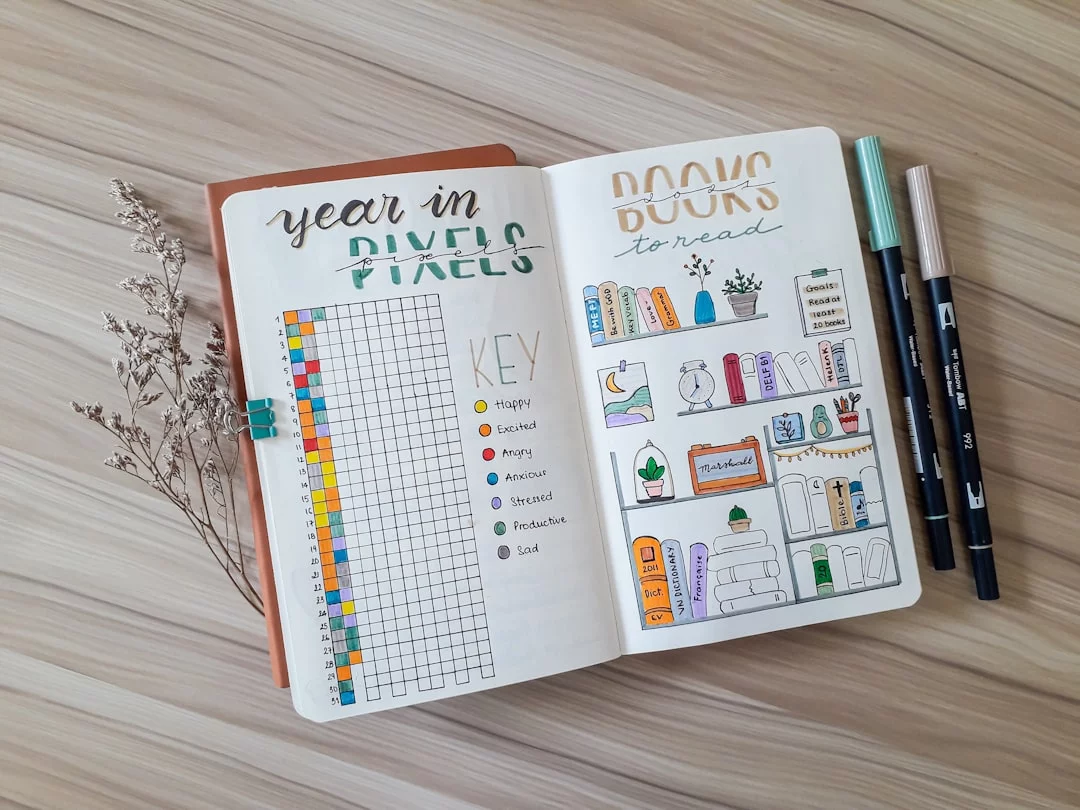
- Step 7: Review progress every Sunday using books finished, pages read, or minutes logged.
Step 1-3: Lower the startup cost
Most people fail the 50 books a year challenge before they start because the first step feels too big. A tiny floor, a ready-to-go list, and a fixed routine make how to read 50 books in one year much more realistic.
Step 4-5: Find hidden reading time
How do people read 50 books a year without huge free blocks? They stack formats and reclaim fragmented time. Research on attention suggests task-switching hurts focus, so small protected sessions often beat distracted marathon reading.
Step 6-7: Protect momentum
And here’s the kicker — finishing the wrong book can kill momentum faster than reading slowly. Track weekly, not obsessively daily, then use a Sunday reset to swap books, check pace, and adjust before the next week starts. Next, let’s make sure volume doesn’t wreck comprehension or burn you out.
Keep Comprehension High and Avoid Burnout
You can follow every step and still stall if you chase volume the wrong way. The real answer to how to read 50 books a year isn’t faster eye movement; it’s protecting attention, choosing readable books, and staying consistent enough to finish roughly 4 books a month.
What to avoid
- Choosing only long, dense books. Mix in shorter or lighter reads so momentum stays high.
- Tracking only finished books. Track pages, minutes, or sessions, because consistency predicts outcomes better than wishful counting.
- Forcing every finish. If a book is clearly wrong for your goal, quit early and move on.
- Reading late on bright screens if sleep suffers. Poor sleep hurts focus and memory the next day.
Personally, I think this is the part most people get wrong. If you’re figuring out how to read 50 books a year without speed reading, start by reducing friction and protecting focused time; how attention affects learning matters more than most reading hacks.
Remember more with less effort
Don’t write book reports. Use lightweight notes: one idea, one quote, one action. Then add a 3-sentence summary after each reading block.
And here’s the kicker — retrieval usually beats rereading for memory. Try closing the book and recalling the main argument from memory before checking your notes. That’s better for retention while reading than highlighting half the page.
A simple 12-month system
A practical annual reading goal looks like this: 4 books per month, with 2 buffer books across the year. Miss by 3 to 5 books? Shorten your average book length next month, or swap one print book for an audiobook during commutes.
Well, actually, success isn’t the number alone. How to read 50 books a year and retain more comes down to a reading habit you can keep without burnout. Next, I’ll answer the common questions and wrap this into a realistic long-term plan.
What to Do When You Fall Behind on Your 50-Book Goal
Missing a week does not mean the goal is broken. For most full-time workers, the real skill is not perfect consistency. It is knowing how to recover without turning reading into pressure. Use this simple reset rule: if you miss 3 to 7 days, do not try to “make up” every lost page at once. Instead, adjust one week at a time.
Start with a Sunday check-in. Look at three numbers only: books finished, pages or minutes completed this week, and your current gap from the yearly pace. Then choose one of these recovery options:
Option 1: You are behind by less than one book. Add 10 to 15 minutes to 3 reading sessions next week. Example: if you normally read 25 minutes after dinner, make it 35 to 40 minutes on Monday, Wednesday, and Saturday.
Option 2: You are behind by one to two books. Swap one dense title for a shorter or easier book, and add audiobook time during chores, walks, or commuting. This keeps momentum high without forcing late-night reading.
Option 3: You are behind by more than two books. Recalculate the goal using your real pace from the last 6 to 8 weeks. If 50 still fits, keep going with a lighter book mix. If not, lower the target and protect the habit. A stable reading system beats a collapsed stretch goal.
A simple weekly recovery checklist can help:
1. Keep one main book and one backup book only.2. Preload your next title before the current one ends.3. Schedule 2 focused reading blocks for the week in advance.4. Use audio for low-focus time, print or ebook for deeper reading.5. Write a 3-sentence recap after each finished chapter or session.
If you want a cleaner structure for those reading blocks, the Focus Session Planner can help you set a realistic session length and break pattern. For remembering more from nonfiction, pair your reading notes with the Active Recall Builder so you turn key ideas into short recall prompts instead of passive highlights. If you want a reading method for harder books, What Is the SQ3R Reading Method? 5 Steps That Actually Help gives a practical structure for previewing, questioning, and reviewing. And if your main problem is mental overload from dense material, How to Study Complex Topics Without Getting Mentally Overloaded fits well with a 50-book plan.
The decision rule is simple: if catch-up makes reading feel rushed for more than two weeks in a row, stop chasing the number and rebuild the routine first. That is usually how people keep reading all year instead of quitting in March.
Frequently Asked Questions
Is it possible to read 50 books a year while working full-time?
Yes — for many people, is it possible to read 50 books a year is less about free time and more about consistency. Fifty books works out to roughly 4 books per month, which is realistic if you read in small daily blocks and use a mix of print, ebooks, and audiobooks. Thing is, you usually don’t need hours a day; 20 to 40 focused minutes, plus reading during commutes or chores, can go a long way. If you’re figuring out how to read 50 books a year, realistic book selection matters just as much as reading habit.
How many pages a day do you need to read to finish 50 books in a year?
How many pages a day to read 50 books a year depends mostly on average book length. If your books average 250 pages, you need about 34 pages per day; if they average 300 pages, it’s about 41 pages per day. But wait — don’t use someone else’s numbers blindly. Calculate based on your own typical book length and reading speed, then set a daily target you can actually keep for months.
How many books a month is 50 books a year?
How many books a month to read 50 books in a year comes out to about 4.2 books per month. A practical approach is to aim for 4 books in most months, then use one or two stronger months as a buffer so you can still hit 50 by the end of the year. Personally, I think this works better than chasing an exact monthly number, because real life always interrupts your reading schedule at some point.
How do people read 50 books a year without speed reading?
How do people read 50 books a year without speed reading? Usually by doing a few simple things well:
- reading consistently instead of in random bursts,
- choosing manageable books,
- using audiobooks during low-focus time, and
- quitting books that clearly aren’t worth finishing.
And here’s the kicker — retention is often better when you don’t rush. Research on retrieval practice suggests you remember more when you pause, summarize, and test yourself, which is why a quick note-taking system or short recap after each chapter can help if you’re learning how to read 50 books a year. For memory-focused review strategies, you can also read FreeBrain’s learning and memory resources.
Can audiobooks count toward a 50 books a year challenge?
Yes, absolutely. If you want to know how to read 50 books a year with audiobooks, the simplest answer is to use them for commutes, walks, workouts, and chores — times when print reading isn’t possible anyway. The better question is whether the format fits your goal: audiobooks are great for narrative nonfiction and fiction, while denser material may be easier to understand in print or ebook form. Speaking of which — if attention and comprehension are concerns, NIH resources are a solid place to explore evidence-based reading and cognitive health topics.
What is the best reading tracker for a 50 books a year goal?
The best reading tracker for 50 books a year is the one you’ll actually check every week. At minimum, it should show: books finished, current pace, and whether you’re ahead or behind your monthly target. Well, actually, simpler is often better — a printable tracker, spreadsheet, or basic calculator usually beats an overly detailed app that you stop using after two weeks. If you’re serious about how to read 50 books a year, pick a tracker that makes progress obvious in under 30 seconds.
Conclusion
If you want to figure out how to read 50 books a year, the big moves are pretty simple: do the math on your weekly reading time, pick a realistic format mix (print, ebook, and audio), use short daily sessions instead of waiting for huge blocks, and protect comprehension with notes, brief recalls, or quick summaries. And yes, this is the part most people get wrong — they set a big yearly goal but never build a repeatable reading system. A 20- to 30-minute daily habit, a clear book pipeline, and permission to drop books that aren’t worth finishing will take you much further than motivation alone.
You do not need perfect discipline. You need consistency that fits your actual life. Some weeks will be messy, work will spill over, and your reading pace will dip. That’s normal. But wait — that doesn’t mean the goal is slipping away. If you keep showing up, even in small chunks, those pages compound fast. Personally, I think the most encouraging part is this: reading 50 books in a year isn’t about becoming a speed-reading machine. It’s about making reading a default part of your day, the same way you check messages or drink coffee.
If you want help turning this into a system, explore more on FreeBrain.net. Start with How to Build a Daily Reading Habit and How to Remember What You Read. Which brings us to the only next step that matters: choose your first book, schedule your first reading block, and start today.