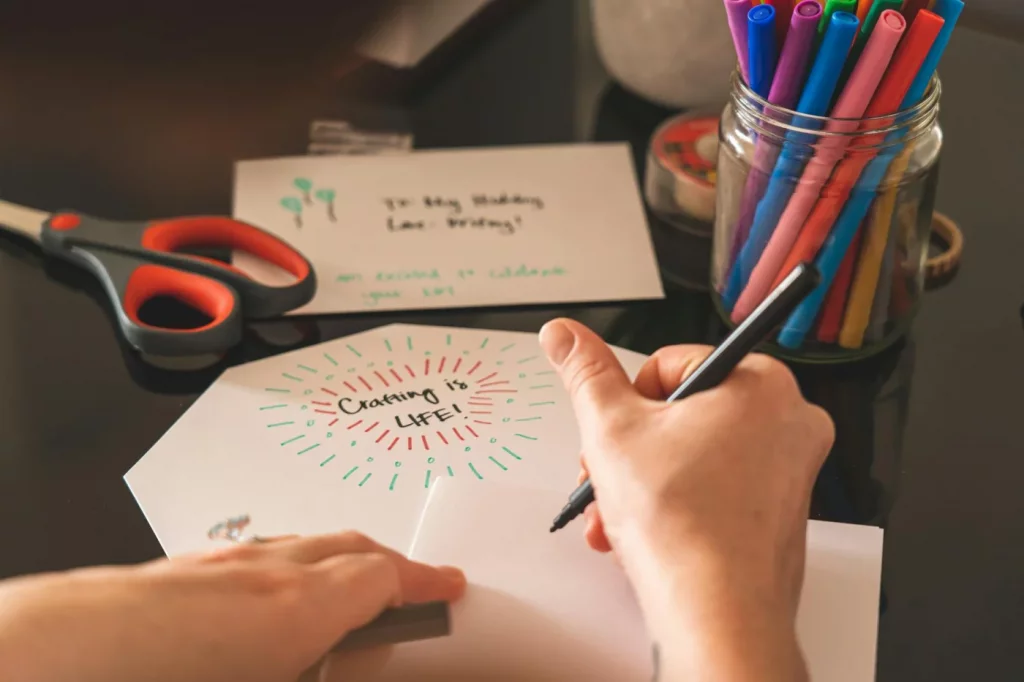
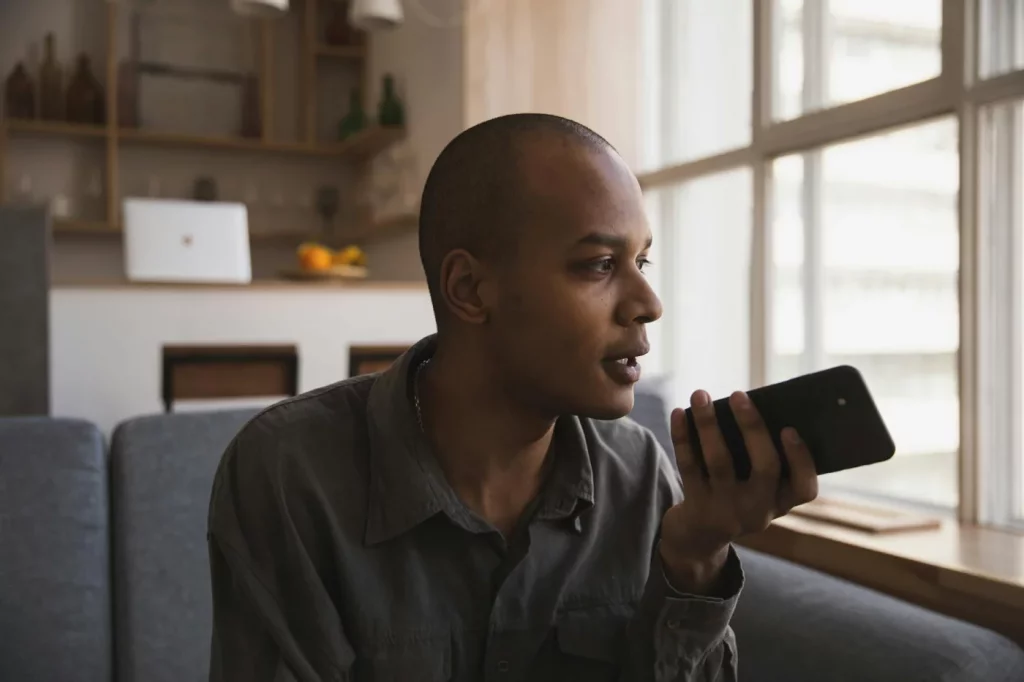
Yes — you can make real speaking progress alone. If you’re wondering how to practice speaking a language by yourself, the short answer is this: speak out loud every day using retrieval, pronunciation drills, response-speed practice, and simple sentence building. You do not need native-speaker friends to improve, and honestly, learning how to practice speaking a language by yourself is often the fastest way to stop hiding behind passive study.
Maybe this sounds familiar. You know plenty of words, you understand bits of podcasts or Netflix, but the moment you try to talk, your mind goes blank. That gap is real — and it makes sense, because language production depends on active recall, not just recognition. Research on the testing effect and retrieval-based learning helps explain why pulling words from memory beats rereading them when you want usable language.
So here’s the deal. This article will show you how to practice speaking a language on your own with a structured beginner-to-intermediate system, not a random pile of tips. You’ll get step-by-step solo speaking drills, a realistic routine you can pair with a daily 20-minute language routine, practical AI prompts, and clear ways to measure fluency, pronunciation, response speed, and vocabulary recall.
You’ll also learn how to create a speaking-friendly setup at home, even if you don’t have a tutor, partner, or local language community. And yes, we’ll cover how to practice speaking a language without a partner in a way that still feels interactive, especially when combined with an immersion at home guide and a few smart constraints.
I’m a software engineer, not a linguist. But after building FreeBrain tools and testing structured self-study methods for technical learning, I’ve found that solo speaking gets much easier when you train the right subskills in the right order.
Here’s the method we’ll use: 1) retrieve words and phrases from memory, 2) say them out loud with clear pronunciation, 3) answer fast under light pressure, and 4) track progress weekly so you know what’s actually improving. That’s the real answer to how to practice speaking a language by yourself — and it works a lot better than waiting for the “perfect” conversation partner.
📑 Table of Contents
- Yes, you can improve alone
- Build the right speaking foundation
- How to practice speaking a language by yourself
- Best drills, AI tools, and common mistakes
- Track progress and follow a 7-day plan
- Frequently Asked Questions
- How do you practice speaking a language by yourself?
- How to practice speaking a language without a partner?
- How to practice speaking a language for beginners?
- Can you practice speaking a language with AI?
- Can you use ChatGPT to practice speaking a language?
- What is the 3:2:1 rule in speaking?
- What is the 15 30 15 method?
- What is the best way to practice speaking a foreign language at home?
- Conclusion
Yes, you can improve alone
So here’s the deal. If you’re wondering how to practice speaking a language by yourself, yes — it works when you train four things out loud: pronunciation, retrieval, sentence building, and response speed. That matters because many learners wait for native friends, exchanges, or travel, then spend months reading and listening without actually speaking.
Solo practice won’t replace real conversation. But it can build automatic phrases, reduce hesitation, sharpen your ear for sounds, and make your first live chats far less intimidating. If you need structure, start with a daily 20-minute language routine and pair it with an immersion at home guide so speaking happens before confidence arrives, not after.
What actually improves speaking
Speaking isn’t one skill. It’s a stack.
- Pronunciation: can you make the sounds clearly?
- Retrieval: can you pull words from memory fast?
- Sentence building: can you combine them in real time?
- Response speed: can you answer before the moment passes?
This is the part most people get wrong. Recognizing “Yesterday I went to the store because I needed…” on a flashcard feels good, but saying it from memory is far more useful language speaking practice. Research on active recall and the fact that retrieval practice beats rereading lines up with broader evidence from retrieval practice research summarized on PubMed Central.
What solo practice can and can’t do
Practicing alone shines at repetition, low-pressure rehearsal, and targeted correction. You can repeat one sentence 20 times, fix one sound, or shadow clips as you learn a language with Netflix. And yes, that sounds nerdy — but it works.
But wait. Solo work can’t fully recreate unpredictable turn-taking, social pressure, accent variety, or the messy back-and-forth of negotiating meaning. So if you’re asking how to practice speaking a language without a partner, think of it as preparation, not a second-best option.
Start with a realistic plan
Personally, I think consistency beats intensity here. A 20-minute session, 5 to 6 days a week, is enough to create momentum. After 2 to 4 weeks, many learners notice faster recall and less freezing on familiar topics, even if fluency still feels uneven.
- Build core speaking blocks.
- Use a 20-minute routine.
- Add focused drills.
- Use AI carefully.
- Track progress weekly.
These methods come from self-directed learning, building FreeBrain tools, and applying retrieval practice, spaced repetition, and deliberate practice principles. Speaking of which — the idea of deliberate practice fits language speaking better than vague “just talk more” advice. Next, let’s build the foundation that makes solo speaking practice actually stick.
Build the right speaking foundation
So yes, you can improve alone. But beginners usually try to speak freely too soon, when what they really need is a small core system: clear sounds, high-frequency phrases, and reusable sentence frames. If you’re figuring out how to practice speaking a language by yourself, start smaller than you think.
Pronunciation before speed
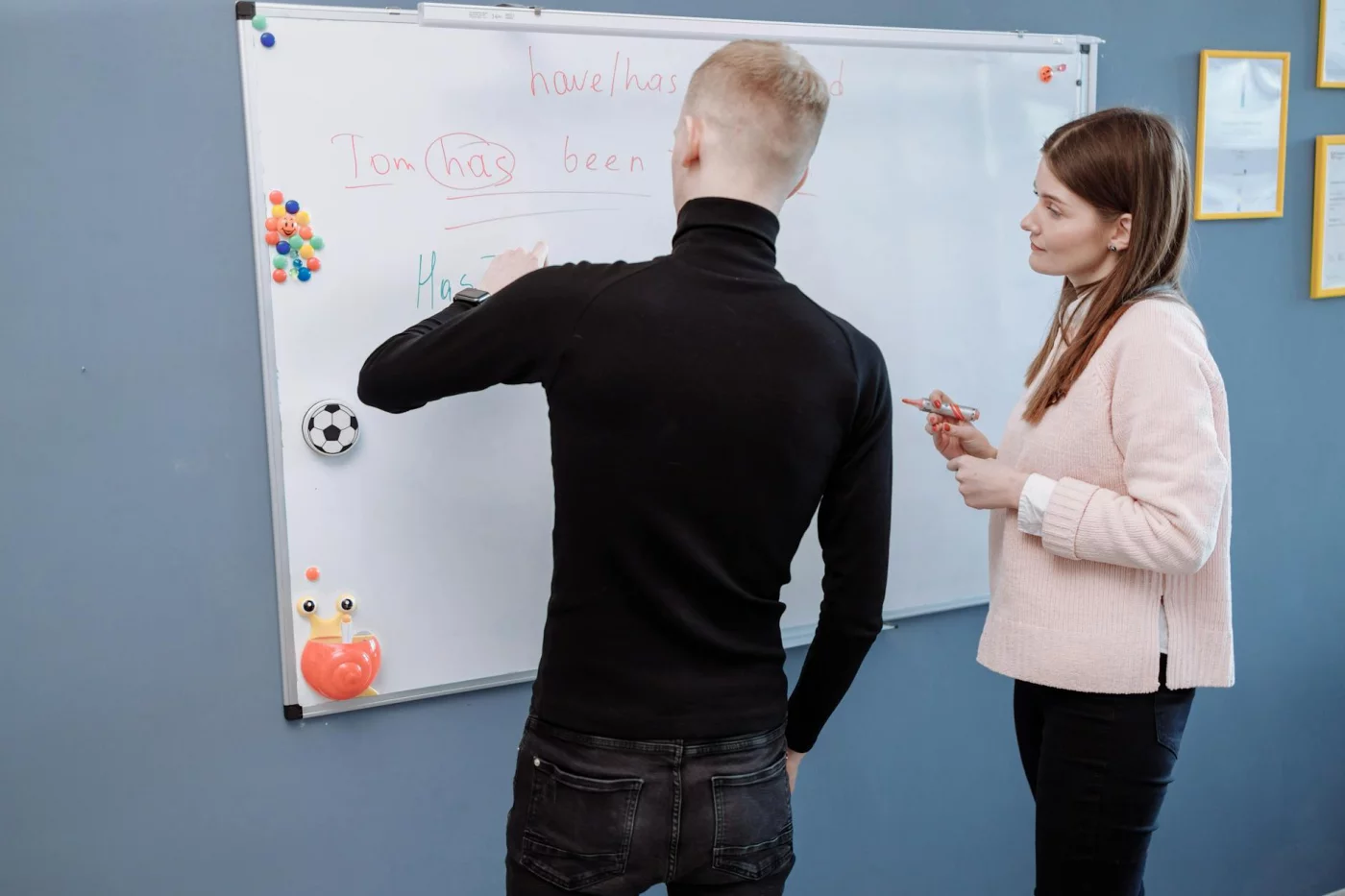
Slow, accurate output beats fast, messy output. Every time. If you can’t hear vowel length, stress, or linked speech clearly, fast practice just locks in errors. Research on speech perception and production has long shown that listening and speaking shape each other, and speech perception is a real part of better pronunciation practice.
Use 30-60 second clips, not long videos. Shadow one line, pause, and record yourself speaking, then compare it to native audio from short scenes you learn a language with Netflix. Why short clips? You can actually notice what changed.
Use phrase chunks, not single words
Single words often disappear under pressure. Phrase chunks don’t. Learn “I’m looking for…” instead of just “look,” and “How much does it cost?” instead of only “cost.”
Sentence building drills work because frames cut cognitive load. You keep the structure and swap the key word: “I want to eat,” “I want to rest,” “I want to leave.” That’s a better answer to how to practice speaking a language for beginners than memorizing random vocab lists, and it fits why retrieval practice beats rereading.
- 20-50 high-frequency phrases
- 8-12 sentence frames: “I need to…,” “I think that…,” “Yesterday I…,” “Can you tell me…?”
- Review on days 2, 7, and 30
Create 3 starter topic packs
Pick three topics: introducing yourself, daily routine, and asking for help. For each one, build 10 phrases, 5 questions, and 3 mini stories. That’s 54 usable items — enough to start speaking without a partner instead of freezing.
Mini phrase bank for daily routine: “I wake up at 7,” “I’m getting ready,” “I’m late,” “I need coffee,” “After work, I study.” Research on spaced repetition supports reviewing material over increasing intervals so it stays active for speaking, not just recognition.
Get this foundation right first. Then the next step is turning it into an actual solo speaking routine you can repeat daily.
How to practice speaking a language by yourself
Once your foundation is in place, the next move is simple: repeatable output. If you’re wondering how to practice speaking a language by yourself, start with a short routine you can actually keep, not an ambitious plan that dies by Thursday.
After building learning tools and watching self-learners stick—or not stick—to routines, I keep seeing the same pattern: shorter sessions win. A daily 20-minute language routine done four times a week beats a 90-minute marathon you avoid.
How to build a 20-minute solo speaking session
- Step 1: 5 minutes of listen-and-repeat
- Step 2: 5 minutes of guided self-talk
- Step 3: 5 minutes of fast response drills
- Step 4: 5 minutes of record-and-review
Step 1: Listen and repeat
Use one or two clips that are 10-20 seconds long. Podcasts, textbook dialogues, your own phrase list, or a Netflix scene all work—especially if you’re using this learn a language with Netflix approach for shadowing technique and pronunciation practice.
Repeat line by line, then once without looking. Beginners can mimic a self-introduction; intermediate learners can copy a restaurant complaint or travel exchange.
Step 2: Guided self-talk
Now speak from prompts, not a script. That matters because retrieval practice beats rereading, and active recall builds stronger access than passive review; research on language learning and memory in NCBI’s overview of learning and memory helps explain why.
- What did you do today?
- What are you going to do next?
- What do you need to buy?
Beginners should aim for 4-6 simple sentences. Intermediate learners can add reasons, past details, and comparisons.
Step 3: Fast response drills
Set a 3-5 second limit and answer immediately. This trains response speed, not perfect grammar. Try: What did you eat? Why are you learning? What would you do this weekend?
Step 4: Record and review
Record 30-60 seconds, then note just three things: one pronunciation issue, one hesitation pattern, and one missing word. Don’t fix everything at once. Use those notes to choose tomorrow’s review, and build your environment with this immersion at home guide.
A solid weekly structure looks like this: 4 core days, 1 review day, 1 light day, 1 rest day. Speaking improves through consistent reps, which fits what APA’s memory overview says about practice and recall—And next, I’ll show you the best drills, tools, and mistakes to avoid.
Best drills, AI tools, and common mistakes
Now turn that solo practice into something repeatable. If you’re serious about how to practice speaking a language by yourself, you need drills that train different speaking skills, not just “talk more.”
Solo drills that actually build fluency
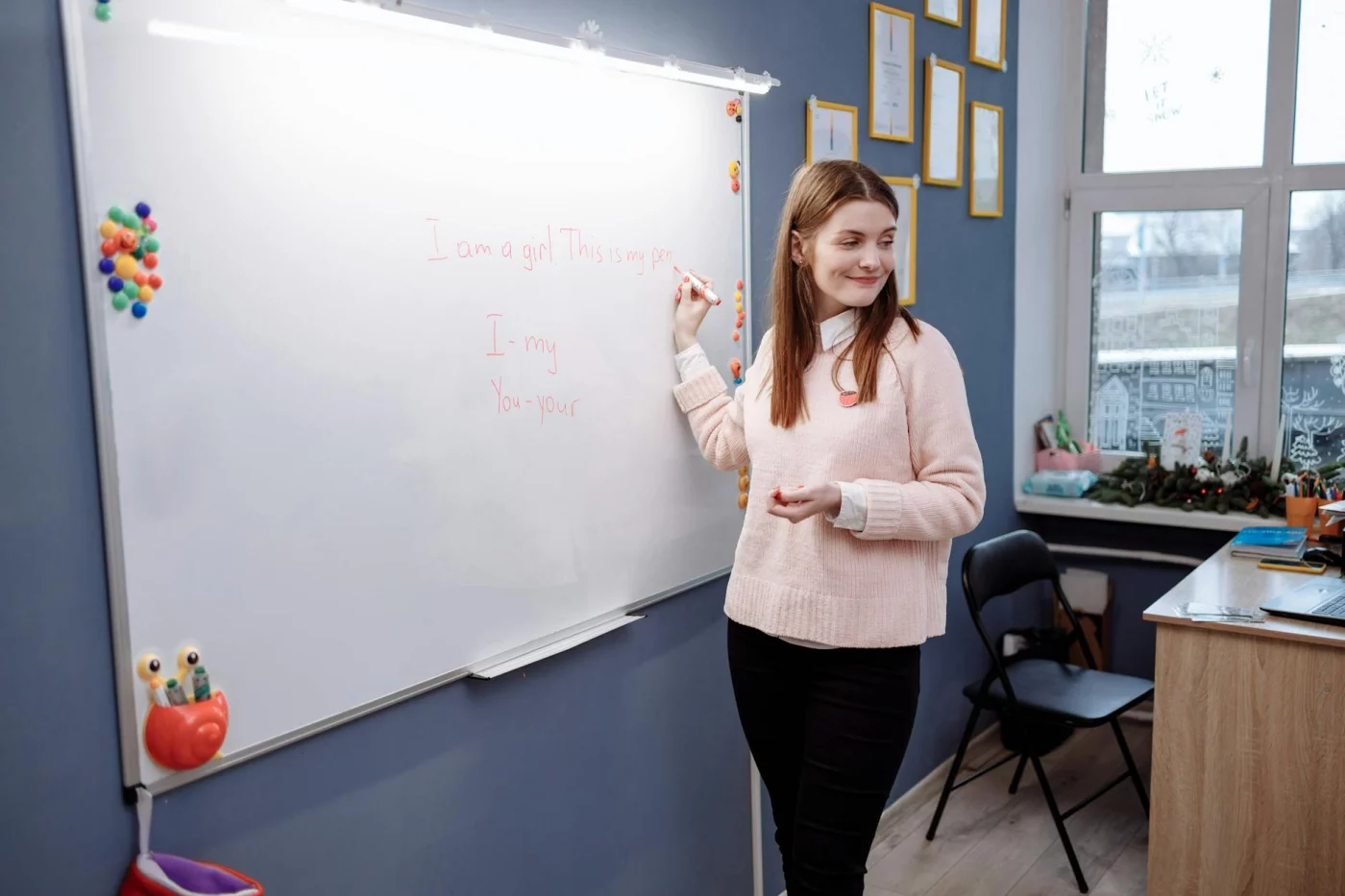
Start with shadowing: copy short audio line by line to train pronunciation, rhythm, and response speed. Using clips from shows can work well, especially if you already learn a language with Netflix and pause to mimic tone, stress, and linking.
Then add picture description and narrate-your-day practice. Why? They force retrieval instead of recognition, which is why retrieval practice beats rereading for building usable speech.
- Shadowing technique: sound, rhythm, pronunciation
- Picture description: spontaneous sentence building
- 3:2:1 fluency drill: tell one story in 3 minutes, then 2, then 1 for faster retrieval
- Monologue retells: summarize a video or article from memory for fluency and recall
- Narrate your day: practical everyday vocabulary
Use AI as a practice partner, not a teacher
Yes, you can practice speaking a language with AI. The best use is low-pressure repetition: roleplays, endless prompts, vocabulary recycling, and scenario practice through voice chat or text-to-speech. If you’re wondering how to practice speaking a language with AI or how to practice speaking a language with ChatGPT, give it structure.
Try: “Act as a patient cashier in Spanish. Ask me one question at a time and wait for my reply. Correct only major mistakes after each turn.” That works because it sets role, level, topic, correction style, and turn-taking. Quick sidebar: if you’re curious about what NLP in AI means, it helps explain why these tools are useful but still imperfect. Research on shadowing in language learning also supports repeated oral imitation as a real fluency builder.
Common mistakes to avoid
This is the part most people get wrong. They consume content, memorize essays, and call it speaking practice. But wait. Speaking improves when you retrieve language under light pressure, not when you read polished scripts.
- Practicing only in your head
- Reading full scripts instead of using flexible phrases
- Trying to fix accent, grammar, and vocabulary at once
- Using AI as your only source of feedback
- Never reviewing your recordings
If you want to know how to get better at speaking a language, record, review, and repeat the same drills for a week before changing tools. Next, I’ll show you how to track progress and follow a simple 7-day plan.
Track progress and follow a 7-day plan
You’ve got drills, prompts, and tools. Now you need proof they’re working. If you’re learning how to practice speaking a language by yourself, vague feelings like “I think I’m better” aren’t enough.
A simple weekly scorecard
Use a basic fluency tracker once a week. Four metrics matter: minutes spoken, hesitation rate, pronunciation notes, and vocabulary recall. Personally, I think this is the part most people skip — and it’s why progress feels invisible.
- Minutes spoken: aim for 80–120 minutes per week.
- Hesitation rate: in a 60-second recording, count pauses longer than 2–3 seconds.
- Vocabulary recall: note each time you switch to your native language or stop for a missing word.
- Pronunciation: track just 1–2 recurring sound problems, not everything at once.
Add one weekly check: answer the same 60-second question every Sunday and compare speed, clarity, and number of ideas. Noticeable comfort usually comes before accuracy, and how long language learning takes depends a lot on consistency, not perfect sessions.
A 7-day starter plan
- Day 1: build your first phrase pack around one topic.
- Day 2: do one 20-minute speaking routine.
- Day 3: describe a picture and record yourself.
- Day 4: do one AI roleplay.
- Day 5: use the 3:2:1 drill.
- Day 6: review phrases with spaced repetition.
- Day 7: do your 60-second speaking check and write one note: what got easier?
Quick reference and next steps
📋 Quick Reference
Foundation: one topic pack.
Routine: 20 minutes daily.
Drills: picture description, 3:2:1, roleplay.
Tracking: minutes, pauses, missing words, sound issues.
Weekly check: same 60-second prompt every 7 days.
So here’s the deal: if you want the best way to practice speaking a foreign language at home, keep it simple for two weeks before adding more apps or techniques. Choose one topic pack, one drill, one AI prompt, and one weekly check. That’s how to practice speaking a language by yourself without a partner — and next, I’ll wrap this up with the most common questions and what to do after your first week.
Frequently Asked Questions
How do you practice speaking a language by yourself?
If you’re wondering how to practice speaking a language by yourself, start with a simple 20-minute routine: 5 minutes of pronunciation drills, 5 minutes of self-talk, 5 minutes of response practice, and 5 minutes of recording yourself. That setup trains the four skill targets that matter most early on: pronunciation, retrieval, sentence building, and response speed. Keep it daily, keep it out loud, and keep the topics small—like introducing yourself, describing your room, or answering common questions.
How to practice speaking a language without a partner?
How to practice speaking a language without a partner comes down to active solo drills: shadow short audio clips, narrate what you’re doing, describe pictures, and record short answers to everyday prompts. A partner can help, sure, but you don’t need one to make early fluency gains if you’re speaking out loud consistently. And if you want extra variety, AI roleplay can be a useful add-on for question practice—just treat it as support, not the whole system.
How to practice speaking a language for beginners?
The best answer to how to practice speaking a language for beginners is to avoid open-ended conversation at first and use high-frequency phrases plus sentence frames instead. Try patterns like “I want…,” “I need…,” “I went…,” or “Today I’m going to…” and build 5 to 10 short sentences around one topic. Short, focused sessions work better than long, messy ones, and clarity matters more than speed in the beginning.
Can you practice speaking a language with AI?
Yes, can you practice speaking a language with ai is an easy yes—especially for repetition, prompts, roleplay, and basic feedback on wording. But wait: AI can sound unnatural or give incorrect corrections, so don’t treat it as the final authority on native usage. Personally, I think it’s best used like a practice partner that never gets tired, while your more reliable checks come from trusted sources, teachers, or native media; for general language-learning guidance, the Britannica overview of language is a useful starting point.
Can you use ChatGPT to practice speaking a language?
Yes, can you use chatgpt to practice speaking a language is a practical question, and the answer is yes—it’s especially useful for roleplay scenarios, question drills, and correction requests. A simple prompt format is: “Act as a patient language tutor. Ask me one question at a time in Spanish about ordering food. After each answer, correct only major mistakes and give a more natural version.” Human feedback is still valuable when you can get it, but this kind of structured practice is a solid way to rehearse speaking on your own.
What is the 3:2:1 rule in speaking?
What is the 3:2:1 rule in speaking? You tell the same short story in 3 minutes, then again in 2 minutes, then again in 1 minute. Now this is where it gets interesting: repeated retrieval helps you access the same language faster, and the shrinking time limit pushes fluency and response speed. Accuracy may dip at first, and that’s normal—the goal is smoother delivery through repetition, not perfection on the first round.
What is the 15 30 15 method?
What is the 15 30 15 method usually refers to a simple practice split some learners use: 15 minutes of input, 30 minutes of active speaking or output, and 15 minutes of review. Well, actually, the term isn’t fully standardized, so different teachers may use it a little differently. The bigger point is this: don’t get stuck chasing named methods if you’re not speaking out loud consistently—regular active practice matters more than the label; if you want a better structure for review, you might also find FreeBrain’s spaced repetition guide helpful.
What is the best way to practice speaking a foreign language at home?
The best way to practice speaking a foreign language at home is to combine short daily speaking sessions, phrase review, recordings, and one weekly progress check. Use real-life topics—work, meals, errands, opinions, plans—instead of random vocabulary lists, because that’s the language you’re more likely to need. If you’re figuring out how to practice speaking a language by yourself, this is the part most people get wrong: media clips and AI only help when they lead to active speaking, not passive watching.
Conclusion
If you remember only four things, make them these: speak out loud every day, keep your practice narrow and repeatable, record yourself often, and track one clear metric each week. That means using short monologues, shadowing, question-and-answer drills, and self-correction instead of waiting for “real” conversation practice. And yes, if you’ve been wondering how to practice speaking a language by yourself, that’s really the core idea: build speaking reps on purpose, not randomly.
Thing is, solo speaking practice can feel awkward at first. Most people hate hearing their own voice recordings. That’s normal. But wait—awkward doesn’t mean ineffective. It usually means you’re doing the hard part that actually builds skill. Personally, I think this is where learners quit too early. If you stick with a simple 7-day cycle, focus on high-frequency phrases, and keep your sessions short enough to repeat, you’ll start noticing smoother recall, better pronunciation, and less freezing when it’s time to speak.
Want to keep going? Explore more practical study systems on FreeBrain.net, including how to learn a language fast and active recall for language learning. Which brings us to the real next step: don’t read another tip until you’ve done one 10-minute session today. Pick a prompt, hit record, speak, review, and do it again tomorrow.