

Expressive writing therapy is a short, structured writing exercise where you privately write about a stressful experience — including what happened, what you felt, and what it meant to you — usually for 15 to 20 minutes across 3 to 4 days. In plain English, it’s a focused way to put stress into words so it takes up less space in your head. This guide covers expressive writing therapy as an educational self-help method, not medical treatment, and it’s especially useful if stress is hurting your concentration, recall, or ability to think clearly. If that sounds familiar, it helps to understand how stress affects memory and why overloaded attention can make even simple tasks feel harder.
Maybe you’re replaying one conversation all day. Or you sit down to study, work, or sleep — and your brain keeps reopening the same file. Research on expressive writing, including the original work associated with James Pennebaker and later summaries in the overview of expressive writing research, suggests that structured emotional writing can help some people process stressful experiences more effectively. Not magic. But often surprisingly useful.
So here’s the deal. You don’t need a beautiful journal, deep insight, or an hour of free time. You need a simple method that tells you what to write, how long to write, when to stop, and when not to use this approach. That’s what you’ll get here: a clear definition of expressive writing therapy, a practical 4-day version of the Pennebaker method, scenario-based prompts, an expressive writing for stress template, a sample entry, and a side-by-side comparison with gratitude journaling and CBT-style thought records.
And yes, we’ll also cover the part most people skip: safety. When does this kind of writing help, and when can it make you feel worse in the moment? You’ll learn how to do expressive writing for stress without turning it into aimless rumination, plus what to try before and after a session — including simple breathing exercises for stress if your body feels too activated to write clearly.
I’m a software engineer, not a clinician, and that’s exactly how this guide is built: practical, evidence-based, and tested against the real problems self-learners run into when stress starts hijacking focus. Well, actually, that’s the whole point — translate research into something you can use today.
📑 Table of Contents
What it is and when it helps
So here’s the deal. If the intro made this sound abstract, this section makes it practical.

Expressive writing therapy is a private, time-limited writing exercise about one stressful experience, usually for 15–20 minutes across 3–4 days. It’s educational self-help, not therapy, diagnosis, or medical treatment. I’m translating the foundational research associated with James W. Pennebaker into plain English, not replacing professional care.
A plain-English definition
If you’ve wondered what is expressive writing for stress, the short answer is this: you write honestly about a difficult event, including your thoughts, feelings, and what it may mean. That structure matters because stress can disrupt attention, working memory, and recall, which is exactly why students and knowledge workers should care; if you want the learning angle, see how stress affects memory and attention networks and focus.
Who is it for? Stressed students, self-learners, and busy professionals who want a low-friction method they can actually test for a week.
How it differs from a regular journal
A diary records what happened. Expressive writing goes after the story in your head: what you felt, what you feared, what you’re making the event mean. That’s different from gratitude journaling, which shifts attention toward positives, and different from pure venting, which can stay repetitive.
- Diary: events and timeline
- Therapeutic journaling: thoughts, emotions, meaning
- Goal: processing, not producing a polished record
Privacy matters. Research linked from Wikipedia’s overview of expressive writing and summaries indexed on PubMed point to a simple idea: self-censorship weakens the exercise.
Why stress and focus are connected
Stress narrows attention. And when your mind keeps looping on one unresolved problem, studying and deep work get harder. Personally, I think this is why structured writing stands out: while building FreeBrain’s evidence-based learning resources, it’s been one of the easiest low-effort tools to compare against broad journaling habits.
But wait. Research findings are mixed by population and outcome, so keep your expectations realistic. It may help you feel clearer or less mentally stuck, but it’s not a cure-all; if writing ramps you up, pair it with simple breathing exercises for stress and consider professional support.
Next, I’ll walk you through the 4-step writing method so you know exactly what to do on the page.
The 4-step writing method
So how do you actually do expressive writing therapy? The classic Pennebaker-style approach is simple: write for 15–20 minutes once a day for up to 4 days about one stressful experience, which can help clarify what you feel and why stress can disrupt focus and recall, as we explain in how stress affects memory.

How to do it
- Step 1: Choose one stressor, not your whole life. Start with 15 minutes if you’re new, or 20 if you already journal. Think narrow: “the exam I keep avoiding,” “the meeting I can’t stop replaying,” exam panic, conflict with a manager, burnout signs, or relationship tension.
- Step 2: Write continuously and honestly. Don’t edit, censor, or fix grammar. Include facts, emotions, body sensations, what feels unresolved, and what the event means to you.
- Step 3: Stop when the timer ends, then downshift for 2–5 minutes. Some people feel more activated right after writing, so do box breathing, stretch, walk, or use these breathing exercises for stress before returning to work or sleep.
- Step 4: Repeat for 3–4 days, then review patterns instead of chasing perfect writing. Look for repeated themes like fear of failure, uncertainty, resentment, or overload.
A realistic 4 day writing protocol looks like this:
- Day 1: unload facts and feelings
- Day 2: explore meaning
- Day 3: connect patterns
- Day 4: write what you need next
Research summarized in the overview of expressive writing describes this as a structured writing exercise, not polished journaling. And yes, that matters.
Quick sidebar: if writing sharply increases distress or brings up trauma you can’t regulate, pause and talk with a qualified mental health professional. Next, I’ll give you templates, prompts, and real examples you can use right away.
Template, prompts, and real examples
Now turn the 4-step method into something usable. Personally, I think this is where most expressive writing therapy advice falls short: it explains the idea but doesn’t give you a page you can actually fill out.
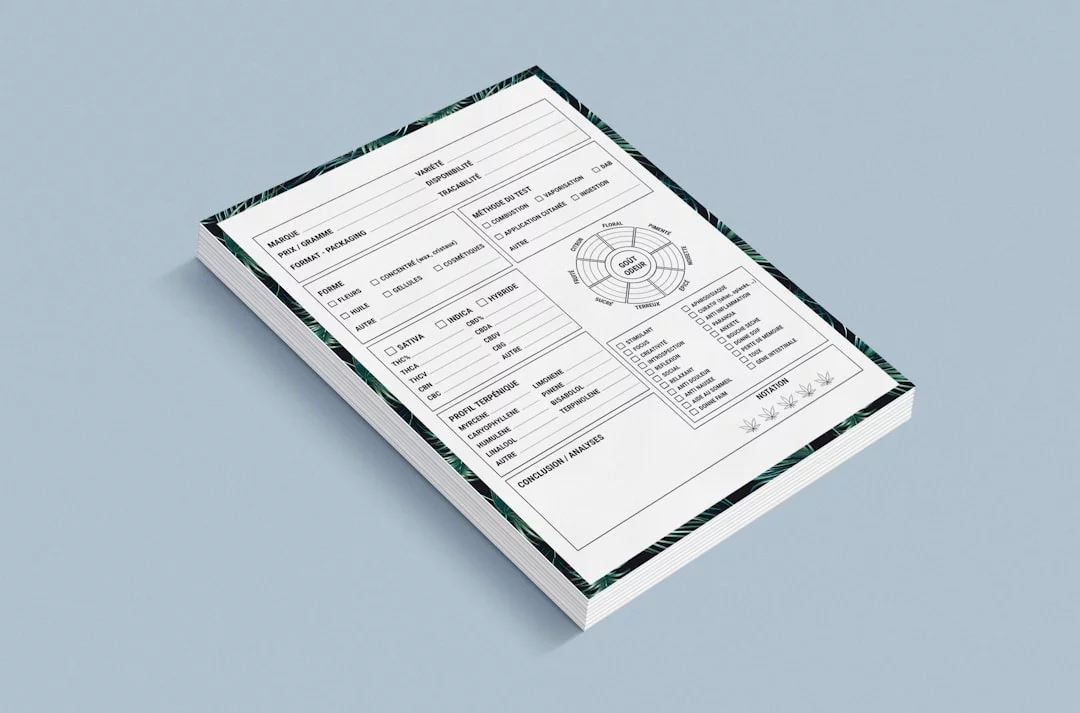
A simple copy-paste template
Paste this expressive writing for stress template into Notes, Docs, or a paper journal. And yes, you can turn it into a printable worksheet or therapeutic journaling PDF later if that helps you stick with it.
- The stressful situation is…
- What happened…
- What I’m feeling…
- Why this affects me…
- What I might need next…
- How I feel after writing…
That last check-in matters. If you feel calmer, clearer, or more grounded, good. If you feel more activated, pause and regulate first with breathing exercises for stress.
Prompts by stress scenario
- Work stress: What unfinished task is following me around mentally? Where do I feel unrealistic expectations? What am I afraid will happen if I underperform?
- Burnout: When did effort start feeling numb or resentful? What pressure keeps telling me to produce more? Am I tired, or am I emotionally done?
- Relationship stress: What am I not saying directly? Where did I feel dismissed or misunderstood? What expectation went unspoken?
- Acute overwhelm: What feels urgent right now? What is actually unclear? If I named the top 2 stressors, what would they be?
- Exam stress: Am I scared of the test, or of what it means about me? What am I avoiding because it feels threatening? If you’re stuck there, this guide on test anxiety and study skills can help you spot the pattern.
Short sample entry
Sample journal entry: The stressful situation is my stats exam on Friday. What happened is I kept switching between lectures, flashcards, and my phone, then told myself I was “studying” even though I was mostly panicking. What I’m feeling is embarrassed, behind, and weirdly angry. Why this affects me is that I’ve tied doing well to being competent, so every hard problem feels like proof I’m not cut out for this. That’s the part I didn’t want to admit. What I might need next is to stop pretending I can fix everything tonight, email my professor about one concept I still don’t get, and make a 3-topic review list. After writing, I still feel tense, but less scattered.
Real-world application
Try this over four days. Day 1: write about the raw stressor. Day 2: name the real threat underneath it, like fear of failure, overload, or avoidance. Day 3: write only about what you can control. Day 4: end with one next action.
A student might use this before exams. A busy professional might use it after a conflict-heavy week or during burnout warning signs. But wait—if your writing keeps looping without new insight, the next section covers what to avoid and what research says about when a more structured method works better.
What to avoid and what research says
Now you’ve got the template. The next question is simpler: when should you use it, and when should you not?
That matters because expressive writing therapy can help some people process stress, but it’s not the best journaling tool for every problem.
Which journaling method fits your problem
Here’s the fast comparison. Expressive writing vs gratitude journaling vs thought record comes down to function, not preference. If you need emotional processing after a breakup, conflict, or exam panic, expressive writing therapy fits best. If your mind is stuck scanning for what’s wrong, gratitude journaling helps shift attention. And if your stress is driven by self-criticism or avoidance, a CBT thought record is often better because it forces you to test the thought instead of just reliving it.
Example? “I’m overwhelmed and angry about work” fits expressive writing. “I keep thinking I’m a failure, so I avoid starting” may fit a thought record better, especially if that pattern overlaps with fear of failure and procrastination.
📋 Quick Reference
- Expressive writing: Goal = emotional processing; Structure = open writing; Best for = unresolved stressor; Not ideal when = distress spikes fast.
- Gratitude journaling: Goal = attention shifting; Structure = brief positives; Best for = negativity bias; Not ideal when = you need to face a specific conflict.
- Thought record: Goal = challenge distorted thoughts; Structure = evidence for/against; Best for = anxious, self-critical thinking; Not ideal when = you only need emotional release.
Common mistakes and when to stop
Yes, journaling can make stress worse. The usual mistakes are writing too long, tackling three problems at once, rereading immediately, or turning the session into endless venting without closure.
- Don’t write right before bed if your mind gets activated.
- Don’t pick a topic that feels overwhelming or traumatic.
- Don’t force the method if panic, numbness, self-harm thoughts, or worsening symptoms show up.
Research linked to James Pennebaker suggests benefits for some people and outcomes, but results are mixed and effect sizes vary. And for trauma histories, severe anxiety, depression, or escalating distress, this is educational content, not medical advice; consult a licensed mental health professional.
Quick reference and next steps
- Choose one stressor.
- Write for 15–20 minutes.
- Repeat for 3–4 days.
- Do a short reset after writing.
Personally, I think the best test is simple: try one session, then check how you feel 10 minutes later and again that evening. If expressive writing reduces stress or gives clearer thinking, keep going. If not, switch methods. Save the template, print it if that helps, and in the FAQ I’ll answer the last practical questions.
Frequently Asked Questions
What is expressive writing for stress?
What is expressive writing for stress? It’s a short, structured writing exercise where you focus on one stressful experience and write about your thoughts, feelings, and what the event means to you. The classic format is 15–20 minutes of private writing across 3–4 days. Unlike casual journaling, expressive writing therapy is more focused and intentional, which is part of why many people find it useful for emotional processing.
How do you do expressive writing for stress?
How do you do expressive writing for stress? Pick one specific stressor, set a timer for 15–20 minutes, and write continuously without editing, organizing, or trying to sound good. When the timer ends, stop and do a short calming routine like slow breathing, a brief walk, or stretching. Repeat for up to 4 days, then review your writing for patterns, triggers, and next steps rather than judging the quality of what you wrote.
What is the Pennebaker writing protocol?
What is the Pennebaker writing protocol? It refers to the classic expressive writing format associated with psychologist James W. Pennebaker, whose research helped popularize this method. The original structure is simple: write privately for 15–20 minutes over 3–4 consecutive days about a stressful or emotional experience, including both facts and feelings. Modern versions of expressive writing therapy often add a short post-writing regulation step, such as grounding or breathing, especially when the topic feels intense. For background, you can read more about Pennebaker’s work through PubMed.
Is expressive writing better than gratitude journaling?
Is expressive writing better than gratitude journaling? Not really — they do different jobs. Expressive writing helps you process difficult experiences, while gratitude journaling helps shift attention toward positive details you might otherwise miss. If your main problem is emotional overload, expressive writing therapy may fit better; if your main problem is getting stuck in a negative attentional loop, gratitude practice may help more.
Can journaling make stress worse?
Can journaling make stress worse? Yes, for some people it can, especially when writing turns into rumination or brings up material that feels overwhelming. Warning signs include feeling activated for hours afterward, panic, emotional shutdown, or a noticeable drop in mood that doesn’t settle. If that happens, pause the exercise, scale it back, and consider support from a qualified mental health professional; this article on FreeBrain is educational and not a substitute for care.
Can students use expressive writing for exam stress?
Expressive writing for students with stress can be a practical way to process fear, pressure, and mental clutter before exams. The key is to focus on one exam-related stressor at a time — like fear of blanking out, pressure from grades, or falling behind — instead of dumping every academic worry onto the page at once. And here’s the useful part: end each session with one concrete next step, such as making a 25-minute review plan or listing three topics to practice, so the writing connects back to better study habits.
Conclusion
If you want this to work, keep it simple. Pick one stressful topic, write for 10 to 20 minutes without editing yourself, stay specific about what happened and how it affected you, then finish by grounding yourself before you move on with your day. And yes, that last step matters. The most useful version of expressive writing therapy isn’t “write whatever forever” — it’s short, focused, honest writing with a clear start and stop.
You don’t need to be a great writer. You don’t need perfect insight on day one either. Thing is, stress often feels bigger when it stays vague, and putting words around it can make it easier to process, notice patterns, and respond with a little more control. If your first session feels messy, that’s normal. Start small, be consistent, and let the process do its job.
Want to build this into a broader stress-management system? Read How to Reduce Stress While Studying for practical ways to lower mental overload, and How to Focus Better While Studying if stress is wrecking your attention. FreeBrain.net is built for exactly this kind of problem: turning solid research into tools and methods you can actually use. Try one expressive writing therapy session today, then keep going with the next strategy that helps you think more clearly and study with less friction.