If you’re trying to pick from the best language learning apps free options, here’s the short answer: there isn’t one universal winner. In the Duolingo vs Babbel vs Pimsleur debate, Duolingo is best for free habit-building, Babbel is better for structured beginner lessons, and Pimsleur stands out for speaking and pronunciation. That matters because these apps don’t train the same skills, even if their ads all promise fluency. And if you care about learning efficiently, not just collecting streaks, you need more than marketing claims — you need methods that line up with scientifically proven study techniques.
You’ve probably seen the same argument everywhere: whats better babbel or duolingo, is pimsleur better than duolingo, is pimsleur better than babbel, or the endless babbel vs duolingo vs pimsleur reddit threads. But wait. Most comparisons stop at feature lists, while actual learning depends on memory, attention, feedback, and whether you’ll still be using the app in week six. Research on working memory from the National Center for Biotechnology Information helps explain why lesson design changes what you retain, not just what you finish.
So here’s the deal. This article gives you a transparent three-way comparison based on lesson structure, speaking practice, grammar depth, review systems, motivation design, and duolingo vs babbel vs pimsleur pricing 2026. You’ll see which app fits your goal — conversation, travel, pronunciation, grammar, or busy-adult consistency — and how each one affects attention and working memory during practice.
I’m a software engineer, not a linguist. But I built FreeBrain’s learning tools after years of self-directed study, and I tend to judge apps the same way I judge study systems: by retention, friction, feedback, and whether they actually make you come back tomorrow. Personally, I think that’s the only useful way to compare the best language learning apps free category in 2026 — and yes, we’ll get specific about where each app wins, where it falls short, and who should skip it.
📑 Best Language Learning Apps Free: Table of Contents
- Quick verdict and who each app fits
- How we tested these 3 apps
- At a glance: features, price, and value
- Which app actually helps you learn?
- Best picks by goal and what to avoid
- How to choose your app in 10 minutes
- Frequently Asked Questions
- Is Pimsleur better than Duolingo?
- Is Pimsleur better than Babbel?
- Is Babbel actually better than Duolingo?
- What is the difference between Babbel and Duolingo?
- Which language app is best for speaking practice?
- Which language app is best for travel?
- Does the FBI really use Pimsleur?
- Why does no one like Duolingo anymore?
- Conclusion
Quick verdict and who each app fits
Now to the part most people actually want. If you’re comparing the best language learning apps free or paid, the short answer is simple: Duolingo is best for free daily momentum, Babbel is best for structured beginner learning, and Pimsleur is best for speaking and pronunciation. For more on learning and study skills, see our learning and study skills guide.
But wait. There’s no universal winner, because these apps train different things: vocabulary exposure, grammar understanding, listening, pronunciation, and conversation confidence. We verified current 2025/2026 pricing and tested them with a learning-efficiency lens, not just a feature checklist, using the same principles behind FreeBrain’s scientifically proven study techniques.
📋 Quick Reference
Best free option: Duolingo
Best for beginners: Babbel
Best for speaking: Pimsleur
Best for travel: Pimsleur
Best for grammar: Babbel
Best for busy adults: Duolingo for 5-minute consistency, Babbel for efficient study, Pimsleur for audio-on-the-go
The fast answer
If you want free daily practice and a strong habit loop, pick Duolingo. If you want lessons that feel more like a real beginner course, pick Babbel. If your main goal is speaking out loud with better pronunciation, Pimsleur wins.
So here’s the deal. In the duolingo vs babbel vs pimsleur debate, the best use case matters more than brand popularity. Personally, I think this is where most reviews miss the point: an app that keeps you showing up can beat a “better” app you never open.
Winner by goal
- Beginners: Babbel
- Speaking and pronunciation: Pimsleur
- Travel phrases: Pimsleur
- Grammar learning: Babbel
- Budget: Duolingo
- Short daily sessions: Duolingo
Which language app is best for conversation practice? Usually Pimsleur. Which language app is best for grammar learning? Babbel, pretty clearly. And if you’re asking which language app is best for busy adults, the answer depends on whether you need 5-minute streaks, commute-friendly audio, or a more focused lesson path.
That difference matters because learning isn’t just content delivery. Research on attention and working memory helps explain why lesson length, feedback speed, and mental load change how much you actually retain, and cognitive science models like the working memory model explained make it clear that overloaded lessons often feel productive while hurting recall.
What this comparison focuses on
We’re comparing lesson structure, speaking practice, grammar depth, motivation design, offline access, and overall value. Not hype. And yes, that sounds nerdy — but it’s the only way to judge the best app for learning languages in a way that matches real outcomes.
Well, actually, no app guarantees fluency by itself. Evidence from the National Center for Biotechnology Information on memory and forgetting and the broader literature on active recall in learning points in the same direction: progress depends on retrieval, review, and repeated exposure over time.
Which brings us to the next section: how we tested all three apps, what we measured, and why those criteria matter more than marketing claims.
How we tested these 3 apps
The quick verdict is useful, but it only matters if the testing was fair. So before we rank the best language learning apps free or paid, here’s exactly how we compared Duolingo, Babbel, and Pimsleur.
Testing setup
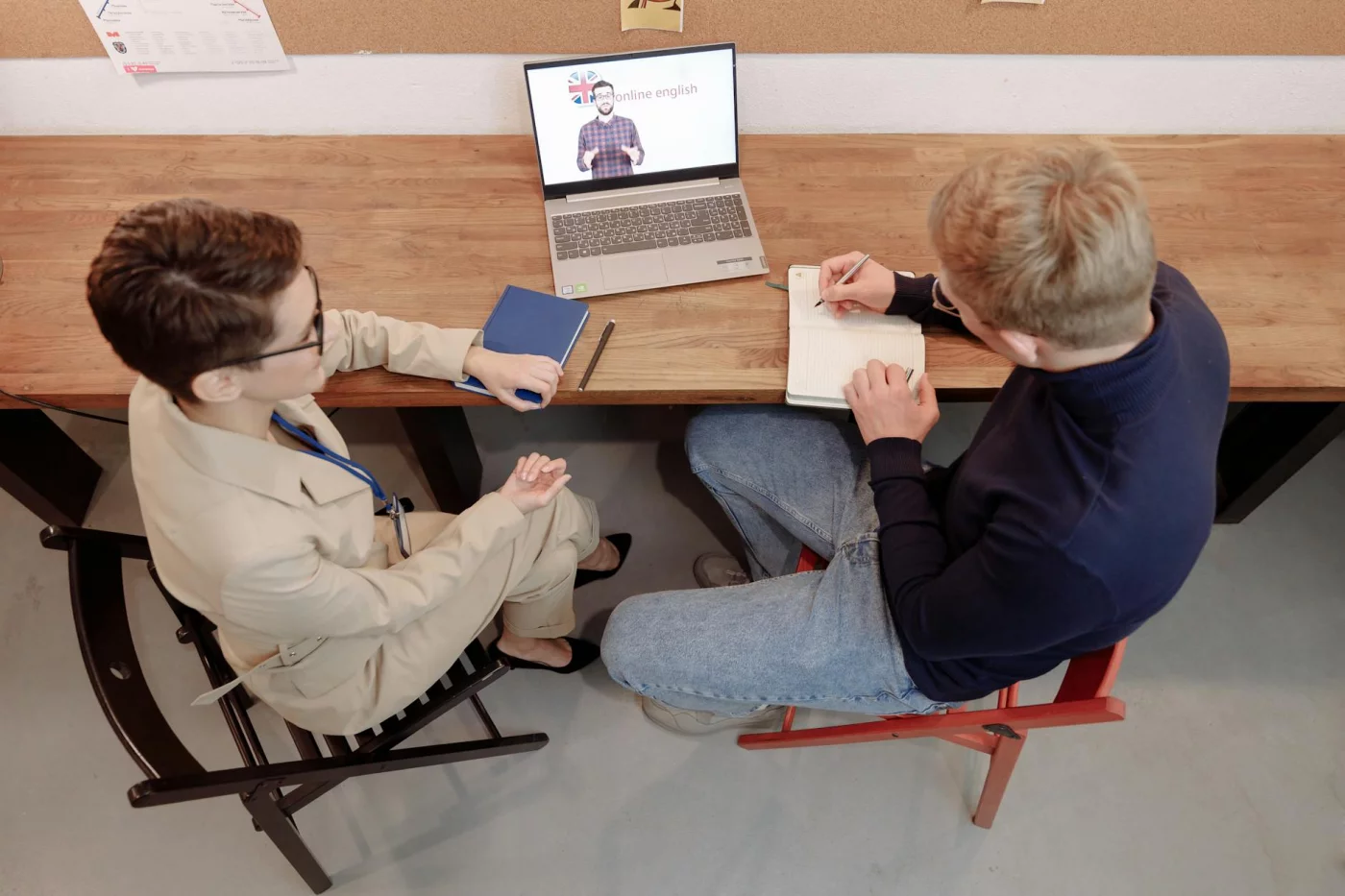
We sampled Spanish and French because they’re high-demand courses and consistently supported across all three apps. That made the language learning app comparison cleaner, especially for readers searching duolingo vs babbel vs pimsleur for spanish or for french.
In practice, we completed roughly 10-15 lessons per app, plus placement tests, onboarding flow, review modes, and account setup friction. And yes, friction matters — if an app makes you tap through five upsells before one lesson, that affects whether you’ll actually study.
We checked performance on iPhone, Android, and desktop where relevant, including audio quality, speech recognition prompts, and offline access. Personally, I think this matters more than many reviews admit, because app design directly affects attention and working memory during short daily sessions.
We also manually checked pricing and trial terms at the time of review, since duolingo vs babbel vs pimsleur pricing 2026 is one of the biggest reader questions. For learning principles, we anchored our evaluation in scientifically proven study techniques rather than marketing claims.
- Languages tested: Spanish and French
- Volume: about 10-15 lessons per app, plus reviews and setup
- Platforms: iPhone, Android, desktop where available
- Features checked: audio, speaking prompts, offline mode, free trial, pricing
Scoring criteria
We used a simple 1-5 scale for six categories: speaking, grammar, motivation, retention support, travel usefulness, and value. Why so simple? Because readers usually want clear tradeoffs, not fake precision.
Speaking practice scored higher when the app required recall, pronunciation, and sentence production instead of mostly passive tapping. That’s the big difference in what is the difference between babbel and duolingo for many learners: one may explain more, while another may feel easier to start.
Grammar depth meant explicit explanations, examples in context, and help noticing patterns over time. Retention support meant spaced review, active recall, cumulative practice, and manageable cognitive load — ideas that line up with what’s known about working memory model explained in actual study design, and with broader evidence on spaced repetition.
We also looked at lesson length and restart cost. Short sessions can help consistency, but only if they still create enough challenge for memory retention. Research on retrieval practice, including findings summarized by the National Library of Medicine on active recall and testing effects, supports that distinction.
Limits of this review
No app alone can promise fluency. But wait — that doesn’t mean apps are useless. It means they’re best seen as structured practice tools, not full replacements for live conversation, writing feedback, or real listening in the wild.
Course quality also varies by language, and prices and features change often. Company blogs can help verify current features, but they’re not neutral evidence, so we treated them as product documentation rather than proof of learning outcomes.
If speaking practice makes you anxious or burned out, take that seriously. This section is educational, not medical advice, and if language-learning stress starts affecting your wellbeing, it’s smart to talk with a qualified professional.
Which brings us to the part most people actually want: the side-by-side breakdown of features, pricing, and where each app gives you the best value.
At a glance: features, price, and value
Now that the testing method is clear, here’s the fast answer. If you’re comparing the best language learning apps free, Duolingo wins on cost, Babbel wins on structured teaching, and Pimsleur wins on spoken recall under pressure.
Price matters, sure. But so do lesson design, habit friction, and how each app uses your attention and working memory during short study sessions.
Side-by-side table
📋 Quick Reference
| Feature | Duolingo | Babbel | Pimsleur |
|---|---|---|---|
| Free access | Strong free tier | Limited trial/free lesson | Limited free trial |
| Monthly price | About $7–13 | About $9–18 | About $15–21 |
| Annual price | Usually cheaper per month | Often around $80–100/year | Varies by plan/language |
| Lesson length | 3–8 min | 10–15 min | 30 min core audio |
| Offline mode | Some paid access | Yes, on paid plans | Yes |
| Speaking intensity | Low to medium | Medium | High |
| Grammar depth | Light | Strong | Light to medium |
| CEFR-style progression | Partial/varies | Clearer | Less explicit |
| Ideal learner | Beginners who need daily momentum | Adults who want explanations | Learners focused on speaking and accent |
| Hidden tradeoff | Sticky habit, sometimes shallow | Better structure, less addictive | Best oral recall, repetitive and pricey |
For duolingo vs babbel vs pimsleur pricing 2026, treat those ranges as current-market estimates, not fixed truth. App subscriptions change often, so verify on each company’s pricing page before publishing or buying.
And yes, what is the difference between babbel and duolingo in plain English? Duolingo feels like a game, Babbel feels like a course, and Pimsleur feels like guided speaking drills. If you care about retention, that design difference matters as much as price; research on spaced practice and retrieval from scientifically proven study techniques helps explain why.
Duolingo in one minute
Duolingo is still the easiest recommendation when people ask for the best language learning apps free. In the first week, it feels frictionless: tap, swipe, get points, keep the streak alive. That matters more than most people admit, especially if motivation is your weak point and you’ve ever wondered what controls motivation.
But wait. The tradeoff is depth. You’ll get lots of reps, but speaking practice is limited, some sentences feel odd, and progress can feel broad rather than deep.
Babbel in one minute
Babbel is usually better for adults who want practical dialogues and clearer grammar lessons. The first week feels more like being taught than being entertained, which is great if you hate guessing rules. Personally, I think this is where Babbel beats Duolingo for serious beginners.
So, whats better babbel or duolingo? For structure, Babbel. For daily streak motivation, Duolingo. Babbel’s weakness is simple: less free content, less habit pull, and fewer high-pressure speaking reps.
Pimsleur in one minute
Pimsleur is the strongest of the three for pronunciation training, listening, and speaking from memory. Its method leans hard on recall and timed response, which fits what the testing effect in learning research suggests about active retrieval.
Is pimsleur more effective than duolingo? For speaking and accent, often yes. For fast, cheap, daily app use, not usually. And if you’re comparing pimsleur vs babbel cost, Pimsleur is commonly the pricier option while Babbel gives more visible grammar support; that lines up with broader evidence on working memory limits in learning.
- Choose Duolingo if you need consistency first.
- Choose Babbel if you want clearer explanations.
- Choose Pimsleur if spoken fluency is the main goal.
That’s the snapshot. Next, let’s get to the question that actually matters: which one helps you learn best once the novelty wears off?
Which app actually helps you learn?
Price and features matter. But the real question is whether an app helps you remember and use the language later, not just recognize it in the moment. If you’re comparing the best language learning apps free or paid, this is where evidence matters more than marketing.

What cognitive science suggests
Recognition is easier than recall. Seeing a word and thinking “yeah, I know that” is not the same as producing it during a conversation. Research on retrieval practice and spaced repetition, including memory findings summarized in peer-reviewed work on retrieval-based learning, suggests that repeated recall over time improves memory retention better than passive review.
And here’s the kicker — cognitive load matters. If an app floods your attention with too many new items, sound cues, and taps, your working memory gets overloaded. That’s why understanding attention and working memory helps explain why short, focused sessions often beat long, passive ones for busy adults.
Passive rereading feels smooth. Smooth can be misleading. Easy review often creates an illusion of competence, especially when learners aren’t forced to retrieve, mix, and reuse material.
How Duolingo, Babbel, and Pimsleur compare
- Duolingo: great for habit loops and repeated exposure; weaker for deep active recall unless you pause before tapping and answer out loud.
- Babbel: better explicit explanations, which helps adult beginners notice grammar patterns and reduce confusion.
- Pimsleur: strongest for oral recall, listening pressure, and early speaking. If you’re asking which language app is best for speaking practice, this one usually leads.
So, is Pimsleur better than Duolingo? For real-time speaking, often yes. Is Babbel actually better than Duolingo? For structured understanding, many adults will think so. Which language app is best for pronunciation? Usually the one that makes you listen and produce repeatedly, though speech recognition alone has limits.
From experience: what users get wrong
After building FreeBrain learning tools, one pattern keeps showing up: learners overestimate progress when an app feels frictionless. Streaks feel productive. Real speaking progress comes from recall, mixed review, and a little struggle.
Well, actually, that’s the part most people get wrong. They choose the easiest app, then wonder why speaking lags behind. A better question is: which friction can you repeat for 90 days?
A better hybrid study routine
Personally, I think the best language learning apps free or paid work best as one part of a system. Pair one app with 5 to 10 minutes of recall, shadowing, or sentence review, and keep lessons short enough that your brain stays sharp. If you want a practical working memory model explained in plain English, that framework makes this much easier to apply.
- 4 to 5 days: app lessons
- 1 day: spaced review and active recall
- 1 day: listening and speaking only
Which brings us to the next question: which app is best for your specific goal, and what should you avoid even if the app looks impressive?
Best picks by goal and what to avoid
So now we can get practical. If you’re comparing the best language learning apps free or paid, the right pick depends less on hype and more on what you need the app to do every day.
Best for beginners, travel, and busy adults
For beginners, Babbel usually wins if you want structure and clear explanations. Duolingo is better if you need a free daily habit with very low friction. Pimsleur stands out when speaking confidence matters most from day one.
Which language app is best for travel? Usually Pimsleur for listening and speaking under pressure, Babbel for useful phrases with context, and Duolingo for cheap vocabulary exposure before a trip.
Busy adults should pick the app they can actually sustain in 10 to 20 minutes. Personally, I think consistency beats ambition here. If your schedule is chaotic, build a plan that helps you learn skills faster without burnout, not a plan you quit in four days.
Best for Spanish and French
Spanish and French are strong on all three apps, so goal matters more than language availability. For Spanish, Pimsleur often feels better for rhythm and pronunciation, Babbel for grammar and dialogues, and Duolingo for free consistency.
For French, the split is similar. But wait — pronunciation and listening are less forgiving, so many learners do better with Pimsleur or Babbel than Duolingo alone.
Common mistakes to avoid
- Expecting one app to cover speaking, grammar, reading, and conversation equally well
- Judging progress by streaks, XP, or unit count instead of recall and real use
- Skipping speaking because it feels awkward
- Switching apps every week instead of sticking with one plan for 6 to 8 weeks
This is the part most people get wrong. A lot of babbel vs duolingo vs pimsleur reddit threads, and even the “why does no one like Duolingo anymore” complaints, really come down to mismatched expectations.
Real-world application
Three best use cases make the choice easier:
- Budget learner: Duolingo plus one weekly speaking session elsewhere
- Business traveler: Pimsleur plus short review notes after each lesson
- Structured self-learner: Babbel plus flashcard recall for reading and grammar
Example? A 15-minute commuter who needs speaking confidence for meetings or trips should start with Pimsleur. A college student who wants reading plus grammar should lean Babbel. And if you want the best language learning apps free option, Duolingo works — as long as you add real speaking somewhere else.
Next, I’ll show you how to choose your app in 10 minutes without overthinking it.
How to choose your app in 10 minutes
You’ve seen the best picks by goal. Now make the decision fast. If you’re comparing the best language learning apps free, don’t overthink it—pick based on how you’ll actually study, not what sounds impressive.
A 5-step decision guide
- Step 1: Define one outcome: speaking, travel basics, grammar, or daily habit. Which app should you choose? The one built for your main goal, not all goals.
- Step 2: Set a real daily target: 10, 15, or 30 minutes. Most people do better with 10-15 minutes than an unrealistic 45.
- Step 3: Choose free or paid based on consistency, not ambition. If you haven’t studied 5 days a week for 2 weeks, stay free.
- Step 4: Commit to one app for 30 days before judging results. App-hopping kills momentum.
- Step 5: Add one support habit: active recall, mixed review, or the 80 20 rule for studying so you focus on high-frequency words first.
Who should pay and who should not
Stay free with Duolingo if you’re still proving the habit. Pay for Babbel if you want structure, clearer explanations, and less guessing. Pay for Pimsleur if speaking and pronunciation matter most—and yes, you can tolerate repeated audio drills.
- Free vs paid value: free is enough for habit-building.
- Subscription pricing matters less than usage rate.
- If you quit after 7 days, don’t pay yet.
Final recommendation
My short answer? Best free option: Duolingo. Best paid structured option: Babbel. Best speaking option: Pimsleur. In the duolingo vs babbel vs pimsleur debate, the best app for learning languages is the one you’ll use for the next 30 days without friction.
Best hybrid strategy: one core app plus recall, mixed review, and short focused sessions. Choose one today, use it daily, and then the FAQ will help you fine-tune the plan.
Frequently Asked Questions
Is Pimsleur better than Duolingo?
If you’re asking is pimsleur better than duolingo, the short answer is: usually for speaking, listening, and pronunciation, yes. Pimsleur pushes oral recall much more directly, so you spend more time hearing phrases and saying them back under mild pressure. Duolingo is usually better for free daily practice and habit-building, especially if you’re comparing the best language learning apps free and want something easy to open every day. So here’s the deal: if your goal is conversation, Pimsleur often wins; if your goal is consistency on a tight budget, Duolingo often makes more sense.
Is Pimsleur better than Babbel?
If you want the honest answer to is pimsleur better than babbel, it depends on what you’re training. Pimsleur is often better for pronunciation and spoken response because it forces you to listen and answer out loud, while Babbel is often better for structured grammar explanations and practical beginner lessons. Personally, I think this is the part most people get wrong: they compare them as if they do the same job. If you want to speak early, Pimsleur often wins; if you want clearer lesson structure, Babbel often wins.
Is Babbel actually better than Duolingo?
Is babbel actually better than duolingo? For many adults, yes—especially if you want explicit grammar help, cleaner lesson progression, and dialogues that feel more practical. But wait: Duolingo is often better when budget and daily consistency are the main constraints, because its free tier is much easier to stick with. Neither app is universally better because they solve different learning problems, and many learners do best using one for structure and the other for repetition.
What is the difference between Babbel and Duolingo?
The clearest answer to what is the difference between babbel and duolingo is this: Babbel is more structured and explanation-heavy, while Duolingo is more gamified and repetition-driven. Duolingo has the stronger free tier, but Babbel tends to feel more like a course with clearer teaching, whereas Duolingo feels more like a habit app you return to in short bursts. Want a simple rule? Babbel teaches more directly; Duolingo motivates more consistently.
Which language app is best for speaking practice?
If your main goal is conversation, the best answer to which language app is best for speaking practice is usually Pimsleur. It relies heavily on listen-and-respond prompts, which makes it stronger for active speaking than Duolingo and often more intensive than Babbel. Babbel can support speaking, and Duolingo helps with exposure, but many learners still need extra speaking practice beyond the app. Research on language learning generally supports active recall and retrieval practice, which is one reason spoken-response formats tend to work well; for a broader look at memory-based study methods, you can also read FreeBrain’s guide to active recall vs passive review.
Which language app is best for travel?
If you’re wondering which language app is best for travel, Pimsleur is often the strongest pick when you need listening and speaking confidence fast. Babbel is also a solid travel option because it teaches practical phrases and useful dialogues, while Duolingo works well as a low-cost supplement before a trip, especially for vocabulary basics. OK wait, let me narrow that down: choose Pimsleur for verbal confidence, Babbel for phrase-based structure, and Duolingo if you want one of the best language learning apps free to review words on the go.
Does the FBI really use Pimsleur?
If you’re searching does the fbi really use pimsleur, be careful with big marketing claims. Unless a reliable current source confirms a specific official use case, it’s safer to say Pimsleur has long been marketed as a method used by serious learners and institutions, but readers should verify any agency-specific claim for themselves. And here’s the kicker — your buying decision shouldn’t depend on brand mythology anyway. It should depend on lesson design, whether you actually speak during lessons, and whether the method helps you remember and respond.
Why does no one like Duolingo anymore?
The claim behind why does no one like duolingo anymore is exaggerated. Plenty of people still like Duolingo because it’s accessible, easy to stick with, and one of the most visible options among the best language learning apps free. Most criticism comes from learners who outgrow it or want deeper speaking and grammar support, which is fair. A better way to use Duolingo is as one tool in a broader study system—not the whole system—and if you want evidence-based study structure, research on retrieval practice summarized by the National Library of Medicine helps explain why combining recall, review, and real output works better than relying on one app alone.
Conclusion
If you want the shortest answer, here it is: pick Duolingo for habit-building and low-cost daily practice, Babbel for clearer explanations and faster progress in beginner conversation, and Pimsleur if speaking and listening are your top priorities. And yes, price matters. Duolingo is usually the easiest entry point if you’re comparing the best language learning apps free options, but “free” doesn’t always mean “best for your goal.” This is the part most people get wrong. The right app depends less on hype and more on what you need to do every day: review vocab, understand grammar, or train your ear to respond out loud.
But wait. You really don’t need the perfect app to make real progress. You need one you’ll actually open tomorrow, and the day after that. If you’ve bounced between tools before, you’re not behind — you’re normal. Language learning gets easier when your system matches your attention span, schedule, and tolerance for friction. Personally, I think a “good enough” app used consistently beats the “best” app abandoned after a week.
So here’s the deal: choose one app, commit for 14 days, and track whether you’re improving in the skill you care about most. Then keep refining. If you want more help building a study system around whichever app you choose, explore FreeBrain’s related guides on how to study a language effectively and spaced repetition for language learning. And if you’re still weighing the best language learning apps free against paid options, use that same rule: pick the tool that makes practice easier to repeat. Start small, stay consistent, and make your next session happen today.