

Dopamine helps your brain decide what’s worth effort, attention, and repetition. That’s the simplest way to understand dopamine and learning and memory. It doesn’t just make you “feel good.” It helps you notice useful cues, stay engaged long enough to act, and strengthen learning when your brain gets feedback.
- Motivation: it helps your brain assign value to goals and rewards.
- Focus: it supports attention on what matters right now.
- Working memory: it helps you hold task-relevant information in mind.
- Reward prediction: it updates expectations when outcomes are better or worse than expected.
- Habit formation: it helps repeated behaviors become easier to start and sustain.
If your study sessions feel weirdly inconsistent, you’re not imagining it. One day you can lock in for 90 minutes. The next, opening a tab feels impossible — and what looks like laziness is often closer to friction, overload, or cue-driven avoidance, which is why I often point readers to executive dysfunction vs procrastination before they blame themselves.
Dopamine is trending everywhere right now. But wait. A lot of what you hear online turns a real neurotransmitter into a vague self-help slogan, even though the NIH overview of dopamine makes it clear that dopamine is tied to movement, reward, learning, and attention-related processes — not just pleasure.
So here’s the deal. This article will show you what the role of dopamine in motivation and learning actually is, how dopamine affects motivation and learning during real study sessions, and which daily habits have the best evidence behind them. You’ll also get a practical framework for dopamine and learning and memory that connects motivation, focus, feedback, and retention instead of treating them like separate problems.
We’ll cover what helps naturally — sleep, exercise, friction reduction, better reward timing, and smarter study design — and what’s mostly hype, including the dopamine detox for focus myth. Speaking of which, if you’ve ever wondered why attention control and short-term recall rise and fall together, this ties closely to what controls memory and concentration.
I’m a software engineer, not a neuroscientist. But after building FreeBrain tools for self-learners and testing these ideas in real study workflows, I’ve found that dopamine and learning and memory makes a lot more sense when you stop asking, “How do I feel more motivated?” and start asking, “How do I make the next useful action easier for my brain to choose?”
📑 Table of Contents
- What dopamine really does
- Dopamine and learning and memory
- Why focus breaks down
- 7 ways to support dopamine naturally
- Mistakes, myths, and your next routine
- Frequently Asked Questions
- What is the role of dopamine in motivation and learning?
- How does dopamine affect focus?
- Does dopamine improve learning and memory?
- How can students support dopamine naturally?
- What habits increase dopamine naturally for focus?
- Is dopamine really the pleasure chemical?
- Does sleep affect dopamine and focus?
- Is dopamine detox good for focus?
- Conclusion
What dopamine really does
So here’s the deal. Before getting into mechanisms, start with the practical answer: dopamine helps your brain assign value to effort, notice important cues, stay engaged with goals, and update behavior from feedback. That’s the core of dopamine and learning and memory in everyday life. For more on memory and brain health, see our memory and brain health guide.
The short answer
What is the role of dopamine in motivation and learning? In plain English, it helps your brain decide what’s worth pursuing, paying attention to, and learning from. As a software engineer building FreeBrain tools, I’ve seen motivation problems show up as task-starting friction far more often than laziness, which is why the distinction in executive dysfunction vs procrastination matters so much.
- Motivation: helps assign value to effort and future rewards
- Focus: biases attention toward cues that seem important right now
- Working memory: supports holding goals in mind during effortful tasks
- Reward prediction: updates expectations when outcomes are better or worse than expected
- Habit formation: reinforces actions that repeatedly lead to useful outcomes
The prefrontal cortex is the brain area heavily involved in planning and attention. Working memory means holding and using information briefly. Reward prediction error is the gap between what you expected and what actually happened. If you want the brain-systems version, this connects closely to what controls memory and concentration.
Why it’s not just a pleasure chemical
This is the part most people get wrong. Dopamine vs motivation explained in one line: it’s often more about wanting, anticipation, and action than pleasure itself. Signals can rise when you see a meaningful cue, expect a reward, or detect something novel, not only after you get the reward.
And yes, dopamine and focus explained simply means this: it can help the brain prioritize what seems worth tracking. But more isn’t always better. Too much or poorly timed stimulation can pull attention toward distractions just as easily as toward study goals.
What the evidence can and can’t say
Dopamine is trending online because it offers a neat story for procrastination, scrolling, and low drive. But wait. Viral advice often turns a complex regulatory system into slogans about hacks or “detoxes,” even though evidence from the NCBI overview of dopamine and the reward prediction error literature summary points to context, expectation, sleep, stress, and task design as major factors.
FreeBrain translates neuroscience into usable study systems, but dopamine science is messy. Some findings are strong in animal models, some are clearer in clinical settings, and some human productivity claims are still shaky. This article is educational, not medical advice; if you have ADHD, depression, sleep problems, or medication questions, talk with a qualified clinician. Which brings us to the next piece: how dopamine and learning and memory interact during practice, feedback, and memory consolidation explained.
Dopamine and learning and memory
So here’s the deal. If the last section was about what dopamine does, this is where dopamine and learning and memory become practical: it helps your brain mark certain outcomes as worth updating. That’s why motivation problems often look like task-starting problems, not laziness—something I unpack more in executive dysfunction vs procrastination.
Reward prediction error, in plain English
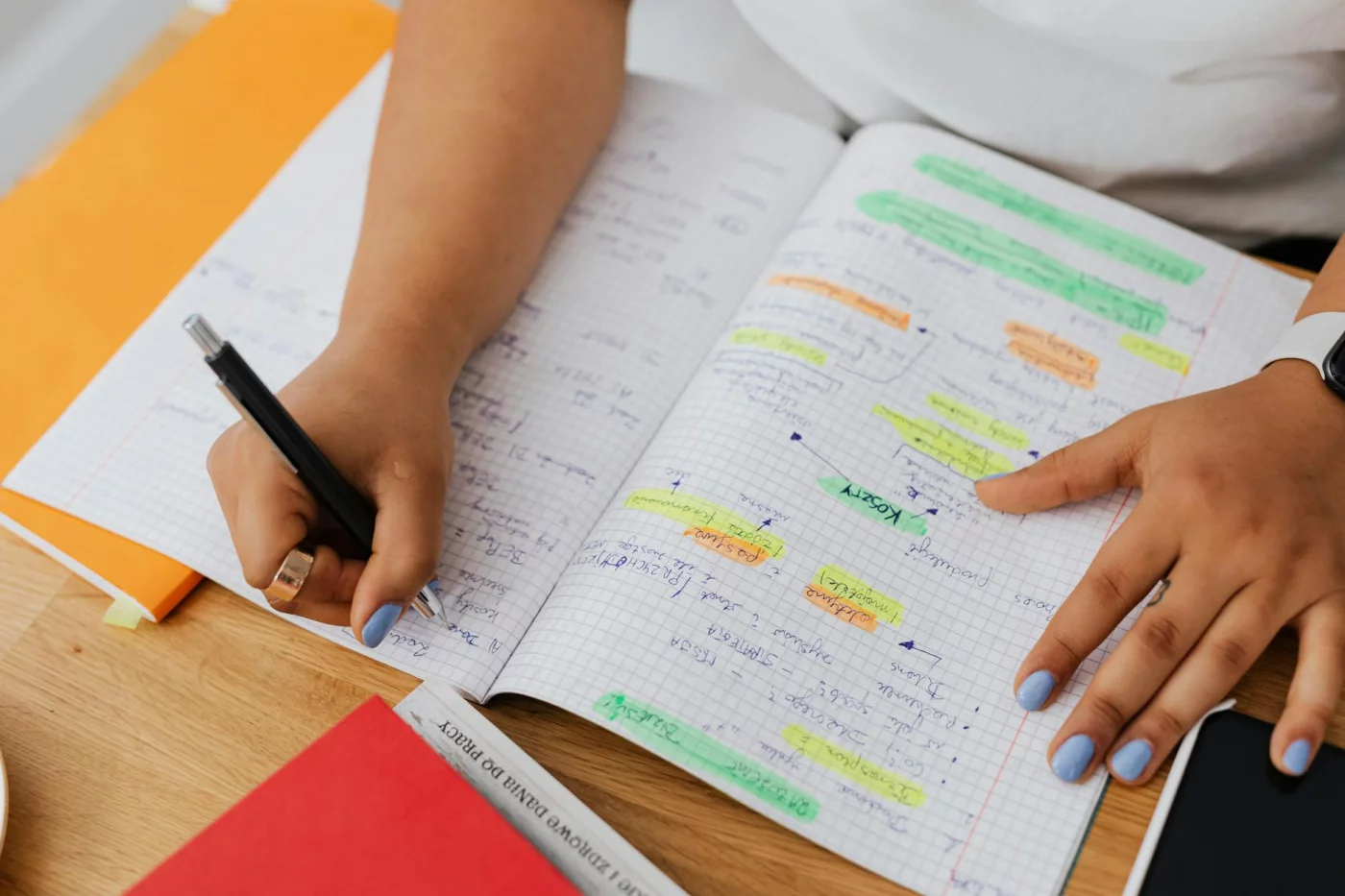
Reward prediction error means the gap between what you expected and what actually happened. Better than expected? Dopamine activity tends to rise. Worse than expected? It tends to dip, which helps your brain revise future choices.
Example: you expect 6/10 on a quiz, but after using retrieval practice you score 9/10. Your brain updates the value of that method: “Do that again.” This is one way NCBI’s overview of dopamine and reward pathways helps explain how dopamine affects motivation and learning.
- Expected result: 6/10
- Actual result: 9/10
- Brain update: retrieval practice seems worth repeating
Why feedback changes what sticks
Does dopamine improve learning and memory by itself? Not exactly. It doesn’t store memories on its own, but evidence suggests it helps prioritize what gets strengthened after meaningful practice, attention, and feedback—especially in systems involving the hippocampus and prefrontal cortex, which you can read about in what controls memory and concentration.
A student reviewing flashcards with immediate scoring gets usable information fast. A knowledge worker doing a 25-minute writing sprint with a visible word-count bar and a quick checklist gets the same thing: feedback the brain can learn from. Speaking of which—spaced repetition works partly because each recall attempt creates update-worthy signals; for the after-effects, see memory consolidation explained.
Why novelty and salience matter
Novelty helps when it highlights signal, not when it turns your session into chaos. A new example, surprising question, or changed practice format can sharpen attention; ten open tabs usually just scatter it.
And emotionally salient events often get remembered better because surprise and meaning tell the brain, “This matters.” For a broader research summary, Nature Reviews Neuroscience on dopamine and reward learning is a strong background source. Which brings us to the next problem: what happens when that updating system gets drowned out and focus breaks down?
Why focus breaks down
If dopamine and learning and memory are connected, focus is where you feel that connection in real time. And when starting feels weirdly hard, it often looks less like laziness and more like executive dysfunction vs procrastination.
The prefrontal cortex and attention
Your prefrontal cortex helps you keep the goal active, block distractions, and hold the next step in mind. If you’ve wondered how does dopamine affect focus, this is a big part of the answer: dopamine helps this system tune attention and support working memory, especially during effortful tasks.
Sleep loss, stress, and mental overload weaken that top-down control. Research on the prefrontal cortex and executive control helps explain why tired brains drift toward whatever is easiest, not whatever matters most. If you want the brain-side basics, this guide on what controls memory and concentration connects attention regulation to learning more directly.
Why low drive and distraction can coexist
This is the part most people get wrong. You can feel unmotivated and distractible at the same time because hard tasks have delayed rewards, while your phone offers instant cues, novelty, and feedback.
Opening a textbook feels costly; checking notifications feels immediately rewarding. In plain English, executive function is the set of mental skills that helps you start, plan, stay on track, and resist those pulls. From experience, after analyzing how learners use study tools, visible next actions and immediate feedback reduce drop-off more reliably than motivational slogans. That’s also why dopamine for focus and learning matters for practice: feedback helps tag information as worth updating, which links to memory consolidation explained.
When it may be more than procrastination
Sometimes the pattern is persistent enough to deserve a closer look. Dopamine and learning and memory can be affected by sleep debt, anxiety, irregular routines, and ADHD-like attention regulation problems, but those causes aren’t interchangeable.
- Problems have lasted months or years across school, work, or home
- Task initiation is consistently hard, even for important goals
- Attention and effort feel highly inconsistent day to day
- Sleep issues, mood symptoms, or high anxiety are also present
This is educational, not medical advice. If that pattern is persistent and impairing, consult a qualified clinician; the National Institute of Mental Health overview of ADHD is a solid place to start. And if you want to build a better study system now, FreeBrain’s articles on procrastination and attention can help. Which brings us to practical fixes: 7 ways to support dopamine naturally.
7 ways to support dopamine naturally
If focus keeps breaking down, the issue often looks like laziness when it’s really task-starting friction. That’s why understanding executive dysfunction vs procrastination matters before you chase hacks.
For dopamine and learning and memory, think less “pleasure chemical” and more effort, salience, and follow-through. Sleep and exercise have stronger support; novelty tricks and reward design can help, but they’re more context-dependent.
Step 1-3: Sleep, movement, visible wins
How to support dopamine naturally
- Step 1: Keep a steady wake time and get outside light within 30–60 minutes. Why? Poor sleep weakens alertness, attention, and effort regulation; evidence here is strong, and the prefrontal systems behind what controls memory and concentration don’t work well when you’re underslept. Example: wake at 7:00, get 10 minutes of daylight, then study at 8:00.
- Step 2: Use a 10–20 minute brisk walk or short workout before deep work. It may raise arousal and focus, not magically fix motivation; evidence is fairly strong. Example: walk around campus, then start your hardest reading block.
- Step 3: Break work into visible wins. Checklists, tiny milestones, and progress bars make effort feel worth continuing; evidence is moderate. Example: “outline, 3 flashcards, 1 ugly paragraph.”
Step 4-5: Novelty and regular meals
- Step 4: Add novelty without chaos: change location, examples, or question format, but keep the core task stable. Novelty can increase salience—part of why why emotional events stick overlaps with memory tagging—though evidence is mixed.
- Step 5: Eat regular meals with enough protein. Basic nutrition supports brain function and steadier energy; evidence is common-sense strong, but supplement stacks are mostly hype. Example: yogurt and fruit before a 2-hour study block instead of skipping lunch.
Step 6-7: Friction, rewards, and screens
Step 6: reduce friction and cue the first action. Open the document, set a 25-minute timer, and write one bad sentence; if you need ideas, pair this with habit stacking examples so the start becomes automatic.
Step 7: use rewards and screens carefully. Delay TikTok, games, or inbox checks until after the work block, because high-reward cues can hijack attention; research on dopamine pathways from the NCBI overview of dopamine helps explain why. For dopamine and learning and memory, feedback after effort works better than stimulation before effort.
Next, I’ll show you the mistakes and myths that derail these habits—and how to turn this into a routine you’ll actually keep.
Mistakes, myths, and your next routine
Natural support helps most when you stop chasing shortcuts. And this is where dopamine and learning and memory usually get misunderstood.
What to avoid
The biggest mistake? Treating dopamine like a toxin you can flush out. The dopamine detox for focus myth gets one thing right and one thing wrong: you can’t literally “detox” dopamine, but you can reduce cue overload, compulsive checking, and high-reward interruptions so harder tasks have a fair shot. If task-starting is your main problem, it may help to understand executive dysfunction vs procrastination before blaming yourself.
And no, more stimulation doesn’t automatically mean better focus. Dopamine myths often reduce it to a “pleasure chemical,” when it’s more tied to motivation, salience, and goal-directed behavior. Sustainable regulation beats chasing spikes from energy drinks, endless novelty, or all-or-nothing routines every time.
Real-world application
- Student: Set a 25-minute timer, open one retrieval task, answer from memory, check immediately, then take a 5-minute reward break.
- Knowledge worker: Do a 45–60 minute deep work block, define one deliverable first, use a checklist for feedback, then break only after completion.
Why does this work? Because dopamine and learning and memory improve when effort, feedback, and reward are linked closely enough for habit formation to stick.
Quick reference and next steps
📋 Quick Reference
- What dopamine does: helps assign importance, drive action, and reinforce learning through feedback.
- What helps most: sleep, exercise, protein-rich meals, cue control, and feedback-rich practice.
- What to avoid: “detox” hype, magic hacks, constant phone checking, and overstimulation.
- When to seek help: if attention problems are persistent, impairing, or tied to mood, sleep, or ADHD concerns, consult a qualified professional.
Your next move is simple: pick two habits this week, redesign one friction point, and use feedback-rich study methods. Speaking of which — if phone cues keep hijacking study motivation, our related guides on distraction, spaced repetition tools, and study environment design are the right next stop before the FAQ.
Frequently Asked Questions
What is the role of dopamine in motivation and learning?
What is the role of dopamine in motivation and learning? In simple terms, dopamine helps your brain assign value to effort, notice useful cues, and update behavior after feedback. It doesn’t work like a basic on-off motivation switch. Instead, it helps you predict what matters, stay engaged long enough to act, and learn whether your strategy worked so you can adjust the next time.

How does dopamine affect focus?
How does dopamine affect focus? It plays a part in attention regulation, task initiation, and working memory, which is the mental space you use to hold and manipulate information for a few seconds. But wait — dopamine isn’t the whole story. Sleep loss, stress, noise, and constant phone interruptions can wreck focus even when your brain’s reward systems are working normally, which is why your study setup matters so much.
Does dopamine improve learning and memory?
Does dopamine improve learning and memory? Evidence suggests it helps mark important information and supports learning from feedback, especially when something is surprising, rewarding, or clearly relevant to your goals. But dopamine and learning and memory aren’t a one-chemical system. Long-term memory also depends on repetition, retrieval practice, sleep, and consolidation after you study.
How can students support dopamine naturally?
How can students support dopamine naturally? Start with practical basics: consistent sleep timing, regular exercise, visible progress on tasks, steady meals, and less phone friction during study blocks. Three habits matter most for most students: sleep on time, move daily, and make progress visible. If you want a structured way to reduce distractions while studying, try FreeBrain’s focus tools and planners at FreeBrain.
What habits increase dopamine naturally for focus?
What habits increase dopamine naturally for focus? The best-supported habits aren’t flashy: consistent sleep, morning light exposure, daily movement, and behavior design that makes starting easier. Personally, I think this is the part most people get wrong — the goal isn’t to chase constant stimulation, but to improve regulation so your brain can engage with boring-but-important work. That means fewer novelty spikes, more stable routines.
Is dopamine really the pleasure chemical?
Is dopamine really the pleasure chemical? No, that’s too simplistic. Research suggests dopamine is deeply involved in motivation, salience, anticipation, and learning from outcomes, not just pleasure itself. If you want a solid overview of how dopamine works in the brain, the NCBI Bookshelf overview of dopamine is a useful starting point.
Does sleep affect dopamine and focus?
Does sleep affect dopamine and focus? Yes — poor sleep lowers alertness, weakens attention control, and makes it harder to sustain effort on demanding tasks. And here’s the kicker — that makes dopamine and learning and memory harder to support in real life, because even good study methods work worse when you’re underslept. Better sleep timing and morning light exposure can improve study readiness, but if sleep problems are persistent or severe, consult a qualified healthcare professional.
Is dopamine detox good for focus?
Is dopamine detox good for focus? Not in the literal sense, because there’s no scientific “detox” that flushes dopamine out of your brain. Still, reducing cue overload, compulsive checking, and constant novelty can absolutely help focus by lowering distraction pressure. A better way to think about it? You’re not detoxing a neurotransmitter — you’re redesigning your environment so your attention gets pulled around less.
Conclusion
If you want better focus and more consistent study sessions, keep it simple. Protect your sleep, use shorter work blocks with clear finish lines, reduce constant novelty from your phone, and give your brain more frequent “I finished it” moments through active recall and small wins. That’s the practical core of dopamine and learning and memory: not chasing endless stimulation, but setting up conditions where effort feels doable and progress feels visible. And yes, this is the part most people get wrong — they try to force motivation instead of building it.
But wait. You do not need a perfect routine to make this work. You just need a repeatable one. If your focus has felt scattered lately, that does not mean you are lazy or broken. It usually means your environment, energy, and reward loops are working against you. Start with one habit today. Then stack the next. Personally, I think that is how real momentum starts — quietly, then all at once.
Which brings us to your next step: keep learning, then test what works for your brain. You can explore more evidence-based strategies on FreeBrain.net, including how to focus while studying and active recall study method. If you want to understand dopamine and learning and memory in a way that actually changes your daily routine, do not stop at reading. Pick one habit, use it in your next study session, and make your system easier to follow today.