Yes — mindfulness exercises for anxiety can still work even if sitting still makes you more agitated. Mindfulness isn’t about forcing your body to be quiet; it’s about noticing what’s happening right now and gently returning your attention, whether you’re pacing, fidgeting, walking, or tapping your foot.
If you’ve ever tried to meditate and ended up more aware of your racing thoughts, itchy skin, tight chest, or urge to bolt, you’re not doing it wrong. Anxiety, ADHD, autism, sensory overload, and plain old physical restlessness can make traditional seated practice feel unbearable, which is exactly why tools like the 5-4-3-2-1 grounding guide or simple breathing exercises for beginners often work better as a starting point.
And here’s the part most people miss: movement can be a valid entry point, not a backup plan. Research on mindfulness-based approaches has found benefits for stress and anxiety across different formats, and the American Psychological Association’s overview of mindfulness and meditation notes that these practices are about awareness and attention training, not perfect stillness. So why do so many people assume they’ve failed if they can’t sit cross-legged for ten minutes?
This article will show you what to do instead. You’ll get practical, neurodivergent-friendly mindfulness exercises for anxiety you can use while working, commuting, doing chores, or trying to calm down in a high-anxiety moment — plus clear answers to questions like why you get anxious when you sit still, what to do when mindfulness doesn’t work, and how walking-based practices compare with seated meditation.
Personally, I think this matters because a lot of advice on meditation quietly assumes your nervous system likes stillness. As a software engineer who built FreeBrain tools for self-learners, I kept seeing the same pattern in my own experiments: for many people, especially restless brains, movement-based attention practice is simply more usable than the classic “sit there and clear your mind” script. And yes, that changes everything.
📑 Table of Contents
When sitting still makes anxiety worse
If the introduction sounded good in theory but seated meditation makes you feel jumpier, that doesn’t mean mindfulness isn’t for you. Mindfulness exercises for anxiety can still help, because the core skill is training attention on purpose, not forcing your body to stay perfectly still. For the full roadmap on stress and sleep, our stress and sleep guide is the best next step.
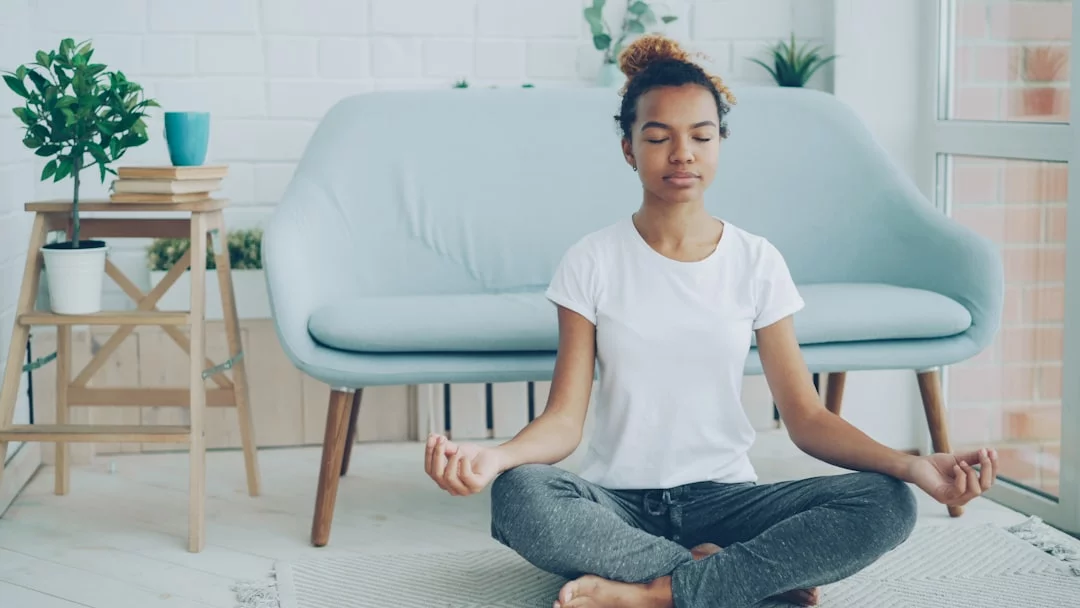
So here’s the deal. Movement-based mindfulness means noticing your breath, muscles, senses, or surroundings while walking, stretching, fidgeting, or doing a simple task. If breath focus feels OK, start with these breathing exercises for beginners; if turning inward feels too intense, sensory grounding like this 5-4-3-2-1 grounding guide is often easier.
Mindfulness is attention, not perfect stillness
What is mindfulness for people who can’t sit still? It’s active meditation: returning attention to one chosen anchor, even for 30 to 60 seconds, while your body keeps moving.
- Notice 3 things you see
- Slow 1 exhale
- Take 10 deliberate steps
From building FreeBrain tools, I noticed restless learners stuck with this far more than classic seated practice.
Why stillness can feel activating
Why do I get anxiety when I sit still? Often because less outside input makes internal noise louder: racing thoughts, tight shoulders, a pounding heartbeat, or the urge to move. And yes, anxiety can make you not sit still.
A student before an exam, a commuter on a crowded train, or a professional after back-to-back meetings may already be running “hot.” Balanced guidance from NCCIH on meditation and mindfulness safety and Mayo Clinic’s overview of meditation notes that these practices may help stress regulation, but some people feel more activated when they turn inward.
Who may need modified approaches
Well, actually, this matters a lot for ADHD, autism, sensory sensitivity, and high baseline arousal. Some people focus better with light movement, tactile input, or eyes-open practice, and body scans aren’t the only valid option.
From experience, many learners do better when the first goal isn’t calm but orientation. This section is educational, not medical advice; if mindfulness exercises for anxiety trigger panic, trauma symptoms, or worsening distress, talk with a licensed clinician. Next, I’ll show movement-based options that fit real life.
Mindfulness exercises for anxiety that move
If sitting still ramps you up, don’t force it. The best mindfulness exercises for anxiety often match your state: movement for trapped energy, grounding for spiraling thoughts, and breathwork for a revved-up nervous system.
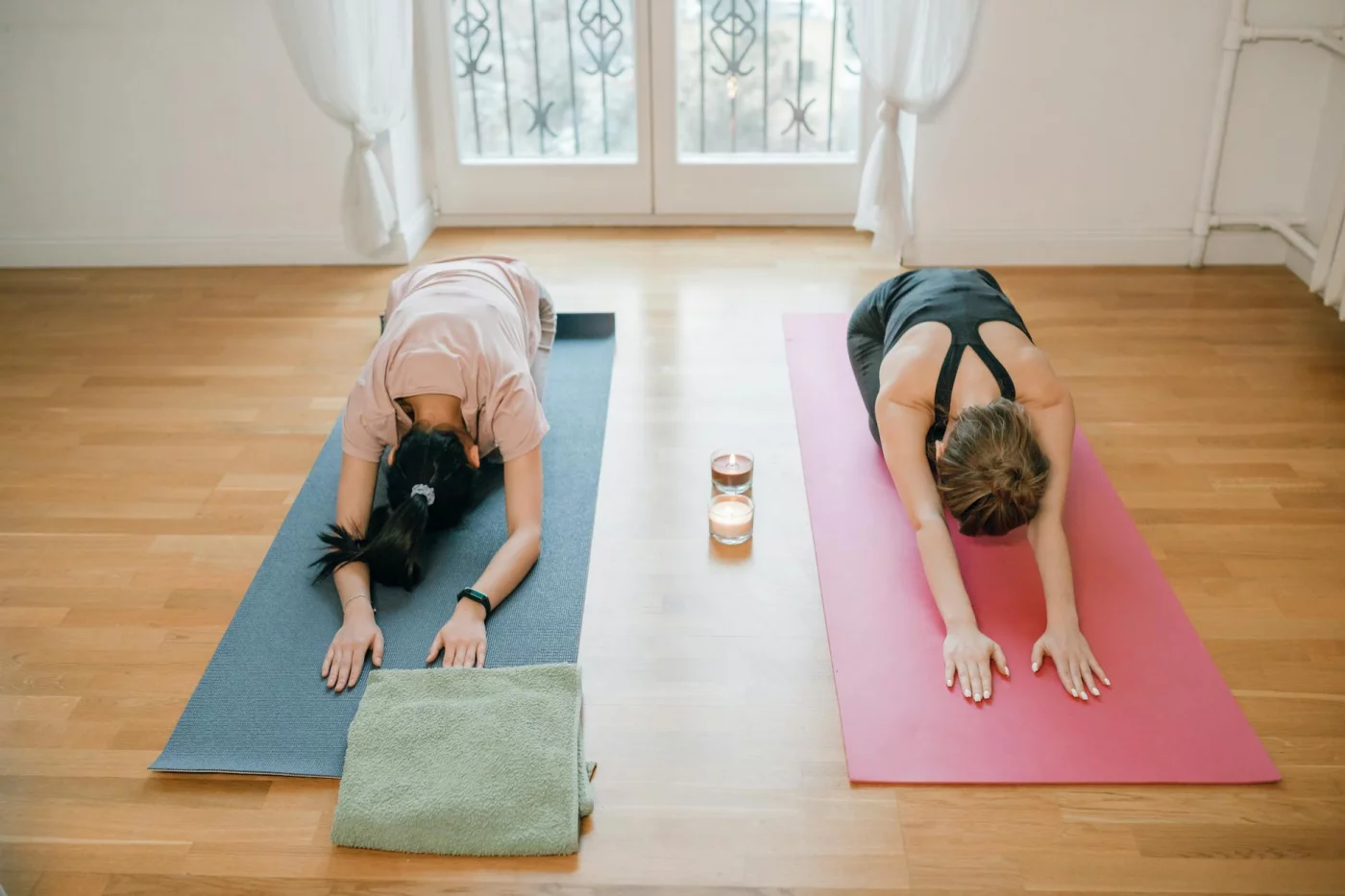
If breath-based tools help, start with these breathing exercises for beginners. And if breath focus makes you more anxious, switch fast to this 5-4-3-2-1 grounding guide instead.
A quick comparison: which practice fits when?
Thing is, the best method depends on the problem in front of you. Is it excess energy, shallow breathing, sensory overload, or a thought spiral?
| Practice | Best for | Time | Energy level | Good in public? | Common barrier |
|---|---|---|---|---|---|
| Walking meditation | Trapped energy | 1-3 min | High | Yes | Feeling self-conscious |
| Mindful stretching | Body tension | 60 sec | Medium | Mostly | Forgetting to slow down |
| Fidget + breath | ADHD-style restlessness | 30-90 sec | Medium-high | Yes | Over-focusing on breath |
| 5-4-3-2-1 grounding | Spiraling thoughts | 90 sec | Any | Yes | Rushing the senses |
| Box or paced breathing | Physiological activation | 4 rounds | Medium | Yes | Breath holds feel bad |
Walking meditation usually beats sitting meditation when your body feels buzzy. Research summaries from the American Psychological Association on meditation and mindfulness note that mindfulness can reduce stress, but the format matters.
5 movement-friendly practices to try
How to start fast
- Step 1: Walking meditation for anxiety: take a 2-minute hallway walk, notice 10 steps, feel heel-to-toe contact, name 3 sights and 3 sounds, then restart when your mind drifts.
- Step 2: Mindful stretching: inhale as you lift your shoulders, exhale as you drop them. Repeat 5 times. Great as a 60-second desk reset after screen-heavy work.
- Step 3: Fidget + breath: hold a pen, stone, or sleeve edge and tap thumb to each finger while counting breaths 1 to 5. This is one of the more fidget-friendly mindfulness exercises for restless brains.
- Step 4: Use the 5 4 3 2 1 grounding technique while waiting in line: 5 things you see, 4 feel, 3 hear, 2 smell, 1 taste. Well, actually, this is often easier than breath focus during an anxiety spike.
- Step 5: Try box breathing for 4 rounds: inhale 4, hold 4, exhale 4, hold 4. If holds feel rough, use paced breathing instead: inhale 4, exhale 6.
- Choose walking when you feel trapped energy.
- Choose grounding when thoughts are spiraling.
- Choose stretching when your body is tight.
- Choose paced breathing when your chest feels shallow or fast.
Common mistakes and what to avoid
Don’t start with 10 to 20 minutes if 60 seconds already feels hard. And don’t assume closed eyes are better; eyes-open practice is often safer and more tolerable in public.
But wait. If focusing on breathing makes panic worse, stop using breath as the anchor and switch to sensory grounding or movement. Box breathing is more structured, while slower-exhale breathing is usually gentler for people who dislike holds.
And don’t judge success by instant calm. A better test is this: are you even 5% more oriented, less reactive, or more able to do the next right thing? Which brings us to using these tools in real life this week.
Use it in real life this week
If the moving practices from the last section felt more doable, good. That’s usually the point of mindfulness exercises for anxiety: make them small enough that you’ll actually use them under real pressure.
Real-World Application: work, commuting, chores
At your desk, take 60 seconds: feet flat, jaw loose, exhale a bit longer than you inhale, then notice 3 contact points. Between tasks, do a 1–2 minute hallway walk and track steps plus 2 visual landmarks. During chores, use dishwashing or folding as an anchor by noticing temperature, texture, and rhythm.
In public, skip obvious meditation. Use hand pressure, visual scanning, and silent counting instead; if you need a fast script, try this guide for grounding in public anxiety. And yes, walking meditation vs sitting meditation depends on context: walking often fits high-energy transitions, while sitting works better in quieter, lower-activation moments.
How to start with one tiny routine
- Pick one anchor: feet, steps, breath, or touch.
- Pick one setting: desk, commute, sink, hallway.
- Pick one duration: 60–120 seconds.
- Pick one cue: after a study block, before email, or when your shoulders tense.
Example: after every 25-minute focus block, stand up, take 10 mindful steps, and do 3 slower exhales. If mindfulness doesn’t work, scale down, keep your eyes open, switch anchors, or move to external sensory cues.
Quick Reference: choose by your state
📋 Quick Reference
- Too keyed up → walk
- Too scattered → fidget + count
- Spiraling in public → 5-4-3-2-1
- Chest tight, shallow breathing → paced exhale
- Stiff and wired → stretch
Short mindfulness exercises done daily beat occasional 20-minute sessions. Which brings us to the last thing people usually ask: what works best, and what should you try next?
Frequently Asked Questions
How do you meditate if you can’t sit still?
If you’re wondering how to meditate if you can’t sit still, don’t force seated stillness. Use movement-based anchors instead: walk slowly, do gentle stretches, or count breaths while tapping your fingers or holding a fidget. Start with just 30 to 90 seconds, keep your eyes open, and lock onto one simple cue like footsteps or finger taps. Mindfulness isn’t about being motionless; it’s about noticing when your attention drifts and bringing it back on purpose.
Why do I get anxiety when I sit still?
If you’ve asked why do i get anxiety when i sit still, the short answer is that stillness can make internal sensations feel louder. When outside input drops, worry, muscle tension, a fast heartbeat, or racing thoughts may become more noticeable, especially if anxiety, hyperarousal, ADHD traits, sensory sensitivity, or stress overload are already in the picture. In that case, inward-focused mindfulness exercises for anxiety may feel too intense at first, so try external grounding, walking, or naming objects around you before shifting attention inward.
What should I do when mindfulness doesn’t work?
If you’re stuck on what to do when mindfulness doesn’t work, scale the practice down before giving up on it. Shorten it to 20 to 60 seconds, keep your eyes open, or switch your anchor from breath to something more concrete like sights, sounds, or physical contact with the floor; if you feel trapped energy, try movement, if your thoughts are spiraling, try grounding, and if your breathing is shallow, try slow paced breathing. And if mindfulness exercises for anxiety repeatedly make you feel worse instead of steadier, pause and talk it through with a qualified mental health professional.
Is walking meditation as effective as sitting meditation?
The answer to is walking meditation as effective as sitting meditation is: for some people, yes. Walking meditation can be just as useful when restlessness, high energy, or stress makes sitting feel like a battle, while seated practice may fit better when you want longer, quieter attention. The better option depends on your goal, your energy level, and whether internal or external anchors feel safer, so this is really a fit question, not a winner-takes-all contest. If you want more movement-friendly options, FreeBrain’s mindfulness and focus tools can help you test what feels sustainable.
What is the 5-4-3-2-1 meditation technique?
What is the 5 4 3 2 1 meditation technique? It’s a grounding exercise where you name 5 things you see, 4 you feel, 3 you hear, 2 you smell, and 1 you taste. That sequence pulls attention outward and can interrupt spiraling thoughts, which is why it’s one of the most practical mindfulness exercises for anxiety when your mind feels noisy. It also works well in public because you can do it silently, and organizations like the National Institute of Mental Health describe grounding-style skills as useful ways to manage intense stress in the moment.
What are the best mindfulness exercises for ADHD adults?
If you’re searching for what are the best mindfulness exercises for adhd adults, start with methods that allow light movement or tactile input instead of demanding perfect stillness. Good options include walking meditation, fidget-assisted breath counting, short grounding scans, and mindful stretching, especially when you keep sessions brief and attach them to routines like work breaks, commute transitions, or study intervals. Personally, I think the best method is the one you can repeat without dread, because consistency beats the “ideal” practice you keep avoiding.
Conclusion
If sitting still ramps up your stress, you don’t need to force it. The most useful shift is this: pick mindfulness exercises for anxiety that match your nervous system instead of fighting it. That means trying walking attention drills, grounding through touch, pairing slow breathing with movement, and using short “in-the-moment” resets during daily life—while you’re pacing, washing dishes, or waiting in line. Three things matter most: keep it brief, make it physical, and repeat it often enough that your brain starts to recognize the pattern.
And honestly, that’s good news. You don’t need to become a perfectly calm person who can sit cross-legged for 20 minutes before this starts helping. You just need a method you’ll actually use. Some days that might be a 60-second breathing walk. Other days it might be naming five things you can feel while your body keeps moving. Small counts. Consistency counts more. If anxiety has made traditional meditation feel like a bad fit, that doesn’t mean mindfulness isn’t for you—it just means you need a version that moves with you, not against you.
If you want to keep building a calmer, more workable study and stress routine, explore more on FreeBrain.net. A good next step is How to Focus When Anxious, then follow it with Breathing Exercises for Students for more practical tools you can use right away. Try one of these mindfulness exercises for anxiety today, test it in a real moment of stress, and keep the one that helps you stay present enough to move forward.