
No — sharing notes isn’t automatically misconduct. If you’re wondering is sharing notes academic misconduct, the honest answer is: sometimes, but only in specific situations. It can cross a line when a course policy bans it, when shared notes replace required attendance or your own work, or when they include protected accommodation materials, exam content, or copyrighted slides.
And that’s why this gets messy fast. You miss one lecture, a classmate sends their notes, and suddenly you’re asking: should I share my notes with others, or am I stepping into a policy problem I didn’t even know existed? In work settings, the question shifts but doesn’t disappear — shared meeting notes can save time, yet personal notes often do a better job supporting recall because writing in your own words helps learning, which lines up with research on note-taking and learning from the National Center for Biotechnology Information.
So here’s the deal. This article compares shared vs personal note taking for students and professionals across the stuff that actually matters: memory, speed, accountability, privacy, ownership, and policy risk. You’ll see when collaborative notes help, when personal notes are better for retention, how tools like Google Docs or Notion change the tradeoffs, and why note-taking should support active learning rather than just collecting information — which is exactly why our guide to scientifically proven study techniques matters here.
You’ll also get a practical framework, not a moral lecture. We’ll answer is sharing notes academic misconduct in plain English, show where the real red flags are, and map out a hybrid system that keeps the coordination benefits of shared notes without losing the encoding benefits of personal ones. Speaking of which — if you’ve ever felt that copying someone else’s notes made you “study” without really remembering anything, that’s tied to attention and working memory, not laziness.
I’m a software engineer, not a neuroscientist, and I built FreeBrain after running into these problems myself while learning technical subjects. After testing personal, shared, and hybrid note systems in both study and work settings, I think most people don’t need a one-size-fits-all rule. They need a better decision framework.
📑 Table of Contents
- Quick answer: is sharing notes academic misconduct?
- Shared vs personal notes at a glance
- How notes affect memory and learning
- Students and teams: what works in real life
- Build a hybrid system that actually works
- Mistakes to avoid and quick reference
- Frequently Asked Questions
- Is sharing notes academic misconduct in college?
- Should I share my notes with classmates?
- Am I selfish for not sharing notes with classmates?
- Do shared notes improve learning?
- Are personal notes better for memory retention?
- How do you organize shared notes for a team?
- What are the two types of note-taking?
- What are the 5 R's of note-taking?
- Conclusion
Quick answer: is sharing notes academic misconduct?
Now that the basics are on the table, here’s the direct answer. Is sharing notes academic misconduct? Often no, sometimes yes, and the deciding factor is usually your course policy, not what strangers online say. For more on learning and study skills, see our learning and study skills guide.
Sharing your own summary of a missed lecture is commonly fine. But uploading a professor’s restricted slides, passing around quiz answers hidden in those slides, sharing graded lab data, or distributing accommodation-provided notes can cross an academic integrity line fast. And if your note-taking is turning into passive collecting instead of learning, these scientifically proven study techniques matter more than another folder full of documents.
The short verdict by situation
So, should I share my notes with classmates? Usually yes for routine lecture notes, especially if someone missed class because of illness, travel, or an emergency. That’s very different from sharing materials that give unfair help on assignments meant to be completed alone.
- Missed lecture notes: Usually acceptable if you’re sharing your own summary or outline.
- Collaborative study guides: Often allowed, but only if the instructor permits collaboration.
- Seminar notes: Riskier when class discussion includes sensitive, copyrighted, or participation-based material.
- Lab notebooks and results: Often restricted because data integrity and authorship matter.
- Take-home exam prep: High risk if note-sharing becomes answer-sharing or unauthorized teamwork.
- Workplace notes: Usually governed by confidentiality, ownership, and team documentation rules.
Accommodation-based notes need extra care. Many schools treat disability-related note access as protected support, not something to redistribute, and that’s one reason guidance from the American Psychological Association on disability is worth understanding in broad terms.
Why policy beats internet advice
This is the part most people get wrong. Whether is sharing notes academic misconduct in college depends on the syllabus, student handbook, disability services rules, instructor emails, and sometimes copyright law.
One professor may welcome a shared Google Doc after class. Another may treat the same document as unauthorized assistance if it substitutes for attendance, participation, or individual analysis. Rules also vary by school, profession, and country, and honor-code systems often define collaboration more strictly than students expect.
If stress or overload is making you depend too heavily on borrowed notes, check your course rules first, then look at how attention and working memory affect what you actually retain. And for a broad reference point on academic norms, Wikipedia’s overview of academic integrity summarizes the core idea: fair, honest, properly authorized work.
What this article will help you decide
OK wait, let me back up. The real question isn’t just “Can I share?” It’s “When should I rely on personal notes, shared notes, or a hybrid system?”
Personal notes usually improve encoding and recall because you’re selecting, organizing, and rewording ideas yourself. Shared notes help with coverage, coordination, accountability, and async teamwork, while hybrid systems often give you the best of both. That fits what we know about review and synthesis from memory consolidation explained.
This article will give you a practical framework for school and work: what’s usually safe to share, what needs permission, and what should stay personal. Quick note: this is educational content, not medical advice, and if ongoing stress, attention, or memory problems are affecting your learning, talk with a qualified professional.
Which brings us to the useful comparison: shared notes versus personal notes, side by side.
Shared vs personal notes at a glance
So the quick answer was: usually, no. But if you’re still wondering whether is sharing notes academic misconduct depends on the format, the real question is what the notes are for in the first place.
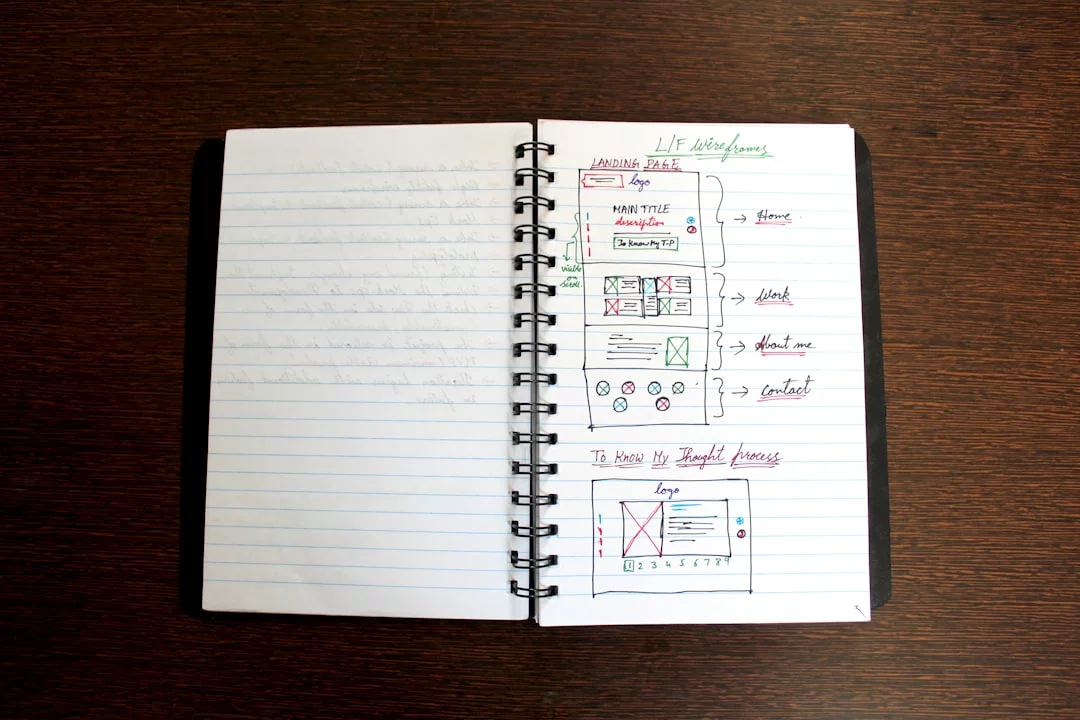
Personally, I think this is where people get tangled up. Notes can support learning, coordination, or both — and the best system changes depending on whether you’re studying solo, working in a group, or trying to keep a team aligned.
📋 Quick Reference
Best default: use personal notes for understanding, then share a cleaned summary when coordination matters. Hybrid systems usually win when you need both retention and teamwork.
A simple comparison table
| Factor | Personal | Shared | Hybrid |
|---|---|---|---|
| Ownership | Clear individual ownership | Collective ownership | Private draft, shared summary |
| Privacy | High | Low to medium | Controlled sharing |
| Retention | Usually strongest | Can be weaker if copied passively | Strong if you summarize first |
| Speed | Slower alone | Fast for coverage | Moderate |
| Accountability | Personal responsibility | Shared responsibility | Best balance |
| Best use case | Lectures, reading, exam prep | Meetings, projects, missed sessions | Classes and teams that need both learning and continuity |
| Biggest risk | Gaps if you miss something | Shallow processing | Extra workflow complexity |
That’s the core of the shared vs personal note taking pros and cons debate. For active learning, your notes should support retrieval and thinking, not just storage — which is why I’d pair any system with scientifically proven study techniques instead of treating note collection as studying.
What personal notes are best at
Personal notes are best for selection, compression, rephrasing, and meaning-making. In a lecture-heavy history class, that might mean turning a 60-minute lecture into five themes, three dates, and two cause-and-effect chains.
Messy is fine. Well, actually, messy is often the point, because your brain learns by choosing what matters and translating it into your own words. Research on attention and working memory helps explain why: when you process and reduce information, you lower overload and improve recall later.
A physics student is a good counterexample. In a problem-solving course, private notes might include failed attempts, diagrams, shortcuts, and “don’t make this sign error again” reminders. That’s useful for you, but not always ready for classmates.
What shared notes are best at
Shared notes are strongest for continuity, coordination, and team memory. A project team in Google Docs can track decisions, deadlines, and open questions in real time, while a remote team using Notion can build async documentation that survives missed meetings and staff handoffs.
And here’s the kicker — collaborative note taking vs individual note taking isn’t really a winner-take-all choice. Shared systems shine in work meetings, action-item tracking, and team documentation, but they can weaken learning if you only read what others wrote. That’s one reason personal synthesis supports memory consolidation explained in practical terms.
Evidence on note-taking and learning, including findings summarized in the APA’s coverage of note-taking research, suggests that generative note-taking tends to help more than verbatim copying. And for background on how external systems support group memory, Wikipedia’s overview of collaborative writing is a useful starting point.
When not sharing is reasonable
If you’re asking, “am I selfish for not sharing notes?” — usually, no. Boundaries aren’t selfish when your raw notes contain private interpretations, half-formed ideas, personal reminders, or policy-restricted material.
- Ask before re-sharing someone else’s notes.
- Credit contributors.
- Don’t dump raw notes without context.
- Avoid sharing restricted, confidential, or personal information.
A simple script helps: “I can share a cleaned summary, but not my raw notes.” That answer is fair in class, and it’s even more important at work where ownership, privacy, and version control matter. Which brings us to the next question: how do these different note systems change what you actually remember?
How notes affect memory and learning
The quick comparison is useful, but memory is where the real difference shows up. If you’re wondering whether is sharing notes academic misconduct matters only as a policy question, well, actually, the bigger issue for most students is whether shared notes help you learn as well as making your own.
As a rule, note-taking should support thinking, not just storage. That’s why strong systems usually pair notes with scientifically proven study techniques like retrieval practice and self-testing.
Why making your own notes helps
Personal notes vs shared notes for retention isn’t a close call when first learning new material. When you select what matters, compress a page of explanation into a few lines, and rephrase it in your own words, you’re doing effortful processing — and that tends to improve memory recall later.
Take a simple example. Turning a 20-slide lecture into 6 bullet ideas and 3 questions creates much stronger cues than copying every sentence into Google Docs or OneNote. Why? Because your brain had to decide, organize, and translate.
That fits with the idea behind Mueller and Oppenheimer’s note-taking paper, available through PubMed’s record of the Mueller and Oppenheimer note-taking research. I wouldn’t overstate it as “handwriting always wins,” because context matters, but the paper does support a useful point: deeper processing seems to help conceptual learning more than verbatim capture.
Where shared notes help and where they don’t
Do shared notes improve learning? Yes, for coverage, review, and gap-filling. No, if you confuse access with understanding.
- Shared notes help when you missed a detail, class segment, or meeting decision.
- They reduce coordination costs in teams and make async work smoother.
- But they don’t replace the mental work that builds durable knowledge.
This is the part most people get wrong. Collaborative note taking vs individual note taking isn’t either-or; shared notes are best as support material, not your only learning method.
Working memory, overload, and review timing
Your brain can only juggle so much at once. If you want the mechanics, FreeBrain’s guide to attention and working memory explains why overloaded working memory leads to shallow encoding and faster forgetting.
And here’s the kicker — short-term traces fade quickly without rehearsal. A 5-10 minute review right after class or a meeting, followed by a brief rewrite, gives the material a better shot at sticking, especially when paired with what we cover in memory consolidation explained. For background, the broader process is also summarized in Wikipedia’s overview of memory consolidation.
What this means in practice
For learning-heavy tasks, personal synthesis comes first. For coordination-heavy tasks, shared summaries matter more.
So, is sharing notes academic misconduct? Sometimes policy decides that. But from a learning standpoint, shared notes are most useful when they help you catch up, then push you back into active recall and your own note-making. Which brings us to what actually works for students and teams in real life.
Students and teams: what works in real life
Memory matters, but context matters just as much. The real answer to “is sharing notes academic misconduct” depends on what kind of class or team you’re in, what the notes contain, and whether sharing supports learning or replaces it.

That’s why note-taking works best when it supports active learning, not passive collecting. If you want the bigger evidence-based picture, start with scientifically proven study techniques and then apply the rules below.
For students: choose by course type
Shared vs personal note taking for students isn’t one decision. It changes by course.
- Lecture-heavy courses: Personal notes first, shared notes second. Your own wording helps encoding and recall, while a classmate’s notes can fill gaps after an absence.
- Problem-solving classes: Don’t let shared notes replace doing the problems yourself. Seeing a finished solution feels efficient, but it often skips the struggle that builds understanding.
- Seminars: Shared notes can track themes, quotes, and open questions, but your private summary should capture what you think the argument means.
- Labs or clinical settings: Be careful. Procedures, patient-related information, restricted datasets, and course integrity rules may limit what you can share.
So, should I share my notes with others? Usually yes for review, logistics, and missed content. But no if the instructor bans it, if the notes include restricted material, or if sharing turns into copying instead of learning.
And if you’re anxious or behind, shared notes can become a crutch. That’s common. But it can also weaken attention and working memory, especially when you stop generating your own summaries; if stress is driving that pattern, these test anxiety study skills may help. This is educational, not medical advice, so talk with a qualified professional if anxiety is affecting daily functioning.
For work: shared notes usually win
At work, shared vs personal note taking for work meetings is simpler: team notes usually win because teams need continuity. A useful meeting record should capture decisions, action items, owners, due dates, and unresolved questions.
Private notes still matter, though. They’re where you track your interpretation, political context, risks to watch, and follow-up questions you don’t want in the public doc.
Personally, I think the best note taking system for work is a shared source of truth in Google Docs, Notion, or OneNote, plus a private layer for judgment. Research on note-taking and learning from the National Library of Medicine also supports the idea that generative processing matters more than mere transcription.
From experience: why hybrid beats purity
After building learning and productivity tools, I keep seeing the same pattern: hybrid systems work because raw capture and final communication do different jobs. One layer is for thinking. The other is for coordination.
In classes, that might mean handwritten or tablet notes during lecture, then a short shared summary later. In 1:1 meetings, it might mean private prep notes first and a shared action list after. And in async project work, collaborative note taking vs individual note taking isn’t either-or; it’s draft privately, publish clearly.
Well, actually, that’s the core of a good hybrid note taking system for students too: personal synthesis helps move ideas toward long-term retention, which is why memory consolidation explained matters here. Which brings us to the practical part: how do you build that hybrid system so it’s easy to keep using?
Build a hybrid system that actually works
What works in real life usually comes down to one rule: personal first, shared second. If you’re wondering, “is sharing notes academic misconduct,” the safer answer is to keep raw thinking private and share only what your class, team, or instructor clearly allows.
Personally, I think most people overcomplicate this. Build one repeatable review habit, then stack it onto your day using these habit stacking examples.
How to build a hybrid note taking system for students and teams
- Step 1: Capture privately in class or meetings.
- Step 2: Summarize the same day into key ideas, questions, and next actions.
- Step 3: Share only the clean layer: decisions, definitions, resources, and action items.
Step 1: Capture for yourself
Use shorthand, symbols, arrows, and messy fragments. The goal is speed, not polish. For classes, take personal notes during the lecture; for meetings, jot your own reactions, risks, and follow-ups.
Step 2: Summarize while it’s fresh
Within 10 minutes, turn raw notes into 3-7 key ideas, unresolved questions, and next steps. That same-day window matters because review and retrieval help strengthen memory. OK wait, let me back up: this is also where “is sharing notes academic misconduct” gets easier to answer, because your summary can be filtered before anything is shared.
Step 3: Share only the right layer
Share outcomes, not everything. Put decisions, definitions, links, deadlines, and study guides in the shared doc. Keep private reflections, sensitive details, and half-formed interpretations out. Name files clearly, assign one owner, and set permissions before people start editing.
Best tool by use case
- Google Docs: best for live shared meeting notes and minutes.
- Notion: best for structured team knowledge bases and project notes.
- OneNote: strong for mixed personal notebooks with optional shared sections.
- Apple Notes: fast private capture on the go.
- Paper-to-digital: ideal if you think better by hand, then scan or summarize later.
Quick rule: shared layer for facts and coordination; private layer for thinking and learning. Next, let’s cover the mistakes that break this system and a quick reference you can actually use.
Mistakes to avoid and quick reference
A hybrid system works only if the rules are clear. This is where most people slip: they share too much, think too little, and then wonder why the notes are messy or risky.

Five mistakes that cause problems fast
- Sharing restricted slides, test banks, lab data, or paid materials.
- Using shared notes as a replacement for class, meetings, or actual effort.
- No owner, no template, and no version naming.
- Posting raw notes with no summary, labels, or action items.
- Ignoring privacy, accommodations, or private reflections.
Personally, I think mistake #2 is the big one. Research on attention and working memory helps explain why copying someone else’s summary rarely builds the same understanding as making your own.
A 60-second decision framework
Ask five questions: What is the goal? Who needs access? Is there policy risk? Is privacy involved? Will sharing improve coordination or weaken learning? If learning is primary, start personal. If coordination is primary, start shared. If both matter, use hybrid.
Quick reference checklist
📋 Quick Reference
Class notes: ask permission and check policy first. Missed class: get notes, then rewrite your own summary. Meetings: assign an owner and clean up before sharing. Labs and group projects: credit contributors, protect restricted data, and use one template. Always respect accommodations and never share copyrighted material.
So, is sharing notes academic misconduct? Sometimes, yes—if policy, privacy, ownership, or restricted content gets ignored. Check the rules, choose the system by context, and build a repeatable workflow. Next, let’s answer the common edge-case questions.
Frequently Asked Questions
Is sharing notes academic misconduct in college?
Usually, no. Is sharing notes academic misconduct in college? Not by default — but it can become a problem if your syllabus bans collaboration, your instructor limits note distribution, or the notes include protected materials like test questions, slides marked confidential, or paid course content. Before you share anything, check three places: the syllabus, your school’s honor code, and any direct guidance from the professor or TA.
Should I share my notes with classmates?
Should I share my notes with classmates? You can if course policy allows it and your notes don’t include restricted content, but a cleaned-up summary is often safer than sending your full raw notes. That version is usually more useful too, because it highlights the main ideas, key terms, and action items instead of every half-finished thought you wrote during class.
Am I selfish for not sharing notes with classmates?
No — am I selfish for not sharing notes with classmates has a pretty simple answer. You’re allowed to set boundaries when your notes are personal, incomplete, hard to interpret, or potentially sensitive under course rules. If you still want to help, offer a short summary, a list of key terms, or a few study questions instead of handing over your entire notebook.
Do shared notes improve learning?
Do shared notes improve learning? They can, especially when they help you catch missed details, compare interpretations, or review a lecture more completely. But wait — they don’t replace the learning benefits of making your own notes, because the act of selecting, rephrasing, and organizing information is part of what helps you understand and remember it; if you want a stronger review process, pairing shared notes with active recall works well, and FreeBrain’s study tools can help structure that practice.
Are personal notes better for memory retention?
For most learners, personal notes vs shared notes for memory retention isn’t really an either-or question, but personal notes often win for long-term recall. Research on learning strategies suggests that generating your own wording and structure supports encoding, understanding, and retrieval, while shared notes work better as support material for checking gaps and reviewing. Personally, I think the best setup is simple: make your own notes first, then use shared notes to compare, clarify, and fill in what you missed.
How do you organize shared notes for a team?
How to organize shared notes for a team comes down to structure, not fancy tools. Use one owner, one template, clear file names, permission rules, and a dedicated action-items section so people know where decisions live and what happens next. Keep meeting outcomes, deadlines, and task assignments in the shared document, but leave private reflections, rough thinking, and personal study notes in your own system.
What are the two types of note-taking?
In this article’s framework, what are the two types of note taking has a practical answer: personal note-taking and shared note-taking. Personal notes help you think, process, and remember, while shared notes help groups coordinate, compare understanding, and keep a common record. Which brings us to the real-world answer — most people do best with a hybrid system because thinking and coordination are different jobs.
What are the 5 R’s of note-taking?
A common version of what are the 5 r’s of note taking is Record, Reduce, Recite, Reflect, and Review. You first capture information, then condense it, say it back in your own words, connect it to bigger ideas, and revisit it over time; Cornell University’s learning support materials use a similar framework, and you can read more at Cornell’s note-taking guide. In a hybrid workflow, your personal notes handle most of the Reduce, Recite, Reflect, and Review work, while shared notes mainly support the Record stage and help you verify what happened in class or in a meeting.
Conclusion
Here’s the practical bottom line: use shared notes for coverage, use personal notes for learning, and always check the course policy before you swap anything. If you’re working with classmates, keep the system clean — compare gaps, clarify confusing points, and then rewrite ideas in your own words instead of studying straight from someone else’s document. And if you’re still wondering, is sharing notes academic misconduct, the answer usually depends on context: the instructor’s rules, how the notes were created, and whether sharing turns into unfair help or unauthorized collaboration.
That might sound a little messy. But honestly, you don’t need a perfect system to make better choices. You just need a clear one. Start small: keep your own master notes, use shared notes only as a backup or cross-check, and avoid anything that feels like shortcutting the actual learning. Personally, I think this is where most students get stuck — not because they’re lazy, but because nobody explains the line clearly. Now you’ve got that line, and you can study with a lot more confidence.
If you want to build a smarter study setup from here, check out more guides on FreeBrain.net, including Active Recall Study Method and Spaced Repetition Guide. Which brings us to the real next step: don’t just collect notes. Turn them into questions, retrieval practice, and review sessions that actually stick. Read the policy, build your hybrid system, and study in a way that’s both effective and above board.