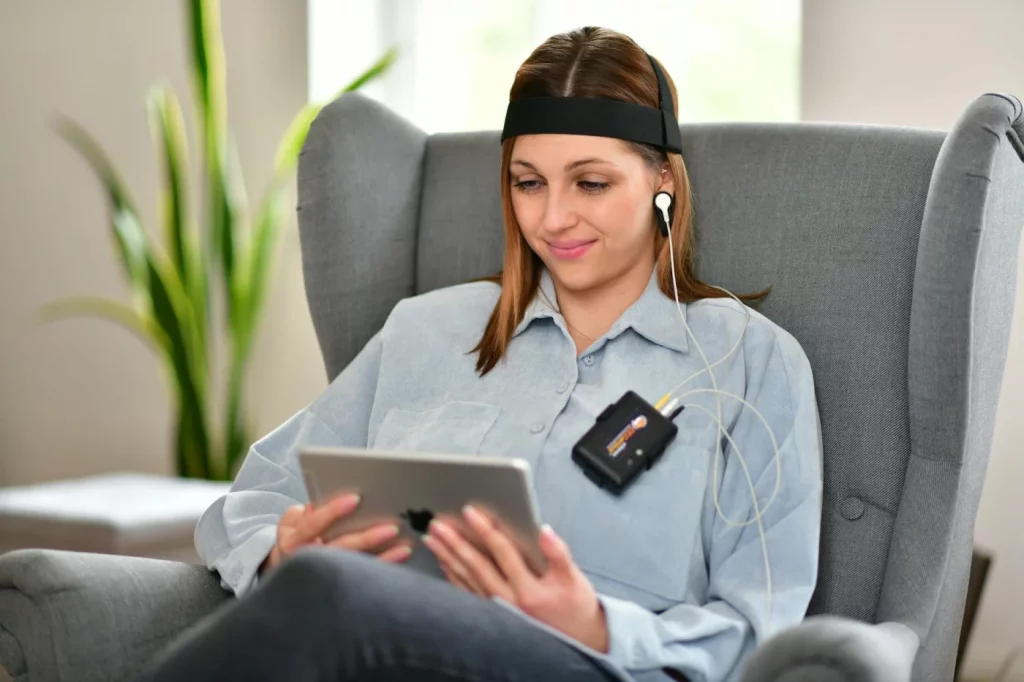
If you’re wondering how are brain waves measured, the short answer is this: usually with EEG, which records the brain’s electrical activity through sensors placed on the scalp. But that’s only part of the picture. Other tools like fMRI, MEG, PET, SPECT, and ECoG measure different signals or indirect signs of brain activity, so the best method depends on what you actually want to know.
Why is this suddenly everywhere? Better wearables, more brain-computer interface research, sleep and focus tracking apps, and wider neuroscience coverage have pushed brain monitoring into the mainstream. And yes, that’s created a lot of confusion too — especially around what tests can really tell you versus what belongs in the category of brain myths debunked.
Maybe you’ve seen a headband that claims to track focus. Or maybe your doctor mentioned an EEG and you thought, wait, what does EEG measure in the brain exactly? Fair question. A lot of people searching how are brain waves measured are really asking three things at once: what signal is being measured, how accurate it is, and whether you can do any of this at home without fooling yourself.
That’s what this guide will clear up. You’ll get a plain-English explanation of electrical versus blood-flow-based brain activity measurement, a practical comparison of EEG, fMRI, MEG, ECoG, PET, and SPECT, and a realistic look at how to measure brain activity at home safely. We’ll also cover what doctors and researchers choose each method for, what “normal eeg waves vs abnormal” actually means, and why people often confuse attention, memory, and arousal signals with broader brain function — something I unpack more in this brain and concentration guide.
I’m a software engineer, not a neuroscientist, and my angle is practical: I build FreeBrain tools and spend a lot of time translating technical research into explanations that are actually useful. For background, established summaries like the NIH’s overview of electroencephalography are helpful because they show exactly what EEG can measure — and what it can’t. This article is educational, not a substitute for medical evaluation, so if you’re dealing with symptoms or test results, talk with a qualified clinician.
📑 Table of Contents
- How are brain waves measured?
- The 7 methods at a glance
- Choose the right test step by step
- EEG, fMRI, and the other major tools
- At-home devices: useful or misleading?
- Quick reference and next steps
- Frequently Asked Questions
- How do you measure brain signals?
- What does EEG measure in the brain?
- What test measures brain waves?
- EEG vs fMRI: which measures brain activity better?
- Can brain activity be measured at home?
- How do scientists measure brain activity in research?
- What is the difference between EEG and MEG for brain signals?
- Can I drive home after an EEG?
- Conclusion
How are brain waves measured?
Now that we’ve defined brain waves, the next question is practical: how are brain waves measured in humans? Most often, they’re measured directly with EEG, which records electrical activity from the scalp. Other tools like fMRI, PET, and SPECT don’t record brain waves directly; they measure indirect signs of brain activity such as blood flow, oxygen use, or metabolism. If you want a grounded explanation of what these tests can and can’t reveal, our brain myths debunked article helps clear up the biggest misconceptions. For more on memory and brain health, see our memory and brain health guide.
I approach this as a software engineer and learning-tool builder translating published neuroscience into plain English, not as a clinician. And one myth to drop early? No single test reads thoughts, measures intelligence directly, or gives a complete picture of your whole brain. If you’re exploring focus, learning, or attention, you may also like FreeBrain’s brain and concentration guide.
This article is educational, not medical advice. If you have seizures, an abnormal EEG, sleep disorder symptoms, blackouts, or other neurological concerns, talk to a neurologist or qualified healthcare professional.
The plain-English answer
Brain waves are patterns of synchronized electrical activity produced by groups of neurons. The most common answer to “what test measures brain waves” is EEG, or electroencephalography, which uses electrodes placed on the scalp to record those signals.
But wait. Doctors and researchers don’t use just one method. Depending on whether they need timing, precise location, metabolism, or surgical-grade detail, they may use EEG, MEG, ECoG, fMRI, PET, or SPECT. If you want the background on the signaling itself, see FreeBrain’s guide on how neurons communicate.
Direct signals vs indirect proxies
This is the distinction most people miss. Direct methods like EEG, MEG, and ECoG track electrical or magnetic signals generated by neural firing, so they can capture changes on the order of milliseconds. That makes them excellent for seizure timing, sleep staging, and fast brain-computer interface research.
Indirect methods are slower but often better at showing where activity happens. fMRI tracks blood-oxygen-level-dependent changes, while PET and SPECT use tracers to estimate metabolism or blood flow; the overview pages on electroencephalography and functional magnetic resonance imaging give a solid starting point.
- EEG: fast timing, lower spatial precision
- fMRI: slower timing, stronger location detail
- PET/SPECT: metabolism or perfusion, not direct electrical waves
What this guide will help you choose
So how do you measure brain signals for the question you actually care about? That depends on whether you need seizure timing, localization before surgery, sleep-stage tracking, research precision, or rough at-home biofeedback from a wearable headband.
Interest is rising for good reasons: consumer EEG devices are more visible, sleep and focus tracking is everywhere, and brain-computer interface research keeps making headlines. Next, I’ll give you the seven main methods at a glance, including what each one measures, how invasive it is, and when it’s actually worth using.
The 7 methods at a glance
Now that you’ve seen the basic answer to how are brain waves measured, here’s the practical comparison most people actually need. And yes, this matters, because a lot of brain myths debunked start when people assume every brain test measures the same thing.
| Method | What it measures | Direct or indirect | Temporal resolution | Spatial resolution | Invasiveness | Typical cost range | Common use cases |
|---|---|---|---|---|---|---|---|
| EEG | Scalp electrical activity | Direct | Excellent: milliseconds | Modest | Noninvasive | Hundreds to low thousands | Seizures, sleep, event-related responses |
| fMRI | Blood oxygen changes | Indirect | Slow: seconds | Strong | Noninvasive | High | Localization, research, mapping function |
| MEG | Magnetic fields from neural currents | Direct | Excellent: milliseconds | Better than EEG in some cases | Noninvasive | Very high | Research, presurgical mapping |
| ECoG | Cortical surface electrical activity | Direct | Excellent | Excellent | Invasive | Clinical/surgical context | Epilepsy surgery planning |
| PET | Metabolism or receptor binding | Indirect | Poor for fast events | Moderate | Tracer injection | High, varies widely | Metabolism, oncology, some neurology questions |
| SPECT | Perfusion/blood flow | Indirect | Poor for fast events | Lower than PET/fMRI | Tracer injection | Variable | Perfusion patterns, selected clinical cases |
| Consumer EEG | Simplified scalp signals | Direct | Fast | Weak | Noninvasive | Low to moderate | Rough feedback only, not diagnosis |
📋 Quick Reference
Best fit, fast version: EEG for timing and seizures, fMRI for “where,” MEG for high-end fast mapping, ECoG for direct cortical recording during clinical care, PET/SPECT for metabolism or perfusion, and consumer EEG for rough self-tracking only.
What each method actually measures
Here’s the core split: some tools record neural signals directly, while others track downstream effects like blood flow or metabolism. That’s why asking how do scientists measure brain activity has more than one valid answer.
EEG records tiny voltage changes at the scalp from synchronized neural activity. MEG records the magnetic fields produced by those currents. ECoG goes one step closer and records electrical activity directly from the brain’s surface.
fMRI is different. It usually measures the BOLD signal, an indirect marker tied to blood oxygenation, as described in functional MRI background information. PET and SPECT also measure proxies, using tracers to study metabolism, receptor binding, or perfusion rather than raw electrical firing.
Consumer EEG headsets use fewer electrodes, pick up more noise, and can’t replace medical testing. People often want these tools to explain focus or memory issues, but that’s a much bigger question covered in our brain and concentration guide.
Speed, detail, invasiveness, and cost
Temporal resolution means “when did activity happen?” Spatial resolution means “where did it happen?” Simple idea, big consequences.
EEG and MEG are excellent for timing. That makes them useful for seizures, sleep stages, and split-second responses to sounds or images. fMRI is slower because blood oxygen changes lag behind neural firing, but it gives much better location detail for mapping language, movement, or tumor-adjacent function.
And here’s the kicker — invasiveness changes everything. ECoG can provide superb brain signal recording, but it’s typically used in surgical settings because electrodes are placed directly on the cortex. For the underlying biology, see how neurons communicate.
- Routine EEG may cost a few hundred to a few thousand dollars depending on country, facility, insurance, and interpretation.
- MEG and fMRI are usually far less accessible.
- PET and SPECT prices vary widely by indication and imaging center.
How to read the comparison table
Don’t ask, “Which method is best?” Ask: best for what goal, in what setting, and with what level of precision? That’s the real answer to eeg vs fmri brain activity comparisons.
If you care about exact timing, EEG often wins. If you care about precise location, fMRI often wins. And if you’re comparing best methods for measuring brain activity overall, the winner changes with the question, which is exactly what clinical guides from the National Institute of Neurological Disorders and Stroke on EEG make clear.
Next, I’ll walk you through how to choose the right test step by step.
Choose the right test step by step
Now that you’ve seen the seven main methods, the next question is simpler: which one fits the job? That’s really what people mean when they ask how are brain waves measured, because the right test depends less on curiosity and more on the exact problem you’re trying to solve.
How to choose a brain measurement method
- Step 1: Define the question as specifically as possible.
- Step 2: Decide whether you need fast timing, precise location, or both.
- Step 3: Match the method to the real-world setting.
- Step 4: Weigh trade-offs like cost, speed, detail, and invasiveness.
- Step 5: Ask whether the result needs expert interpretation or just rough self-tracking.
Step 1: Start with the question
Start here. “Why am I having episodes?” is a clinical question. “Which area activates during a memory task?” is a research question. And “Why can’t I focus?” often isn’t a brainwave question at all — it may be better answered by sleep, stress, or behavior patterns, which is why our brain and concentration guide is often a better first stop.
This is the part most people get wrong. Brain tests don’t read thoughts, and they don’t explain every symptom in isolation; if you want a reality check on what scans can and can’t tell you, see our brain myths debunked article.
Step 2: Pick timing or location
If you need millisecond-by-millisecond timing, EEG or MEG usually wins. If you need stronger localization, fMRI is often more useful because it maps blood-flow changes linked to neural activity, even though that signal is slower. That difference between electrical and hemodynamic signals matters — and it makes more sense once you understand how neurons communicate.
So how do scientists measure brain activity in research? Often by combining tools. A plain-language overview from Wikipedia’s EEG article and the broader National Institute of Mental Health’s brain measurement resources helps show why EEG vs fMRI brain activity questions are really timing-versus-location questions.
Step 3: Match the real-world setting
Setting changes everything. In a clinic or hospital, doctors prioritize safety, access, and whether the result helps diagnosis or treatment planning. In a lab, researchers may pair EEG with fMRI, or use MEG for high-precision work. At home? Consumer EEG can give rough meditation or focus feedback, but it’s not the best way to measure brain activity for diagnosis.
- EEG: best for seizure timing and sleep staging
- fMRI: useful for language or motor localization before surgery
- MEG: strong for presurgical mapping and high-precision research
- Consumer EEG: rough self-tracking only
And that’s the practical answer to how are brain waves measured: first define the goal, then choose the signal type, setting, and level of interpretation needed. Next, we’ll break down EEG, fMRI, and the other major tools one by one.
EEG, fMRI, and the other major tools
Once you’ve matched the question to the test, the next step is knowing what each tool actually captures. That matters because brain myths debunked starts with this basic truth: no scan reads thoughts, personality, or “brain power” in a simple way.
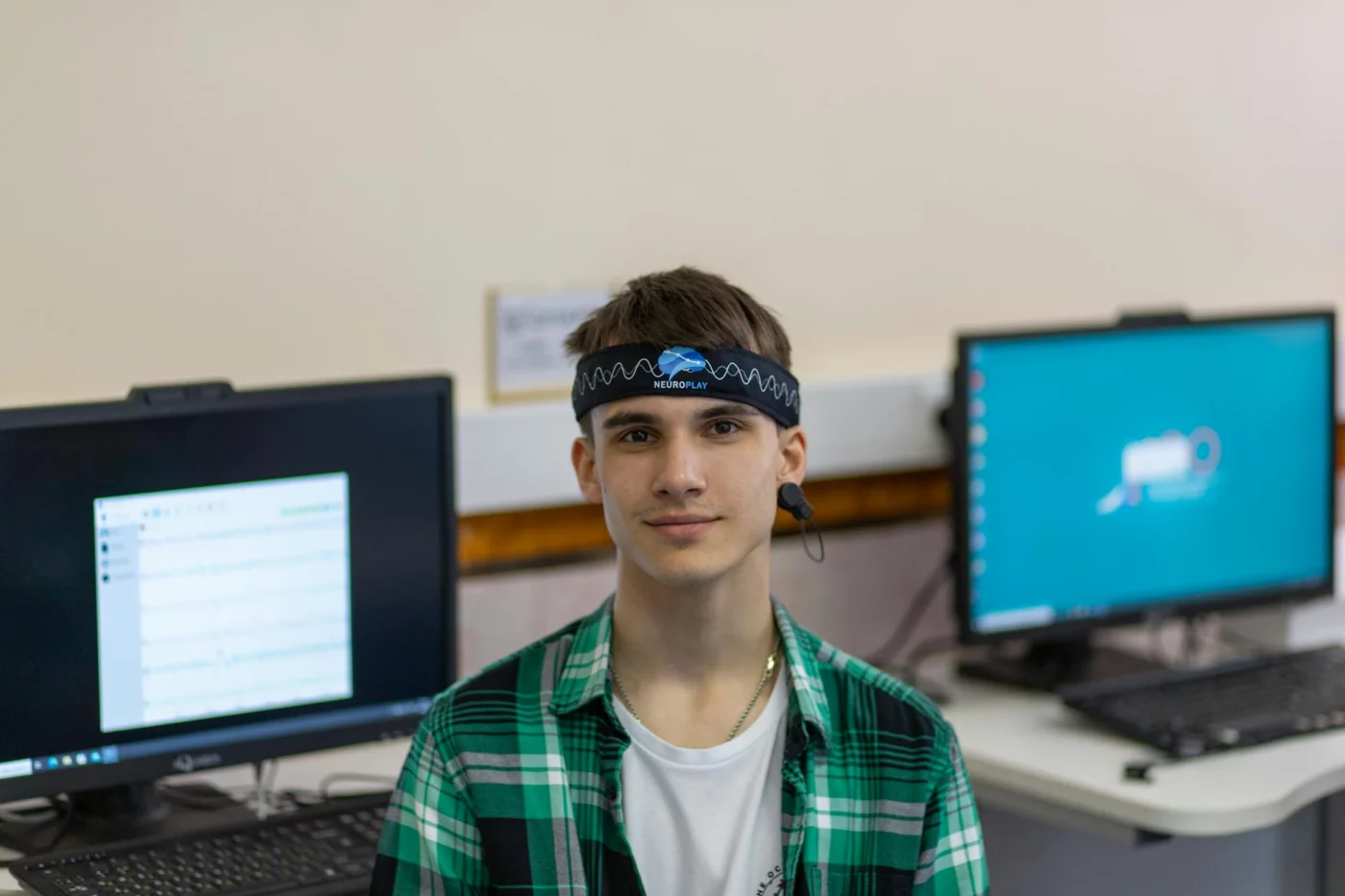
So, how are brain waves measured? Usually with sensors that detect electrical activity directly, while other tools track blood flow, metabolism, or magnetic fields as indirect signs of neural work. If you want the plain-English version of how neurons communicate, that distinction is the whole game.
EEG: the most common brain wave test
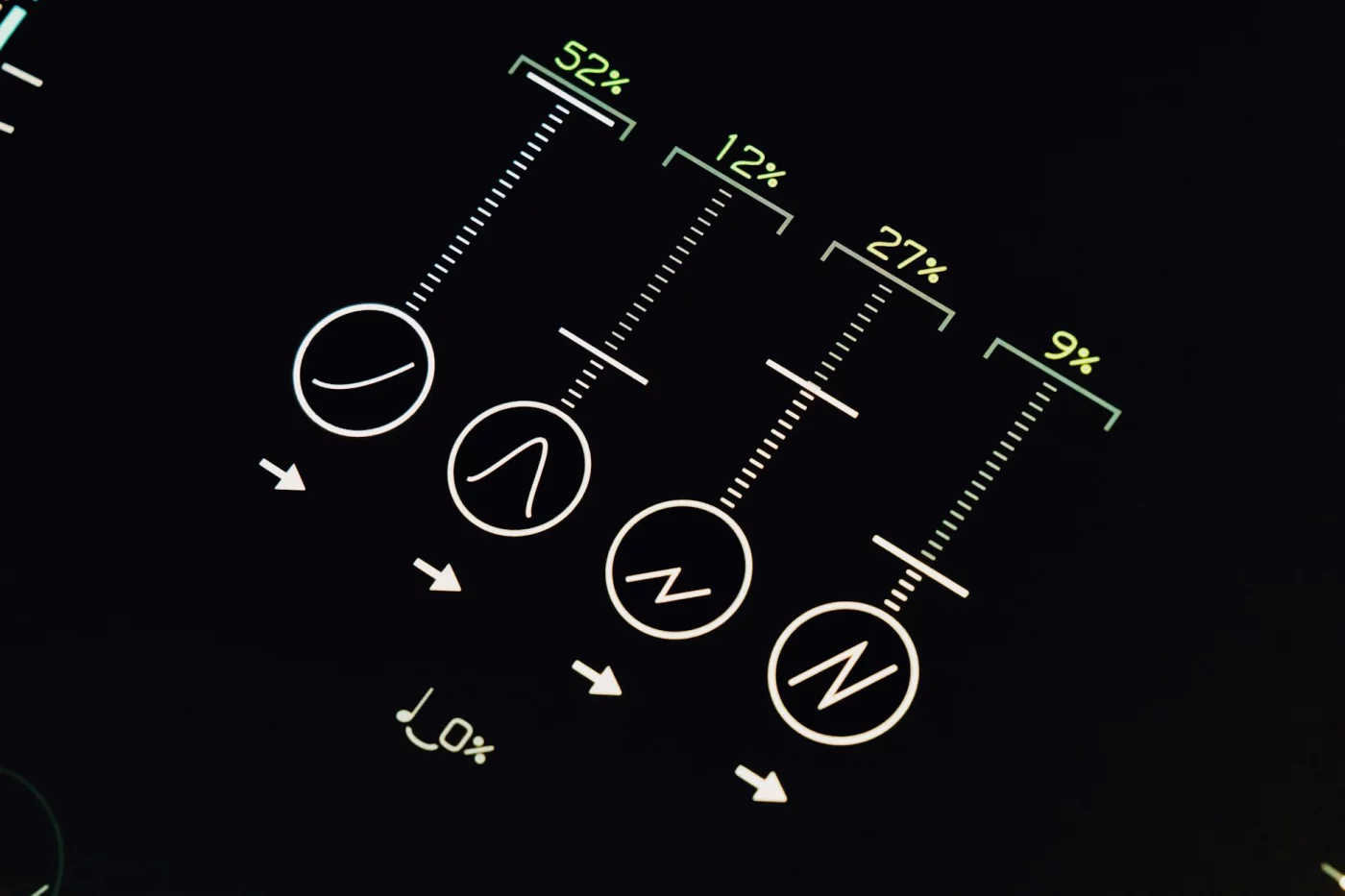
An EEG test uses small electrodes placed on your scalp to record voltage changes produced by large groups of neurons firing together. It may be done at rest, during simple tasks, or with activation procedures like eye opening, hyperventilation, or flashing lights depending on the clinical goal.
What does EEG measure in the brain? Timing first. It’s excellent for fast changes measured in milliseconds, which is why it’s used to help assess seizures, sleep disorders, encephalopathy, and altered states during wakefulness or sleep. Speaking of sleep, EEG is also central to research on stages of sleep and questions like can you learn in sleep.
- Alpha: common in relaxed wakefulness
- Beta: often linked with active thinking or alertness
- Theta: common in drowsiness and some sleep stages
- Delta: slow waves, especially in deep sleep
But wait. “Normal EEG waves vs abnormal” is not something you should self-diagnose from internet charts. Blinking, jaw tension, sweat, and movement can create artifacts that mimic meaningful patterns, so trained interpretation matters.
fMRI and MEG: when location matters more
fMRI measures the BOLD signal, a blood-oxygen-level-dependent change that acts as an indirect marker of neural activity. In plain English, how brain signals are measured with fMRI is by tracking blood flow changes, not the electrical firing itself, which gives better location than EEG but worse timing; this overview of functional magnetic resonance imaging covers that trade-off well.
MEG, or magnetoencephalography, records magnetic fields generated by neural currents. It’s fast like EEG, often better for source localization, and usually found in specialized centers rather than routine clinics.
ECoG, PET, and SPECT in context
ECoG, or electrocorticography, records directly from the brain surface, so it’s invasive and mostly used in hospital or surgical settings, especially epilepsy planning. PET scan brain studies use radioactive tracers to show metabolism, while SPECT scans show perfusion, meaning blood flow patterns.
Those tools answer different questions than EEG vs fMRI brain activity comparisons. And here’s the kicker — in research or presurgical work, teams often combine methods because no single test captures timing, location, chemistry, and network activity equally well. Next, we’ll look at whether at-home devices are genuinely useful or mostly misleading.
At-home devices: useful or misleading?
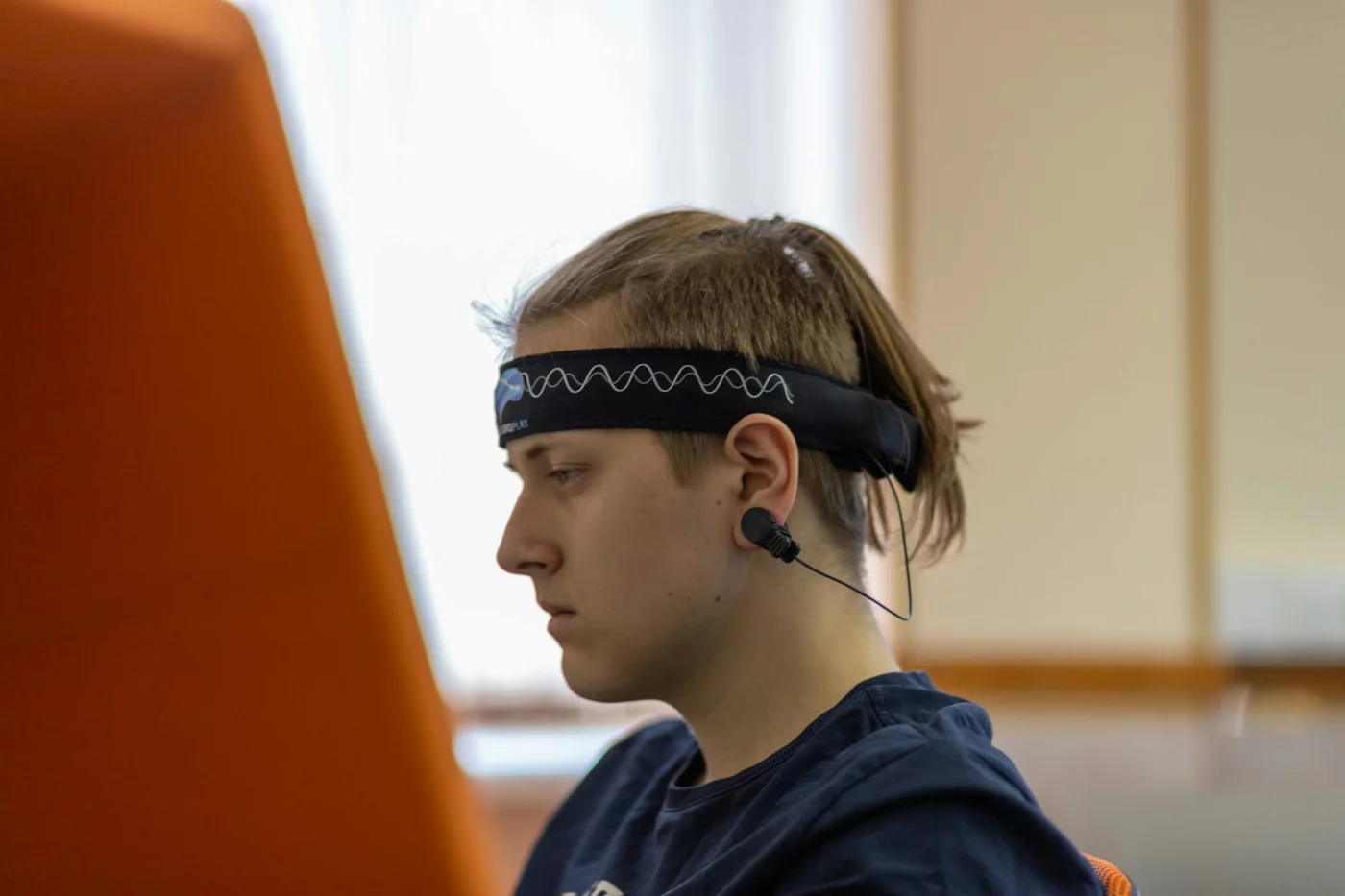
After clinical tools like EEG and fMRI, the obvious question is: how are brain waves measured outside a lab? Yes, consumer EEG headbands can capture limited electrical signals at home, but the readout is much simpler, noisier, and less trustworthy than medical systems.
What consumer EEG can do
If you’re wondering how to measure brain waves at home, the honest answer is: roughly, not precisely. These devices can sometimes help with meditation biofeedback, basic attention training, and trend tracking across days.
Some people use them for curiosity-driven self-observation or pair them with routines like breathing practice and test anxiety tools. But wait — broad app claims are often ahead of the evidence.
- Rough state tracking: calm vs restless
- Simple neurofeedback during meditation
- Habit experiments tied to sleep, caffeine, or study setup
What to avoid
How are brain waves measured safely at home? By treating the device as a wellness gadget, not a diagnostic tool. Fewer electrodes, motion artifacts, weak contact, and proprietary “focus scores” can all distort results.
Real-world application
From experience building learning tools, it’s obvious many people want one clean focus number. Thing is, performance depends on sleep, stress, task design, and context — not just a headband score.
A better use? Compare whether a pre-study routine lowers distraction, whether consistent sleep improves next-day focus, or whether the device simply reminds you to pause and reset. Which brings us to a more useful next step: practical ways to improve focus, stress regulation, and sleep without overinterpreting gadget data.
Quick reference and next steps
After all the hype around wearables, here’s the clean answer. If you’re still wondering how are brain waves measured, EEG is the standard direct method, while several other tools measure related signals rather than the waves themselves.
📋 Quick Reference
- EEG: direct electrical activity from the scalp; most common and usually the most available.
- MEG: direct magnetic signals from neural activity; highly specialized and less available.
- ECoG: direct electrical recording from the brain surface; invasive, used in select clinical cases.
- fMRI, PET, SPECT: indirect brain activity measurement through blood flow or metabolism.
- Best choice: match the test to the question, not the marketing.
Quick recap
So, how brain signals are measured depends on what you want to know. EEG records fast electrical patterns, MEG detects magnetic fields from the same neural firing, and ECoG measures electrical activity directly from the cortex during specialized care.
fMRI tracks blood-oxygen changes, while PET and SPECT track metabolism or blood flow. That means EEG, MEG, and ECoG are direct methods; fMRI, PET, and SPECT are indirect proxies of brain activity measurement.
What to do next
If your goal is better focus, start with sleep, stress, and study design before obsessing over gadget graphs. And yes, context matters a lot: poor sleep and stress can change attention and memory, as I explain in this guide to stress and memory effects.
- Want performance help? Improve routines first.
- Want medical answers? Ask which test fits your symptoms and why.
- Checking cost? EEG test price varies widely by clinic, region, insurance, and whether physician interpretation is included.
One test rarely tells the whole story. Trained review, symptoms, and context matter — which brings us to the most common questions people still ask.
Frequently Asked Questions
How do you measure brain signals?
If you’re asking how do you measure brain signals, there are two main paths: direct methods like EEG, MEG, and ECoG, and indirect methods like fMRI, PET, and SPECT. Direct tools capture electrical or magnetic activity from neurons more immediately, while indirect tools track blood flow or metabolism linked to brain activity. The best method depends on what you need most: precise timing, exact location, metabolic information, or a clinical versus research answer. That’s really the core of how are brain waves measured in practice.
What does EEG measure in the brain?
What does EEG measure? EEG records electrical activity from the scalp, and that signal mainly reflects synchronized firing from large groups of neurons in the brain’s cortex. It’s especially useful when timing matters because it can detect changes on the millisecond scale. So if you want to know when brain activity happens, not just where, EEG is often one of the best tools.
What test measures brain waves?
The standard answer to what test measures brain waves is an EEG, short for electroencephalogram. It is the most common direct test used to record brain-wave patterns from electrodes placed on the scalp. Other tools can measure brain activity in different ways, but EEG is usually the first thing people mean when they ask how are brain waves measured.
EEG vs fMRI: which measures brain activity better?
If you’re wondering eeg vs fmri which measures brain activity better, the honest answer is: neither is better overall. EEG is better for timing because it captures rapid changes in neural activity, while fMRI is better for spatial localization because it shows where activity-related blood flow changes happen in the brain. The right choice depends on the question being asked, and research teams often use both together when they want a fuller picture.
Can brain activity be measured at home?
Yes, can brain activity be measured at home has a qualified yes: consumer EEG devices can provide rough biofeedback, meditation tracking, or broad trend data. But wait — they are not medical-grade diagnostic tools, and they can’t reliably diagnose neurological or psychiatric conditions. If you’re concerned about symptoms, it’s smarter to consult a qualified clinician rather than rely on home hardware alone. For a research-based overview of EEG, see this NCBI overview of electroencephalography.
How do scientists measure brain activity in research?
If you want to know how do scientists measure brain activity, the answer depends on the kind of data they need. Common tools include EEG and MEG for timing, fMRI for location, PET and SPECT for metabolism, and sometimes ECoG in specialized clinical research settings. And here’s the kicker — scientists often combine methods so they can answer more than one question at once, like when activity happens and where it happens.
What is the difference between EEG and MEG for brain signals?
The difference between eeg and meg for brain signals is mostly about what each tool records: EEG measures electrical activity from the scalp, while MEG measures magnetic fields produced by neural activity. Both are fast, direct ways to study brain function, and both are useful for millisecond-level timing. But MEG is less widely available, usually more expensive, and mostly found in specialized research or clinical centers. If you want a simpler breakdown of measurement methods, you can also read FreeBrain’s guide on how brain activity is measured.
Can I drive home after an EEG?
After a routine eeg test, many people can drive home, but it depends on the type of test and your clinical situation. If your EEG involved sedation, sleep deprivation, or your medical team has concerns about seizures, alertness, or safety, follow their instructions instead of assuming it’s fine. This is one of those cases where general rules help, but your clinician’s advice matters more.
Conclusion
If you’re still asking how are brain waves measured, the practical answer is this: start with your goal, then match the tool to the question. Use EEG when you need millisecond-level timing and direct electrical activity. Choose fMRI when location matters more than speed. Treat MEG, PET, CT, and related methods as specialized tools for specific research or clinical contexts, not default options. And for at-home headsets? They can be useful for rough feedback or habit-building, but they’re not a substitute for lab-grade measurements or medical evaluation.
That’s the good news. You don’t need to memorize every scanner, sensor, or acronym to make a smart decision. You just need a simple filter: what do you want to measure, how precise does it need to be, and are you learning, tracking, or solving a health-related concern? Thing is, most people feel overwhelmed because the tech sounds more mysterious than it really is. But once you understand how brain activity is recorded, the choices get much clearer — and a lot less intimidating.
If you want to keep building from here, explore more practical guides on FreeBrain.net. You might like How Memory Works if you want the learning side of brain function, or How to Focus Better While Studying if your real question is how to turn brain science into better daily performance. Keep learning, pick the method that fits your actual goal, and take the next step with confidence.