
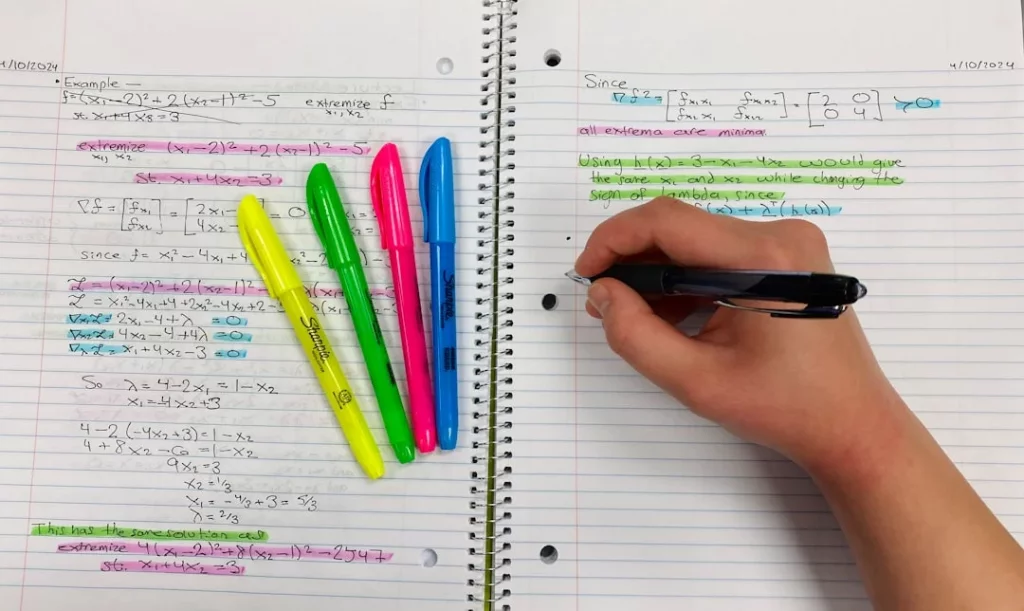
If you’re wondering whether the interleaving study method actually works better than blocked practice, the short answer is yes—usually. The interleaving study method tends to beat doing one type of problem over and over for long-term retention and flexible problem-solving, but blocked practice can still be the smarter move when you’re brand new to a skill. In plain English, blocked practice means repeating the same kind of task in a row, while interleaving means mixing related topics or problem types so your brain has to notice differences and choose the right approach.
And here’s why this matters so much: the method that feels easier during study is often the one that teaches you less. You finish 20 identical algebra problems and think, “Got it,” then freeze on the test when the next question looks slightly different. Research summarized in a review on desirable difficulties in learning from the National Library of Medicine helps explain why effortful practice often creates stronger memory than smooth, comfortable review. It’s the same reason the active recall vs passive review debate matters so much: ease can be misleading.
So here’s the deal. This article will show you exactly when the interleaving study method is worth using, when blocked practice should come first, and how learner level changes the answer. You’ll get practical schedules, subject-specific examples for math, science, languages, and exam prep, plus a plain-English breakdown of interleaving vs blocked practice for studying without the usual “just mix everything” nonsense.
We’ll also connect the interleaving study method to spaced review, retrieval practice, and realistic planning—because mixing topics randomly isn’t enough. If you already use active recall apps or follow the 2 7 30 memory rule, you’ll see how interleaving fits into a study system that actually holds up under exam pressure. I’m a software engineer, not a neuroscientist, but I’ve spent years building learning tools and translating the research into study plans people can really use.
📑 Table of Contents
- Quick answer: interleaving study method vs blocked practice
- What the interleaving study method is, what blocked practice is, and why they feel so different
- What the research says about the interleaving study method, and when blocked practice is better
- How to use interleaving in studying: a step-by-step schedule that actually works
- Real-world application: interleaving vs blocked practice examples by subject and learner level
- Common mistakes to avoid with the interleaving study method, plus a quick reference and final verdict
- Frequently Asked Questions
- Conclusion
Quick answer: interleaving study method vs blocked practice
Now let’s get specific. If you want the short answer, the interleaving study method usually beats blocked practice for long term retention and transfer, while blocked practice often works better at the very start. For more on learning and study skills, see our learning and study skills guide.
That’s the core tradeoff. The interleaving study method tends to feel slower and messier during practice, but it often produces better later performance when you have to choose the right approach on your own.
In plain English, interleaving means mixing problem types or topics in one session: algebra, then geometry, then algebra again; or vocab, grammar, and listening drills in the same block. Blocked practice means doing one type repeatedly before switching, like 20 derivative problems in a row or one grammar pattern for 15 minutes straight. And yes, blocked practice can boost immediate accuracy and confidence. But that easy feeling is exactly why people overrate it, as I explain in active recall vs passive review.
Research in cognitive psychology points in the same direction: desirable difficulties, retrieval practice, spacing, and practice schedules all matter. Evidence summarized in Wikipedia’s overview of interleaving and broader learning research indexed by the National Library of Medicine suggests effects vary by learner expertise, task complexity, and when you’re tested. So no, the interleaving study method isn’t magic. It’s a better default for durable learning once you’re past the first few reps.
Featured-snippet comparison table
- Interleaving: mix topics or problem types; best for later-stage practice, math sets, language drills, and science question banks.
- Blocked practice: repeat one type before switching; best for brand-new skills and initial setup.
- Random practice: fully unpredictable order; useful when you already know the categories well.
- Spaced practice: revisit material across days; pairs well with the interleaving study method and the 2 7 30 memory rule.
- Massed practice: cramming in one sitting; fast for short-term performance, weak for long term retention.
The short verdict for most learners
Here’s the rule of thumb: block first for 10-20 reps, or one short session, when a skill is completely new. Then switch to the interleaving study method once you can identify the right method without prompts and test yourself with active recall apps.
Personally, I think this is where online advice gets sloppy, especially in “interleaving vs blocked practice study reddit” threads. People confuse ease during study with learning. They’re not the same.
Use the hybrid model instead:
- Blocked practice for setup
- Interleaving for retention
- Retrieval for testing
- Spacing for timing
If ADHD, anxiety, burnout, sleep problems, or severe stress are affecting your study, treat this as educational guidance only and consult a qualified healthcare or mental health professional. Next, I’ll break down what the interleaving study method and blocked practice actually are, and why they feel so different in the moment.
What the interleaving study method is, what blocked practice is, and why they feel so different
So here’s the deal. The quick answer is simple, but to use the interleaving study method well, you need to understand why it feels harder than blocked practice even when it often helps you remember more later.
This difference trips people up all the time. Smooth studying feels productive, but learning and performance aren’t the same thing.
Simple definitions with real study-session examples
What is the interleaving study method? It means mixing related problem types or categories so your brain has to identify what kind of item is in front of you before choosing a response. It’s structured mixed practice, not random chaos.
Blocked learning is the opposite. You practice one type of task repeatedly before moving to the next.
Take algebra. A blocked 30-minute session might be 15 slope problems in a row, then maybe systems tomorrow. An interleaving study method session might mix 5 slope questions, 5 systems questions, and 5 quadratics in one set, shuffled so you must decide which method fits each problem.
The same pattern shows up outside math. In anatomy, blocked practice might mean labeling only forearm muscles for 30 minutes, while interleaving mixes forearm, shoulder, and leg structures so you must discriminate between similar terms. In language learning, blocked practice might be 20 past-tense conjugations in a row, while mixed practice rotates tense, vocabulary, and sentence transformation.
And no, the interleaving study method isn’t just “study many subjects at once.” That usually turns into task-switching without purpose. Good interleaving keeps the material connected enough that the contrast teaches you something.
Three things matter:
- The topics should be related enough to compare.
- The questions should require retrieval, not just rereading.
- The mix should be intentional, often paired with tools like active recall apps and spaced review systems such as the 2 7 30 memory rule.
📋 Quick Reference
Blocked practice: one method, repeated many times. Usually feels easier and faster today.
Interleaving: related methods mixed together. Usually feels harder now but can improve choosing the right method later.
Best use case: interleaving shines when your real test won’t tell you which strategy to use.
Why blocked practice feels easier
Because it removes decisions. When every problem uses the same procedure, your brain doesn’t need to ask, “What kind of problem is this?” It just repeats the last move.
That lowers switching costs and creates fluency. You feel fast, accurate, and in control. But wait. That feeling can be misleading.
Cognitive psychology has long shown that people often confuse easy processing with durable learning. This is closely related to the fluency illusion: if something feels familiar and smooth, you may believe you’ve mastered it even when delayed recall is weaker. Personally, I think this is the part most people get wrong.
Blocked practice often boosts short term performance. You’ll usually do better on problem 12 when it looks like problems 1 through 11. Next week, though? Different story.
That’s why blocked practice can resemble passive review more than real retrieval. If you want the broader logic behind effortful learning, see active recall vs passive review. The same principle applies here: harder-feeling practice can produce stronger memory.
Why interleaving often improves later performance
The interleaving study method adds two useful burdens: discrimination and retrieval. You must notice cues, decide which strategy fits, and then pull that strategy from memory under uncertainty.
Now this is where it gets interesting. That extra difficulty is often exactly what real exams demand.
Research in category learning and inductive learning suggests that mixing similar categories can improve your ability to tell them apart later. A well-known overview in research on interleaved practice in cognitive science explains why alternating examples can strengthen selection and transfer, and the broader idea of desirable difficulties in learning helps explain why harder practice can pay off.
Simple contrast: blocked practice often wins today; the interleaving study method often wins next week. Especially for problem solving.
Why? Because concept learning and procedure repetition aren’t identical. If you’re brand new to a topic, a little blocked practice can help you get the basic steps down. But once you know the basics, the interleaving study method becomes more valuable because it trains method selection, not just method execution.
That makes it especially useful for exam prep. Real tests usually don’t group 10 identical questions together. They mix them. Which brings us to the next section: what the research actually says, and the cases where blocked practice is still the better choice.
What the research says about the interleaving study method, and when blocked practice is better
Now that the difference feels clearer, the obvious question is simple: does the interleaving study method actually work? Short answer: often yes, but not always in the same way, for the same learner, or on the same timeline.
Key findings from cognitive psychology
The strongest evidence for the interleaving study method comes from tasks where you must notice differences between similar things. Think math problems that look alike but require different formulas, bird species with overlapping features, or tennis shots that need different responses. In these cases, mixing examples usually hurts practice performance a bit while improving later discrimination, long term retention, and transfer of learning.
A well-known line of research by Doug Rohrer and Kelli Taylor found that mixed math practice often led to lower scores during homework but better performance on later tests. That pattern matters because students usually judge methods by how fluent they feel in the moment. And here’s the kicker — easier practice can create an illusion of learning, which is one reason active recall vs passive review matters so much.
Category-learning studies show something similar. When learners study paintings by different artists, rock types, or species in mixed order, they often get better at classifying new examples later. Why? Because the interleaving study method forces comparison. You stop asking, “What repeats?” and start asking, “How do I tell these apart?”
There’s also a theory lens for this: Robert Bjork’s “desirable difficulties.” The basic idea, summarized by the American Psychological Association’s overview of memory and learning, is that conditions that make practice harder can strengthen memory if they trigger the right kind of effort. Interleaving fits that pattern when the difficulty is productive rather than chaotic.
Motor learning research points in a similar direction, though results are more mixed. Random or interleaved practice can improve skill transfer and retention in sports and movement tasks, but immediate performance often looks worse than blocked drills. Personally, I think this is where people get tripped up: they confuse “performed better today” with “learned better for next week.”
And interleaving tends to work best when paired with spacing. If you want the bigger picture, the 2 7 30 memory rule explains why revisiting mixed material across days usually beats one long session.
Why some studies favor blocked practice
But wait. Some studies do favor blocked practice, especially for beginner learners in the earliest stage of skill building. If you barely understand the rule, vocabulary, or procedure, mixing too soon can push cognitive load so high that you learn almost nothing.
This is the clearest answer to when blocked practice is better than interleaving: when you still need a basic model of what to do. Repetition can help build initial fluency before comparison becomes useful. That’s especially true in algebra setup, musical fingering, pronunciation drills, and software syntax.
Three situations matter most:
- Very early acquisition, when you need the core steps to become familiar
- High cognitive load, when mixed sets create confusion instead of useful contrast
- Short-term performance needs, like a same-format drill tomorrow morning
Also, blocked practice is not identical to massed practice vs blocked practice. You can block intelligently across shorter sets and still space them over time. Poorly designed comparisons sometimes pit sloppy interleaving study method schedules against well-structured blocked sessions, which makes the evidence look more inconsistent than it really is.
How to interpret the evidence without overclaiming
So here’s the deal. A good interleaving vs blocked practice research summary has to ask four questions: What was the task? Who were the learners? When was the test? What outcome mattered?
If the test happened immediately after practice, blocked work may look better. If the real goal is a cumulative exam two weeks later, the interleaving study method often gains ground. Research on learning and memory collected in PubMed Central’s full-text research archive makes this timing issue obvious across many domains.
No single method wins for every subject, learner, or stage. Well, actually, that’s the main takeaway. Use blocked practice to get the basics straight, then shift toward the interleaving study method when you need flexible recall, better transfer, and stronger long-term performance.
If you want to inspect papers yourself without drowning in jargon, this guide on how to read research papers faster will help. Quick note: if stress, ADHD, burnout, or sleep deprivation are wrecking your concentration, your study results may not reflect the method alone. This section is educational, not medical advice, so talk with a qualified professional if those issues are persistent.
Which brings us to the practical part: how to actually schedule the interleaving study method so it helps instead of overwhelming you.
How to use interleaving in studying: a step-by-step schedule that actually works
So the research is useful, but the real question is simpler: how do you actually use the interleaving study method without turning your study session into chaos? The best answer is a hybrid sequence: block first, then mix, then retrieve, then space.
That matters because the interleaving study method works best after you have some basic fluency. If you’re still learning the rules from scratch, blocked practice helps you stop guessing. Once you can recognize the problem type, mixing starts paying off.
Step 1-4: Build a hybrid practice sequence
How to build an interleaving schedule
- Step 1: Learn the procedure with short blocked practice. For beginners, aim for roughly 70-80% blocked work and 20-30% mixed work. Think 8 similar algebra problems, then 2-3 mixed ones.
- Step 2: Mix 2-3 related problem types once you can identify them. This is where the interleaving study method starts helping discrimination, not just repetition.
- Step 3: Add retrieval. Close your notes and solve from memory, then check errors. If you want digital help, retrieval-based active recall apps make this much easier to run consistently.
- Step 4: Repeat across days with spacing. Pair your mixed practice with the 2 7 30 memory rule: review after 2 days, 7 days, and 30 days to keep the gains.
Can you combine blocked practice and interleaving? Yes — and personally, I think that’s the part most people get wrong. They hear “mix your topics” and jump straight into random sets before they can reliably tell Topic A from Topic B.
A better rule is stage-based. Beginners should stay mostly blocked. Intermediate learners can move toward 40-60 or 50-50 blocked-to-mixed practice. Advanced exam prep should lean heavily on interleaved retrieval, with short blocked repair only for weak spots.
And here’s the kicker — the interleaving study method is much stronger when it feels effortful. That’s one reason research on desirable difficulties keeps lining up with what students see in practice, and why active recall vs passive review is such an important distinction.
30-minute, 60-minute, and weekly schedule templates
If you’re wondering about the best study schedule for interleaving, use simple templates. Don’t overengineer it. Three clean formats cover most students.
- 30-minute session: 10 minutes blocked practice on one skill, 15 minutes interleaved problems from 2-3 related topics, 5 minutes error review.
- 60-minute session: 15 minutes concept refresh, 30 minutes mixed retrieval with notes closed, 15 minutes correction log and redo of missed items.
- 1-week schedule: Monday blocked setup, Tuesday mixed set, Thursday spaced mixed retrieval, Saturday cumulative interleaving across all topics.
For overwhelmed learners, shorten the blocks and reduce switches. OK wait, let me back up. If attention is fragile, don’t mix six topics in one hour. Mix two topics, use 5-10 minute blocks, and keep task format consistent so the difficulty comes from recall and discrimination, not clutter.
Speaking of which — this isn’t just intuition. A useful overview in research on practice testing and distributed practice at NCBI helps explain why retrieval plus spacing beats easier-feeling rereading for long-term retention.
4-week exam prep framework
For interleaving for exam prep, use a gradual shift instead of going all in on day one. That’s how to use interleaving in studying without flooding your working memory.
- Week 4 out: Identify topics, diagnose weak areas, and build baseline fluency with short blocked sets.
- Weeks 3-2: Shift to mixed sets by chapter, problem type, or competency. Move toward a 50-50 split if you’re intermediate.
- Final week: Use mostly interleaved retrieval under exam-like timing. Keep targeted blocked repair for the few errors that repeat.
This gives you a practical answer to interleaving vs blocked practice for exam prep: block to learn, interleave to choose, retrieve to strengthen, and space to keep it. The interleaving study method isn’t a replacement for all other methods. It’s the part that helps you recognize what kind of problem is in front of you and pull the right solution from memory.
📋 Quick Reference
Beginner: 70-80% blocked, 20-30% mixed.
Intermediate: 40-60 or 50-50 blocked and interleaved.
Advanced: Mostly interleaved retrieval, plus small blocked repair sets.
Best combo: Interleave across topics, retrieve without notes, then revisit on a 2-7-30 schedule.
Next, let’s make this concrete with real examples of interleaving vs blocked practice by subject, skill level, and task type.
Real-world application: interleaving vs blocked practice examples by subject and learner level
So now that you’ve got a workable schedule, the obvious question is: what does the interleaving study method actually look like in real study sessions? From building learning tools and watching how people choose practice sets, I’ve noticed the same pattern over and over — learners either mix too early, or they stay blocked so long that they get fluent only at spotting the next obvious step.
That’s the real tradeoff. The interleaving study method tends to help most when your task requires choosing the right method, not just repeating one move. And yes, it works better when paired with retrieval rather than rereading, which is why mixed question sets often outperform passive review in tools like active recall apps.
Math and science examples
In math, the cleanest interleaving vs blocked practice in math study example is calculus. Blocked practice looks like 20 derivative drills in a row: product rule, product rule, product rule. Useful at first. But once you can recognize the pattern, the interleaving study method means mixing derivatives, basic integrals, and optimization problems so you must decide what kind of problem you’re facing before solving it.
That decision step matters. A 2010 study in the journal Applied Cognitive Psychology by Rohrer and Taylor found that students often perform better during blocked practice but retain less over time than when problem types are mixed.
Science works the same way. A blocked version might be reviewing only cellular respiration pathways or only Newton’s second law questions. The interleaving study method would then shift to mixed application items: “Is this diffusion, osmosis, active transport, or enzyme inhibition?” or “Does this scenario call for momentum, force, or energy reasoning?”
Now this is where it gets interesting. Statistics learners often struggle not just with formulas, but with uncertainty tolerance — choosing between a t-test, chi-square, correlation, or regression under mild pressure. If that’s you, this guide on statistics and study stress is worth reading, because method confusion and study stress often feed each other.
- Blocked first: learn the rule, notation, and core pattern.
- Interleaved next: mix related problem types that compete for selection.
- Best use case: problem solving where the method is not announced.
Language learning and certification exam examples
Language learners make the same mistake, just with different content. Blocked practice means drilling one tense — say, past tense conjugation — until you can fill blanks correctly. Helpful for concept learning. But real conversation doesn’t label the tense for you, so the interleaving study method shifts to sentence production where present, past, future, and conditional forms all compete.
Professional certification is even more obvious. Blocked review means studying one domain at a time: networking only, accounting only, pharmacology only. Then, once the basics are stable, you switch to mixed timed question banks because the real exam rarely tells you, “This is a renal physiology item” or “Use variance analysis here.” That’s where interleaving for exam prep earns its keep.
Personally, I think this is the part most people get wrong. They confuse random topic hopping with interleaving. A solid interleaving vs blocked practice study example still includes retrieval, feedback, and related categories. Mixing essay writing, French verbs, and trigonometry in one 25-minute block isn’t smart interleaving. It’s just context switching.
Beginners vs advanced learners: when to switch
Should beginners start with blocked practice or interleaving? Usually, beginners need some blocked exposure first. Well, actually, they need enough repetition to recognize the pattern without constant note-checking. If your error rate is high because you still don’t understand the basics, the interleaving study method may feel like noise rather than useful difficulty.
Signs to stay blocked for a bit longer:
- You confuse methods on nearly every item.
- You need notes for each basic step.
- You can’t explain why one strategy fits better than another.
Signs to switch:
- You can solve standard items correctly.
- You can name the likely method before starting.
- You can explain why one approach works and another doesn’t.
My simple progression is block first, then interleave, then use cumulative mixed retrieval. Ask yourself three questions: Is the skill new? Will the test mix problem types? Can I identify the right method without notes? If the answers are no, yes, and yes, the interleaving study method is probably the right next move.
And that brings us to the messy part: even a good interleaving study method can fail if you use it at the wrong time, mix the wrong material, or mistake confusion for learning. That’s exactly what we’ll fix next.
Common mistakes to avoid with the interleaving study method, plus a quick reference and final verdict
Now that you’ve seen subject-by-subject examples, here’s the part that matters most: using the interleaving study method without turning it into random chaos. Personally, I think this is where most learners go wrong, because this approach works best when it’s structured, not improvised.
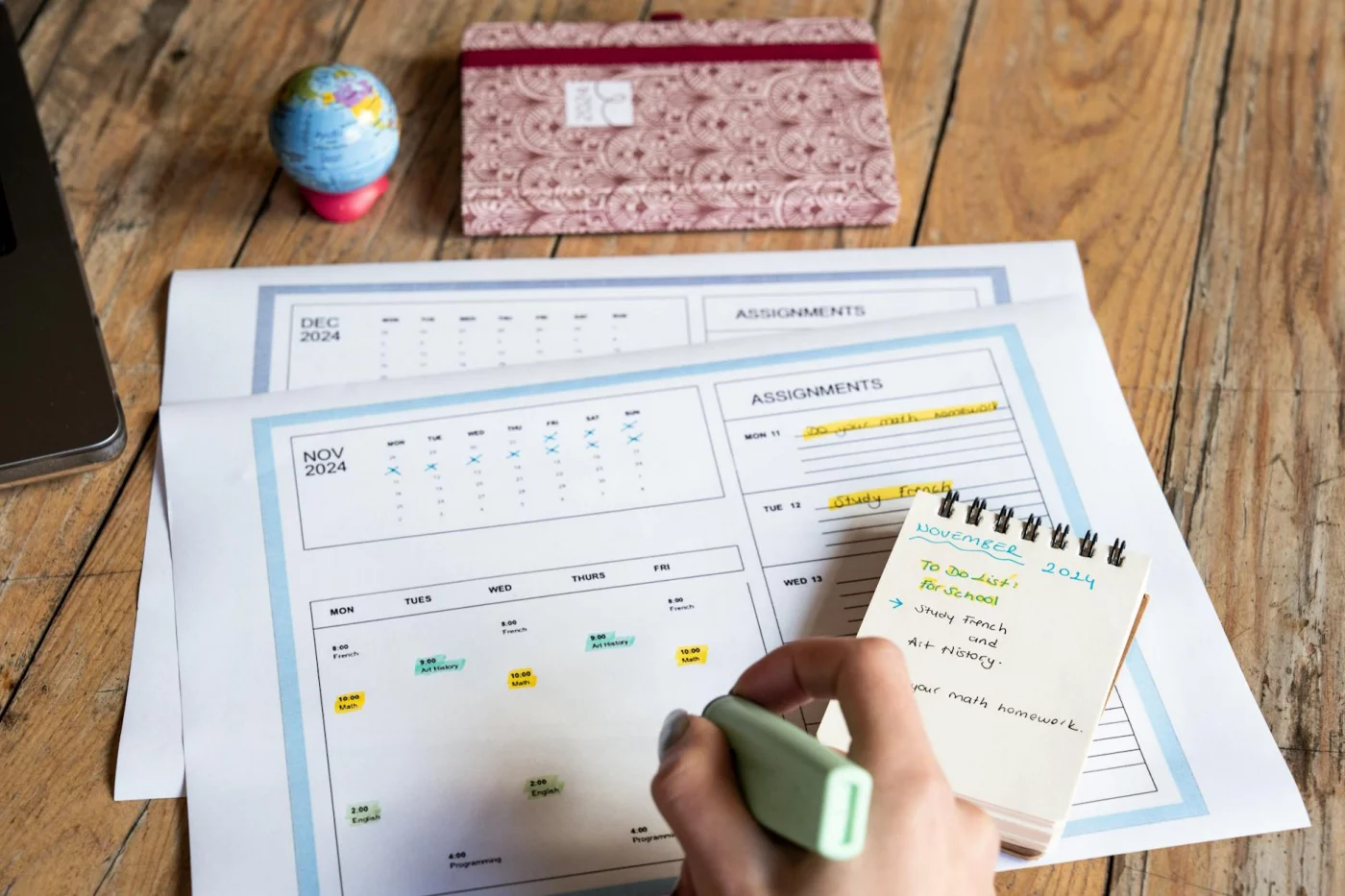
What to avoid
The biggest mistake is starting too early. If you can’t solve a basic problem type yet, mixing five variations usually creates noise, not learning. Research on desirable difficulties from Robert and Elizabeth Bjork suggests challenge helps only when it stays manageable.
- Interleaving too early: Start with short blocked sets until the core move feels familiar, then mix.
- Mixing topics with no shared cues: Interleave items that are easy to confuse or that require choosing between similar strategies.
- Confusing interleaving with spacing: Spacing is about time gaps; interleaving is about mixing categories within a session or across sessions.
- Using passive review: The interleaving study method works better with retrieval, self-testing, and problem selection than rereading notes.
- Switching too often: Changing topics every 2 minutes can spike cognitive load and kill focus.
- Dropping blocked practice completely: When one subskill is breaking down, a brief blocked repair session is still the smart move.
OK wait, let me back up. Random topic hopping is not the interleaving study method. A student who bounces from chemistry to history to algebra because they’re bored isn’t doing evidence based learning; they’re just interrupting attention.
What counts as good interleaving? Mixing related categories that train discrimination. For example, alternating triangle similarity, Pythagorean theorem, and area problems forces you to identify the right method before solving. That “choose the strategy” step is a big reason the interleaving study method can improve transfer.
And here’s the kicker — passive review weakens the whole setup. A 2008 study by Rohrer and Taylor on math practice found better delayed performance from mixed practice, but the benefit shows up most clearly on later tests, not same-day comfort. So if you want the method to work, pair it with retrieval practice and self-testing, not just rereading; that’s also why I often point readers to active recall vs passive review when building a study system.
One more nuance: when blocked practice is better than interleaving depends on learner stage. Beginners learning notation, vocabulary, or a brand-new procedure often need repetition first. But once accuracy is decent, the interleaving study method usually becomes more useful than another easy block because it prepares you for mixed exams and real-world problem solving.
Quick Reference: choose blocked, interleaved, or hybrid
📋 Quick Reference
- Choose blocked practice if the skill is new, fluency is weak, error rates are high, or you still need to memorize the basic steps.
- Choose interleaving if your test is mixed, you must recognize which method fits, or delayed recall matters more than same-day ease.
- Choose a hybrid if basics are shaky but a cumulative exam is coming: do 10-15 minutes blocked, then 20-30 minutes mixed retrieval.
- Use confidence mismatch as a cue: if practice feels easy but delayed quiz scores drop, you probably need more interleaving and spacing.
- Use transfer demands as a cue: if success depends on selecting between similar approaches, interleaving beats pure blocking.
Final verdict and next steps
Final verdict: use blocked practice to start, interleaving to retain and transfer, and spacing plus retrieval to make both work better.
Not “interleaving always wins.” Well, actually, the better answer is more useful: blocked practice builds the first layer, the interleaving study method strengthens discrimination, and delayed testing tells you whether either one is working. Does interleaving improve long term retention? Often yes, especially for classification and problem selection, but not when confusion is so high that you never build a stable base.
If you want a full evidence-based study system, not just one tactic, explore FreeBrain resources on how to improve brain function and memory and connect scheduling, recall, and focus into one workflow.
Your next move is simple. Pick one subject, redesign one session this week, and test a blocked-plus-mixed plan for 2 weeks. Then track delayed recall after 2-7 days instead of judging by same-day ease. Which brings us to the last section: the practical FAQ and wrap-up.
Frequently Asked Questions
What is the difference between interleaving and blocked practice?
What is the difference between interleaving and blocked practice? The interleaving study method mixes related topics, question types, or problem formats within the same session, while blocked practice has you repeat one type over and over before moving on. Blocked practice usually feels easier and can boost immediate performance, but the interleaving study method tends to help more with delayed retention and transfer, especially when a test requires you to choose the right strategy instead of just repeating one procedure.
Is interleaving better than blocked practice for studying?
Is interleaving better than blocked practice for studying? Often, yes — especially if your goal is long-term retention, flexible recall, and stronger performance on mixed-format exams. But wait, there’s a catch: the interleaving study method isn’t always the best starting point, because blocked practice can work better early in learning when you still need basic fluency and lower cognitive load before mixing topics.
When is blocked practice better than interleaving?
When is blocked practice better than interleaving? Usually during early skill building, high-confusion material, or short-term drill goals where you need to get one procedure straight first. It’s also useful if you’re fixing one weak subskill — say, a specific algebra manipulation or grammar rule — and then returning to the interleaving study method once that weak point is more stable.
How do you use interleaving for studying?
How do you use interleaving for studying? Start with a short blocked phase so you understand the basics, then mix 2-3 related topics in one session and answer from memory instead of rereading your notes. The interleaving study method works best when you also spread those mixed sessions across several days, because retrieval plus spacing usually beats cramming. If you want a practical way to organize review sessions, try building your plan around FreeBrain’s study tools at FreeBrain so each session includes both mixed practice and recall.
How is interleaving different from spaced practice?
How is interleaving different from spaced practice? Interleaving changes the order of topics within a study session, while spaced practice changes the timing between study sessions. In other words, the interleaving study method is about mixing, and spacing is about revisiting later — and you’ll usually get better results when you combine both instead of treating them as separate strategies.
Should beginners start with blocked practice or interleaving?
Should beginners start with blocked practice or interleaving? For most beginners, a short blocked phase is the better first step because it helps you recognize the basic procedure without too much confusion. Once you can identify the right method without prompts, shift toward the interleaving study method so you practice choosing among similar options, which is what real exams and real-world tasks usually demand.
Can you combine blocked practice and interleaving?
Can you combine blocked practice and interleaving? Yes — and honestly, for most learners that hybrid approach works best. A simple sequence is: (1) use blocked practice to build initial fluency, (2) switch to the interleaving study method for retention and transfer, and (3) finish with mixed exam-style questions to build readiness under realistic conditions.
Does interleaving improve long-term retention?
Does interleaving improve long term retention? Research suggests it often does, especially when you need to distinguish between similar categories, strategies, or problem types rather than repeat one routine. The interleaving study method seems most helpful when the final test measures delayed recall or transfer, though the effect depends on your skill level, the task design, and how the practice is structured. For a research overview, see evidence summaries indexed on PubMed, which includes studies comparing mixed and blocked practice across learning tasks.
Conclusion
If you want the shortest version, here it is: use the interleaving study method when you need durable learning, not just short-term fluency. Mix related problem types instead of doing 20 nearly identical questions in a row, keep your study blocks focused but varied, and start small by interleaving just 2-3 topics per session. And don’t force it too early — blocked practice still makes sense when you’re first learning a brand-new skill or fixing a specific weakness. That balance is the part most people miss.
Now for the encouraging part. If interleaving feels slower, messier, or a little frustrating, that’s normal. Really. The interleaving study method often feels harder because your brain has to retrieve, compare, and choose between strategies instead of running on autopilot. But that extra effort is usually where the learning happens. So if your practice feels less smooth but you’re thinking more carefully, you’re probably moving in the right direction.
Want to put this into practice today? Keep going on FreeBrain.net. You can build a stronger system with our related guides on spaced repetition study method and active recall study method. Used together with the interleaving study method, they can help you study with more variety, remember more over time, and waste fewer hours on practice that only feels productive. Pick one subject, plan your next mixed session, and start testing yourself today.