

AI homework help for students can speed up learning when it does three things well: shortens feedback loops, adjusts difficulty to your level, and pushes you to retrieve ideas instead of just rereading them. Used properly, ai homework help for students isn’t about getting answers faster; it’s about reaching understanding faster without cutting out the hard thinking that makes learning stick.
You probably know the feeling. You’re stuck on one math step, one coding error, or one confusing paragraph, and 25 minutes disappear before you even know what you’re missing. But what if you could get a hint in 10 seconds, a simpler version in 20, and a quick self-test right after? That’s the real promise here — and it’s why research on intelligent tutoring systems matters more than the usual hype.
This article breaks down how AI can actually help you learn faster. You’ll see how shorter feedback cycles reduce wasted time, how adaptive difficulty keeps you in the useful struggle zone, and why AI works best when paired with the active recall study method instead of passive explanation-reading. We’ll also cover what AI tutoring is, what the benefits of AI tutoring really are, where an AI tutor beats a human tutor, and where it absolutely doesn’t.
And yes, there’s a catch. If you use AI to replace your own thinking, it can make you feel productive while quietly weakening retention. So here’s the deal: I’ll show you a brain-friendly workflow for ai homework help for students that improves time to mastery, and if you want the ground rules first, start with how to use AI properly as a student.
I’m a software engineer, not a neuroscientist. But I build FreeBrain learning tools, test study systems obsessively, and care about one question more than anything else: what actually helps you learn faster and remember more a week later?
📑 Table of Contents
What AI tutoring actually is
So here’s the deal. AI tutoring can help students learn faster when it gives immediate feedback, adjusts difficulty, and pushes retrieval instead of replacing thinking. Done well, ai homework help for students shortens time-to-mastery, not effort — which is why you should use AI properly as a student as a learning aid, not an answer machine.
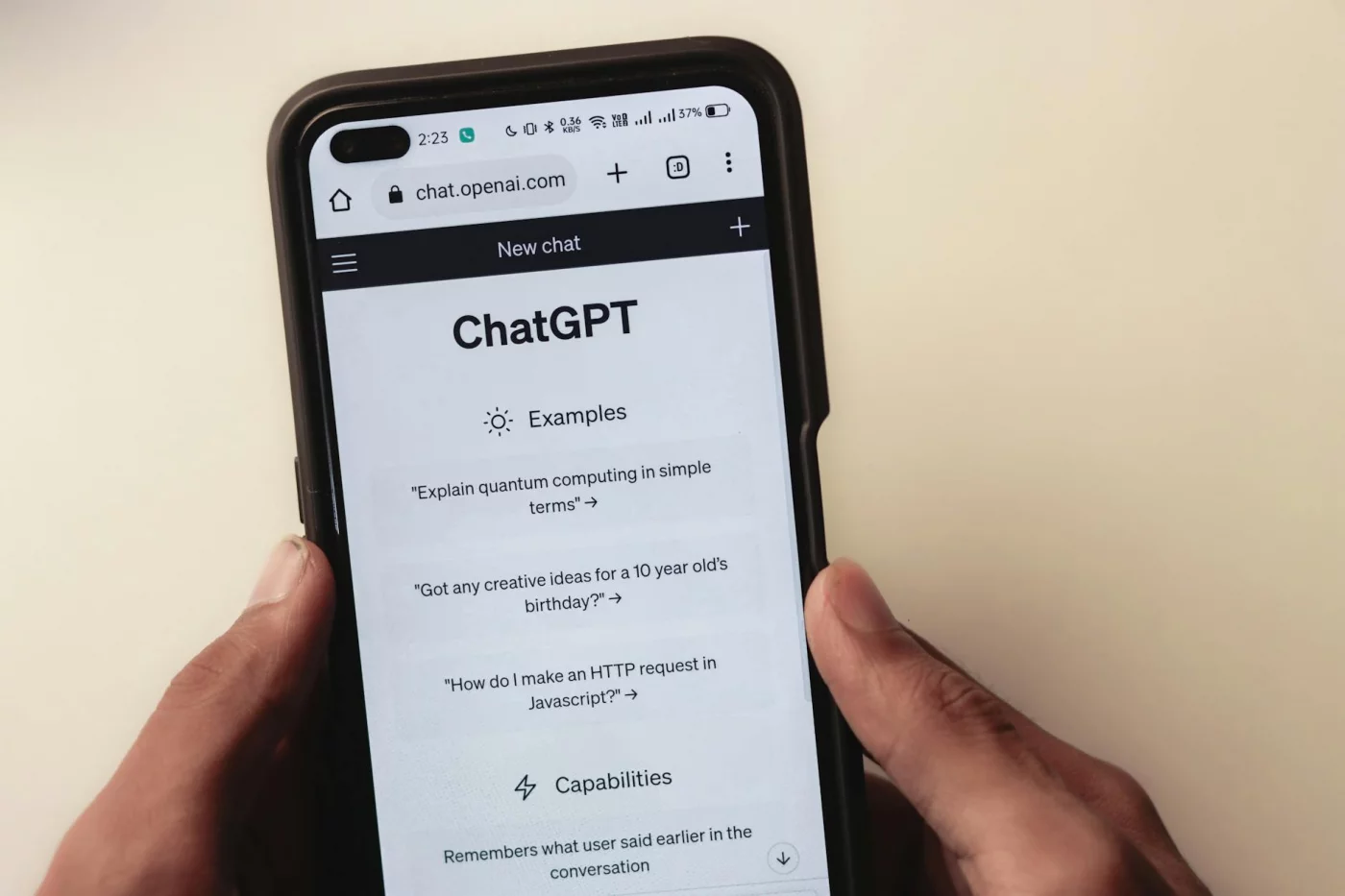
I’m a software engineer, not a neuroscientist, but I build FreeBrain tools and study evidence-based learning systems closely. And the pattern is pretty clear: faster feedback loops usually beat delayed correction.
A simple definition you can actually use
Think of it as a feedback system, not just a text generator. You solve an algebra problem, the tool catches a sign error, explains that step, then gives a similar problem. The useful unit isn’t “the answer.” It’s a corrected attempt plus the next practice item, often tied to active recall study method principles.
AI tutor vs chatbot vs human tutor
What is the difference between ai tutor and chatbot? A general chatbot is fast but often shallow. An AI tutor is more structured. Formal intelligent tutoring systems go further, with diagnosis, feedback, and progression models described in Wikipedia’s overview of intelligent tutoring systems.
- Chatbot: quick textbook clarification or rough essay ideas
- AI tutor: guided practice, error feedback, exam drilling
- Human tutor: deeper confusion, motivation, nuance, accountability
Research on feedback and retrieval practice, including findings summarized by the American Psychological Association on learning and memory, suggests active practice beats passive review. But wait: ai homework help for students won’t magically raise grades. It helps most when it makes practice faster, clearer, and harder to avoid. Which brings us to why that speed advantage matters.
Why AI can help you learn faster
So what makes AI tutoring faster than ordinary homework review? The speed comes from tighter feedback loops, smarter practice, and less wasted confusion. Used well, AI properly as a student can support learning instead of replacing it, which is the real value behind ai homework help for students.

Instant feedback cuts dead time
The biggest win is timing. Instead of waiting hours or days for correction, you can get feedback in seconds, fix the mistake, and retry before the wrong method sticks.
That matters for sign errors in algebra, repeated grammar mistakes in essays, or vocabulary mix-ups in language learning. The APA’s overview of feedback in learning highlights that feedback works best when it is specific and timely. And yes, that’s exactly how ai homework help for students can improve learning efficiency.
Adaptive practice finds weak spots faster
Here’s the simple loop:
- Miss a fraction problem
- Get a hint
- Try an easier version
- Return to the original level
That’s how adaptive learning tools for students save time. Instead of rereading a whole chapter, the system targets one weak concept like chemistry balancing, essay structure, or SAT reading inference errors.
Retrieval beats rereading
From experience building study tools, the biggest difference isn’t fancy explanations. It’s how fast learners can test, correct, and try again. Research from Harvard learning materials supports retrieval practice: recalling information beats passively rereading it for retention.
That’s why AI helps most when it creates mini-quizzes, recall prompts, and review questions tied to your weak spots. Pair it with the active recall study method, and you get both speed and memory.
📋 Quick Reference
Fast-learning loop: question → attempt → feedback → targeted practice → retrieval → review.
Progress tracking helps you spot recurring errors like unit conversion, thesis clarity, or vocabulary recall, so you fix patterns instead of guessing. Next, let’s look at the best uses for AI tutoring tools — and the mistakes that slow students down.
Best uses and common mistakes
Speed matters, but only if it leads to understanding. In practice, ai homework help for students works best when you make an honest first attempt, then use it to review, simplify, and test yourself.

Where AI helps most
The strongest use cases are pretty specific. Homework review is one: ask it to find the first wrong step, explain why it broke, then generate 2-3 similar problems so you can retry. That tight feedback loop is where learning gets faster.
It also helps after dense reading. If a textbook section fried your brain, ask for a simpler explanation, one analogy, and a 3-point summary — then compare it to the original, especially if you’re trying to read dense textbooks faster. For exam prep, good ai tools for exam prep can build mixed practice, error logs, and timed recall prompts.
Real-world examples by subject
- Calculus: A student checks where the derivative procedure failed, not just the final answer.
- Writing: A student asks for feedback on thesis clarity, paragraph logic, and evidence use before revising.
- Language: A learner practices vocabulary recall, sentence correction, and short speaking prompts after work.
What to avoid
The big mistake? Pasting the question first and copying the output. Well, actually, that turns ai homework help for students into answer outsourcing, not tutoring.
Watch for common failure modes: hallucinated facts, weak citations, over-scaffolded explanations, privacy risks, and academic integrity problems. And cognitive overload is real — too many tabs, too much generated text, too many explanations at once. Keep prompts short. One concept at a time.
So what does a clean, repeatable process actually look like? That’s next.
A simple workflow that works
So here’s the practical version. After avoiding the common mistakes, the goal is simple: use AI to speed up feedback without handing over the thinking.
How to use AI without outsourcing your thinking
The best study workflow starts before the chatbot does. Try the question first for 3-5 minutes, because your first attempt exposes what you know, what you’re guessing, and where memory breaks down.
That matters for retention. Research on retrieval practice suggests that trying to recall before seeing the answer strengthens learning more than rereading alone, which is why scientifically proven study methods pair explanation with active effort. Keep prompts short and specific. Bad prompt: “Give me the answer.” Good prompt: “Show me the first wrong step and ask me a similar question after the explanation.”
A 5-step homework and exam routine
How to use ai homework help for students
- Step 1: Attempt the problem or explain the concept from memory for 3-5 minutes.
- Step 2: Ask AI to diagnose the first error or missing idea, not solve everything.
- Step 3: Request one short explanation and one worked example.
- Step 4: Ask for 3 retrieval questions or 2 similar problems without answers first.
- Step 5: Log weak spots for spaced review inside a 30-day exam study plan.
This is how students can use AI to study more efficiently. You spend less time stuck, correct mistakes sooner, and spot knowledge gaps earlier instead of discovering them on test day.
Quick recap and next step
Used this way, ai homework help for students is worth it when you need fast feedback, targeted practice, and a cleaner path through homework or exam prep. But wait—switch to a teacher, tutor, or peer when the real problem is motivation, deep confusion, source trust, or high-stakes feedback on essays, labs, or graded work.
Pair AI with active recall, spaced review, and a structured plan rather than using it alone. And next, let’s answer the questions most students still have.
Frequently Asked Questions
What is AI tutoring?
What is ai tutoring? It’s software that gives explanations, feedback, and next-step practice based on what you type, solve, or submit. A good system does more than answer questions like a chatbot; it tries to spot likely gaps, guide you through a sequence, and adjust the next task so you’re not just getting answers but actually building understanding. That’s why structured tools can be more useful than basic ai homework help for students when your goal is long-term learning.
How does AI help students learn faster?
How does ai help students learn faster? Mostly by shrinking the gap between your attempt and the correction, which matters a lot for learning. It can generate retrieval questions, adapt practice difficulty, and give you a hint right when you’re stuck instead of making you wait hours for help. And here’s the kicker — if you use it to test yourself rather than copy solutions, ai homework help for students can save time without weakening retention.
How do AI tutoring tools work?
How do ai tutoring tools work? Usually through a loop: you give input, the system diagnoses a likely mistake or weak spot, it gives feedback, assigns targeted practice, and then tracks whether you improve on the next round. In math, that might mean catching a sign error and serving two similar problems; in writing, it might flag a weak thesis, suggest a revision, and then check whether your next draft is clearer. If you want the research side, the broader field of intelligent tutoring systems is summarized well in this overview of intelligent tutoring systems.
What is the difference between an AI tutor and a chatbot?
What is the difference between ai tutor and chatbot? A chatbot mainly responds to whatever prompt you give it in the moment, while an AI tutor is designed to guide learning over time. That means a real tutoring system usually has more structure: progress tracking, skill sequencing, error diagnosis, and practice that changes based on your performance. Personally, I think this is the part most people miss — not every tool that can answer homework questions is actually teaching you.
Can AI tutoring improve memory retention?
Can ai tutoring improve memory retention? Yes, but only if you use it for the right jobs: retrieval practice, spaced review, and targeted correction. Retention usually improves because you’re actively recalling information and revisiting weak spots, not because the tool gave you a polished explanation once. For example, if you turn missed questions into review cards or quizzes, you’ll get more benefit than if you just read the answer and move on; FreeBrain’s study tools are built around that exact idea.
Is AI tutoring better than human tutoring?
Is ai tutoring better than human tutoring? Not across the board. AI is often better for speed, 24/7 access, instant feedback, and repetitive practice, while human tutors are usually better for accountability, nuance, motivation, and sorting out high-stakes conceptual confusion. Best case? Use ai homework help for students for quick drills and error checking, then bring the hard, messy questions to a teacher, tutor, or academic support center; for a broader evidence-based look at learning support, the APA’s overview of AI in teaching and learning is a useful starting point.
Conclusion
The fastest way to get results from ai homework help for students is pretty simple: use it to explain concepts, quiz your understanding, and break big assignments into smaller steps — but don’t let it do the thinking for you. Ask for worked examples, then solve a similar problem on your own. Use AI to spot gaps in your reasoning, not just to generate answers. And if you remember one thing, make it this: learning speeds up when you alternate between getting help and practicing retrieval without help.
That matters more than most students realize. If you’ve ever stared at a homework problem for 20 minutes and felt stuck, you’re not lazy — you probably just needed better feedback, faster. And that’s where these tools can genuinely help. Personally, I think the win isn’t “doing homework faster.” It’s building a study loop that helps you understand more in less time, with less frustration. Start small. Try one assignment, use the workflow from this article, and notice what changes.
Want to keep improving how you study? Explore more practical guides on FreeBrain.net, including how to study fast without cramming and active recall study method. If you use AI tutoring with strong study habits, ai homework help for students becomes a tool for real learning — not just faster task completion. Pick one strategy, use it today, and make your next study session smarter.