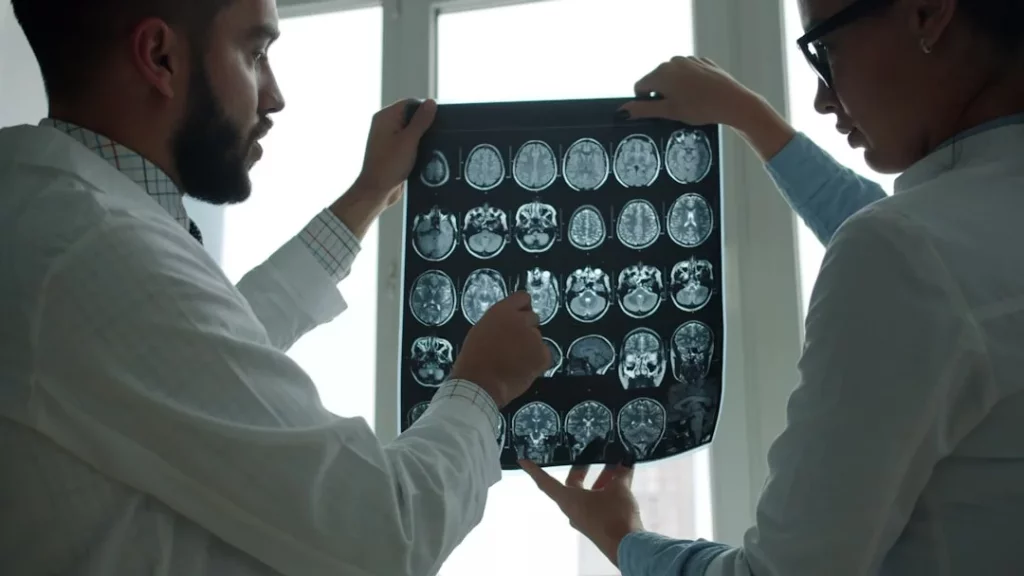
If you’re wondering what part of the brain controls memory and concentration, the short answer is: not just one part. Memory and focus come from a network led by the hippocampus for forming new memories, the prefrontal cortex for working memory and concentration, the amygdala for emotional memory, and wider cortical regions for long-term storage. So when people ask what part of the brain controls memory and concentration, the most accurate answer is a team effort, not a single “memory center.”
Why is this question everywhere right now? Probably because more people are trying to study better, protect brain health, and make sense of everyday lapses like forgetting names, losing track of a sentence, or rereading the same page three times. And here’s the kicker — research from the National Institute of Mental Health on major brain systems supports this bigger picture: thinking, attention, learning, and memory depend on connected regions working together.
That distinction matters. If you want to understand how attention affects memory, or why a fact sticks one day and disappears the next, you need more than a vague label. You need to know what part of the brain controls short term memory, where working memory is handled, where long term memory is stored in the brain, and how those systems interact while you learn.
So here’s what you’ll get in this article: a clear map of memory by type. We’ll separate working memory, short-term memory, long-term storage, emotional memory, procedural memory, and memory recall — then match each one to the brain regions most involved. We’ll also connect that science to how memory consolidation works, so you can see why concentration affects what gets encoded, stabilized, and later retrieved.
I’m a software engineer, not a neuroscientist. But after years building FreeBrain tools for self-learners and translating cognitive science into practical study systems, I’ve noticed the same problem again and again: most explanations oversimplify the brain, and that makes it harder for you to use the science in real life. Let’s fix that.
📑 Table of Contents
- The short answer
- Start with the type of memory
- 7 brain areas that matter most
- Quick reference: who does what
- How attention and memory work together
- Use brain science in 5 steps
- Memory problems: what they can mean
- Frequently Asked Questions
- What part of the brain controls memory and concentration?
- What part of the brain controls short-term memory?
- Where is working memory stored in the brain?
- Where is long-term memory stored in the brain?
- What part of the brain controls memory recall?
- What part of the brain controls memory and emotion?
- How do you tell if your hippocampus is damaged?
- What is the 2 7 30 rule for memory?
- Conclusion
The short answer
So here’s the direct answer. If you’re asking what part of the brain controls memory and concentration, the best answer is: no single part does. Memory depends on a distributed network, with the hippocampus helping form new memories, the prefrontal cortex supporting working memory and focus, the amygdala tagging emotional importance, and widespread cortical areas storing information over time. For more on memory and brain health, see our memory and brain health guide.
That matters because concentration helps you get information in, but it doesn’t “store” it by itself. If you want the practical version, it helps to understand both how attention affects memory and how memory consolidation works before you try to improve recall.
People are asking this more now for obvious reasons: better studying, more interest in brain health, and real worries about forgetfulness as people age. And yes, the internet often makes it sound like one brain button handles everything. It doesn’t.
As a software engineer building FreeBrain learning tools, I spend a lot of time translating published neuroscience into study advice you can actually use. Personally, I think this is the part most people get wrong: they want one “memory center,” when the useful answer is a system.
The core memory network at a glance
Think of memory as four jobs happening across connected brain regions involved in memory: encoding, holding, storing, and retrieving. Remembering a lecture, a password, or where you parked uses different parts of that network at different times.
- Hippocampus: helps encode new facts and experiences.
- Prefrontal cortex: holds information briefly and supports concentration.
- Amygdala: adds emotional weight, which can make events more memorable.
- Cortical regions: help store long-term knowledge across distributed networks.
OK wait, let me back up. If you hear a professor explain a concept, your attention system and prefrontal cortex help you stay on task. The hippocampus then helps bind the details into a memory trace, and later retrieval draws on broader cortical storage. Research summarized in the NCBI overview of memory systems supports this network view rather than a one-spot model.
Why this question keeps coming up
Why now? Because students want faster learning, adults worry about aging, and social media loves oversimplified “left brain vs right brain” claims. But wait. Real neuroscience is messier and more useful than that.
Evidence from the National Institute on Aging’s guide to memory and aging also shows why people search this topic: they want to know what’s normal, what helps, and when to pay attention. Which brings us to the next key idea—different kinds of memory rely on different systems, so the smartest place to start is the type of memory you mean.
Start with the type of memory
The short answer gave you the big picture: there isn’t one single “memory center.” If you’re asking what part of the brain controls memory and concentration, you first have to define which kind of memory you mean, because different systems do different jobs and rely on different brain networks.

That matters for learning. And it matters for concentration too, since attention affects what gets encoded in the first place. If you want the clearest bridge between focus and recall, see how attention affects memory and the basics of how memory consolidation works.
Working, short-term, and long-term memory
Working memory is your mental scratchpad. But wait, it’s more than storage: it also lets you manipulate information in real time, like tracking the steps in a math problem, reordering a sentence in your head, or comparing two answer choices. That’s why the prefrontal cortex matters so much when people ask where is working memory stored in the brain.
Short-term memory is narrower. In simple educational terms, it means holding a small amount of information for a few seconds up to roughly 20 to 30 seconds, like keeping a phone number in mind just long enough to dial it. So when people ask what part of the brain controls short term memory, the honest answer is still “a network,” but not exactly the same network used for active mental control.
Long-term memory is different again. It’s information stabilized over hours, days, or years through consolidation, then stored in distributed patterns across the cortex rather than in one tiny “file cabinet” area. If you’re wondering where is long term memory stored in the brain, the best answer is: across widespread cortical traces, with the hippocampus helping form and organize many of them early on, which connects closely to the idea of what an engram is.
A common confusion? Short-term memory and working memory overlap, but they aren’t identical in psychology or neuroscience. Short-term memory emphasizes brief retention. Working memory adds active control.
📋 Quick Reference
- Working memory: hold + manipulate information for seconds
- Short-term memory: brief retention, often seconds to about 30 seconds
- Long-term memory: information stabilized over time and stored across distributed brain networks
Explicit and implicit memory
Not all long-term memory feels the same. Explicit memory includes episodic memory and semantic memory. Episodic memory is remembering your last exam room, where you sat, and how nervous you felt; semantic memory is knowing Paris is the capital of France, even if you don’t remember when you learned it.
Implicit memory is less about conscious recall. It includes procedural memory, like typing, riding a bike, or playing a scale on piano, plus conditioned forms of learning. The Wikipedia overview of memory systems is useful here because it lays out these categories clearly, and NCBI’s explanation of memory neuroanatomy shows why no single structure can explain them all.
Why the categories matter for learning
This is the part most people miss. Different study methods target different systems in learning and memory, so “study harder” is vague advice.
- Flashcards train retrieval and strengthen access to explicit knowledge.
- Worked examples help build semantic understanding.
- Repeated skill practice builds procedural memory.
Personally, I think this is the cleanest way to answer what part of the brain controls memory and concentration: not one part, but several systems depending on the task. Which brings us to the next section, where we’ll map the 7 brain areas that matter most.
7 brain areas that matter most
Now that the memory type is clear, the anatomy makes more sense. If you’re asking what part of the brain controls memory and concentration, the short answer is: not one part, but a network that handles encoding, attention, storage, emotion, and skill learning.
That network works over time, not all at once. New experiences get stabilized through how memory consolidation works, and concentration matters because weak attention usually means weak encoding in the first place.
Hippocampus
The hippocampus is the best-known answer to memory questions, but it’s not a giant storage vault. Its main job is forming new declarative memories, binding together details like who, where, and when, then helping with early consolidation.
Think about meeting someone at a café yesterday. Remembering their name, the table by the window, and the topic you discussed depends heavily on hippocampus function. Damage here can leave older memories partly intact while making new episodic memories much harder to form.
So, what part of the brain controls memory recall? Well, actually, recall usually recruits the hippocampus plus cortical areas that hold pieces of the memory trace.
Prefrontal cortex
The prefrontal cortex is central for working memory, goal maintenance, and selective attention. It’s what helps you hold a phone number in mind, do mental math, follow three-step directions, or keep reading while your phone buzzes.
Speaking of which — concentration isn’t just “trying harder.” Research summarized by how attention affects memory lines up with what cognitive neuroscience has shown for years: frontoparietal control systems and the prefrontal cortex help decide what gets processed deeply enough to remember.
- Working memory: holding and updating information for seconds
- Executive control: staying on task and resisting distraction
- Study example: tracking the logic in a tough paragraph
Amygdala, temporal lobe, and cortex
The amygdala tags emotionally important events. That’s why a frightening argument or an exciting win can feel unusually vivid, though emotional intensity often strengthens central details more than every tiny detail.
The temporal lobe helps with meaning, recognition, and parts of long-term memory, while the neocortex supports durable storage across distributed networks. Long-term memories aren’t stored in one shelf-like spot; they’re spread across cortical traces, which is exactly where what an engram is becomes useful.
And yes, some lateralization exists. Verbal material is often more left-lateralized, while some spatial and nonverbal processing leans right, but asking which part of the brain controls memory left or right oversimplifies things.
For broader background, the Wikipedia overview of the hippocampus and the NCBI Bookshelf chapter on neuroanatomy of memory both reflect the same big idea: memory is distributed and cooperative.
Basal ganglia, cerebellum, and attention networks
The basal ganglia support habit learning and automatic routines. The cerebellum memory role is different: it isn’t the main center for facts or events, but it helps with timing, prediction, motor refinement, and procedural learning.
So, which part of the brain is responsible for memory cerebellum-wise? Mostly skill memory. Touch typing, driving a familiar route, and practicing piano scales all rely on basal ganglia and cerebellar tuning, not just conscious recall.
Three things matter here: attention networks select input, the prefrontal system keeps goals active, and subcortical systems help repeated actions become smooth. Which brings us to a simpler question: who does what, at a glance?
Quick reference: who does what
That’s the big-picture map. Now let’s make it usable. If you’re wondering what part of the brain controls memory and concentration, the short answer is: no single part does it alone.
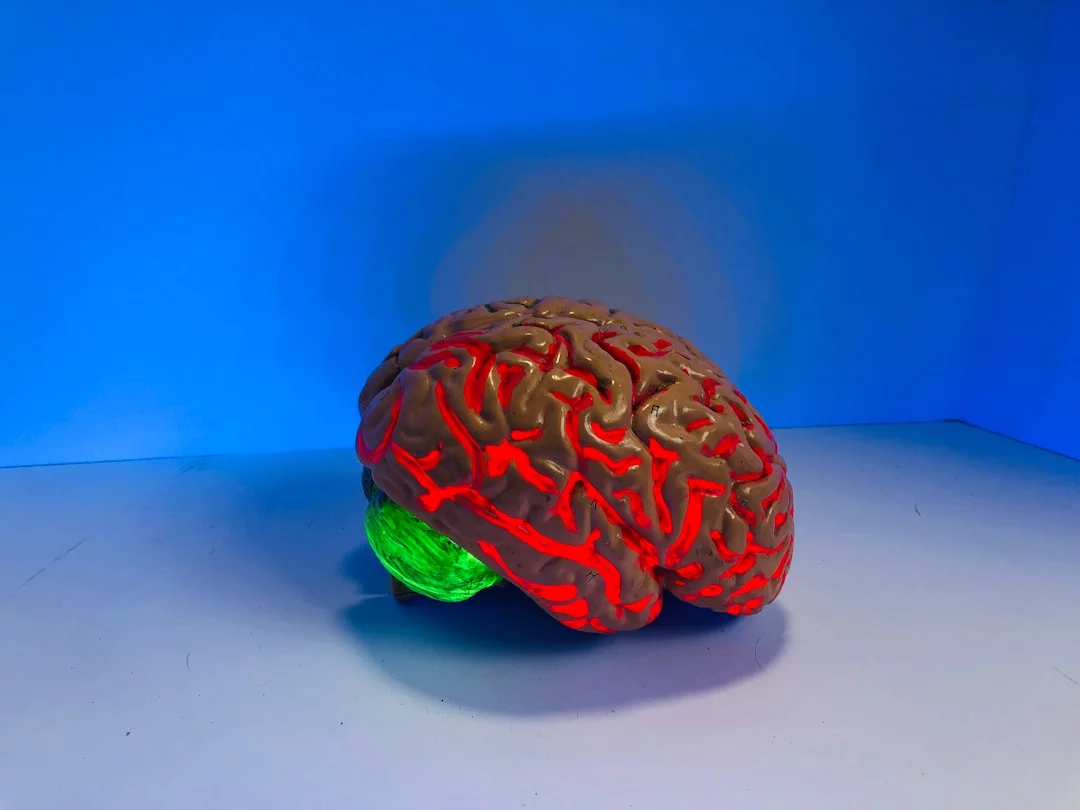
Memory depends on networks that encode, stabilize, retrieve, and update information over time. That’s why it helps to know how memory consolidation works and how attention affects memory before trying to pin everything on one “memory center.”
📋 Quick Reference
Best short answer: the hippocampus is central for forming new memories, the prefrontal cortex helps with working memory and focus, the amygdala tags emotional importance, and long-term memories are stored across distributed cortical networks.
Myth check: there is no single “memory side” of the brain, and the cerebellum is not the main answer for most memory questions.
Comparison table
| Brain area | Main memory job | Role in concentration | What it is not | Everyday example |
|---|---|---|---|---|
| Hippocampus | Forms new episodic memories; supports memory recall | Works better when attention is stable during encoding | Not the permanent storage site for all long-term memories | Remembering where you parked today |
| Prefrontal cortex | Handles working memory and short-term holding/manipulating of info | Main control hub for focus, goals, and resisting distraction | Not where all memories are stored | Keeping a phone number in mind long enough to dial it |
| Amygdala | Boosts emotional memory | Pulls attention toward threat or reward | Not the brain’s general memory archive | Vividly remembering an embarrassing moment |
| Temporal lobe / neocortex | Supports long-term knowledge storage across distributed areas | Helps process meaningful sensory information | Not one single “long-term memory box” | Knowing your native language and facts from school |
| Basal ganglia | Supports habits and procedural learning | Helps automate repeated routines | Not the main system for conscious recall | Typing without thinking through every key |
| Cerebellum | Fine-tunes motor learning and timing | Supports smooth, efficient task performance | Not the main answer to “which area of the brain controls memory in adults?” | Improving your tennis serve through repetition |
| Attention networks | Help select what gets encoded in the first place | Direct and sustain concentration | Not a single isolated structure | Staying with a lecture instead of drifting off |
Research on distributed memory systems, summarized in the NCBI overview of learning and memory, lines up with this network view. And yes, that matters because where is long term memory stored in the brain? Mostly across cortical traces, which is close to what an engram is in practical terms.
Common search questions answered fast
- What part of the brain controls memory recall? Mostly the hippocampus plus cortical networks, with the prefrontal cortex helping cue retrieval.
- Where is working memory stored in the brain? It’s mainly handled by the prefrontal cortex and related attention networks, not stored in one fixed spot.
- Where is long term memory stored in the brain? Long-term memory is distributed across the neocortex, with the hippocampus helping form and organize it early on.
- Which part of the brain controls memory and speech? It depends on the task, but temporal regions and language areas interact with memory systems.
- Is memory left brain or right brain? Neither, really. Both hemispheres contribute, depending on the type of information and task.
- Adults vs children? Same core systems, but the prefrontal cortex matures later, which affects attention control and working memory.
One last myth to drop: there isn’t a secret “memory side,” and oversimplified claims usually fall apart fast — see our 10 percent brain myth debunked piece for a good example. Which brings us to the next question: if attention gates memory, how exactly do the two work together?
How attention and memory work together
Now we can connect the parts. If you’re asking what part of the brain controls memory and concentration, the short answer is: not one part, but a network — with the prefrontal cortex helping you focus and the hippocampus helping turn experience into lasting memory.
That sequence matters more than most people realize: attention, then encoding, then consolidation, then recall. Miss the first step, and the last one usually falls apart. For a deeper breakdown, see how attention affects memory.
Why attention is the gatekeeper
Attention and concentration act like a filter. The prefrontal cortex helps you hold goals in mind, ignore distractions, and direct mental effort toward what matters right now.
Read one page while checking messages, and you’ll feel like you studied. Test yourself on that same page five minutes later? Often, almost nothing sticks. But if you read with full focus and then quiz yourself, encoding gets much stronger.
What distraction does to encoding
Distraction lowers the quality of memory formation. Every phone check, tab switch, or lyric-heavy song can break context, forcing your brain to rebuild the task each time.
And yes, those “quick” interruptions add up. Checking your phone every 2-3 minutes, studying with constant notifications, or hopping between browser tabs makes encoding fragmented instead of deep.
From experience, after building learning tools and reviewing how learners use quizzes and review systems, one pattern stands out: people blame recall, but the problem usually started during weak encoding.
Common mistakes to avoid
- Multitasking instead of doing one cognitively demanding task at a time
- Passive rereading without retrieval practice
- Mistaking familiarity for actual memory recall
- Studying while exhausted and expecting sharp concentration
- Assuming emotional intensity always makes memories more accurate
Research suggests emotion can make events feel vivid, but vivid doesn’t always mean precise. So when people ask what part of the brain controls memory and learning, the better answer is this: memory depends on coordinated systems, and focused input is the first bottleneck.
Which brings us to the practical question: how do you use that brain science in real study sessions? That’s next.
Use brain science in 5 steps
Now that attention and memory are linked, the practical question is simple: what should you actually do when you study? If you’re asking what part of the brain controls memory and concentration, the short answer is a network: the prefrontal cortex helps direct focus, while the hippocampus helps encode and stabilize new memories.

How to apply brain science while studying
- Step 1: Focus before you encode
- Step 2: Build links to what you know
- Step 3: Retrieve, don’t just reread
- Step 4: Space your review
- Step 5: Sleep and stress still matter
Step 1: Focus before you encode
Encoding works better when attention is narrow. Study one target at a time, block notifications, and use a visible goal like “learn 5 terms” in a 25-minute work block followed by a 5-minute break.
Step 2: Build links to what you know
The hippocampus stores new material more effectively when it has meaning to attach to. Use comparisons, stories, and examples, and if you need help, try the best mnemonic methods for recall to create extra retrieval cues.
Step 3: Retrieve, don’t just reread
This is the part most people get wrong. Memory recall improves more from effortful retrieval than passive review, so use flashcards, blurting, practice questions, or teach the idea from memory.
Step 4: Space your review
What is the 2 7 30 rule for memory? It’s a simple review rhythm: revisit material after 1-2 days, again around day 7, then around day 30. Not a law, just a useful spaced repetition pattern for one chapter, formula set, or vocabulary list.
Step 5: Sleep and stress still matter
Sleep supports memory consolidation, while chronic stress can disrupt attention and retrieval. Educational note only: if stress or sleep problems are persistent, talk with a qualified professional.
- Focus first
- Make meaning
- Practice recall
- Review on a schedule
- Protect recovery
So, what part of the brain controls memory and concentration? Not one spot, but coordinated learning and memory brain areas working together. And next, it helps to know when memory problems may signal normal overload versus something that deserves closer attention.
Memory problems: what they can mean
Those five steps help, but they don’t turn memory into a perfect system. And when people ask what part of the brain controls memory and concentration, the honest answer is a network, not one spot.
Everyday forgetfulness vs warning signs
Brief lapses are common. Forgetting a name for 30 seconds, losing your train of thought after a bad night of sleep, or blanking during stress usually reflects overload, divided attention, or weak encoding rather than structural damage. Research from sleep and stress labs consistently shows that poor sleep and high cortisol can disrupt attention and recall in the short term.
That’s different from a concerning pattern of memory loss. If you’re asking is stress-related memory loss reversible, the key question is whether the problem improves when stress, rest, and workload improve.
- Usually less concerning: occasional word-finding trouble, misplacing items, forgetting details when multitasking
- More concerning: repeated confusion, getting lost in familiar places, major language problems, steady decline in daily function
When to talk to a professional
No symptom checklist can tell you exactly what part of the brain controls memory loss, or how do you tell if your hippocampus is damaged. Hippocampus damage symptoms can overlap with sleep deprivation, anxiety, depression, concussion, medication effects, and other causes.
This is educational, not medical advice. If memory problems are persistent, sudden, worsening, tied to an injury, or come with disorientation or language changes, talk to a physician, neurologist, or licensed mental health professional. Next, I’ll wrap up with key answers and where to go on FreeBrain for memory techniques, emotional memory, and stress recovery.
Frequently Asked Questions
What part of the brain controls memory and concentration?
If you’re asking what part of the brain controls memory and concentration, the short answer is: no single brain area does both on its own. Memory depends heavily on the hippocampus, prefrontal cortex, amygdala, and wider cortical networks, while concentration relies a lot on prefrontal attention-control systems. And here’s the key part — concentration helps you encode information in the first place, but storing and recalling it later depends on distributed brain systems working together.
What part of the brain controls short-term memory?
The answer to what part of the brain controls short term memory usually points to prefrontal systems, especially when you’re briefly holding information and using it right away. This overlaps a lot with working memory, but they’re not perfectly identical terms. Think of short-term memory as the brain’s temporary holding space, with the prefrontal cortex playing a major role in keeping that information active for a few seconds.
Where is working memory stored in the brain?
If you want to know where is working memory stored in the brain, it helps to stop thinking in terms of one storage box. Working memory is handled by networks centered on the prefrontal cortex and connected regions that keep information active while you use it. For example, when you do mental math or hold a set of directions in mind long enough to follow them, those connected control networks are doing the heavy lifting.
Where is long-term memory stored in the brain?
When people ask where is long term memory stored in the brain, the best answer is that long-term memory is distributed across cortical regions, not packed into one spot. The hippocampus helps form and organize many new declarative memories, especially facts and events, but over time those memories rely on broader cortical storage. Different kinds of long-term memory also lean on somewhat different systems, so skills, facts, and emotional memories don’t all use the exact same network.
What part of the brain controls memory recall?
For what part of the brain controls memory recall, think network process, not one command center. Recall often involves the hippocampus working with cortical memory networks, while the prefrontal cortex helps search, organize, and pull up the right information at the right time. If you want to improve retrieval in practice, spaced review and active recall matter a lot — and you can pair that with FreeBrain’s study tools or review evidence-based guidance from NCBI’s overview of memory systems.
What part of the brain controls memory and emotion?
If you’re wondering what part of the brain controls memory and emotion, the amygdala is a big part of the answer because it helps mark experiences as emotionally important. It interacts closely with the hippocampus, which helps encode and organize many memories, so emotional events often feel more vivid and easier to remember. But wait — emotional intensity does not guarantee perfect accuracy, which is why a powerful memory can still be incomplete or distorted.
How do you tell if your hippocampus is damaged?
With how do you tell if your hippocampus is damaged, one possible clue is unusual difficulty forming new memories, especially after illness, injury, or a sudden cognitive change. But symptoms alone can’t confirm hippocampal damage, because attention problems, sleep loss, stress, depression, and other medical issues can also affect memory. If memory problems are persistent, sudden, or follow a head injury, you should get a professional evaluation; educational articles can help you understand the system, but they can’t diagnose the cause. For a broader overview of how memory works, you can also read FreeBrain’s related memory content alongside trusted medical sources such as the National Institute on Aging.
What is the 2 7 30 rule for memory?
What is the 2 7 30 rule for memory? It’s a practical spaced-review pattern: revisit material after about 2 days, 7 days, and 30 days to strengthen retention over time. Personally, I think it’s a useful study heuristic because it nudges you away from cramming and toward repeated retrieval. But it’s not a universal neuroscience law — just a simple review schedule that works best when you actively test yourself rather than only rereading notes.
Conclusion
If you remember one thing, make it this: memory and focus don’t live in one tiny “brain center.” Three practical ideas matter most. First, match your study method to the kind of memory you want to build, whether that’s facts, skills, or working memory. Second, protect attention before you try to improve recall, because the prefrontal cortex and hippocampus work best when you’re not constantly switching tasks. Third, use simple habits that support the brain systems involved: retrieval practice, spaced repetition, sleep, and distraction control. And yes, when people ask what part of the brain controls memory and concentration, the real answer is a network — not a single spot.
That’s good news. Why? Because networks are trainable. You don’t need a perfect brain day to make progress, and you don’t need to “feel focused” before you start. Personally, I think this is the part most people get wrong. Small changes, repeated consistently, usually beat big bursts of effort. So if your concentration has felt scattered or your memory feels unreliable, don’t treat that as proof that you can’t improve. Treat it as feedback. Your brain responds to practice.
Want to keep going? Explore more evidence-based strategies on FreeBrain.net, starting with How to Improve Concentration and Focus and How to Improve Memory for Studying. If you came here wondering what part of the brain controls memory and concentration, now you’ve got the more useful answer: understand the system, then train it on purpose. Pick one strategy today, use it this week, and give your brain a real chance to adapt.