

If you’re wondering which study strategies actually work, scientifically proven study methods are the ones backed by cognitive psychology and learning science, not just student folklore. At the top of the list, again and again, are active recall study method approaches and spaced repetition—two scientifically proven study methods that consistently beat passive review, especially when you need durable memory instead of a one-night boost.
Why is this getting so much attention now? Because students are under more pressure, learning more online, and trying to study in distraction-heavy environments where longer hours don’t automatically mean better results. And the research is pretty clear: a widely cited review in Psychological Science in the Public Interest on effective learning techniques found that some popular habits, like rereading and highlighting, have surprisingly limited payoff compared with retrieval practice and spaced review.
So here’s the deal. This article won’t give you another vague “study harder” list. You’ll get a ranked breakdown of the most effective study techniques, when each one works best, and how to choose the right method for math, science, reading-heavy classes, memorization-heavy courses, online learning, and exam prep.
We’ll also tackle the questions students actually ask: active recall vs rereading, spaced repetition vs cramming, and how to choose the best study method when your time is limited. And yes, I’ll show you how methods combine in real workflows—like using an active recall flashcards guide approach for facts while using problem-based practice for quantitative subjects.
I’m a software engineer, not a neuroscientist. But after building FreeBrain tools and spending years testing the best study methods backed by science in real self-directed learning systems, I’ve learned something simple: the right method can cut wasted effort fast. This is the part most people get wrong—they keep changing apps, when they should be changing how they study.
📑 Scientifically Proven Study Methods Guide
What actually works
So here’s the direct answer: scientifically proven study methods are techniques supported by cognitive psychology and learning science, not just habits that feel productive. The strongest performers are retrieval practice, spacing, and practice testing, with interleaving close behind—and if you want a practical starting point, begin with the active recall study method. For more on learning and study skills, see our learning and study skills guide.

📋 Quick Reference
| Method | Best for | Evidence strength | Time cost | Common mistake |
|---|---|---|---|---|
| Active recall | Most subjects | High | Low | Reviewing before trying to remember |
| Spaced repetition | Memorization-heavy courses | High | Medium | Cramming cards in one session |
| Practice testing | Exams, problem-solving | High | Medium | Checking answers too quickly |
| Interleaving | Math, science, mixed skills | Moderate to high | Medium | Switching topics randomly |
A quick definition
Evidence based learning means using methods that improve recall, transfer, and long-term retention under real conditions. Not all popular techniques have equal support. Dunlosky and colleagues’ widely cited review, plus guidance from the American Psychological Association on memory and learning, consistently put retrieval-based methods above rereading and highlighting.
Quick example: rereading a biology chapter for 40 minutes often creates familiarity, not mastery. Spending 15 minutes answering questions from memory—or using an active recall flashcards guide—usually gives you a much clearer signal of what you actually know.
Why students are searching for this now
Because attention is under attack. You’re studying in tab-heavy, notification-heavy environments, often with online classes, recorded lectures, and less structure than students had even a few years ago.
And yet many people still default to highlighting and rereading because those feel smooth. But wait—smooth isn’t the same as effective. Research support collected in places like NCBI’s learning and memory resources points toward methods that make remembering harder during study so recall gets easier later.
How this article ranks methods
I’m a software engineer, not a neuroscientist, so the lens here is practical testing plus published research, not academic posturing. After building FreeBrain tools for self-learners, I’ve found three things matter: evidence strength, ease of starting, and whether the method survives real student schedules.
- Research support across multiple studies
- Transfer across subjects like math, science, and reading-heavy courses
- Common failure points and setup cost
We’ll also match methods to use cases. Memorization-heavy courses? Spacing matters more, and tools like Anki for medical school show why. Reading-heavy classes, problem-solving, and online learning need different mixes.
Which brings us to the useful part: the seven methods that are actually worth your time.
The 7 methods worth using
So what actually works in real study sessions? If you want scientifically proven study methods, start with the few that repeatedly hold up across subjects, then use the rest more selectively.

Top tier: retrieval, spacing, and testing
The best starting trio for most students is active recall study method, spaced repetition, and practice testing. A widely cited review by Dunlosky and colleagues, available through PubMed Central on effective learning techniques, rated practice testing and distributed practice among the highest-utility methods.
What are they? Retrieval means pulling information out of memory; spacing means reviewing over time; practice testing means answering questions under test-like conditions. For anatomy, read a chapter once, close the book, write every term you remember, then check gaps. That active recall vs rereading routine usually beats another passive pass because recall strengthens memory traces.
And spacing? Try 20-minute reviews across 5 days instead of one 2-hour cram. For memorization-heavy courses, combine prompts with active recall flashcards guide systems or, if you’re in med school, see Anki for medical school.
Strong support, but use them right
- Interleaving: mix problem types; best for physics or algebra discrimination, weaker when you still don’t know the basics.
- Elaboration and self-explanation: explain why a history argument works; helpful for understanding, less useful if you just ramble without checking accuracy.
- Dual coding: pair words with clarifying visuals; great for cell biology pathways, but pretty notes alone don’t count.
Research on the testing effect helps explain why these methods work best when they force discrimination, explanation, or retrieval rather than decoration.
Best for hard subjects
For calculus, chemistry, coding, and physics, worked examples first often beat jumping straight into unguided practice. Study one solved problem, explain each step out loud, then solve a similar one without looking. That’s one of the best study methods for math and science classes because it lowers overload before independent problem-solving.
Next, let’s look at the mistakes that make even good study techniques fail.
Common mistakes to avoid
Now for the part that quietly ruins good plans. Even with scientifically proven study methods, students often mix them with habits that feel productive but barely improve recall.
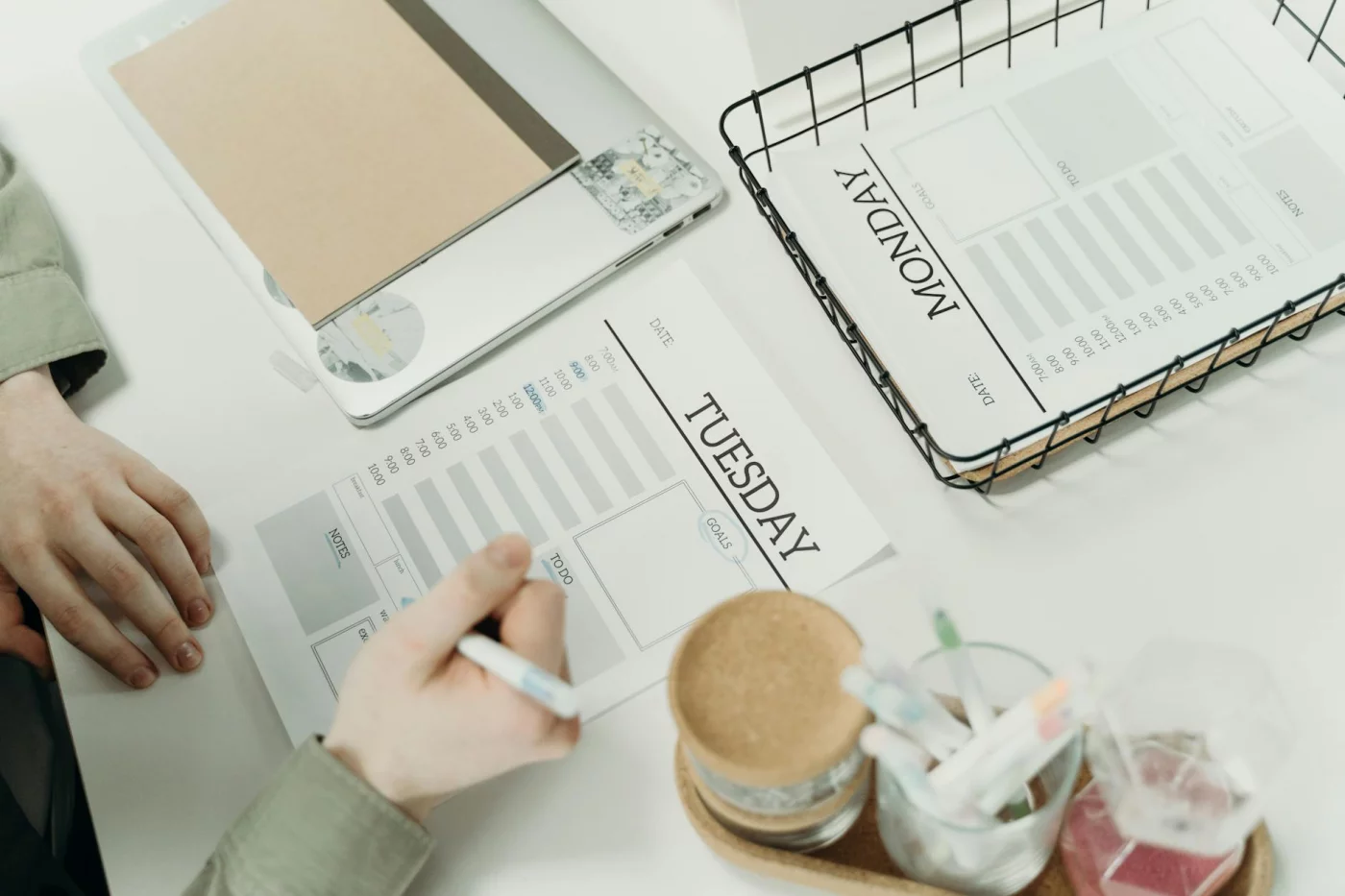
Why passive review tricks you
Rereading, copying notes, and highlighting can feel smooth because you recognize the material. But recognition isn’t recall. In active recall vs rereading, the second option often feels fluent, but tests poorly.
Say you’re in biology reviewing the stages of mitosis. If the textbook says “prophase, metaphase, anaphase, telophase,” it looks familiar; if I hide the page and ask you to produce them in order, that’s the real test. That’s why the active recall study method has much stronger support for memory retention than passive review.
Notes aren’t useless. They help when they become questions, summaries from memory, or self-tests later. And if you’re comparing note taking strategies, Cornell notes vs mind mapping is really a question of what leads to retrieval next.
Modern distractions and AI misuse
Online study has newer traps:
- constant notifications that split attention
- asking tools for answers before you try
- spending 40 minutes color-coding instead of practicing
Personally, I think this is where many “best study methods for online learning” setups fail. If you use tools to generate answers first, you skip the struggle that builds memory. Better use: attempt the question, then ask for feedback, extra practice, or an explanation of your mistake.
What to do instead
- Turn highlights into questions
- Replace cramming with spaced review
- Replace copying with self-explanation
- Replace note cleanup with practice problems
And one more thing: poor sleep, high stress, and anxiety can hurt recall even when your methods are solid. If that keeps happening, consult a qualified professional. Which brings us to the useful question: what should you use this week, for your class and timeline?
Pick the right method this week
Once you stop the common mistakes, the next move is simpler than most people think. The best scientifically proven study methods depend on three things: your goal, your time, and the kind of thinking the exam demands.
A simple decision framework
So how to choose the best study method? Match the task to the method. If you need memorization, use flashcards plus spacing. If you need problem-solving, use worked examples and mixed practice. For reading-heavy courses, use SQ3R plus self-explanation. And if time is tight, start with the active recall study method first.
- Math: worked examples + mixed practice
- Science classes: diagrams + retrieval + problem sets
- Reading-heavy courses: SQ3R + self-explanation
- Memorization-heavy subjects: flashcards + spaced repetition
Quick rule: if your exam asks you to produce answers, your study should also require producing answers. That’s why the best study methods for exams usually beat passive review.
5 steps for a weekly plan
How to build a 5-day study cycle
- Step 1: List topics and the exam format.
- Step 2: Pick one primary method and one support method.
- Step 3: Schedule 20-40 minute retrieval blocks across five days.
- Step 4: Review errors, then re-test weak areas.
- Step 5: Do one cumulative session before the exam.
Example: Day 1 biology student makes diagram recall cards; Day 2 algebra student solves mixed equations; Day 3 certification learner does timed recall after videos; Day 4 all three review mistakes; Day 5 they do one cumulative test. For online learning, keep blocks shorter, cut tab switching, and add a retrieval checkpoint after every lecture.
From experience: what students stick with
After building FreeBrain learning tools, one pattern keeps showing up: students improve faster when they use one high-evidence method consistently instead of trying seven at once. Personally, I think this is the part most people get wrong. Setup feels harder than rereading, so they quit early.
Start low-friction. A college biology student can do diagram recall, a high school algebra student can use worked examples, and a busy professional can do 25-minute retrieval blocks in a simple study routine. Choose one of these scientifically proven study methods this week, then use our guides on flashcards, focus blocks, and exam prep. Which brings us to the final questions and the bottom line.
Frequently Asked Questions
What are the best study methods backed by science?
If you’re asking what are the best study methods backed by science, the strongest picks are active recall, spaced repetition, practice testing, interleaving, and worked examples for problem-solving subjects. The best choice still depends on what you’re learning, but for most students, retrieval practice plus spaced review is the best default because it improves both remembering and long-term retention. These are some of the most reliable scientifically proven study methods because they make your brain do the work of recalling, not just recognizing.
Which study technique is most effective?
When people ask which study technique is most effective, the honest answer is that no single method wins in every situation. But for many exam-heavy classes, active recall is the highest-value starting point because it directly trains the skill you’ll need on test day: pulling information out of memory without prompts. If you want a practical system, pair recall with spaced review and use tools that make retrieval easier to schedule, such as FreeBrain’s study planners and quiz tools.
Is active recall better than rereading?
Yes—if you’re wondering is active recall better than rereading, research on effective learning strategies suggests that recall usually beats rereading for test preparation because it forces you to retrieve information instead of simply recognizing it on the page. Rereading can still help as a first exposure or quick refresher, but it shouldn’t be your main method once you’ve seen the material. A better pattern is simple: read once, close the book, then quiz yourself from memory.
How does spaced repetition improve memory?
How does spaced repetition improve memory? It works by revisiting material after a delay, which helps interrupt forgetting and strengthens the memory each time you successfully bring it back. In practice, several short reviews spread across days usually beat one long cram session, which is why spaced repetition is one of the most useful scientifically proven study methods for durable learning. For a research overview, the National Library of Medicine is a solid place to explore memory and learning studies.
What study method works best for math?
If you’re asking what study method works best for math, start with worked examples, self-explanation, and mixed problem practice. Math is procedural, so you need to learn how to choose and apply steps, not just memorize definitions or formulas. Pure flashcards can help with symbols and key rules, sure, but for algebra, calculus, and similar subjects, you’ll improve faster by studying solved problems, explaining each step in your own words, and then practicing a mix of problem types; for more on evidence-based strategies, see FreeBrain.
What is the difference between active recall and spaced repetition?
If you want to know what is the difference between active recall and spaced repetition, here’s the simple version: active recall is the act of pulling information from memory, while spaced repetition is the timing system that tells you when to review again. They’re not competing methods. And that’s the part most people miss. They work best together, because recall makes studying effortful in the right way, and spacing makes sure you revisit material before it fades.
Conclusion
If you remember just four things, make them these: use active recall instead of rereading, space your review across days instead of cramming, mix related topics with interleaving, and explain ideas in your own words to expose weak spots fast. That combo works because it forces your brain to retrieve, discriminate, and rebuild knowledge — which is exactly how durable learning gets formed. And yes, this is why scientifically proven study methods often feel harder in the moment but pay off far more on test day.
Now here’s the encouraging part: you do not need a perfect system to start getting better results. You just need one method you’ll actually use this week, one small study block you’ll protect, and one honest check on whether you can recall the material without looking. Personally, I think this is where most students get stuck — they try to overhaul everything at once. Don’t. Pick one evidence-based technique, run it for seven days, and let consistency do the heavy lifting.
Which brings us to your next step. If you want help turning these scientifically proven study methods into a realistic routine, keep going on FreeBrain.net. Start with How to Study Effectively for a practical system, then read Spaced Repetition to build a review schedule that actually sticks. Try one method today, test yourself tomorrow, and make this the week your studying finally starts working for you.