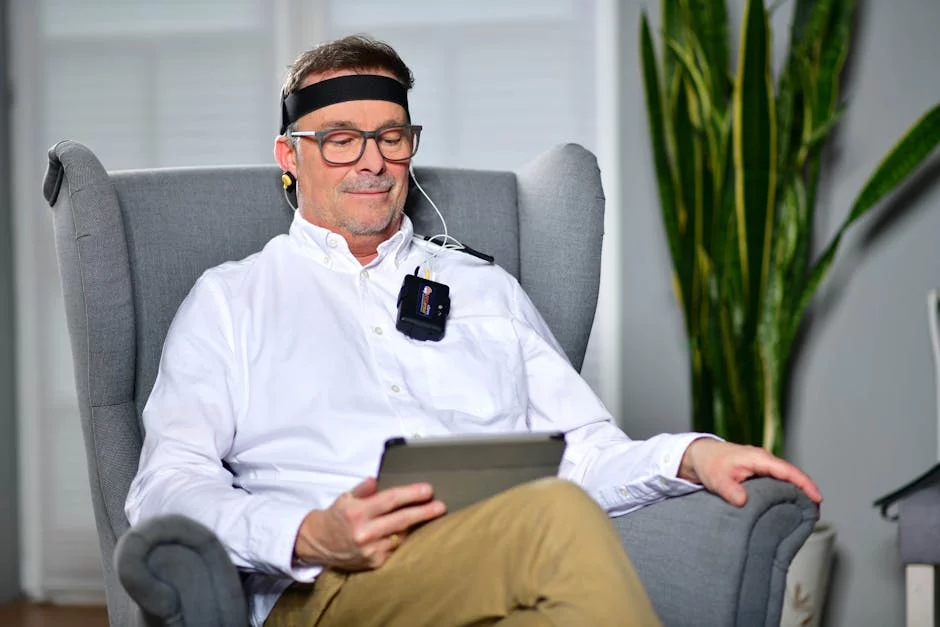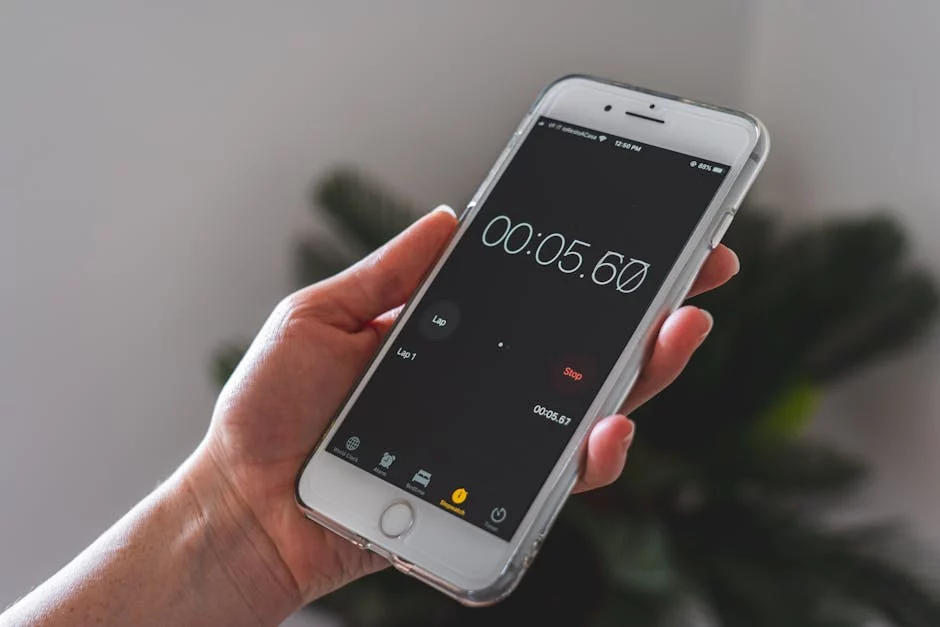
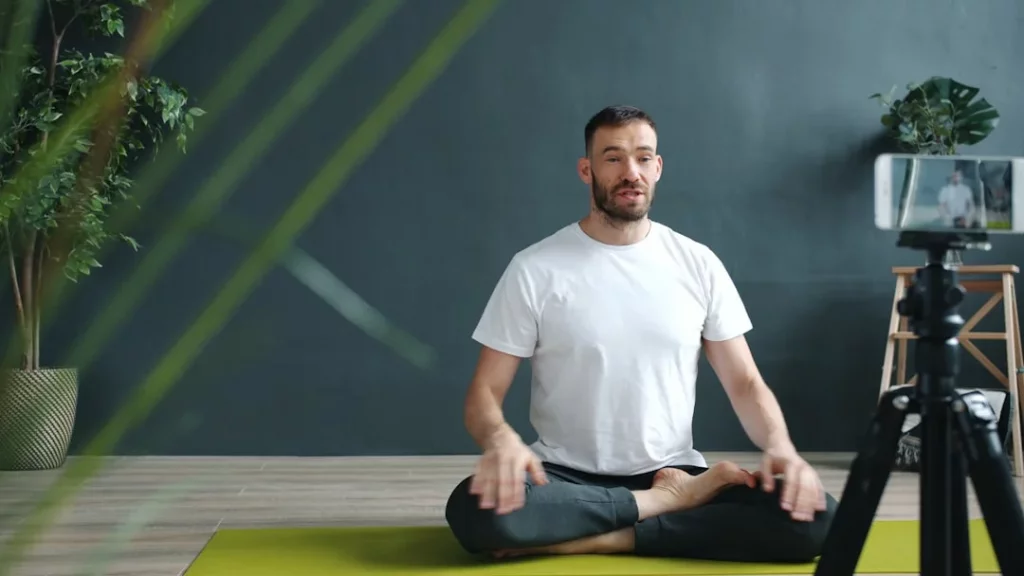
If you’re trying to choose box breathing vs 4-7-8, you probably want one thing: fast relief you can feel in your body. Box breathing is a simple “4-4-4-4” pattern (inhale, hold, exhale, hold) that steadies your breathing rhythm, while 4-7-8 uses a longer exhale to help you downshift—especially at night.
And yeah, breathwork can feel weird. Ever tried a breathing technique for stress relief and ended up more anxious, lightheaded, or stuck counting seconds while your brain screams “I’m doing it wrong”? That’s common—especially if you’re breath-hold sensitive or prone to panic sensations.
Start here. Use this quick decision table, then practice immediately with the Box Breathing Timer tool (it guides the pace so you don’t have to). For more guided calm routines that pair well with breathing, keep the Stress & Sleep Tools hub handy.
Pick your goal: If you need steady focus (before a meeting, exam, or sport), start with box breathing. If you want sleep onset help, try 4-7-8. If you’re in acute anxiety, you’ll likely do best with a modified approach (shorter holds, slower ramp-up)—and I’ll show you exactly how.
In this decision-first guide to box breathing vs 4-7-8, you’ll get: the real differences by goal (anxiety, sleep, performance), the science of why does breathing reduce stress (including CO₂ tolerance and vagal “brake” effects), and a ready-to-use 5-minute script you can read or play like a box breathing video 5 minutes. We’ll also cover safety: is box breathing dangerous, who should avoid breath-holds, and what to do if dizziness shows up.
Quick credibility note: I’m a software engineer, not a clinician—but I build FreeBrain’s learning and stress tools, and I sanity-check every claim against reputable sources like the American Psychological Association’s overview of how stress affects the body. Which brings us to the main event: box breathing vs 4-7-8—what to use, when, and how to make it feel safe.
📑 Table of Contents
- Start Here: box breathing vs 4-7-8 (60-second pick + safety)
- What box breathing vs 4-7-8 changes in your body (simple science)
- How to do box breathing vs 4-7-8 (5-minute guided step-by-step)
- Common mistakes to avoid (when box breathing vs 4-7-8 backfires)
- Real-world application: choosing box breathing vs 4-7-8 at work, exams, and sleep
- Quick Reference + 14-day plan: make box breathing vs 4-7-8 stick
- Frequently Asked Questions
- Conclusion
Start Here: box breathing vs 4-7-8 (60-second pick + safety)
You’ve got the overview. Now you need a fast, safe choice for box breathing vs 4-7-8 based on what’s happening in your body right now. For more on stress and sleep, see our stress and sleep guide.
Here’s the 60-second rule: if you need steadier focus or a quick downshift, pick box breathing; if you’re trying to fall asleep, pick 4-7-8. And if you feel a panic-like surge, start with a physiological sigh first.
Snippet-ready definition (keep this handy): Box breathing is a paced breathing pattern with equal inhale/hold/exhale/hold counts (often 4-4-4-4) used to downshift stress and steady attention. 4-7-8 uses a longer exhale and longer hold to support sleep onset, especially when your mind won’t stop scanning for problems.
Want to try it immediately? Use the Box Breathing Timer tool and start with a beginner-safe cadence like 3-3-3-3, or a no-hold version if breath holds make you feel edgy.
📋 Quick Reference
If you feel: wired + scattered → box. sleepy-but-stuck → 4-7-8. panicky surge → physiological sigh (1–3 reps), then box.
If holds bother you: default to no-hold (inhale 4, exhale 4) for 60–120 seconds.
Decision table: anxiety, sleep, performance (Box vs 4-7-8 vs sigh)
This is the part most people get wrong. They ask “which is better box breathing or 4-7-8” without naming the goal, so they pick a pattern that fights their current state.
Use this decision table for box breathing vs 4-7-8 (plus the sigh) and you’ll stop guessing.
| Technique | Timing | Best for | How it feels | Cautions |
|---|---|---|---|---|
| Box breathing | Beginner: 3-3-3-3; Standard: 4-4-4-4 | Performance reset, pre-meeting calm, attention steadiness | “Even,” structured, like turning down the volume | Breath holds can feel activating; switch to no-hold (4 in, 4 out) |
| 4-7-8 | 4 in, 7 hold, 8 out (repeat 2–4 rounds) | Sleep onset, nighttime rumination, end-of-day downshift | Heavier, slower, more sedating for many people | Long holds may trigger air-hunger/dizziness; shorten holds (4-4-6) if needed |
| Physiological sigh | Double inhale (top-up) + long exhale, repeat 1–3 times | Acute anxiety spike, “panic-like” surge right now | Fast relief, like releasing pressure | Don’t overdo it; too many reps can make you lightheaded |
Goal mapping examples (steal these):
- Before a presentation in 2 minutes: box breathing vs 4-7-8 → choose box (3-3-3-3 for 60 seconds), then speak.
- Can’t fall asleep: choose 4-7-8 for 2–4 rounds, then stop “trying” and let sleep happen.
- Panic-like surge right now: 1–3 physiological sighs, then box (no-hold if you’re sensitive).
60-second quick-start (beginner-safe cadence)
OK wait, let me back up: the safest way to learn box breathing vs 4-7-8 is to start smaller than you think. People don’t fail because they “can’t relax.” They fail because they breathe too big and too forcefully.
How to do a 60-second box reset (beginner-safe)
- Step 1: Sit tall, shoulders soft, jaw unclenched. Breathe through your nose if you can.
- Step 2: Inhale gently for 3 seconds (not a huge breath).
- Step 3: Hold 3 seconds or skip the hold if you feel panicky.
- Step 4: Exhale for 3 seconds, smooth and quiet.
- Step 5: Hold 3 seconds or skip. Repeat for 3 cycles (about 60 seconds).
You’re aiming for “slightly calmer,” not “air-hungry.” If you get dizzy or tingly, reduce breath depth first, then shorten or remove holds.
If you want a broader menu of calm-down routines (including sleep options), the Stress & Sleep Tools hub is the fastest place to find a protocol that fits your day.
Trust & evidence standards (what we can claim, what we can’t)
Personally, I think “breathing technique for stress relief” advice gets sloppy when it pretends every pattern has equal evidence. Research on slow, paced breathing is fairly solid; research specifically on box breathing as a branded method is thinner, so I’ll say “research suggests” when we’re generalizing.
For example, the NIH NCCIH overview of relaxation techniques includes deep breathing as a common method for managing stress symptoms. And Harvard’s summary on breath control explains how changing breathing patterns can shift stress physiology and calm the body’s alarm response (Harvard Health on breath control and stress response).
From building timer-style tools, I’ve noticed one repeat problem: people over-breathe. They take bigger, faster breaths than normal, blow off too much CO2, and then feel lightheaded—so they assume the method is “dangerous” when it’s really a pacing issue.
One last practical note: if your stress is driven by looping thoughts, pair your calm-down with a quick cognitive offload using the Worry → Plan Builder. Breathing settles the body; a plan settles the mind.
Next, we’ll get simple about the “why”: what box breathing vs 4-7-8 is likely changing in your body (and why different timings can feel so different).
What box breathing vs 4-7-8 changes in your body (simple science)
You’ve already picked a starting move. Now let’s make box breathing vs 4-7-8 feel less like “breathing tricks” and more like a simple body control knob you can actually use.
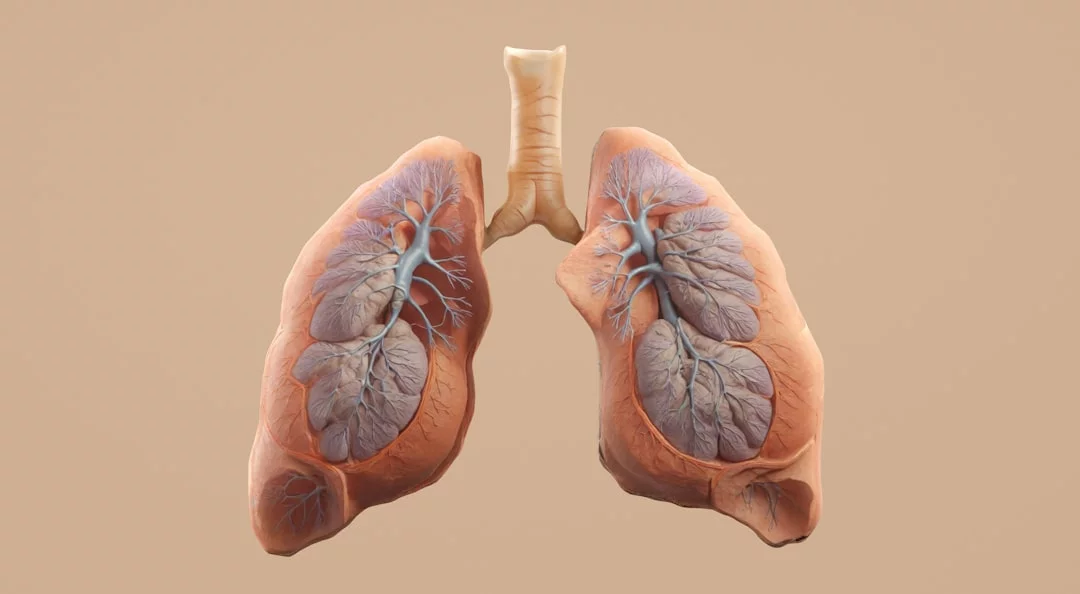
If you want to test it right now, open the Box Breathing Timer tool and do 4 cycles while you read. And if you want more guided calm routines later, the Stress & Sleep Tools hub is the fastest place to browse them.
Why breathing reduces stress (sympathetic vs parasympathetic)
Stress is your nervous system turning the dial toward “act now.” That’s sympathetic arousal: faster heart rate, tighter muscles, quicker breathing, and a brain that scans for threats.
But you’ve also got a built-in brake: parasympathetic activity (often explained through the “vagus nerve” shorthand). You can’t directly command your heart to slow down, but you can slow your breathing. That’s why breathing is such a fast handle you can control when you’re stressed.
Common signs you’re upshifted include:
- Tight chest or throat
- Racing thoughts and jumpy attention
- Sweaty palms or shaky hands
- Fast, shallow breaths
So here’s the deal. In box breathing vs 4-7-8, the most reliable “downshift” comes from the exhale. Longer, slower exhales nudge your physiology toward parasympathetic dominance, which can reduce the intensity of stress signals even if the problem stays.
And no, you’re not “turning off” stress. You’re just pulling it down a notch so your prefrontal cortex can do its job: plan, remember, and decide. The American Psychological Association’s overview on how stress affects the body lines up with this idea: stress is whole-body, and calming the body helps the mind follow.
Concrete example: exam jitters. The exam is still happening, obviously. But two minutes of paced breathing often makes the jitters feel less like panic and more like energy you can steer—especially if you keep the exhale soft and unforced. Which brings us to the mechanics behind box breathing vs 4-7-8.
HRV/RSA: what paced breathing does (and what it doesn’t)
Your heart doesn’t beat like a metronome. It naturally speeds up a bit on the inhale and slows down on the exhale. That pattern is called respiratory sinus arrhythmia (RSA), and it’s one reason breathing can change how “revved up” you feel.
Paced breathing tends to amplify RSA, which often shows up as higher heart rate variability (HRV) during or after the session. A classic review on slow breathing and autonomic effects (PMID: 20069080) is indexed on PubMed’s slow breathing and HRV paper, and it’s broadly consistent with what people notice: steadier body, clearer thinking, less jitter.
But wait—HRV isn’t a “score” you should chase daily. It’s noisy. Sleep, alcohol, illness, training load, and even dehydration can swing it, so track trends over 2 weeks, not single sessions.
Now, what paced breathing doesn’t do: it doesn’t delete stressors, fix chronic sleep debt, or replace therapy. It’s a fast state-change tool. That’s it—and that’s still a big deal.
CO2 tolerance + breath holds: helpful for some, activating for others
This is the part most people get wrong. Breath holds aren’t just “discipline.” They raise carbon dioxide (CO2), which can trigger air-hunger—the uncomfortable urge to breathe.
In box breathing vs 4-7-8, box breathing usually includes equal holds, while 4-7-8 includes a longer hold (7) and long exhale (8). For some people, those holds train CO2 tolerance and interoception (your ability to notice body signals without panicking). For others, especially with anxiety, air-hunger gets interpreted as danger and ramps symptoms.
Decision rule: if breath holds spike anxiety, start with a no-hold box (inhale 4, exhale 6–8) or a gentler 3-3-3-3. Add holds later, slowly. And if you calm down but your mind keeps looping, pair the reset with the Worry → Plan Builder to offload the thoughts into a concrete next step.
OK, so what should you actually do with all this science? Next, I’ll show you exactly how to do box breathing vs 4-7-8 step-by-step, including fixes for dizziness, tingling, and “I can’t hold my breath” moments.
How to do box breathing vs 4-7-8 (5-minute guided step-by-step)
In the last section, we covered what box breathing vs 4-7-8 changes in your body: CO2 tolerance, vagal tone, and the “threat” signal your brain reads from your breath. Now you need the part that actually works in real life.
Start here: open the Box Breathing Timer tool and set it to 3-3-3-3 or a no-hold version for your first run. And if you want more guided calm routines (sleep, stress, quick resets), the Stress & Sleep Tools hub is the fastest way to stack this with other evidence-based options.
The 4 box breathing technique (numbered 1–4 for snippets)
This is the cleanest “how to breathe to reduce stress” protocol I’ve found for box breathing vs 4-7-8 comparisons, because it’s symmetrical and easy to scale. The goal isn’t big breaths. It’s steady breaths.
How to do the 4 box breathing technique
- Step 1: Inhale through your nose for 3–4 counts, quietly, with low chest movement (think “wide belly, relaxed ribs”).
- Step 2: Hold gently for 0–4 counts. No clenching. If you feel strain, skip the hold.
- Step 3: Exhale through your nose for 3–4 counts, slightly softer (or 1 count longer) than the inhale.
- Step 4: Hold gently for 0–4 counts, then repeat for 4–8 cycles.
Posture matters more than people think. Sit tall, chin slightly tucked, tongue resting on the roof of your mouth, and keep your shoulders heavy.
- Nasal-only breathing if possible (it naturally slows airflow).
- Reduce depth if you feel lightheaded: smaller breaths fix most “box breathing didn’t work” moments.
- Quiet breath beats loud breath. Loud often means too much air.
Best beginner timing: 3-3-3-3 → 4-4-4-4 (and no-hold option)
For box breathing vs 4-7-8, beginners usually do better with 3-3-3-3 first. Well, actually… many do best with no holds at all for the first 2–3 minutes.
Here’s the progression rule I want you to follow: only increase counts when you can complete 6 full cycles with no air-hunger, no dizziness, and no urge to “catch up” with a big breath. That’s the line between calming and accidental over-breathing.
No-hold box option (safe for many people with anxiety sensitivity): inhale 4, exhale 4 for 2–3 minutes. Then try adding 1–2 count holds on the top and bottom if it still feels easy.
Is box breathing good for anxiety? Research on paced breathing suggests slower, controlled breathing can shift autonomic balance and reduce arousal, but the exact best cadence varies by person. If you want the broader evidence base behind breathwork and anxiety, start with APA guidance on how stress affects the body and the physiology basics in the overview of respiratory sinus arrhythmia (the heart-rate pattern that often increases with calm breathing).
5-minute guided routine (script + timer cues) + optional 4-7-8 finish
This is a “box breathing video 5 minutes” experience, but in text. Read it once, then run it from a timer (if you want help setting intervals, How to use a meditation timer makes it painless).
📋 Quick Reference
Beginner: 3-3-3-3 (or no-hold 4-in/4-out)
Standard: 4-4-4-4
Anchor words: “in / hold / out / hold” (silent)
Minute 0–1 (settle): Sit or stand tall. Lips closed, nasal-only. Do 3-3-3-3 for 3 cycles, and keep the breath small and quiet.
Minute 1–4 (work set): Pick your cadence: stay at 3-3-3-3 if you’re anxious, or move to 4-4-4-4 if you’re steady. Repeat 6–8 cycles, silently labeling each phase: “in… hold… out… hold…” to keep attention from spiraling.
Minute 4–5 (choose your finish): If your goal is sleep, do 1–2 rounds of 4-7-8 as a downshift (exhale gently; don’t force the 7-second hold). If your goal is performance (meeting, exam, public speaking), finish with one normal breath, open your eyes wide, and feel your feet to re-engage.
If your mind is still racing after box breathing vs 4-7-8, that’s not failure—it’s leftover cognitive load. Do a 2-minute brain dump, then convert it into one next action using the Worry → Plan Builder.
Next up, we’ll cover the common mistakes that make box breathing vs 4-7-8 backfire—like over-breathing, forcing holds, and choosing the wrong cadence for the moment.
Common mistakes to avoid (when box breathing vs 4-7-8 backfires)
You just learned the 5-minute routine. Now let’s make sure box breathing vs 4-7-8 doesn’t backfire with dizziness, tingling, or that “I’m doing it wrong” spiral.
Start here: run your next practice with the Box Breathing Timer tool so you can shrink the breath (not force it) while the pacing stays steady. And if you want a calmer menu of routines, the Stress & Sleep Tools hub is a good next click.
Mistake #1: breathing too big (quiet breathing beats deep breathing here)
This is the #1 reason box breathing vs 4-7-8 can feel awful. You’re not “bad at breathing”—you’re over-breathing.
When you inhale too deeply or too fast, you can blow off extra CO2. That CO2 drop (a hyperventilation pattern) can trigger dizziness from breathing exercises, lightheadedness, and tingling in hands or lips.
OK wait, let me back up. The tingling isn’t “more oxygen.” It’s often the opposite problem: lower CO2 shifts blood chemistry and can change how nerves fire, which is why you feel pins-and-needles.
Research on hyperventilation syndrome describes these classic symptoms—lightheadedness, tingling, and chest tightness—when ventilation exceeds metabolic need; see a clinical overview of hyperventilation syndrome and its symptoms.
- Nasal-only breathing (mouth closed). If your nose is blocked, slow down and keep it gentle.
- Reduce inhale size to about 60–70% of “full.” Your ribs shouldn’t flare.
- Slow the exhale and make it softer. Long, quiet out-breaths are the point.
- Relax shoulders and unclench the jaw. Neck tension can fake “air hunger.”
- Tongue on the roof of your mouth. Weirdly helpful for jaw/neck relaxation.
Micro-test: if you can hear your breath across the room, it’s probably too big. Quiet breathing beats deep breathing here—especially when comparing box breathing vs 4-7-8 for calm.
Mistake #2: forcing breath holds (and triggering panic-like symptoms)
Breath holds are the fastest way to turn a calming drill into a threat signal. And yes, it can feel like panic even if nothing “dangerous” is happening.
Here’s why. Holds create air hunger as CO2 rises, and an anxious brain can misread that sensation as “I’m suffocating.” This is common in box breathing techniques for anxiety, and it’s not a personal failure.
So what do you do when box breathing vs 4-7-8 for anxiety makes you feel worse? You build tolerance like a ladder, not a leap.
- No-hold box: inhale 4, exhale 4 (skip both holds) for 1–2 minutes.
- 1-count holds: inhale 4, hold 1, exhale 4, hold 1.
- 2-count holds: only if the 1-count feels boring.
- Alternate option: longer-exhale breathing (inhale 4, exhale 6) when holds feel spiky.
When should you choose a physiological sigh instead? If there’s an acute spike, a tight chest, or that “I can’t get a full breath” feeling, do 1–3 sighs, then return to gentle pacing. But don’t stack sighs for minutes; that can drift back into hyperventilation.
Also, quick posture check: sit supported, ribs stacked over pelvis, chin slightly tucked. If your neck is craned forward, breathing can feel “stuck,” and you’ll over-effort the inhale.
Safety: red flags, contraindications, and ‘stop if’ rules
People ask, “is box breathing dangerous?” For most healthy adults, paced breathing is low-risk. But breath holds and over-breathing can aggravate symptoms—so use a safety-first flow.
- Symptom: tingling hands/lips → Likely cause: CO2 drop from over-breathing → Fix: smaller inhales, slower exhale, nasal-only, pause practice until calm.
- Symptom: dizziness or “floaty” feeling → Likely cause: hyperventilation or standing too long → Fix: sit down, eyes open, shorten counts (3-3-3-3), breathe quieter.
- Symptom: panic symptoms during holds → Likely cause: air hunger misread as threat → Fix: no-hold box or 4-in/6-out; add grounding (feel feet, name 5 objects).
Stop immediately and seek urgent care if you get chest pain, fainting, severe shortness of breath, or new neurological symptoms (weakness, slurred speech, one-sided numbness). Don’t “push through” those.
Modify first and consult a clinician if you have COPD/asthma, cardiovascular disease, are pregnant, have panic disorder, or if breathwork reliably worsens symptoms. This is educational, not medical advice, and your situation may need individualized guidance.
Safer modifications that usually keep box breathing vs 4-7-8 comfortable: 3-3-3-3, no-hold box, longer-exhale breathing, seated support, and eyes open + grounding. And if your mind keeps spinning after you calm your body, pair the reset with a quick cognitive offload using the Worry → Plan Builder.
Next up, we’ll get practical: how to choose box breathing vs 4-7-8 at work, during exams, and when you’re trying to fall asleep.
Real-world application: choosing box breathing vs 4-7-8 at work, exams, and sleep
Once you avoid the common pitfalls, the real win is picking the right tool for the moment. That’s where box breathing vs 4-7-8 stops being a debate and starts being a simple decision.
Start here: use a timer so you’re not counting like a stressed-out accountant. I built this to be dead simple—open the Box Breathing Timer tool, pick a cadence, and run 2 minutes.
Quick framework for box breathing vs 4-7-8: choose by goal. Need steady, alert calm? Box. Need help sliding toward sleep? 4-7-8 (for many people, not all).
- Performance (meeting, exam, presentation): box breathing tends to steady arousal without making you drowsy.
- Sleep onset: 4-7-8 often feels more “sedating” because of the longer exhale and pause.
- High anxiety/panic-y sensations: start gentler (no holds) and treat intensity like a volume knob.
Evidence-wise, the strongest support is for paced breathing and slow exhalation improving vagal activity and stress markers, not for any one branded pattern. A 2023 randomized study in Cell Reports Medicine found daily slow breathing practices improved mood and reduced anxiety more than mindfulness meditation in that sample (Zaccaro et al. trial summary).
OK wait, let me back up: what matters most is cadence + consistency + safety. The rest is personalization—especially in box breathing vs 4-7-8.
90-second ‘meeting reset’ (2–3 cycles) + focus re-entry
Use this when your nervous system is “spiky,” but you still need to think. It’s my favorite box breathing technique for stress at work because it’s short enough to do between tabs.
Protocol (about 90 seconds): inhale 3, hold 3, exhale 3, hold 3. Do 3 cycles, then take one normal breath and move immediately into one next action.
That last part is the kicker. Pair the breathing technique for stress relief with a single re-entry move: “open doc, write first sentence.” Or “reply with the first two lines.” Or “rename the file and add one bullet.”
- Before a difficult Slack reply: 3-3-3-3 × 3, then type the first sentence only.
- After a tense call: 3-3-3-3 × 3, then stand up and write the next step on a sticky note.
- Between focus blocks: 3 cycles, one normal breath, then start the timer on your next work sprint.
From analyzing how beginners practice, the #1 pitfall is starting too intense: 4-4-4-4 with tight holds, shoulders up, and a big gasp on inhale. Treat the cadence like a volume knob: if you feel strained, drop to 3-3-3-3 or remove the holds entirely for a minute (inhale 4, exhale 4).
Pre-performance routine (calm focus, not sleepy calm)
For exams and presentations, you want stable energy, not “bedtime calm.” This is where box breathing vs 4-7-8 becomes practical: box breathing often steadies arousal, while 4-7-8 can feel sedating for some people.
Protocol (2 minutes): 4-4-4-4 continuously. Keep the exhale smooth, but don’t force it longer than the inhale. End with eyes open.
Add a posture “stack” to signal readiness: feet planted, hips neutral, ribs down, head tall. Personally, I think posture is the missing half of breath training—your body can’t “believe” you’re safe if you’re collapsed.
Grounding add-on (30 seconds) for spiraling thoughts: name 3 things you see, then feel your feet press into the floor for two slow breaths. If you’re comparing box breathing vs 4-7-8 for anxiety, this combo often works better than changing counts mid-panic.
Bedtime variant: box → 4-7-8 transition + sleep hygiene tie-in
At night, you’re not trying to “perform.” You’re trying to downshift. So a box → 4-7-8 transition is a clean way to resolve box breathing vs 4-7-8 for sleep without overthinking it.
Protocol (4–6 minutes total): 2 minutes of no-hold box (inhale 4, exhale 4). Then do 2–4 rounds of 4-7-8. Stop if you feel air-hungry, dizzy, or panicky; revert to “longer exhale only” (inhale 3–4, exhale 5–6) until you settle.
And here’s the part most people get wrong: breathing won’t out-muscle bad sleep inputs. Caffeine timing and schedule consistency usually matter more than any single trick, and if insomnia is persistent, it’s worth talking with a qualified clinician.
Do Navy SEALs really use box breathing? (myth vs reality)
Yes-ish. The story usually points to “tactical breathing” taught in high-stress training, sometimes described as box breathing Navy SEALs use to control arousal under pressure.
But wait—do navy SEALs really use box breathing is less useful than “will you practice it consistently?” If you do 2 minutes a day at a comfortable cadence (even no-hold), you’ll likely get more benefit than chasing the perfect count once a month.
Which brings us to the next section: a quick reference table plus a 14-day plan to make box breathing vs 4-7-8 stick without willpower drama.
Quick Reference + 14-day plan: make box breathing vs 4-7-8 stick
You’ve already seen how to choose a pattern for work, exams, and sleep. Now we’ll make that choice automatic, so box breathing vs 4-7-8 becomes a simple “pick-and-go” decision instead of another thing to think about.
📋 Quick Reference: pick the right pattern in 10 seconds
📋 Quick Reference
Goal: choose the fastest breathing technique for stress relief based on what your body needs right now.
- Calm focus (meetings, coding, studying): Box breathing. Start 3-3-3-3 for 2–3 minutes, then build to 4-4-4-4 for 3–5 minutes. Best when you need steadiness without getting sleepy.
- Sleep onset (can’t switch off): 4-7-8 for 4 cycles (about 2 minutes). If breath holds feel edgy, use a longer-exhale version: inhale 4, exhale 6–8, no holds.
- Acute spike (panic-y surge, sudden stress): Physiological sigh 1–3 times (two quick inhales, long exhale), then no-hold box for 60–120 seconds (inhale 3, exhale 3, repeat).
Cautions: Avoid long breath holds if you’re prone to panic attacks, pregnant, or have asthma/COPD or cardiovascular concerns unless a qualified clinician says it’s OK. Stop if you feel dizzy, numb/tingly, chest pain, or worsening anxiety.
If you’re stuck deciding box breathing vs 4-7-8, use this rule: performance = box, sleep = 4-7-8, spike = sigh then gentle pacing. Simple wins.
And yes, box breathing benefits can show up fast: paced breathing tends to increase vagal (parasympathetic) activity and can lower arousal, based on broader slow-breathing research (for example, reviews in Frontiers in Psychology discuss autonomic effects of slow breathing). But wait—specific “box breathing” trials are limited, so we’re borrowing evidence from paced breathing generally and applying it carefully.
14-day plan (2 minutes/day → 5 minutes/day) + tracking
Consistency beats intensity. Personally, I think this is the part most people get wrong: they chase the “perfect” count instead of building a reliable cue.
Use one timer so you don’t negotiate with yourself. Open the Box Breathing Timer tool once, bookmark it, and keep the same setup for two weeks.
- Days 1–3 (2 minutes): No-hold box. Inhale 3 seconds, exhale 3 seconds. That’s it. If you wonder “how does box breathing help” without holds—this version still slows respiration and reduces overbreathing, which often reduces jittery sensations.
- Days 4–7 (3 minutes): Full box at 3-3-3-3. If holds trigger discomfort, keep the holds at 1 second or drop them again. Comfort first.
- Days 8–14 (5 minutes): Move to 4-4-4-4 if it feels smooth. Or stay at 3 seconds if you’re sensitive, have asthma, or notice dizziness. Worth it? Absolutely—because adherence is the whole game.
Track only what helps you repeat it. Three metrics matter: stress, sleep onset, and (optional) HRV trend.
- Perceived stress (1–10): rate it before and after your session. You’re looking for a 1–3 point drop, not perfection. This is also your answer to “is box breathing good for anxiety” in real life: if your number reliably falls, it’s helping.
- Sleep latency (minutes): if you use box breathing vs 4-7-8 at night, estimate how long it took to fall asleep. A 5–15 minute improvement across two weeks is meaningful.
- Optional HRV: don’t obsess daily. Check a weekly average from your wearable and watch for a gentle upward trend alongside lower stress ratings.
Scheduling beats motivation. Add it to existing anchors: after you sit down to start work, after lunch as a reset, or right after brushing your teeth at night.
Conclusion: what to do now (2 minutes) and next (14 days)
Do this now—2 minutes. Choose box breathing vs 4-7-8 based on your goal, then run 3-3-3-3 for two minutes (or the no-hold version if you’re sensitive). OK wait, let me back up: the win isn’t the breathing itself, it’s what happens next. When the timer ends, write one concrete next action on a sticky note (send the email, start question 1, close the laptop).
Do this for 14 days. Follow the progression, track one metric (stress 1–10 is enough), and adjust counts based on comfort—not ego. If 4-7-8 breath holds bother you, switch to longer-exhale breathing; if box holds feel great, keep them short and smooth. That’s how you keep the box breathing benefits without turning the practice into a stressor.
Bookmark your timer, run your two minutes, and keep the plan simple—then you can revisit box breathing vs 4-7-8 with real data from your own body. Next up, I’ll answer the common questions people ask right before they commit (or quit).
Frequently Asked Questions
Which is better: box breathing or 4-7-8?
For box breathing vs 4-7-8, the better choice depends on your goal: box breathing tends to support calm focus and steady arousal, while 4-7-8 often fits sleep onset because the exhale is longer. If you’re asking which is better box breathing or 4-7-8 for performance, try a comfortable box cadence (like 3-3-3-3) before a task; for bedtime, try 4-7-8 for 4 cycles and keep it gentle. If breath holds trigger air-hunger or panic-like symptoms, switch to a no-hold box (inhale 4, exhale 4) or a longer-exhale pattern, and consult a qualified clinician if symptoms persist or feel intense.
Is box breathing good for anxiety?
In the box breathing vs 4-7-8 conversation, both can help, and research on paced/slow breathing suggests it can reduce stress and anxiety symptoms for many people—though responses vary person to person. So yes, is box breathing good for anxiety is often “it can be,” especially when you keep the breaths small, quiet, and comfortable. But if your anxiety increases during holds, use a no-hold box (inhale 4, exhale 4) or lengthen the exhale (inhale 3, exhale 5) and avoid trying to “fill up” your lungs.
Is box breathing good for stress at work?
For box breathing vs 4-7-8 at work, box breathing is usually the more practical “on-the-spot” option because it’s discreet and keeps your alertness steady. A simple box breathing technique for stress at work: do 3-3-3-3 for 3 cycles (about 90 seconds) right before a meeting, a tough email, or after a tense call. And here’s the part most people miss—pair it with a next-action cue: when you finish, immediately open the doc and write the first line (or type the subject line) so the calm turns into progress.
Is box breathing dangerous?
In box breathing vs 4-7-8, both are typically low-risk for healthy people, but breath holds and over-breathing can cause dizziness, tingling, or panic-like sensations—especially if you push the inhale too big. If you’re wondering is box breathing dangerous, the practical rule is: stop if you feel chest pain, fainting, or severe shortness of breath, and get medical help. Consult a clinician first if you’re pregnant or have asthma/COPD, cardiovascular disease, or panic disorder; for general safety guidance on stress and anxiety, see APA’s stress resources.
Do Navy SEALs really use box breathing?
Yes, the idea behind box breathing vs 4-7-8 shows up in “tactical breathing” used in high-stress training contexts, but the exact protocol varies by instructor and situation. So do navy SEALs really use box breathing? Many do some form of it, but what matters more is practicing a comfortable cadence consistently so it’s available under pressure. If holds feel rough, modify it (3-3-3-3 or no-hold inhale/exhale) and aim for “steady and controllable,” not “perfect counts.”
Why does breathing reduce stress?
With box breathing vs 4-7-8, the common mechanism is slow, paced breathing, which can shift your body toward more parasympathetic activity and change heart-rate patterns (often discussed as respiratory sinus arrhythmia, RSA) that many people experience as calmer. And there’s a cognitive side too: if you’re asking why does breathing reduce stress, it’s partly because it gives attention something concrete to control, which can interrupt spiraling thoughts. Quick test: keep the breaths quiet and smaller than you think you need, and notice whether your shoulders drop within 3–6 cycles.
What is the 4 box breathing technique?
The box breathing vs 4-7-8 difference is timing structure: the 4 box breathing technique uses four equal phases—inhale, hold, exhale, hold—often 4 counts each (4-4-4-4). Beginners should start easier: try 3-3-3-3 for 4 rounds, or skip the holds entirely (inhale 4, exhale 4) if breath holds feel uncomfortable. If you want a simple on-page timer, use FreeBrain’s breathing tools hub here: FreeBrain.net.
What is the best breathing technique for stress relief right now?
For box breathing vs 4-7-8 in a real-time spike, start with 1–3 physiological sighs (double inhale + long exhale), then switch to no-hold box breathing for 60–120 seconds; that combo often drops the “edge” fast without tricky breath holds. If you’re steady but tense, use 3-3-3-3 box breathing right away and keep breaths quiet and small—don’t gulp air. If you’re searching for a breathing technique for stress relief that’s simple, this is the one I’d pick first because it’s easy to scale up or down based on how your body reacts.
Conclusion: Pick Your Pattern, Then Practice It
Here’s what to do next, in plain terms. First, use the 60-second pick: choose box breathing when you need steady focus and a calmer “work mode,” and choose 4-7-8 when you’re trying to downshift into sleep (or a quick reset). Second, run the 5-minute script exactly as written: nasal inhale, relaxed shoulders, and a pace you can keep without strain. Third, avoid the backfire triggers—over-breathing, forcing long holds, and “gulping” air—because that’s when box breathing vs 4-7-8 can feel dizzy or panicky instead of calming. And fourth, lock it in with the 14-day plan: same cue, same time, tiny reps, and a quick note on what changed (sleep latency, tension, or focus).
If you’ve tried breathing exercises before and bounced off, you’re not broken. You were probably just using the wrong tool for the moment—or pushing too hard, too fast. But wait, this is where it gets interesting: once you treat box breathing vs 4-7-8 like skill practice (not a “magic switch”), the benefits show up more reliably. Start small. Two minutes counts. And yes, it’s normal if day 1 feels awkward.
Want to go deeper and make this automatic? Keep building your stress-and-focus toolkit on FreeBrain.net. Read How to Calm Your Nervous System Fast and pair this with Study Breaks That Actually Work so your breathing practice supports real performance. Choose one pattern today, run one 5-minute session, and repeat tomorrow—box breathing vs 4-7-8 only works if you actually do it.